• ABOUT
  • BIRDING 2018
  • Birding 2019
  • BLOG POSTS
  • Butterflies 2018
  • Resources

earthstar

~ a celebration of nature

earthstar

Author Archives: sconzani

Hello, Hairy!

21 Tuesday May 2024

Posted by sconzani in insects

≈ Leave a comment

Tags

Brachytron pratense, British dragonflies, Cardiff Bay Wetlands Reserve, dragonfly, Hairy dragonfly, Hairy hawker

Finally, my first dragonfly of the year appeared during last Thursday’s circuit of Cardiff Bay. This stunning Hairy dragonfly (also known as Hairy hawker) (Brachytron pratense) flew a circuit of the reeds near the boardwalk at the wetlands reserve before settling on a clump close to where I was standing. It was a little obscured by stalks blowing in the gentle breeze but I managed to get a few reasonable photos of this handsome-looking dragon.

240521 hairy dragonfly

Like Loading...

Leafmines: Coleophora follicularis

20 Monday May 2024

Posted by sconzani in insects, plants

≈ Leave a comment

Tags

Agrimony case-bearer, British moths, casebearing moth larvae, Coleophora follicularis, Hemp-agrimony, leaf-mining moth larvae, leafminers on Hemp agrimony

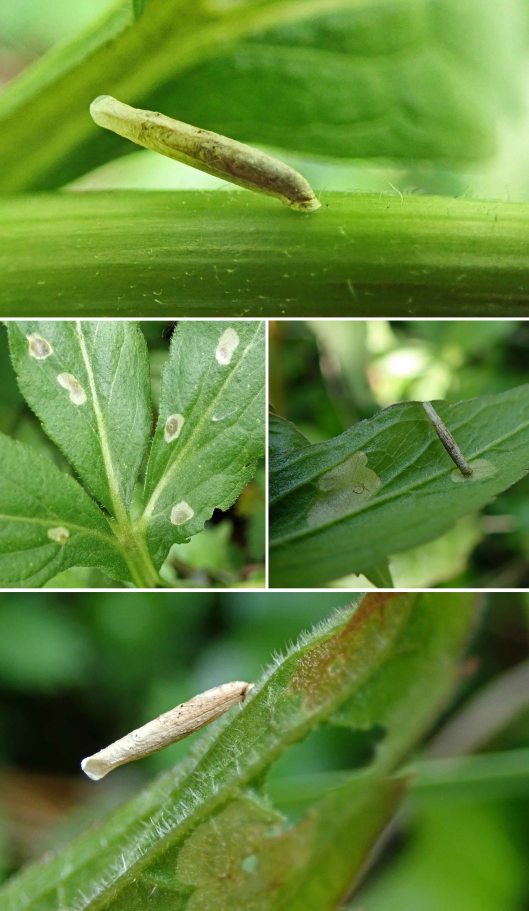
As often happens, I was alerted to the existence of this leafminer by a post on Twitter of someone else finding one. So, in the following days, I pointed my walking shoes in the direction I knew I would find their host plant for a little leaf staring, and Bob’s your uncle (such a strange expression, don’t you think?)! After checking two or three clumps of Hemp-agrimony (Eupatorium cannabinum), I spotted the tell-tale feeding signs (see photos below) and, lurking beneath a leaf, my first Coleophora follicularis (Agrimony case-bearer).

240520 Coleophora follicularis

According to the British Leafminers website, as well as feeding on Hemp-agrimony, these larvae also feed on Common fleabane (Pulicaria dysenterica) and Ploughman’s-spikenard (Inula conyzae), and the times of year of the appearance of the larvae and adults vary depending on the larval food plant. When Hemp-agrimony is used, the mines can be found in April-May and then again in July-August. The UK Moths website shows an adult moth that has a subtle pattern of beige and cream stripes, a smart-looking little flier.

Like Loading...

Just peas, no carrots

19 Sunday May 2024

Posted by sconzani in flowers, wildflowers

≈ 2 Comments

Tags

Black medick, British wildflowers, Broom, Bush vetch, Common bird's-foot trefoil, Common vetch, gorse, Grass vetchling, Pea family, red clover, Spotted medick, White clover

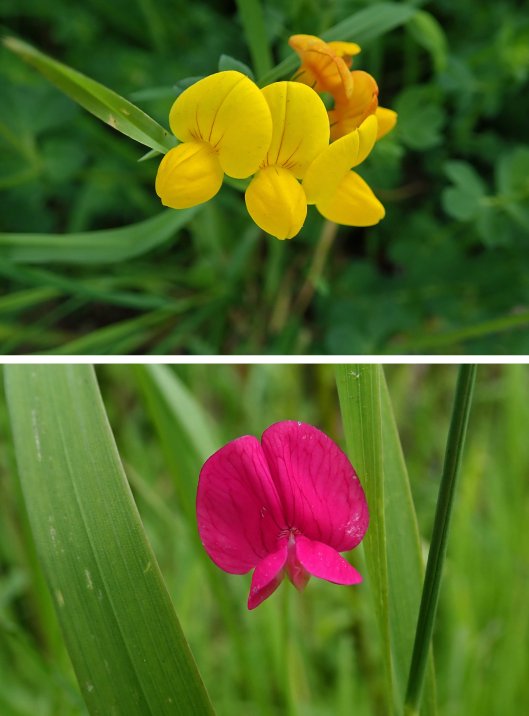
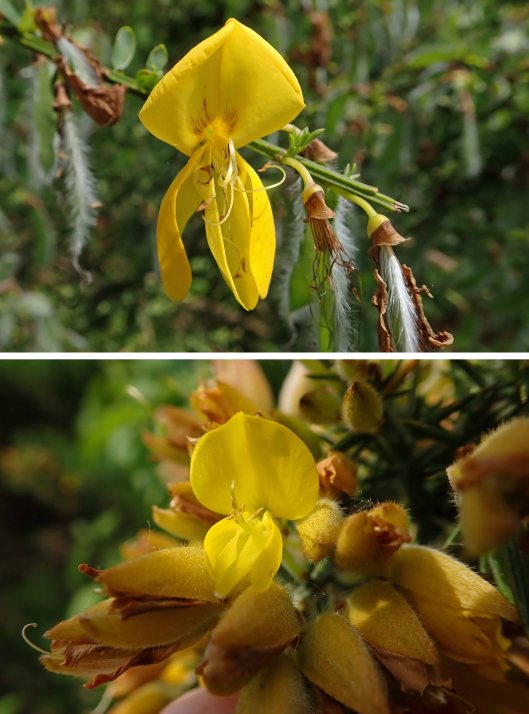
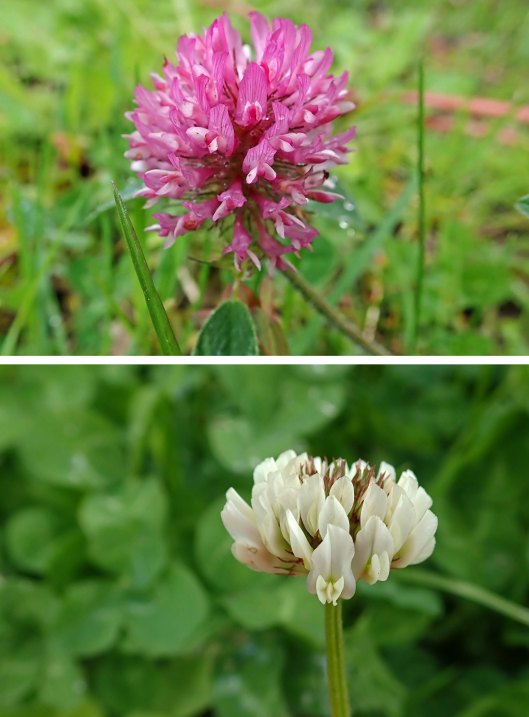
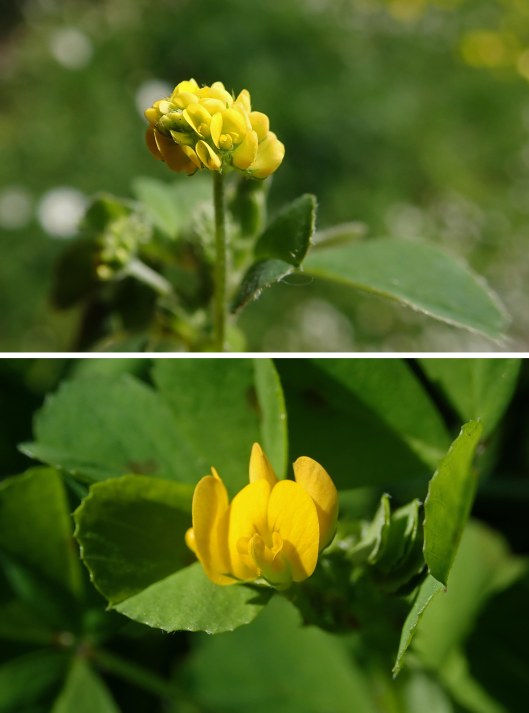
The challenge for the regular Sunday night 8-9pm Wildflower Hour (#WildflowerHour on most social media platforms) this week was to find flowering members of the carrot and pea families (#CarrotsAndPeas). I decided, for no particular reason, to stick with the peas, the Leguminosae, and here they are …

240519 birdsfoot trefoil and vetchling grass

Common bird’s-foot trefoil and Grass vetchling

240519 broom and gorse

Broom and Gorse

240519 clover red and white

Red and White clover

240519 medick black and spotted

Black and Spotted medick. These look very similar so you need to check the leaves: Spotted medick has splotches on its leaves, while the leaves of Black medick have no marks but have tiny points at their ends.

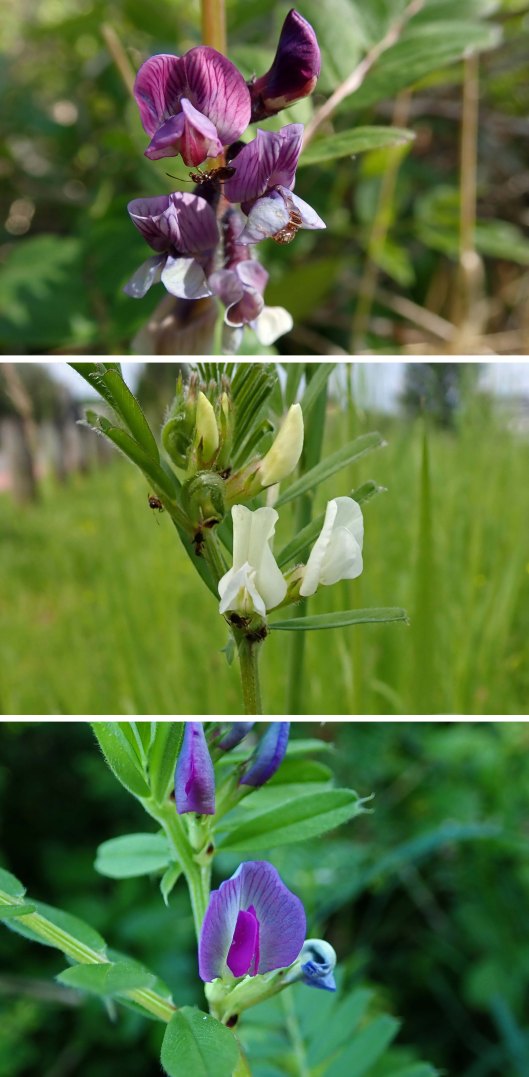
240519 vetch bush and common

Bush vetch (top) and Common vetch (bottom). I’m a bit confused about the white-flowered vetch in the centre – is it Bush or is it Common? I’ll ask the experts on tonight’s Wildflower Hour.

Like Loading...

Eight cygnets

18 Saturday May 2024

Posted by sconzani in birds

≈ Leave a comment

Tags

birding, birdwatching, British birds, cygnets, Mute swan, Mute swan cygnets

I’ve been watching this pair of Mute swans from the time they first started building their nest, in exactly the same spot as last year, and I spotted a couple of tiny fluffy heads about a week ago. When I passed the location today, mum, dad and their eight gorgeous cygnets were out for a swim around their river inlet.

240518 8 cygnets (1)

The word cute is much overused when it comes to baby birds, but these cygnets really were the epitome of cute, preening and tidying their baby feathers, diving and splashing about enthusiastically.

240518 8 cygnets (2)

Like Loading...

Beautiful jewelwing

17 Friday May 2024

Posted by sconzani in insects

≈ 2 Comments

Tags

Beautiful Demoiselle, British damselflies, Calopteryx Virgo, Calopteryx virgo ssp virgo, Odonata

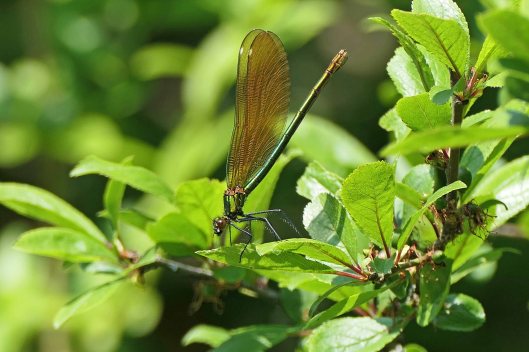
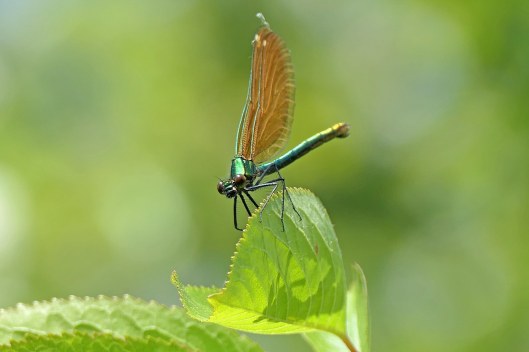
My first two Beautiful demoiselles of the year, seen flying along the edges of the woodland rides at Casehill Woods last Sunday, were both camera shy but this third demoiselle, the first female was much more cooperative. The Beautiful demoiselle, also sometimes, most appropriately called Beautiful jewelwing, bears the scientific name Calopteryx virgo, and I can go further to add that she is the sub species virgo, because of the pale colour at the base of her wings. And, in fact, looking back through all my photos of this species, I see that all are this subspecies, so perhaps they are the only ones found in my part of south Wales.

240517 beautiful demoiselle (1)

My guide book, Smallshire and Swash’s Europe’s Dragonflies, notes that this is the ‘largest demoiselle in Europe’ and that this species ‘frequently strays well away from water’. Well, that second fact is most definitely true for the beautiful creature pictured here: she was flitting along the trees edging a footpath at least 500 metres from the nearest water.

240517 beautiful demoiselle (2)

Like Loading...

Itchy and scratchy

16 Thursday May 2024

Posted by sconzani in birds

≈ Leave a comment

Tags

birding, birdwatching, British birds, Common whitethroat, mnemonic for bird song

As I was recently reminded by reading another blogger’s post, those of us who love birds each have our own ways of remembering their songs and calls. Every year, whenever I hear my first Common whitethroat, I immediately think ‘itchy and scratchy’. This is nothing to do with the animated television series, at least not in the sense of any comparison of sounds; rather it’s that the whitethroat’s song sounds very scratchy to me and my mind jumps to the word association of itchy with scratchy. The Common whitethroat pictured below was belting out his scratchy song with gusto and enthusiasm in his efforts to attract a mate.

240521 common whitethroat

Like Loading...

Migrant lepidoptera

15 Wednesday May 2024

Posted by sconzani in insects

≈ Leave a comment

Tags

British butterflies, British moths, lepidoptera migration, migrating butterflies, migrating moths, Painted Lady, Silver Y

Despite a couple of days of cool rain this week, the cumulative effects of last week’s heat and southerly winds and today’s intermittent sunshine have brought us the first migrant Lepidoptera of the season. I actually saw my first Silver Y moth last week but, during today’s walk, another flitted up and away as I walked past, settling amongst a patch of long grass, quivering for 30 seconds or more as they do before stilling itself.

And today’s walk also produced my first Painted lady butterfly, looking remarkably well considering it had probably recently arrived from France, Portugal or Spain. The migration journeys of these smaller invertebrates never cease to astonish me.

Like Loading...

Azure bluets

14 Tuesday May 2024

Posted by sconzani in insects

≈ Leave a comment

Tags

Azure bluet, Azure damselfly, British damselflies, British odonata, Coenagrion puella, damselfly

These beautiful creatures were my most recent odonata finds of the year. In Britain, we tend to call them Azure damselflies but they are more widely known as Azure bluets (Coenagrion puella), the Bluets being the family of small damselflies whose males are mostly blue and black. Together with the Common blues/bluets (Enallagma cyathigerum), these are the two most common blue damselfly species across Europe.

240514 azure damsels

Like Loading...

Leafminers: Eriocrania sangii

13 Monday May 2024

Posted by sconzani in insects, trees

≈ Leave a comment

Tags

Birch, British leafminers, British moths, Eriocrania sangii, leaf-mining moth larvae, leafmine on Birch

Last week I covered Eriocrania semipurpurella; this week’s leafminer is the second of the eight British Eriocraniidae moth species I’ve now found mining the leaves of Birch trees.

240513 Eriocrania sangii (1)

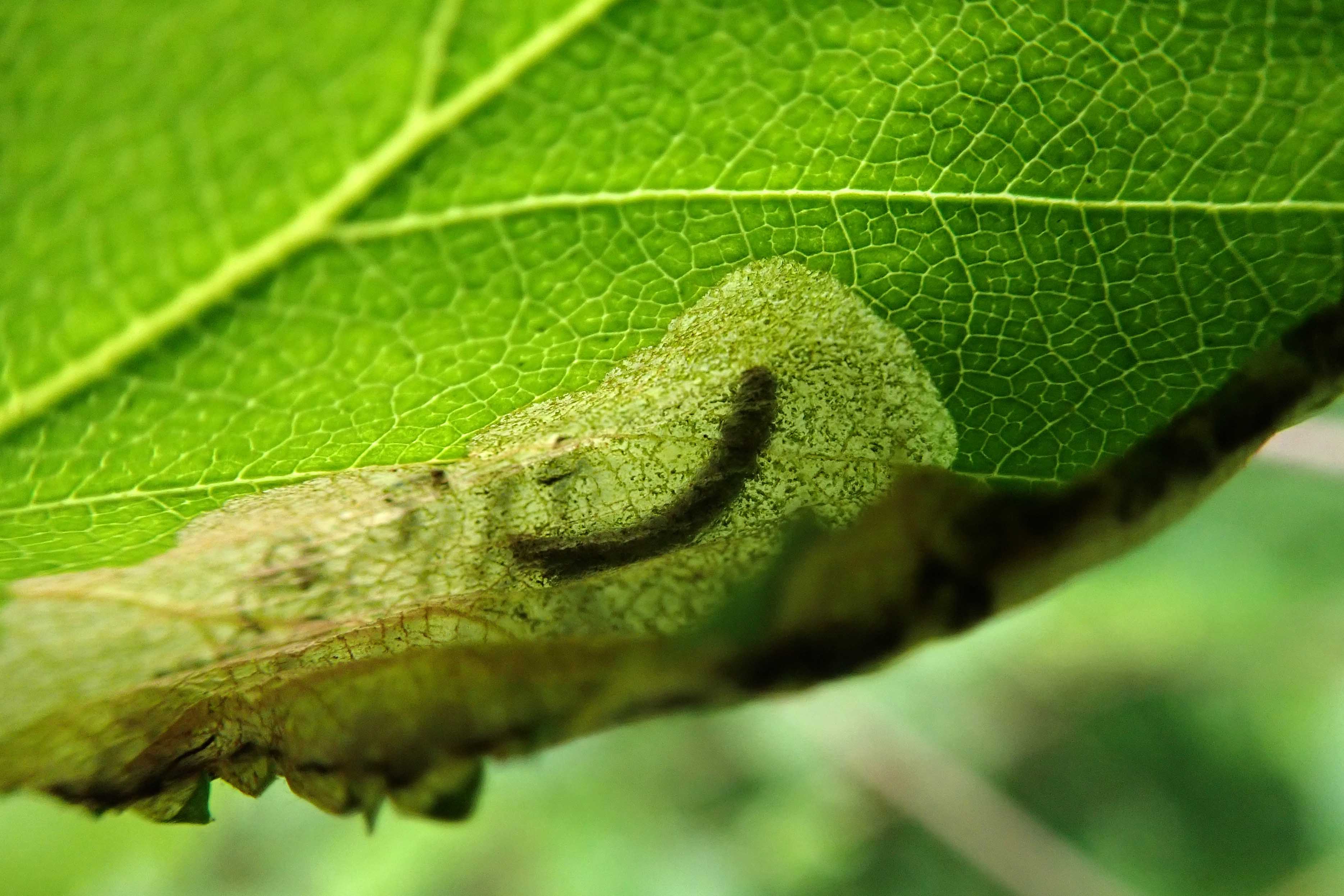
This dark grey larva (the colour makes this the easiest of the family to identify) will eventually develop into the moth Eriocrania sangii, which looks to be a very pretty sparkly purple if the image on the UK Moths website is true to life.

240513 Eriocrania sangii (2)

Like Loading...

Yellow flag irises

12 Sunday May 2024

Posted by sconzani in flowers, wildflowers

≈ Leave a comment

Tags

British wildflowers, Iris pseudacorus, wetland plants, Yellow flag iris, Yellow iris

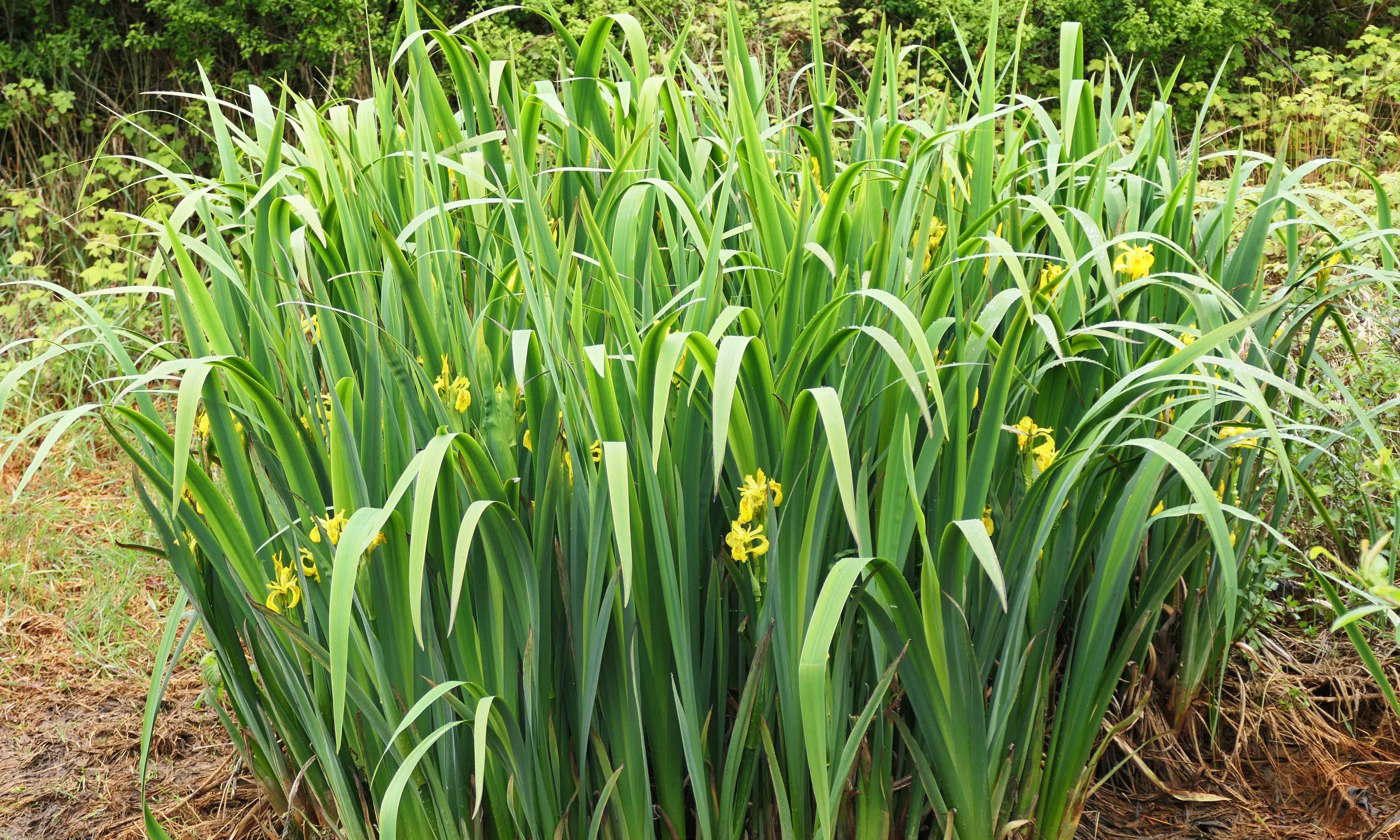
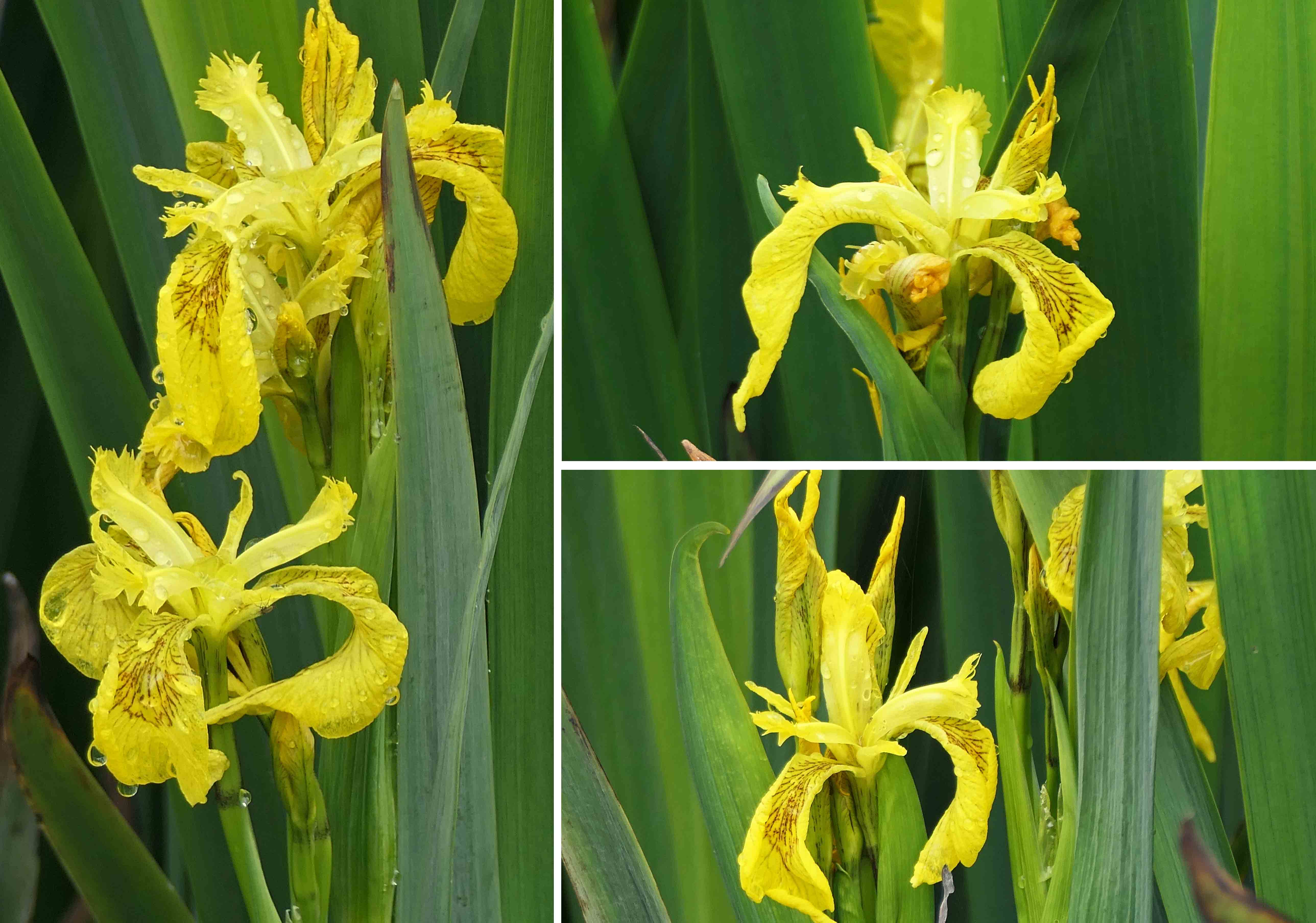
Until this last week of hot dry weather, this large clump of Yellow flag irises (Iris pseudacorus) had its roots in a pool of water, their preferred habitat, the leaves looked lush and verdant, the flowers sunny and glorious.

240512 yellow flag iris (1)

These plants can withstand quite dry conditions, but, as I write this late Sunday afternoon, we have constant thunder and torrential rain, so I think their feet will be damp once again and the irises will be looking lovely for some time yet.

240512 yellow flag iris (2)

Like Loading...
← Older posts
Newer posts →

About me

sconzani

sconzani

I'm a writer and photographer; researcher and blogger; birder and nature lover; countryside rambler and city strider; volunteer and biodiversity recorder.

View Full Profile →

Follow earthstar on WordPress.com

Enter your email address to follow this blog and receive notifications of new posts by email.

Recent blog posts

  • Cute cootlet April 30, 2026
  • Blood bees April 29, 2026
  • Nesting material April 28, 2026
  • Lifer: Box bug April 27, 2026
  • Peak Wild garlic April 26, 2026

From the archives

COPYRIGHT

Unless otherwise acknowledged, the text and photographs on this blog are my own and are subject to international copyright. Nothing may be downloaded or copied without my permission.

Fellow Earth Stars!

  • Unknown's avatar
  • Unknown's avatar
  • Unknown's avatar
  • Unknown's avatar
  • Unknown's avatar
  • Unknown's avatar
  • Unknown's avatar
  • Unknown's avatar
  • Unknown's avatar
  • Unknown's avatar
  • Unknown's avatar
  • Unknown's avatar
  • Unknown's avatar
  • Unknown's avatar
  • Unknown's avatar
  • Unknown's avatar
  • Unknown's avatar
  • Unknown's avatar
  • Unknown's avatar
  • Unknown's avatar
  • Unknown's avatar
  • Unknown's avatar
  • Unknown's avatar
  • Unknown's avatar
  • Unknown's avatar
  • Unknown's avatar
  • Unknown's avatar
  • Unknown's avatar
  • Unknown's avatar
  • Unknown's avatar
  • Unknown's avatar
  • Unknown's avatar
  • Unknown's avatar
  • Unknown's avatar
  • Unknown's avatar
  • Unknown's avatar
  • Unknown's avatar
  • Unknown's avatar
  • Unknown's avatar
  • Unknown's avatar
  • Unknown's avatar
  • Unknown's avatar
  • Unknown's avatar
  • Unknown's avatar
  • Unknown's avatar
  • Unknown's avatar
  • Unknown's avatar
  • Unknown's avatar
  • Unknown's avatar
  • Unknown's avatar

Blog at WordPress.com.

Privacy & Cookies: This site uses cookies. By continuing to use this website, you agree to their use.
To find out more, including how to control cookies, see here: Cookie Policy
  • Subscribe Subscribed
    • earthstar
    • Join 642 other subscribers
    • Already have a WordPress.com account? Log in now.
    • earthstar
    • Subscribe Subscribed
    • Sign up
    • Log in
    • Report this content
    • View site in Reader
    • Manage subscriptions
    • Collapse this bar

Loading Comments...

You must be logged in to post a comment.

    %d