• ABOUT
  • BIRDING 2018
  • Birding 2019
  • BLOG POSTS
  • Butterflies 2018
  • Resources

earthstar

~ a celebration of nature

earthstar

Category Archives: nature

Environmental enlightenment at St Augustine’s

06 Wednesday Jun 2018

Posted by sconzani in insects, nature

≈ 5 Comments

Tags

#30DaysWild, 30 Days Wild, biodiversity in churchyard, British butterflies, Large skipper, Large skipper butterfly, St Augustine's Church

I seem to be constantly angry these days at the environmental vandalism of local authorities so it was an absolute delight on day 6 of #30DaysWild to spend time in the churchyard of St Augustine’s here in Penarth.

180606 Large skipper (3)

The church authorities have taken the enlightened step of helping to ‘safeguard the environment of the plants and animals that live in the churchyard while at the same time promoting enjoyment of the space by the local community. The area is an ideal resource for encouraging greater understanding of wildlife and biodiversity. Bird, bat and swift boxes have been put up….’

180606 Large skipper (1)

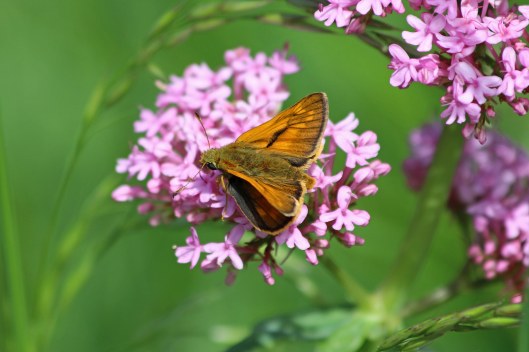
The grass is long, wildflowers are blooming, a family of Blue tits were feeding in the trees, and these Large skippers were basking in the sunshine. Congratulations to the Friends of St Augustine’s for leading the way!

180606 Large skipper (2)

Like Loading...

The teeny-weenies

05 Tuesday Jun 2018

Posted by sconzani in insects, nature, parks

≈ Leave a comment

Tags

#30DaysWild, 30 Days Wild, Alexandra Park, Elder aphids, leaf turning, Sycamore gall mites, wild places

My wildness was a little restricted today, on day 5 of #30DaysWild: I was dosed up on antihistamines due to a nasty reaction to Horsefly bites and, as even the non-drowsy pills make me feel a bit wonky, I just went for a mini meander around my local park, Penarth’s Alexandra Park. It’s a relic of the Victorian era – think topiary and bird cages, manicured lawns and artificial-looking flower beds – but there are also some wonderful wild areas.

180605 wild places180605 wild places

I wasn’t sure what I might find, as it was cooler and quite windy here today, but that also meant there weren’t too many people around to stare at me as I indulged in a spot of leaf turning … because you never know what teeny-weeny creatures you might find when you look at the underside of a leaf (or even the top side, for that matter). The bright reddish-pink constructions caused by one of the Sycamore gall mites were easy to spot on the tops, and various immature bugs crawled around underneath most of the leaves I looked at.

Sycamore gall nites
Sycamore gall nites
Immature plant bug
Immature plant bug
Immature plant bug
Immature plant bug
Aphid
Aphid

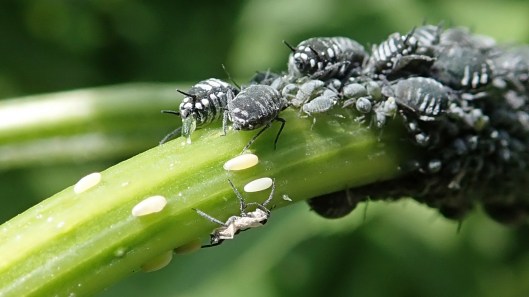
My favourites, though, were these aphid communities. I think these are Elder aphids (Aphis sambuci) but please do correct me if I’m wrong.

180605 Elder aphids (1)180605 Elder aphids (2)180605 Elder aphids (3)

Like Loading...

Cardiff’s old canals

04 Monday Jun 2018

Posted by sconzani in birds, flowers, insects, nature, wildflowers

≈ Leave a comment

Tags

#30DaysWild, 30 Days Wild, birding birdwatching, British birds, Cardiff's canals, Common blue damselfly, Coot, Coot chicks, Coots nesting, feral pigeon, Fringed water-lily, Little Venice, Mallard, vegetation in canals

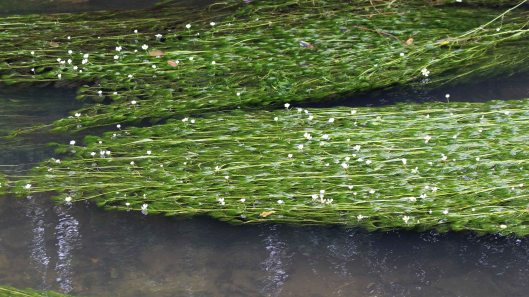
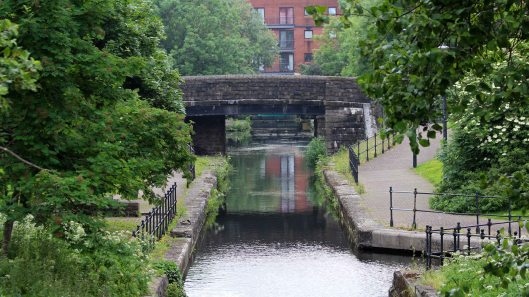
I had to go in to Cardiff city today to do a few chores so, for day four of #30DaysWild, I thought I’d take a wander along the old canals, an area known locally as Little Venice. The area closest to the main road is quite unkempt, but, except for the human rubbish, I like how overgrown it is – and I’m sure the wildlife does too – and the submerged plants are particularly lovely at the moment, with long streaming fronds covered in pretty white flowers.

180604 1 flowering plant in canal180604 2 flowering plant in canal

The canals flow in a couple of different directions, both ultimately emptying into East Bute Dock, where once a million tons of coal a year was loaded on to waiting ships. The canals are bordered by various types of accommodation and office blocks, have footpaths along both sides, and in places are adorned with beautiful, currently flowering native Fringed Water Lily (Nymphoides peltata).

180604 3 canal180604 4 water lily in canal180604 5 water lily in canal

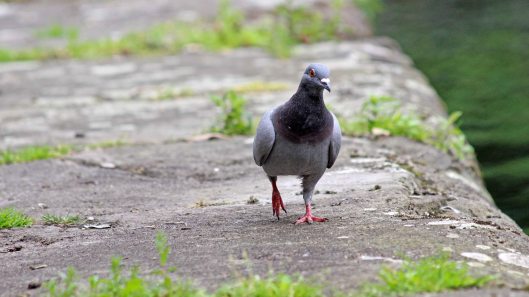
The canals also support a range of wildlife. Drake mallards snoozed on the warm stone edges, Common blue damselflies flitted back and forth, and a feral pigeon strutted towards me, hopeful of a spot of lunch.

180604 6 common blue damselfly
180604 7 drake mallard

180604 8 feral pigeon

The big drawcard of these waterways for me, though, is that Coots can usually be found nesting here, often very successfully. In their large sturdy nest structures, built of sticks and plant material and human detritus, I’ve seen broods of up to 6 chicks.

180604 9 coot nest
180604 10 coot nest
180604 11 coot nest

Today there were two pairs with quite well-grown young, and three more birds sitting, possibly with little ones tucked under their wings. And very cute they all were too!

180604 12 coot
180604 13 coot
180604 14 coot
180604 15 coot
180604 16 coot
180604 17 coot


Like Loading...

Orchidelicious

03 Sunday Jun 2018

Posted by sconzani in flowers, nature, parks, wildflowers

≈ 2 Comments

Tags

#30DaysWild, 30 Days Wild, Bee orchid, British orchids, Common spotted orchid, Cosmeston, Cosmeston Lakes Country Park, Greater butterfly-orchid, orchid, Southern marsh orchid

180603 orchids at Cosmeston

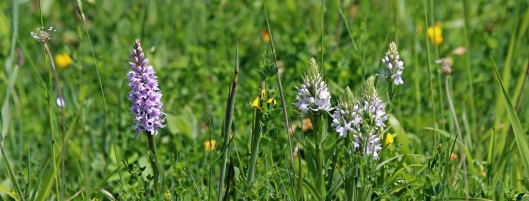
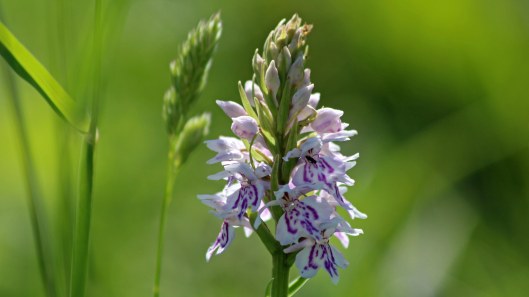
For day three of #30DaysWild I went searching for orchids at Cosmeston Lakes Country Park, and I got lucky. The Common spotted-orchids are blooming in good numbers now, two of the small number of well hidden Greater butterfly-orchids are flowering, I found my first Bee orchid of the season, and I think I found my first Southern marsh-orchid as well. It couldn’t get much better than that!

Common spotted-orchid (Dactylorhiza fuchsii)

180603 Common spotted orchid (1)

180603 Common spotted orchid (3)
180603 Common spotted orchid (2)

Greater butterfly-orchid (Platanthera chlorantha)

180603 Greater butterfly orchid (1)
180603 Greater butterfly orchid (2)
180603 Greater butterfly orchid (3)
180603 Greater butterfly orchid (4)

Bee orchid (Ophrys apifera)

180603 Bee orchid (2)
180603 Bee orchid (1)

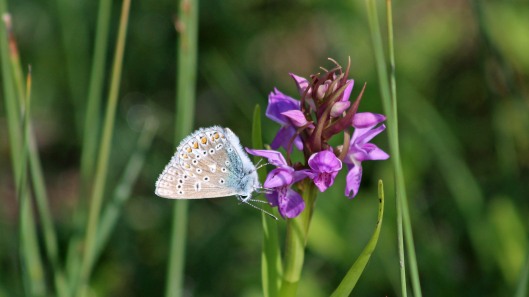
Southern marsh-orchid (Dactylorhiza praetermissa) (and Common blue butterfly)

180603 Southern marsh orchid

Like Loading...

Mystery solved!

02 Saturday Jun 2018

Posted by sconzani in birds, nature

≈ Leave a comment

Tags

#30DaysWild, 30 Days Wild, birding, birdwatching, British birds, Lavernock Nature Reserve, Lesser whitethroat

On day two of #30DaysWild I decided to try to solve a mystery. Last Monday, 28 May, I was having a wander around Lavernock Nature Reserve when I heard a bird making an unusual ‘tech tech’ sound in a group of nearby shrubs and trees (you can hear it at the beginning of this short video clip I recorded). I edged closer and got glimpses of a dark head and back with a much lighter front and belly, but I couldn’t get a clear view or any photos.

180602 Lesser whitethroat (4)

Silly me thought it might have been a Pied flycatcher but I knew that was probably wrong, and I was soon put straight about how extremely unlikely that possibility was for the Lavernock site by a much more experienced birding friend. But what was it?

180602 Lesser whitethroat (2)

I wasn’t sure if the bird would still be around but today was a lovely day for a walk and Lavernock is a wonderful nature reserve – I knew I would find things of interest even if I couldn’t find the bird again.

180602 Lesser whitethroat (1)

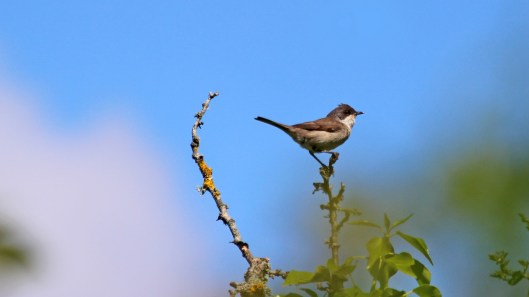
Well, as you’ve guessed from the title of this post and from the photos here, I found my bird and solved the mystery. It’s a Lesser whitethroat – in fact, I’m 99% sure there were two of them and that they’re nesting, as I watched the bird repeatedly foraging for food in the greenery, then flying back and forth to the same location in a clump of bushes.

180602 Lesser whitethroat (3)

These are usually very skulky birds, more often staying within trees and bushes and not easily seen, so I was very lucky to get some decent views of one bird sitting high in the tree tops. A perfect result for the second day of my 30 Days Wild!

Like Loading...

Random acts of wildness

01 Friday Jun 2018

Posted by sconzani in insects, nature

≈ 2 Comments

Tags

#30DaysWild, British butterflies, British moths, Burnet companion, butterflies, Cinnabar, Common blue, Latticed heath, moths, random acts of wildness, Silver Y, Small white

From today until the end of June, I’m taking part in 30 Days Wild, a month-long nature challenge run by the Wildlife Trusts. The idea is to do something wild every day for 30 days, whether ‘you take time out to simply smell a wildflower, listen to birdsong, explore a local wild place or leave a part of your garden to grow wild for a month’ and the aim is that by ‘making nature part of your life for 30 days’, you will feel ‘happier, healthier and more connected to nature’. This is pretty much what I do most days anyway but this month I’m going to ensure I go wild every single day! You can join in too, if you want – the info is here.

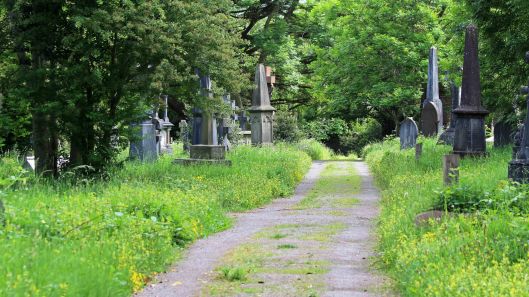
180601 (1) Cathays Cemetery

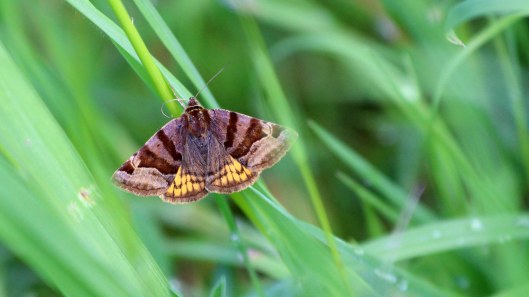
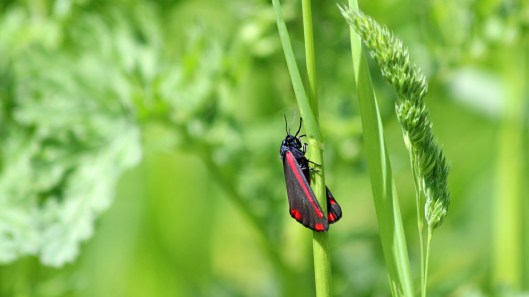
So, today, on day one, I went for a lovely long wander in Cathays Cemetery, Cardiff’s magnificent, huge, Victorian cemetery. Sadly, some parts of the cemetery are poorly managed – large areas without gravestones, which could be easily become wildflower meadows, are savagely mown, the clippings not removed. But there are a couple of areas where the grasses and wildflowers have been allowed to grow, and additional wildflowers – in particular, a lot of Yellow rattle – have been sewn. These two areas were alive with insects today: bees and hoverflies, bugs and beetles, and damselflies galore. My favourites, though, were all the lovely Lepidoptera: here are some I saw …

180601 (2) Latticed heath

Latticed heath moth

180601 (3) Common blue female

Common blue butterfly (female)

180601 (4) Common blue male

Common blue butterfly (male)

180601 (5) Silver Y

Silver Y moth

180601 (6) Burnet companion

Burnet companion moth

180601 (7) Small white

Small white butterfly

180601 (8) Cinnabar

Cinnabar moth

Like Loading...

May at Cosmeston

31 Thursday May 2018

Posted by sconzani in birds, flowers, nature, reptiles, walks, wildflowers

≈ 2 Comments

Tags

Azure damselfly, Bird’s-foot trefoil, Bugle, Common blue butterfly, Common whitethroat, Coot, Cosmeston, Cosmeston Lakes Country Park, cuckoo spit, Dingy Skipper, Flax, Hawthorn blossom, Large Red damselfly, Mallard ducklings, Scarlet pimpernel, Swallow, tadpoles

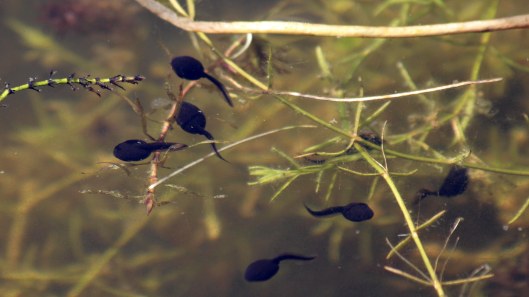
I literally dipped in and out of Cosmeston on 2 May, for a quick look at the dipping pond to see if I could spot any Water voles. I dipped on the voles but I did see Ma Mallard and her two gorgeous ducklings, and a gazillion tadpoles.
180531 1 duckling
180531 2 duckling
180531 3 duckling
180531 4 duckling

180531 5 tadpoles

11 May  I needed to stretch my legs after spending the previous day sorting out after my birding trip so off to Cosmeston I headed. I came in from the north end via Old Cogan farm, where a pair of Swallows was sitting on the wires. I suspect they nest in the old barn as I see them there often over the summer months.

180531 6 swallows

Apart from those Swallows, it was quiet on the bird front and, as a cool wind was blowing, there were no butterflies about either. So, I took lots of photos of newly blooming wildflowers  …
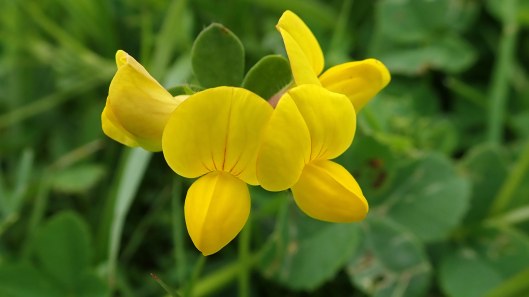
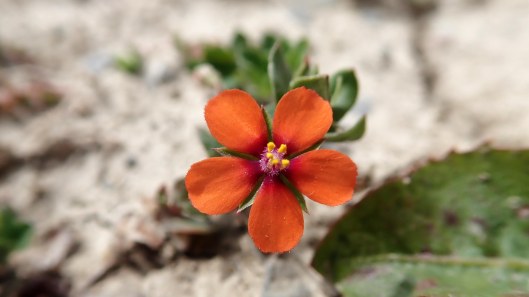
180531 7 Bird's foot trefoil180531 8 Bugle180531 9 Flax180531 10 Scarlet pimpernel

While doing that, I found an interesting little critter mooching around on some leaves (it looked like a weevil without a long snout but I haven’t positively identified it), and I spotted my first cuckoo spit of the season (I just know you’ll be delighted with that find!).

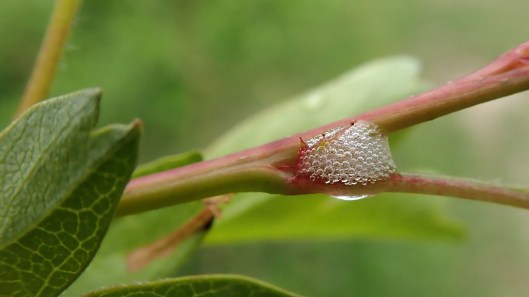
180531 11 snoutless weevil lookalike180531 12 cuckoo spit

15 May  A brief walk through on my way home from Lavernock. I wandered along the edges of Sully brook and then, once again, stopped for a few minutes at the dipping pond. The bad news was that mother Mallard only had one duckling remaining – fingers crossed it makes it to adulthood. The good news was that I saw my first damselflies for the year – both Azure and Large reds were out in numbers.

180531 13 Azure damselfly
180531 14 Large red damselfly

17 May  I passed through Cossie again, this time on my way home from Sully. A Common whitethroat was showing well in the reeds near the cafe, and a Coot was shepherding her three young offspring around the west lake. The chicks were well developed, which bodes well for their survival.

180531 15 Common whitethroat180531 16 Ma Coot and 3 offspring

20 May  This time my 3-hour mooch was all concentrated at Cosmeston. I went early to avoid the Sunday crowds and the scorching sun, and walked the east and west paddocks from one end to the other and back again, along the various trails. I was looking particularly for orchids but saw only leaves, a few with the stalks of flower buds just emerging, and for butterflies. The Dingy skippers and Common blue butterflies were out in good numbers, and it was a pleasure to watch them flitting to and fro.

180531 18 Dingy skipper
180531 17 Common blue

24 May  I went early again to Cosmeston but not early enough, as the rain came in almost as soon as I arrived and I didn’t have a coat with me. I lingered long enough to enjoy the glorious Hawthorn blossom that covers the hedgerows like summer snow, before striding quickly homewards.
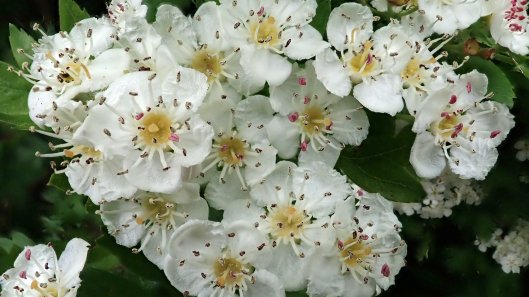

180531 19 Hawthorn blossom

Like Loading...

The elegant Eider

30 Wednesday May 2018

Posted by sconzani in birds, nature

≈ 1 Comment

Tags

birding, birdwatching, British birds, Eider, Eider duck, Farne Islands, nesting Eiders

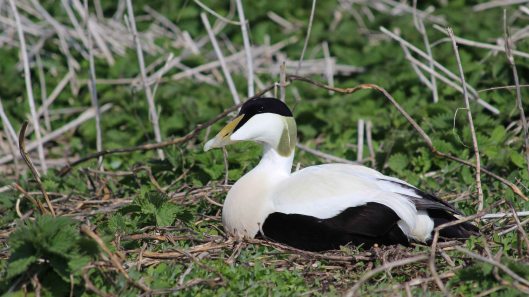
I am now almost ashamed to admit that, as a child, I had an eiderdown on my bed, to keep me warm during the frosty Waikato nights. If you don’t recognise the name, an eiderdown is a quilt stuffed full with the breast down of the female Eider duck. It was certainly very warm and cosy but these days I couldn’t even contemplate owning such a thing, especially after enjoying my first Eider encounters recently in Northumberland.

180604 Eider (4)

I saw my first while enjoying a fish-and-chip-supper-by-sunset by the harbour in Seahouses, where Eiders were just metres away. That’s also where I first heard their fantastic call – so that’s where comedian Frankie Howerd got his inspiration! (Here’s a link to a youtube video – not mine – if you don’t know what I mean.)

180604 Eider (5)
180604 Eider (6)

180604 Eider (2)

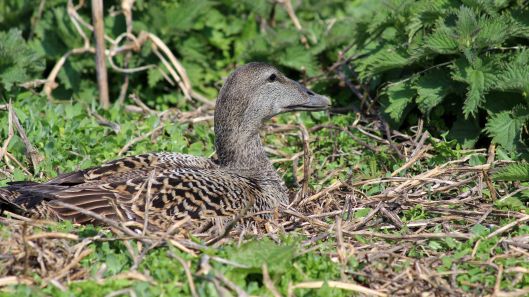
We also encountered Eiders during our trip to the Farne Islands, some so perfectly camouflaged / hidden amongst the vegetation that the local rangers had marked their nesting sites with sticks.

180604 Eider (3)

As usual in the bird world, the male birds are the most colourful, and look very handsome in their black, white (with a pink blush) and light green, but, personally, I prefer the delicate hues and intricate patterning of the females. They are both very elegant birds.

180604 Eider (1)

Like Loading...

First, soak your pellet

29 Tuesday May 2018

Posted by sconzani in birds, mammal, nature

≈ Leave a comment

Tags

Barn owl pellets, bird pellets, birding, British birds, dissecting pellets, Field voles, mammal bones, voles bones

If you’d told me 5 years ago that I would one day google ‘How to dissect owl pellet’, I would’ve laughed in your face, but guess what I did today? Three pellets were very kindly sent to me, at my request, by an understanding friend. What can I say? I was curious! I was curious to see what the owl had been eating. (And I must ask my friend what his reply was when the Post Office staff asked what was in his parcel.)

180529 owl pellets (2)180529 owl pellets (3)

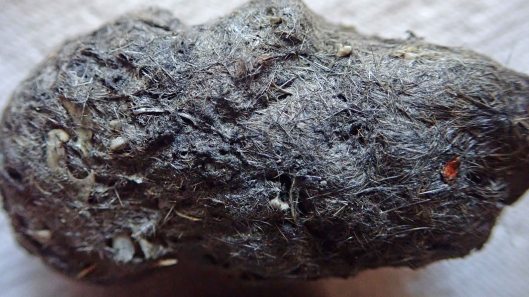
Here is what I received, and a look at the external features. Are they tiny teeth? What is that bone? The pellets have been dried and are very light and look to be full of fur.

180529 owl pellets (5)
180529 owl pellets (7)

Just to be clear, an owl pellet is not pooh. Owls usually swallow their prey whole or, if it’s too large, then in big chunks. The food gets broken down in the gizzard, then digested in the stomach but the more solid, indigestible bits like fur and bone get compacted into pellets in the gizzard and are then ejected. So, a pellet will usually contain whole bones, sometimes whole skulls, which can be used to find out what the bird has been eating.

180529 owl pellets (4)

According to the instructions I found on Discover Wildlife.com:

  • To see what is in an owl pellet, soak it in water. When soft, gently tease it apart with forceps.
  • Slowly pick out all of the bones and bits of insect and put to one side for identification.
  • Count everything – you may only have one skull but three lower jaws, so check carefully to see how many animals are represented in the pellet.

180529 owl pellets (8)

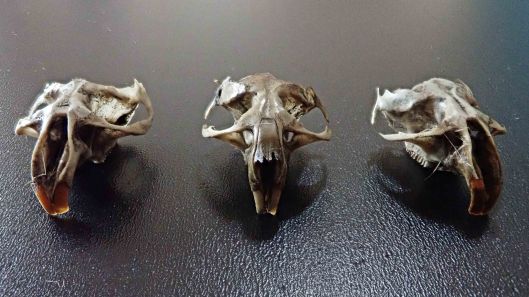
I have now dissected all three pellets, leaving me with a pile of fur and a ton of tiny bones. It was fascinating stuff and I felt a bit like an archaeologist, teasing away the unwanted material from around the fragile bones. Everything has now gone in to soak in biological washing power (as per another website I found) (the enzymes in biological powder should help remove the small bits of fur and ‘other matter’) to clean the bones (bone collectors would probably use hydrogen peroxide at this point but I don’t plan on making a hobby of this so haven’t bought any chemicals). At a glance, I think the bones are mostly of Field voles but there is also one Common shrew. I’ll report back on the findings, with photos of the bones, in a few weeks.

Field vole skulls

Like Loading...

My favourite Sedge warbler

28 Monday May 2018

Posted by sconzani in birds, nature

≈ Leave a comment

Tags

Acrocephalus schoenobaenus, birding, birdwatching, British birds, Sedge warbler

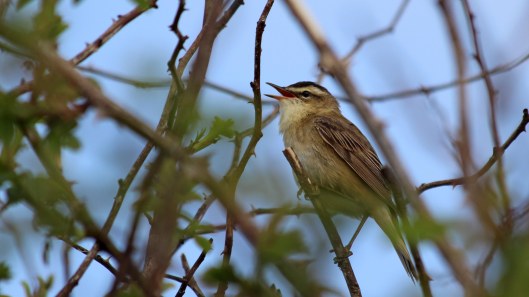
A friend asked me recently what my three favourite birds were from my recent birding trip: I think she was a little surprised by my answer. Number one, not surprisingly, was the Puffin – so beautifully marked, so much character; number two was the Glossy ibis – I loved that we got such close views and were able to observe its behaviour; and number three was this little bird, the Sedge warbler (Acrocephalus schoenobaenus).

180528 sedge warbler (1)

Though usually very vocal, often loudly so, they are more often heard than seen, and I’d only had brief glimpses of Sedge warblers hiding amongst reed beds before this trip.

180528 sedge warbler (2)
180528 sedge warbler (3)
180528 sedge warbler (4)
180528 sedge warbler (5)
180528 sedge warbler (6)
180528 sedge warbler (7)

So, having the opportunity to see this little bird at very close quarters and listen to him belting out his song, intent on advertising himself to any potential mates and stake his claim on his little bit of the planet, oblivious to the likes of me and others taking his photo, and watching and listening intently to him, was pure dead brilliant!

180528 sedge warbler (8)

Like Loading...
← Older posts
Newer posts →

About me

sconzani

sconzani

I'm a writer and photographer; researcher and blogger; birder and nature lover; countryside rambler and city strider; volunteer and biodiversity recorder.

View Full Profile →

Follow earthstar on WordPress.com

Enter your email address to follow this blog and receive notifications of new posts by email.

Recent blog posts

  • NFY: Orange-tip April 20, 2026
  • All the yellows April 19, 2026
  • Spider: Dysdera crocata April 18, 2026
  • Recent Reed buntings April 17, 2026
  • Tiny but feisty April 16, 2026

From the archives

COPYRIGHT

Unless otherwise acknowledged, the text and photographs on this blog are my own and are subject to international copyright. Nothing may be downloaded or copied without my permission.

Fellow Earth Stars!

  • Unknown's avatar
  • Unknown's avatar
  • Unknown's avatar
  • Unknown's avatar
  • Unknown's avatar
  • Unknown's avatar
  • Unknown's avatar
  • Unknown's avatar
  • Unknown's avatar
  • Unknown's avatar
  • Unknown's avatar
  • Unknown's avatar
  • Unknown's avatar
  • Unknown's avatar
  • Unknown's avatar
  • Unknown's avatar
  • Unknown's avatar
  • Unknown's avatar
  • Unknown's avatar
  • Unknown's avatar
  • Unknown's avatar
  • Unknown's avatar
  • Unknown's avatar
  • Unknown's avatar
  • Unknown's avatar
  • Unknown's avatar
  • Unknown's avatar
  • Unknown's avatar
  • Unknown's avatar
  • Unknown's avatar
  • Unknown's avatar
  • Unknown's avatar
  • Unknown's avatar
  • Unknown's avatar
  • Unknown's avatar
  • Unknown's avatar
  • Unknown's avatar
  • Unknown's avatar
  • Unknown's avatar
  • Unknown's avatar
  • Unknown's avatar
  • Unknown's avatar
  • Unknown's avatar
  • Unknown's avatar
  • Unknown's avatar
  • Unknown's avatar
  • Unknown's avatar
  • Unknown's avatar
  • Unknown's avatar
  • Unknown's avatar

Blog at WordPress.com.

Privacy & Cookies: This site uses cookies. By continuing to use this website, you agree to their use.
To find out more, including how to control cookies, see here: Cookie Policy
  • Subscribe Subscribed
    • earthstar
    • Join 642 other subscribers
    • Already have a WordPress.com account? Log in now.
    • earthstar
    • Subscribe Subscribed
    • Sign up
    • Log in
    • Report this content
    • View site in Reader
    • Manage subscriptions
    • Collapse this bar
 

Loading Comments...
 

You must be logged in to post a comment.

    %d