Old man, elegant ballerina

Tags

, , ,

I’ve had two close encounters with Grey herons in recent days, this first in a tree near the bridge between the lakes at Cosmeston Country Park (which is why I was at eye level with the bird).

221006 grey heron (1)

The second was along the canals in Cardiff, the bird this time standing on a log at water level. When I posted this photo on Twitter one of my followers commented that she thought the heron could ‘change from an old man to an elegant ballerina depending on stance’ – thank you, Jane. I think she was absolutely right – the bird above is the elegant ballerina, and below is the grumpy old man.

221006 grey heron (2)

Beach butterflies

Tags

, , ,

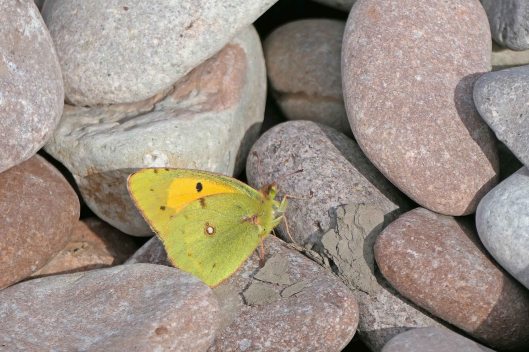
I went to Sully beach on Monday specifically to look for the two Grey plovers that have been frequenting the waterline on and off in recent days. (I saw them but too distantly for good photos – I’ll try again when the tide is higher, so may yet post about them.) What I did not expect to see was two – or perhaps, three – Clouded yellows along the beach. I only managed to get photos of two so can’t confirm the third sighting was a different individual – they fly so fast, one could easily have passed me! Doesn’t their amazing yellow pop against the colour of the beach pebbles?

221005 clouded yellow

Very late, very little

Tags

, , , , ,

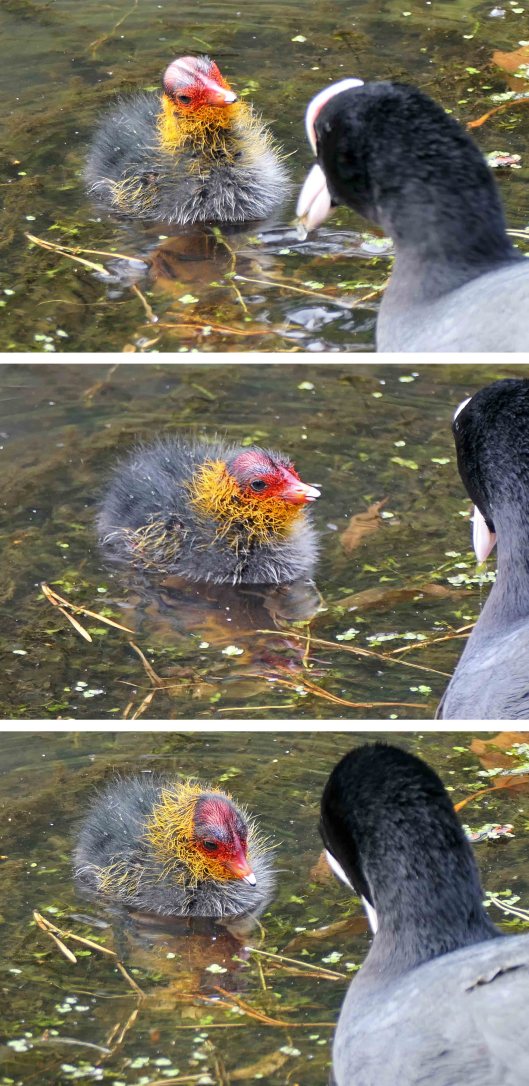
I spotted this gorgeous little Coot chick (I call them Cootlets) during last Wednesday’s walk around Cardiff’s Roath Park Lake. It seemed very late in the breeding season for one so young and I couldn’t help but wonder whether it could survive. But it had the full attention of both its parents, so fingers crossed!

221004 cootlet

Leafmines: Phyllocnistis saligna

Tags

, , , , , ,

A new month, a new leafmine challenge, and it’s got off to a very successful start for me. But let’s start at the beginning …
Our locally based Senior ecologist with Butterfly Conservation, George, kickstarted the challenge with a couple of tweets and some photos last Friday evening:

Ok #TeamLeafmine here’s another recent S. Wales colonist to look for; an easy one to identify too. Phyllocnistis saligna mines narrow-leaved willows, unusual because it mines both leaves & young stems. 3 recent records by the Taff in North Cardiff, must be out there elsewhere!

Cocoons are formed in a turned over leaf edge, see 3rd photo in original tweet. Quite a few Gwent records from the Levels and Monmouth/Abergavenny, also new to Carmarthenshire in 2021. Must be in & around Cardiff Bay! More info here: http://leafmines.co.uk/html/Lepidoptera/P.saligna.htm

221003 Phyllocnistis saligna (2)

I didn’t have any firm plans for Saturday’s walk so wended my merry way along the edges of the two local rivers, the Ely and the Taff. I soon realised that this challenge will be a little more difficult than previous ones, as narrow-leaved willows were few and far between and, when found, often inaccessible. However, I did manage to find mines in two locations along the River Taff, which has encouraged me to continue my search further up the river very soon. And, though I hope to find more mines, I doubt I’ll find one of the very lovely little adult Phyllocnistis saligna moths, the wonderfully named Willow bent-wings, which you can see on the UK Moths website.


OLYMPUS DIGITAL CAMERA

Acorn cupules

Tags

, , , , ,

‘The creation of a thousand forests is in one acorn.’ ~ Ralph Waldo Emerson

221002 acorns (1)

Though I knew that the presence (so, Pedunculate) or absence (no peduncle, so Sessile) of a stalk on the acorns of an Oak tree is how to tell those two species apart, I hadn’t really noticed before the differences in the ‘woolly hats’ (cupules) on the acorns of the various Oak species. Below are, firstly, the Pedunculate (or English) oak (Quercus robur), followed by the Holm (or evergreen) oak (Quercus ilex). I couldn’t find a Sessile oak acorn as they don’t grow along the south Wales coast – they prefer the cooler upland woodlands further north.

221002 acorns (2)

Great black-backed gulls

Tags

, , , , ,

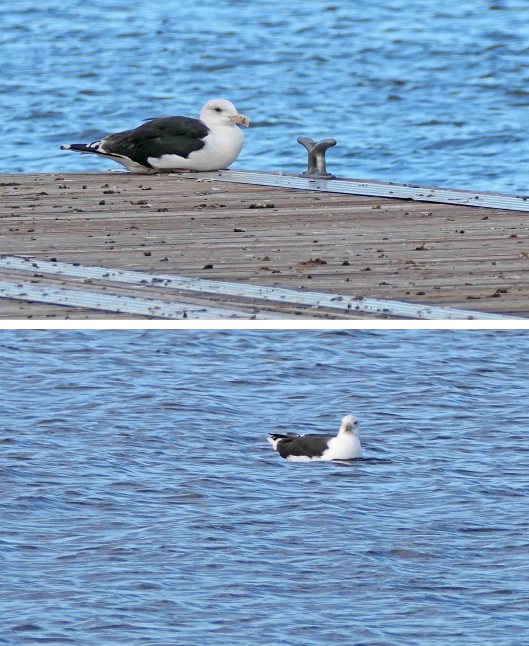
It’s not unusual to see Great black-backed gulls on the water in Cardiff Bay or on the mudflats outside the Barrage at low tide, so these two adults weren’t a great surprise (though I’ve not seen one sitting on a pontoon before).

221001 great black-backed gulls (1)

What was a surprise though was seeing this juvenile. Initially, I wasn’t sure what it was – I figured it wasn’t a Herring or Lesser black-backed gull as it was larger, had different markings on body and wings, and a markedly different head shape. I thought perhaps it was a Yellow-legged gull until, most fortuitously, I bumped into a local gull expert who was able to identify the bird from looking at the photos on my camera. My first juvenile Great black-backed gull, I think.

221001 great black-backed gulls (2)

Twig parachutes

Tags

, , , ,

It’s some months since I last visited Cardiff’s Heath Park but, as I was in the area on Wednesday for my latest Covid booster jab, I took the opportunity for a meander. When I lived locally, I found the park’s woodland to be a good location to hunt for fungi, though I did think it had probably been too dry for much to appear. And so, I count myself particularly lucky to have spotted these tiny mushrooms on dead bramble branches. I’m fairly sure these are Twig parachutes (Marasmiellus ramealis).

220930 Marasmiellus ramealis

Mapping Ivy bees

Tags

, , , , ,

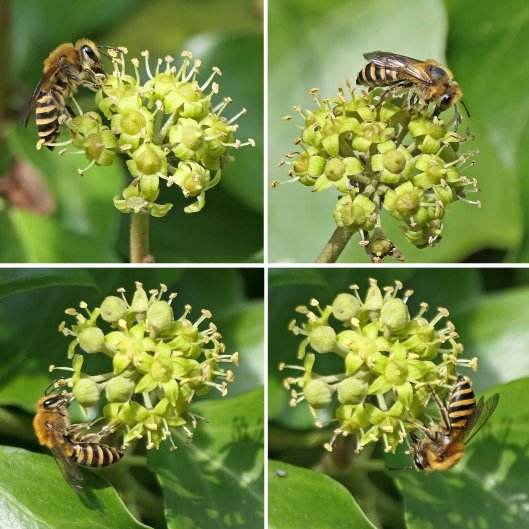
From its first sighting in Dorset the Ivy bee (Colletes hederae) has spread to cover much of England south of a rough line from Nottingham to Norfolk, with scattered sightings in the north of England and just one verified record in Scotland thus far. There have also been verified sightings around most of coastal Wales, though the rugged Welsh hinterlands remain unconquered by this handsome little bee, as do large parts of inland Devon. Considering the first confirmed record of Colletes hederae in Britain came just 21 years ago, it’s an impressive colonisation effort. You can see the latest map on the NBN Atlas website here, and you can contribute to the BWARS mapping project here.

220929 ivy bees

Beaky Starling

Tags

, , , , ,

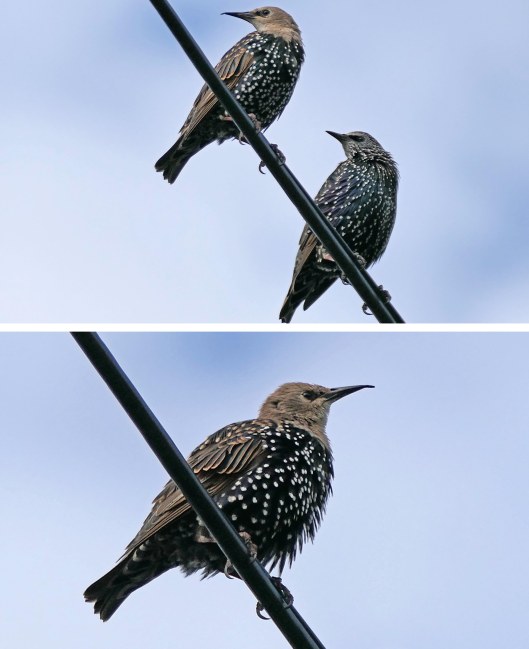
I spotted these two Starlings, perched on a phone line, during a recent walk and, delighting in their beautiful speckled colouring and grateful that they stayed still, took a few photos. It was only when I reviewed the photos later at home that I noticed the juvenile bird, whose head feathers were still a dull brown, had a deformed beak. Fortunately for the bird, the deformity appeared slight so shouldn’t affect its ability to feed.

220928 beaky starling

Green-veined whites

Tags

, , , ,

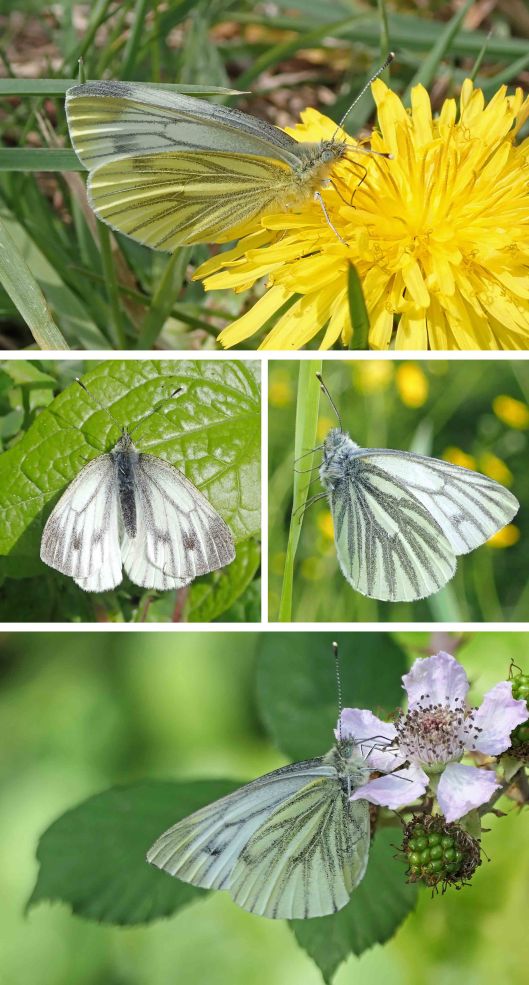
I don’t know what it’s like where you are but there seem to be gazillions of Small white butterflies around here at the moment, which is why, when I noticed a single Green-veined white butterfly, it stood out like a sore thumb. And then it occurred to me that I hadn’t really covered the various whites much on the blog this butterfly season. So, before all the butterflies fade away for the year, I am going to remedy that, and I will start by showcasing the Green-veined whites (Pieris napi), which are so much easier to identify precisely because of their ‘green veins’, which, the UK Butterflies website reminds me, are not actually green at all but rather ‘an illusion created by a subtle combination of yellow and black scales’. And here they are …

220927 green-veined white