Hitchhiker

Tags

,

Something flitted close past my ear, pulling my hair, making a low thwack sound. I rubbed my neck, threaded my fingers through loose strands of hair, thinking an insect had landed on me … nothing. I pulled off and checked my cap … still nothing. Thirty minutes or so later, as I had finished my meander around the park, I took off my backpack to put my camera away and found this hitchhiker, a Caddisfly.
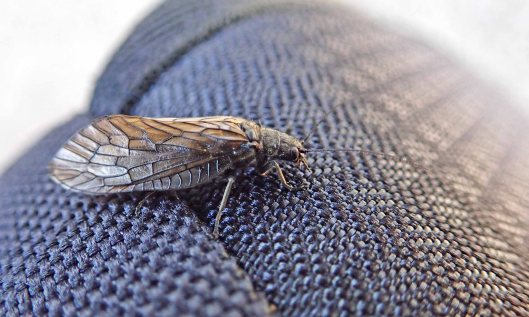
210426 caddisfly (1)

Even as I unzipped my bag to get my macro camera, it remained motionless. I got down within inches of its face and took several photos, yet still it didn’t move. Eventually, wanting to get it off my backpack, I had to poke it gently with my finger and even then it just climbed on to my finger and moved slowly around my hand. I don’t think it was injured at all, just remarkably laid back about human contact. Finally, I managed to persuade it to climb on to a nearby bush where it could snooze in the sun in peace.

210426 caddisfly (2)

Ash burst

Tags

, , , , ,

First, the black buds split open to reveal their furry brown inner parts.

210425 ash flowers (1)

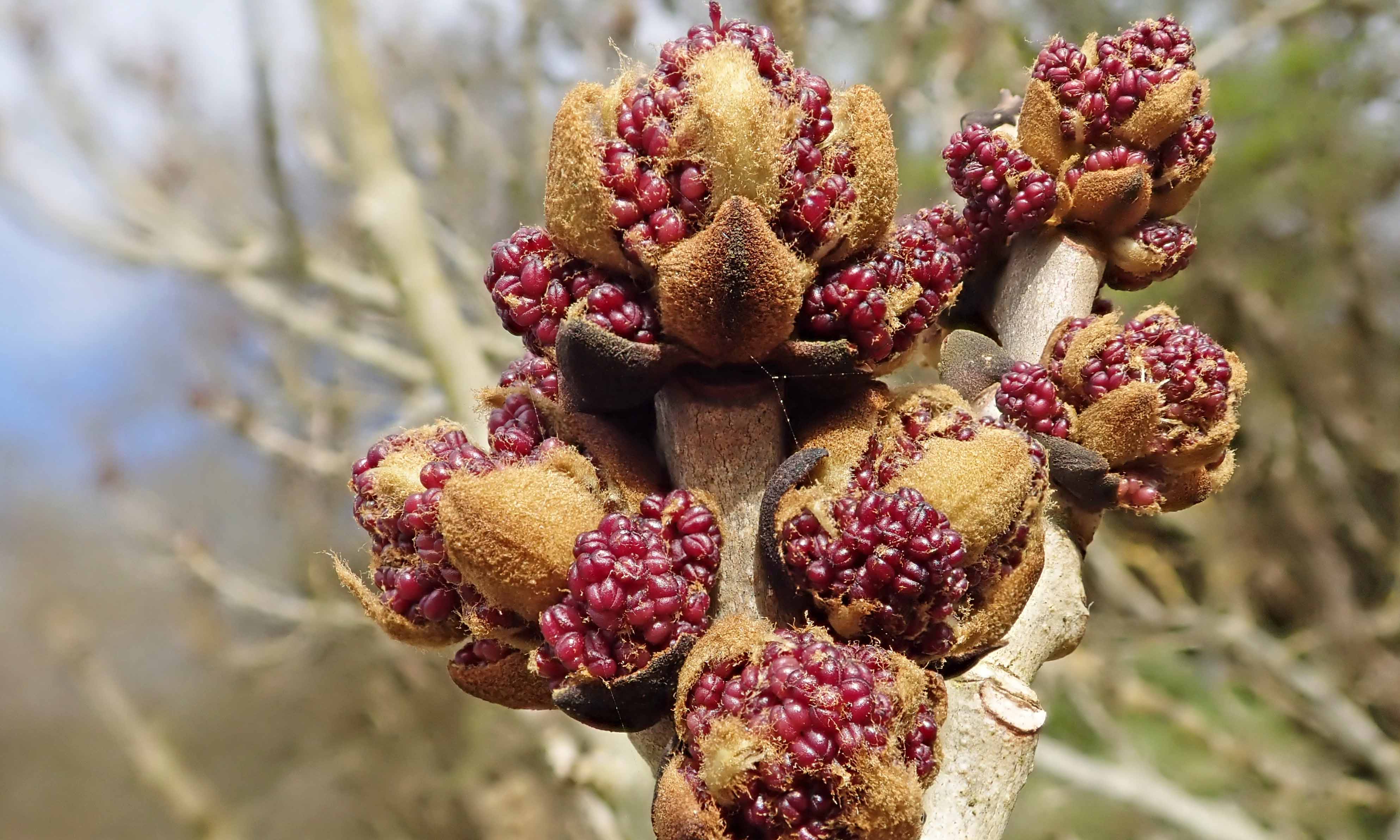
Next, those brown furry parts burst open to reveal luscious purple ‘berries’.

210425 ash flowers (2)

And finally, those purple berries transform – they’re not berries at all, of course, they’re the tips of the anthers of the spiky flowers that grow at the end of the twigs and branches.

210425 ash flowers (3)

This is an Ash tree (Fraxinus excelsior), and they have a very complicated but fascinating reproduction system, which I didn’t know about when I took my photos – you can read all about it on the Tree Guide UK website here.

A Dingy surprise

Tags

, , , , ,

Well, this was a surprise! My first Dingy skipper of 2021 flitted up from the ground as I walked a path at Cosmeston Lakes Country Park yesterday, settled briefly nearby, then floated off and promptly disappeared. Luckily, I managed to fire off a couple of quick shots, and I think these show how easily this little butterfly can ‘disappear’ in the landscape – it’s incredibly well camouflaged.

210424 dingy skipper

In my five and a half years in Britain, this is the earliest I’ve seen a Dingy skipper by at least a week, and my average first sighting has been a little later still, around the tenth of May. I presume our recent warm dry weather has led to these butterflies emerging earlier than usual, though the lack of rain could be an issue for them as the ground is very dry and the usual flush of spring wildflower growth delayed.

The Blackthorn is buzzing

Tags

, , , , ,

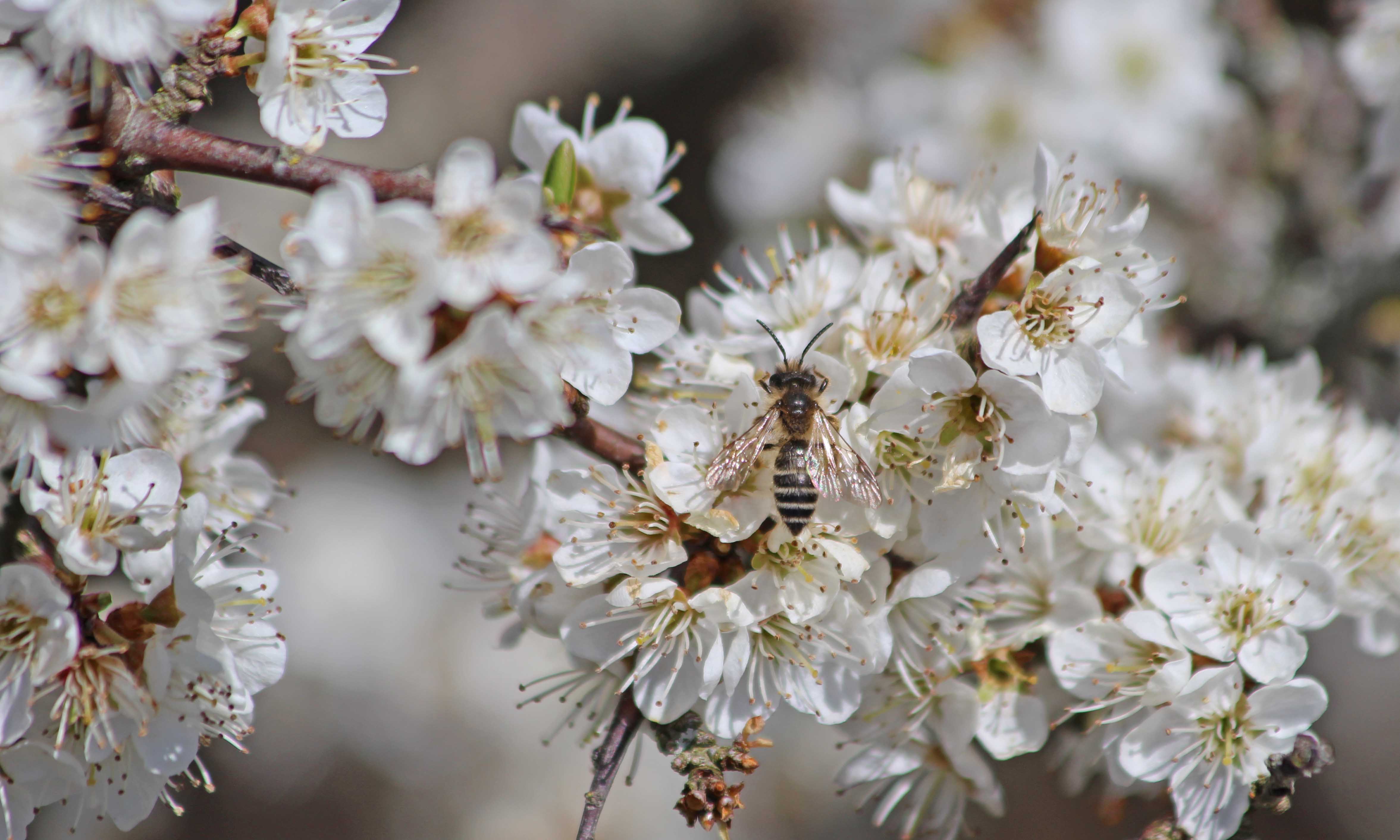
210420 8 bee sp

Flies and hoverflies, bumbles, bees and butterflies – all love feasting on Blackthorn blossom as much as I love watching them enjoying its bounty. And the blossom itself is so blindingly white it’s like a springtime snowfall when the petals fall to the ground.

Shieldbugs on gorse

Tags

, , , , , , ,

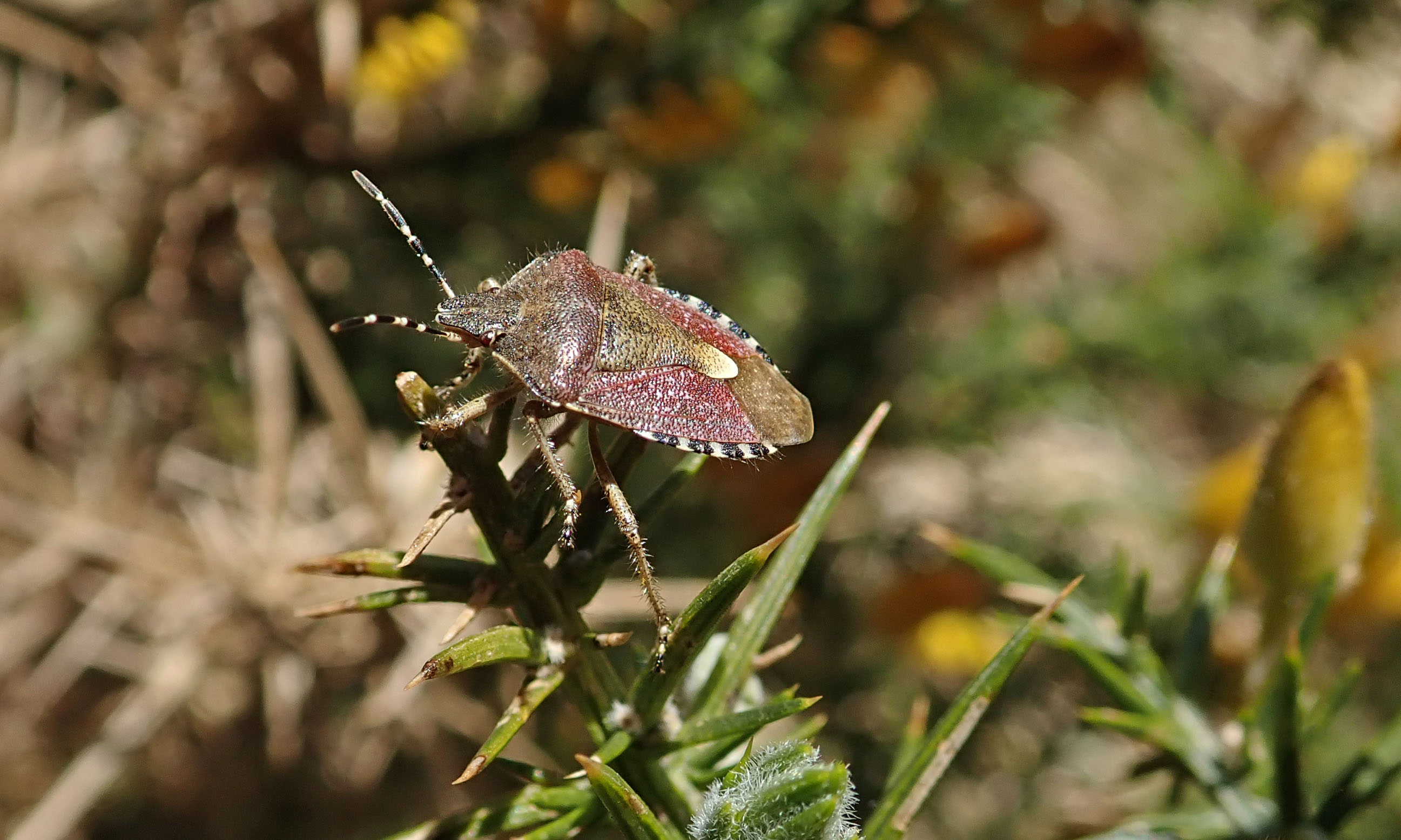
I had expected to find Gorse shieldbugs on these glowing gorse bushes (the clue’s in the name) but, in fact, the most numerous were the Hairy shieldbugs (of which there must have been at least 20).

The Gorse shieldbug (Piezodorus lituratus) (above left) looks very like a Common green shieldbug but its red antennae are a distinctive identification feature. The Hairy shieldbug (Dolycoris baccarum) (above right, and below) is a much more colourful character, a stylish combination of purple-brown and green, and it also has distinctive antennae, this time three white bands on a black base.

210422 hairy shieldbug (2)

The blues are back

Tags

, , ,

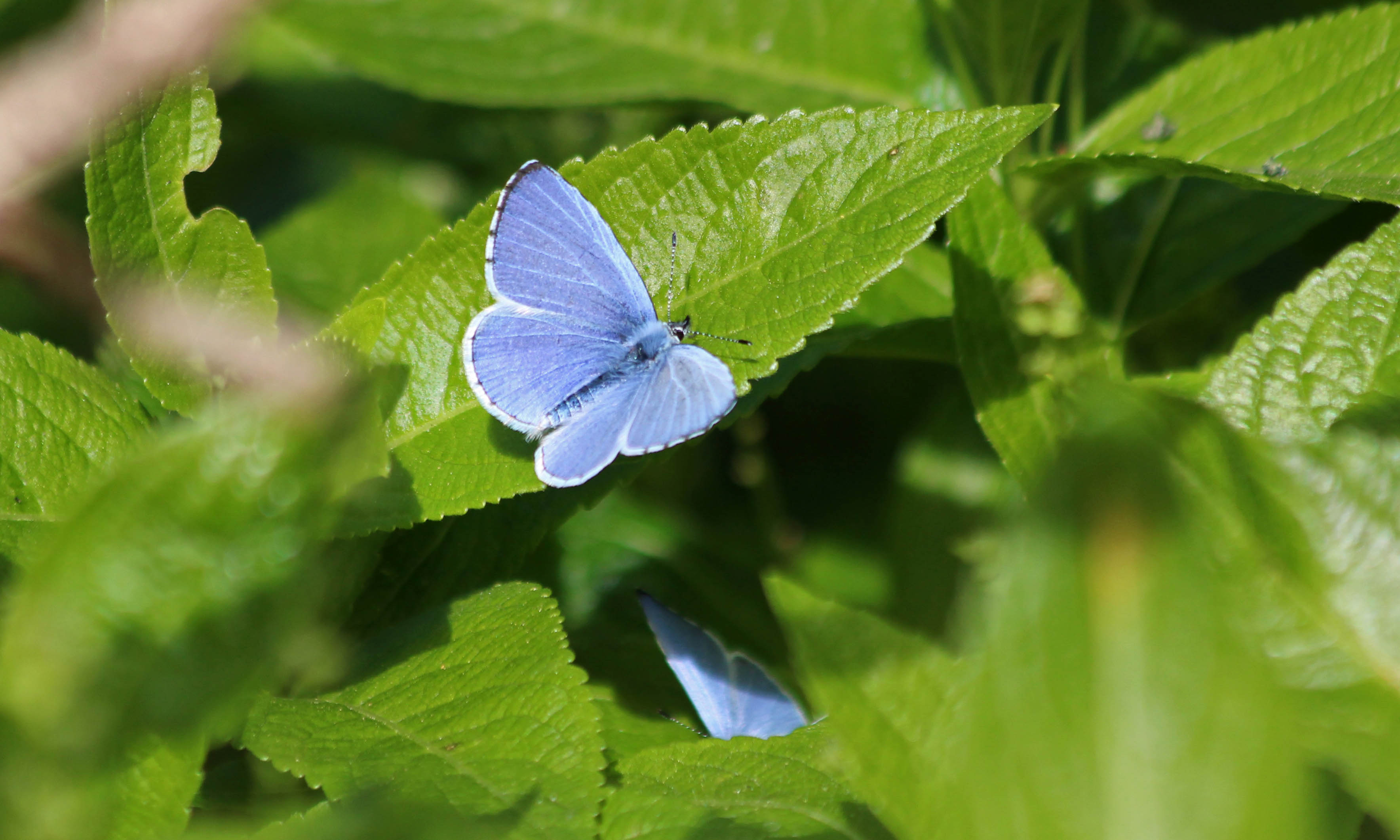
There’s something quite startling about a tiny blue creature flying through your field of vision – it’s certainly eyecatching. I saw my first Holly blue of the year during Sunday’s meander but that one didn’t linger for a photograph. Yesterday, in a location where I didn’t see any last year, they were like buses – I saw four in total, including these two that floated in together.

210421 holly blue

Bonaparte’s gull

Tags

, , , ,

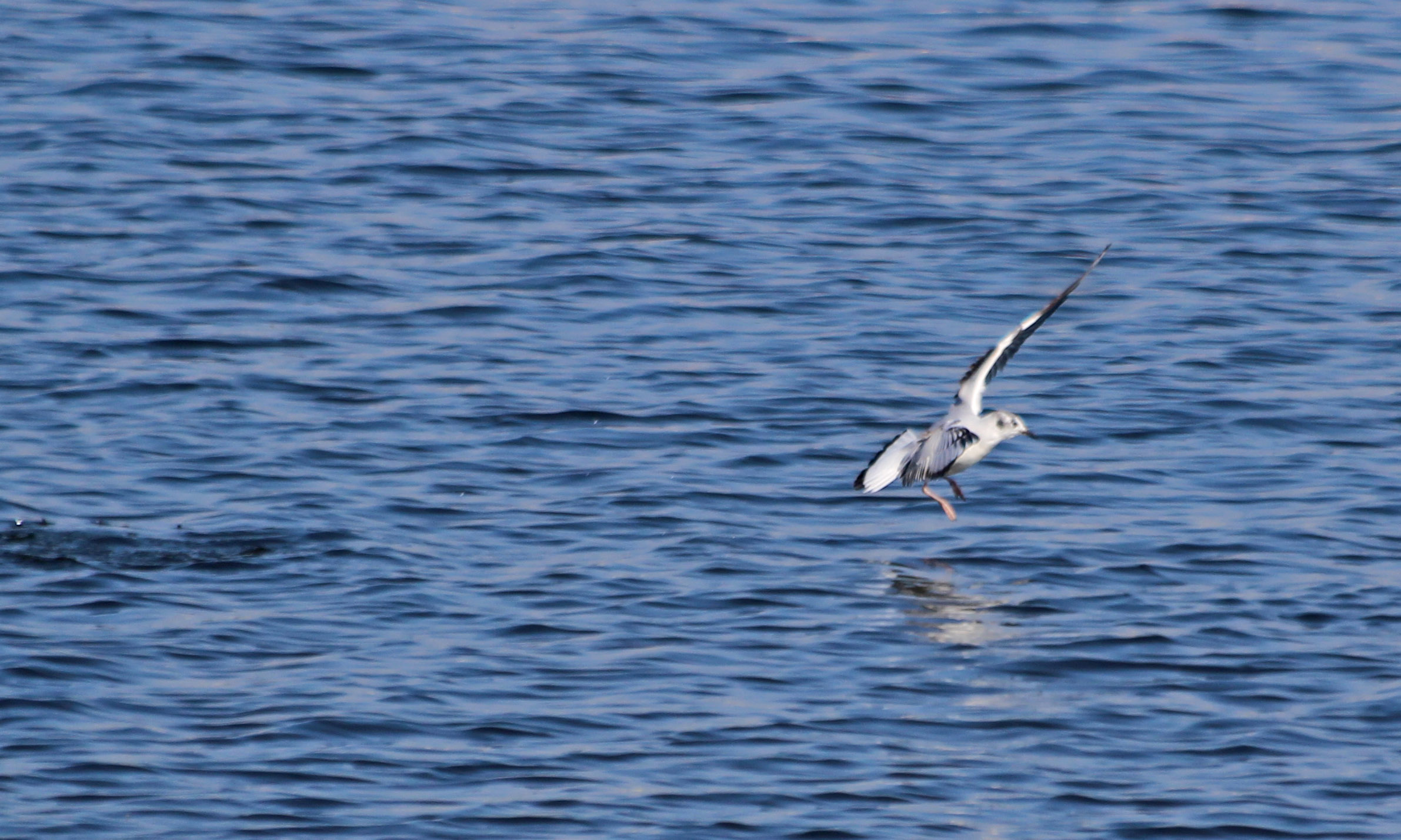
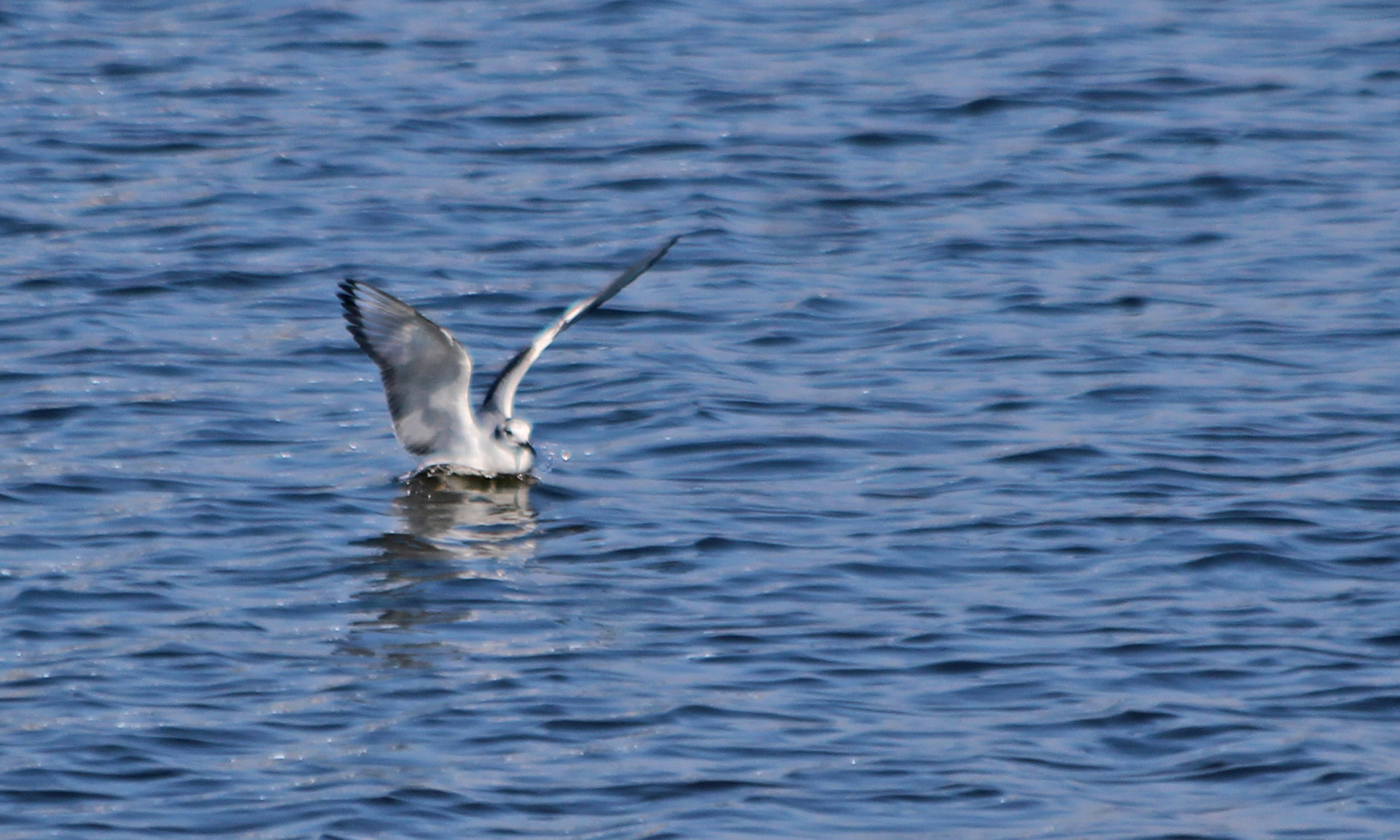
Identifying gulls, especially immature gulls, can be a nightmare so I was very chuffed with myself this morning when I managed to work out which of the many gulls floating and flitting around Cardiff Bay was the 2cy Bonaparte’s gull (2cy is birding shorthand for the bird’s age – this is the second calendar year since the bird’s birth).

210420 bonapartes gull (1)

This sighting was a lifer for me, and it was the 100th bird species I’ve managed to see on my patch this year (my patch being as far as I can walk in any direction from home, an approximate distance of five miles as the bird flies – bearing in mind I then have to walk the same distance home again!).

210420 bonapartes gull (2)

Wild in the woodland

Tags

, , , , , , , , , ,

I thought for this week’s Sunday wildflower post, I’d take you on a walk through parts of my local woodlands to show you some of the gorgeous plants a’blooming there at the moment. There are other wildflowers too, of course – Primroses, Violets, Dog’s-mercury, etc – but my video features Wild garlic, Opposite-leaved golden saxifrage, Wood anemone, Herb-paris, Lesser celandine, Moschatel and Bluebells.

An empty cocoon

Tags

, , , , ,

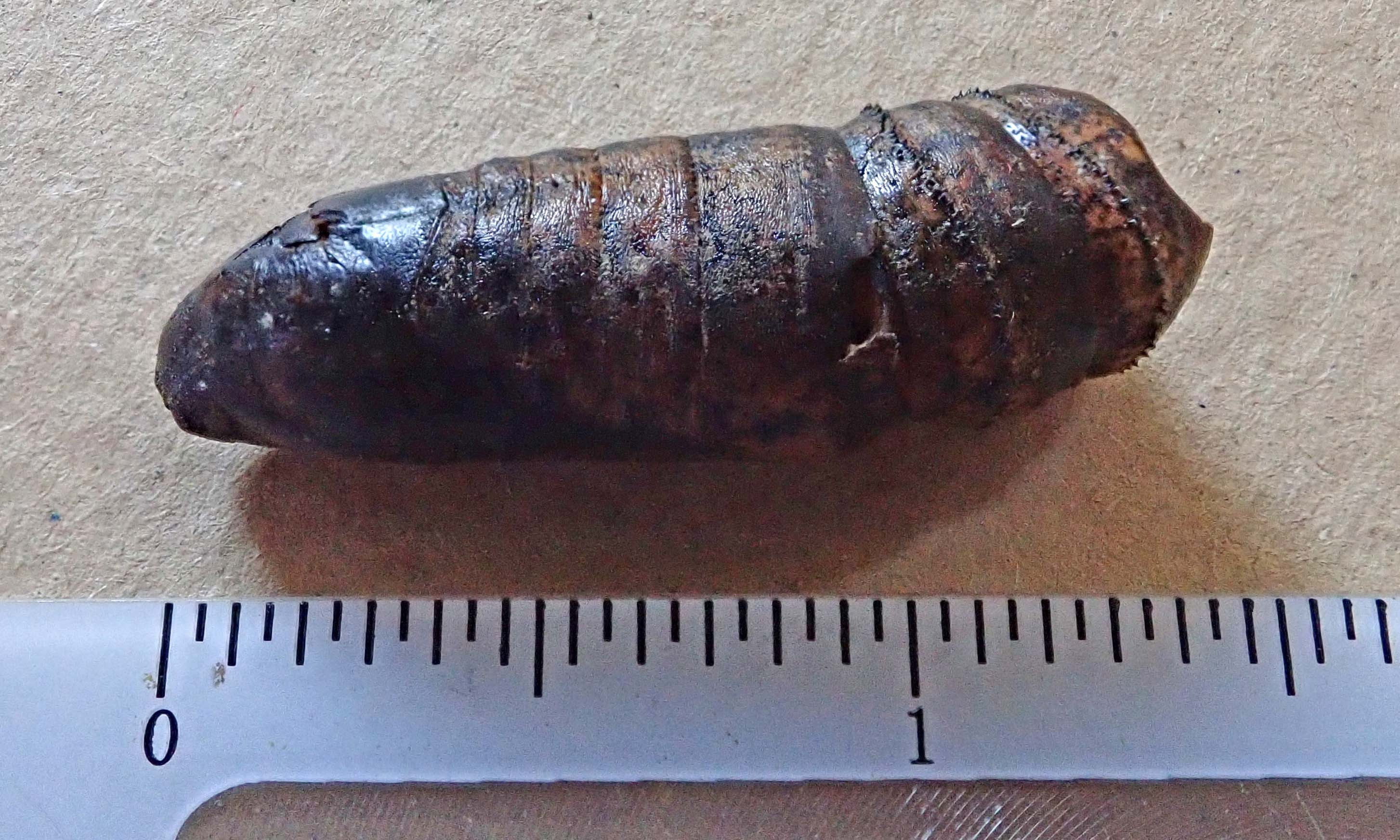
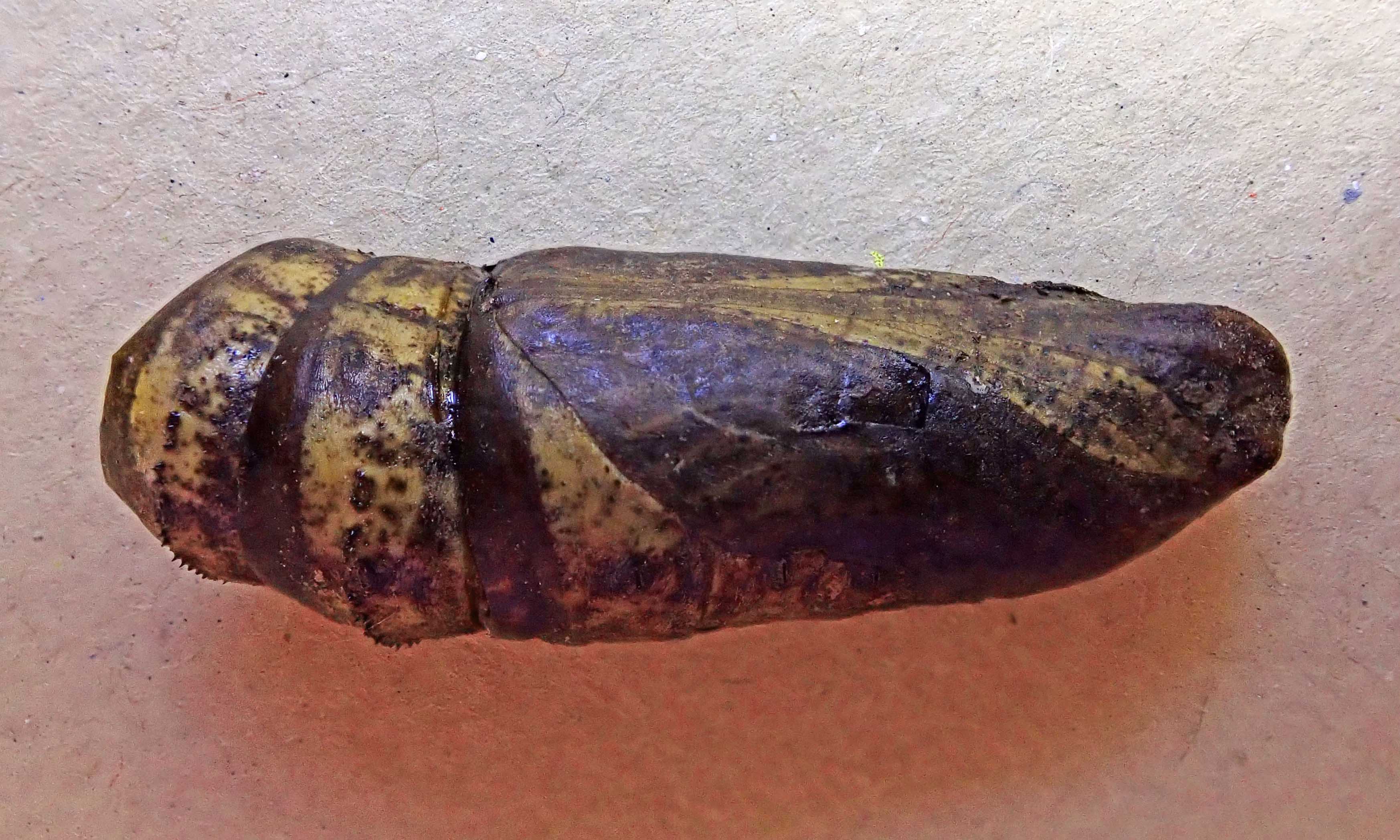
I must admit that, at first sight, this object, which was lying on a dirt path in a paddock in my local country park, had me completely baffled. I even poked it with the toe of my shoe, thinking it might be poo. But, once I looked closer, I could see the outline of wings and realised it was an empty cocoon. But of what?

210417 cocoon (1)

Once I got home, I checked through the pupa images on Peter Eeles’s excellent UK Butterflies website but nothing seemed to fit. So, I posted photos of my find on Twitter and asked the man himself for help. Peter very quickly identified the cocoon as that of an Elephant hawk-moth (Deilephila elpenor), a beautiful creature that I’ve not yet seen (click on the moth’s name to see a picture on the UK Moths website). At least now I know they can be found nearby.

210417 cocoon (2)