Moorhen chickadees

Tags

, , , , ,

I thought we’d end the week with a massive dose of cuteness, with this gorgeous family of Moorhens I spotted yesterday in Cardiff’s Bute Park. At first, there were four tiny chicks, dwarfed by the huge Gunnera leaf on which they were standing.

Then a fifth chick appeared from behind the leaf and strode purposefully up the side of the Gunnera, standing with its massive feet apart, peering along the canal as if it was the nominated lookout searching for their Moorhen parents.

Seconds later, one of the parents appeared with a nibble of food. Although only one chick benefitted from that, they all seemed to realise that they needed to follow that parent if they had any hope of getting fed themselves so hopped one at a time into the water, paddling frantically to keep up. They were so very cute to watch.

Red-veined darter

Tags

, , , , ,

Last week I celebrated my tenth anniversary of life in Wales with a lovely long walk around the local areas I’ve come to know so well. And, almost as if Nature was gifting me an anniversary present, this gorgeous creature flitted up from the grass next to the path in front of me, before settling again very near to me. I knew immediately, from the half blue eyes, that this was something special.

This is a Red-veined darter (Sympetrum fonscolombii). As you can see, it’s neither red, nor does it have red veins in its wings. The dragonfly is named for the colouring of a mature male but this golden beauty is an immature dragonfly, which you can tell from the black collar across the front of its thorax. I think it’s a male but my photos don’t show enough detail to be sure.

Red-veined darters are migrants from southern Europe. They are reasonably common in southern Britain but the numbers vary from year to year, presumably depending on conditions in Europe and on the weather conditions – warm southerlies or sou’easterlies would help them fly our way. I saw three in 2019, and, when I was comparing notes with one of my birding friends who also likes dragonflies, he agreed that, for some reason, that had been a bumper year for them. Neither of us has seen one locally in the six years since them, until now. I am, of course, hoping for more, especially as I’ve yet to see a strikingly vibrant male Red-veined darter.

Three shieldbug nymphs

Tags

, , , , , , , , ,

I’ve found some nice nymphs of our various shieldbug species during recent walks so thought I’d share a few of them. The nymphs almost always look quite different to the adults of the same species; if you’re unsure which shieldbug or which stage (instar) of nymph you’ve found, the British Bugs website has a page full of excellent drawings showing the various instars of all the British shieldbug species.

As this was only my fourth ever sighting of this species, I was particularly pleased to spot this Bronze shieldbug nymph (Troilus luridus), though it would have been difficult to miss as its metallic colours sparkled in the sunshine.

To illustrate how much these bugs change as they grow, I’ve included two photos of Hawthorn shieldbug (Acanthosoma haemorrhoidale), the top image shows early instar nymphs and below that is a mid instar nymph.

It was just a couple of months ago that I saw my first Juniper shieldbug (Cyphostethus tristriatus) and I wrote then (Juniper shieldbug, 3 June) that I was intending to return to the site to look for more, adults and nymphs. I did, and I have; this is one of two nymphs I found recently, a bug that’s just a stunning as the adult, in my humble opinion.

White grasshopper

Tags

, , , , , ,

Except, perhaps, for a post about local flora, this will be the last of my blogs about what delights of Nature I discovered during my recent visit to Weymouth, and this is definitely my most unexpected find, an all-white grasshopper. It didn’t have pink eyes so I don’t think it qualifies as albino but it was certainly unusual.

I wasn’t sure what type of grasshopper it was, as it’s a nymph not an adult, and they can be tricky to identify, but I received some valuable assistance from the National iRecord verifier for Orthopteroid insects when I posted a photo on social media. David wasn’t sure either at first but I used Photoshop to fiddle with the light and contrast in my image so as to show the features a little more clearly and, from that, David could tell: ‘There is a fair amount of kink in the side keel, shown pretty clearly … Given that it actually looks most like Field GH, that they are the ones likeliest to be nymphs now & that they are also one of the most variable spp, the chances of it being anything else are slim.’ So, Field grasshopper it is!

Just to illustrate how very unusual this creature was, here’s a photo of a normal Field grasshopper that I took just a few days ago.

Adonis blues

Tags

, , , , , , , ,

In classical antiquity, Adonis was celebrated as the epitome of male beauty. I presume, when writing in his publication British Butterflies in 1860, W. S. Coleman named this striking butterfly the Adonis blue, he considered it was the epitome of male beauty in the world of British butterflies. Though lacking the elaborate patterning of many British butterflies, the sheer brilliance of the colour of the male Adonis blue (Polyommatus bellargus) is breathtaking.

Fortunately for me, this butterfly has two broods each year so, though I missed the first in May-June, I timed my visit to Weymouth perfectly for the very start of the emergence of the second brood in August-September. I only managed to see two males, no females (which have chocolate brown upper wings, tinged with varying amounts of blue) but, as these sightings were only the third time I’d seen any Adonis blues, I was very happy indeed!

A confusion of Comfreys

Tags

, , , , , ,

In Flora Britannica, author Richard Mabey explains that Common comfrey (Symphytum officinale) hybridises freely with Russian comfrey (S. x uplandicum) and Rough comfrey (S. asperum), so I make no apology for not being able to be precise about today’s wildflower species. To further confuse the picture, White comfrey (S. orientale), an introduction from west Russia and Turkey, has become naturalised, and is commonly found in hedgerows and on waste ground in southern England. The combination of species certainly provides a wonderful mix of white, blues, lilacs and purples in the Comfrey flowers, which I noticed the bumblebees were particularly enjoying (the flower nectar, not the colours).

The Comfrey plants shown here was at RSPB Radipole in Weymouth, thriving in the reserve’s damp environment, growing beside the footpaths and along the edges of the reed beds.

You probably know that Comfrey is very commonly used in herbal medicine, especially in connection with healing open wounds, broken bones and severe bruising, hence its common names of Knitbone and Nip-bone. It contains Allantoin, a substance that encourages the healing of connective tissue, and Flora Britannica lists many reports from contributors of poultices being used to heal severe cuts, ease the severely bruised knees of miners, and assist with the knitting of broken bones. One of my grandmothers always grew Comfrey in her garden and would drink an infusion of the leaves to ease her sore back and aching limbs, though Mabey warns that Comfrey contains alkaloids that can cause liver damage, so infusions and tablets are now discouraged.

Radipole Reed warbler

Tags

, , , , , ,

Though the vegetation had been cut back along the pathways so I didn’t get to do my ‘Jane of the Jungle’ impression, my visits to the RSPB Radipole reserve were a little disappointing during last week’s visit to Weymouth. Unlike my June visit, when I saw two dragonflies I’d never ever seen before (Lifer: Norfolk hawker and Lifer: Scarce chaser), this time I saw just one dragonfly and it didn’t stop for a photo. On the birding front, activity had also diminished, though I did enjoy watching a Sedge warbler searching for food and feeding its young, and the sounds of young birds either keeping in contact with their parents or following them through the trees and reed beds were a constant accompaniment to my walks. My best image came from one of those moments, when this juvenile Reed warbler paused momentarily right in front of me.

Chalkhill blues

Tags

, , , , , , , , ,

It was six years since I’d last seen a Chalkhill blue so it probably comes as no surprise that I took rather a lot of photographs of these gorgeous butterflies during my two visits to Tout and King Barrow Quarries on the Isle of Portland, in Dorset, last week.

I decided it would be easier to share the best of these in the form of a video slideshow, and I’ve also included a few photos of the quarries to provide context and give an indication of the habitat in which these butterflies thrive. Tout Quarry has the added benefit of being an open air sculpture park, so it’s very easy to spend many hours there, delighting in both the natural beauty of the butterflies and the creativity of the sculptors.

Lodmoor’s distant birds

Tags

, , , , , , , , , , , ,

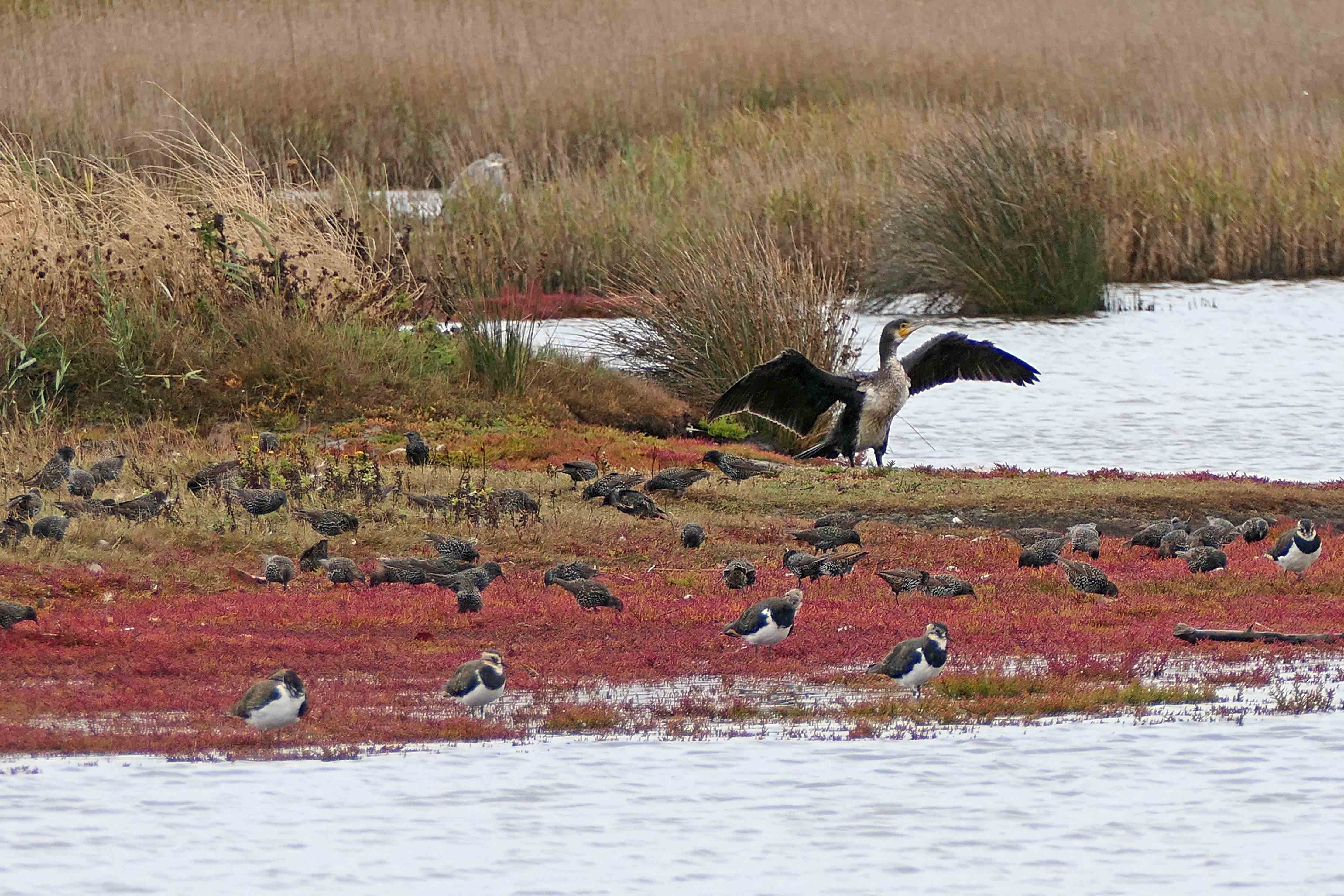
I wrote in Tuesday’s blog (Egrets, little and large) that I would share in a subsequent post more of the birds I saw during last week’s three visits to RSPB Lodmoor, and here they are. Most were quite distant but I thought it was worth documenting the wide variety of birds that can be seen at this wonderful reserve.

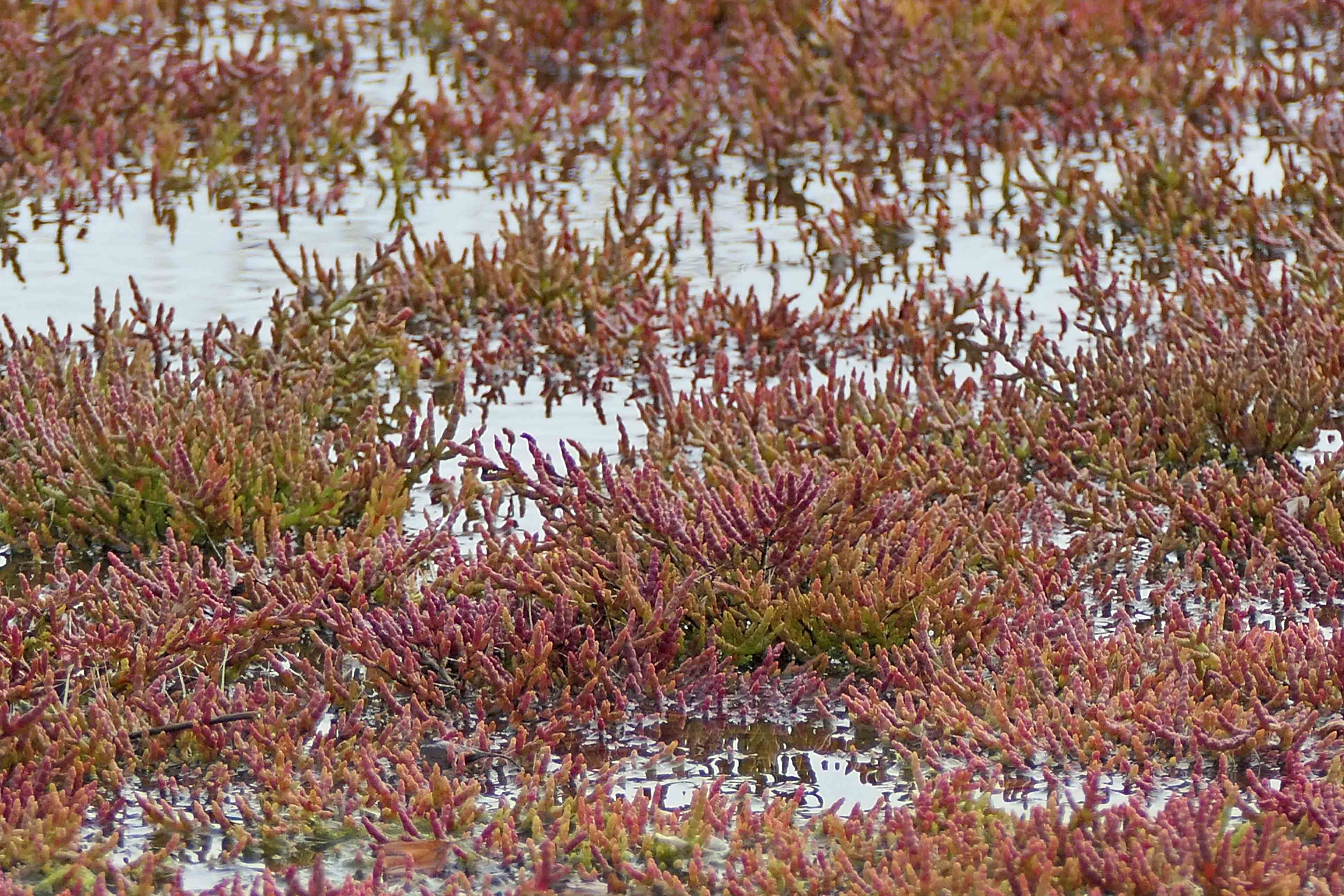
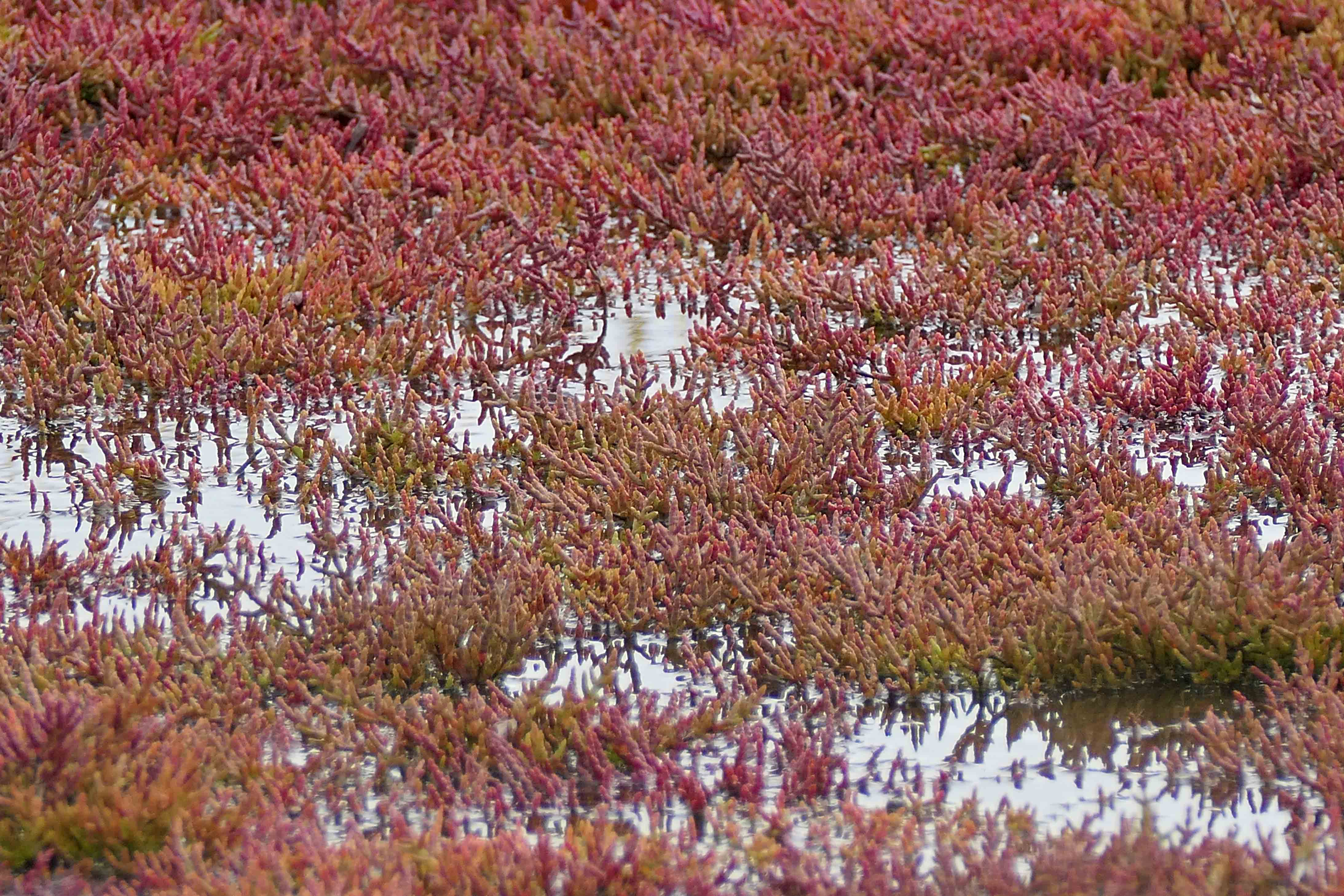
You may struggle to spot the two birds in this photo – they are sitting facing each other on the ‘beach’ area but their colours blend in rather well to the background. In spite of that, this was probably the standout sighting for me, as these are Bearded tits, and, given their sandy colouring, these were probably fledglings, the first ones I’ve seen.

Black-tailed godwit numbers increased from three on my first visit to Lodmoor to eight on my final visit, and numbers will likely continue to increase as these birds return from their breeding grounds in Iceland and continental Europe. You may just be able to spot some smaller birds amongst the shorter reeds in the foreground. These are Dunlin.

I blogged about seeing Breeding Common terns after my June visit to Lodmoor. This time the Common terns had almost all fledged, though one chick remained on one of the breeding platforms and several sat on the sand waiting for their parents to return and feed them. Above you can see two Common terns at the left of the frame but the two terns in the centre of the image are Little terns. These breed, in a specially protected area, on nearby Chesil Beach and, though I saw some there very distantly during my last visit, it was wonderful to see these two at a much closer distance. The birds in the background are a mix of Mediterranean and Black-headed gulls.

How gorgeous is this Lapwing? I think it’s a juvenile bird as it seemed curious rather than scared by my proximity on the path just across from where it was foraging for food, and I had read that Lapwings have bred on the reserve this year.

I was scanning the reeds for anything interesting when this stunning Marsh harrier flew up almost right in front of me. Bushes obscured it from view for a few minutes so I couldn’t get any better photos and, though it did a circuit around the far side of the reserve, it soon disappeared from sight once again.

Last but by no means least are two sandpipers. On the left is a Wood sandpiper, a bird I’d only ever seen once before and, though my picture only shows one, two birds frequented this pool all of last week. This species is only seen in Britain during Spring and Autumn as they move between their breeding grounds in northern Europe and their over-wintering locations in Africa, so I was particularly lucky to have synchronised my visit with their stopover. The bird on the right is a Green sandpiper, another bird I don’t see very often. Though they are known to frequent a river quite near where I live, it’s not a location I can easily access, plus they are very flighty birds, heading for the skies at the slightest suggestion of humans close by.

Wall butterfly

Tags

, , , , , , , ,

Wall seems such a bland name for this stunning butterfly, though the name does describe where it’s often to be found, sitting on a stone wall – or just a large boulder, soaking in the sunshine.

The UK Butterflies website gives a list of all the different names our butterflies have been given over the years; the Wall started out as the ‘Golden Marbled Butterfly, with Black Eyes’ – a bit of a mouthful but wonderfully descriptive, has been the ‘Great Argus’ and the ‘Orange Argus’, and also ‘Wall Brown’, a name many people still use.

I found my first Walls in six years in the quarries on the Isle of Portland last week, at Broadcroft Quarry Butterfly Reserve (which was actually quite a disappointing location as it is very overgrown and so not the ideal habitat for most butterflies), at King Barrow and Tout Quarries (both excellent).

Though it was once found at sites throughout Britain, the Wall has suffered a severe decline in population in recent decades, and is now restricted mostly to coastal locations. In Life Cycles of British & Irish Butterflies, author Peter Eeles explains that this seems to be due to the changing climate. The warmer summer and autumn temperatures can encourage the butterfly to attempt to breed a third generation, which subsequently fails to mature before the weather turns colder.