Galls: Aceria fraxinivora

Tags

, , , , ,

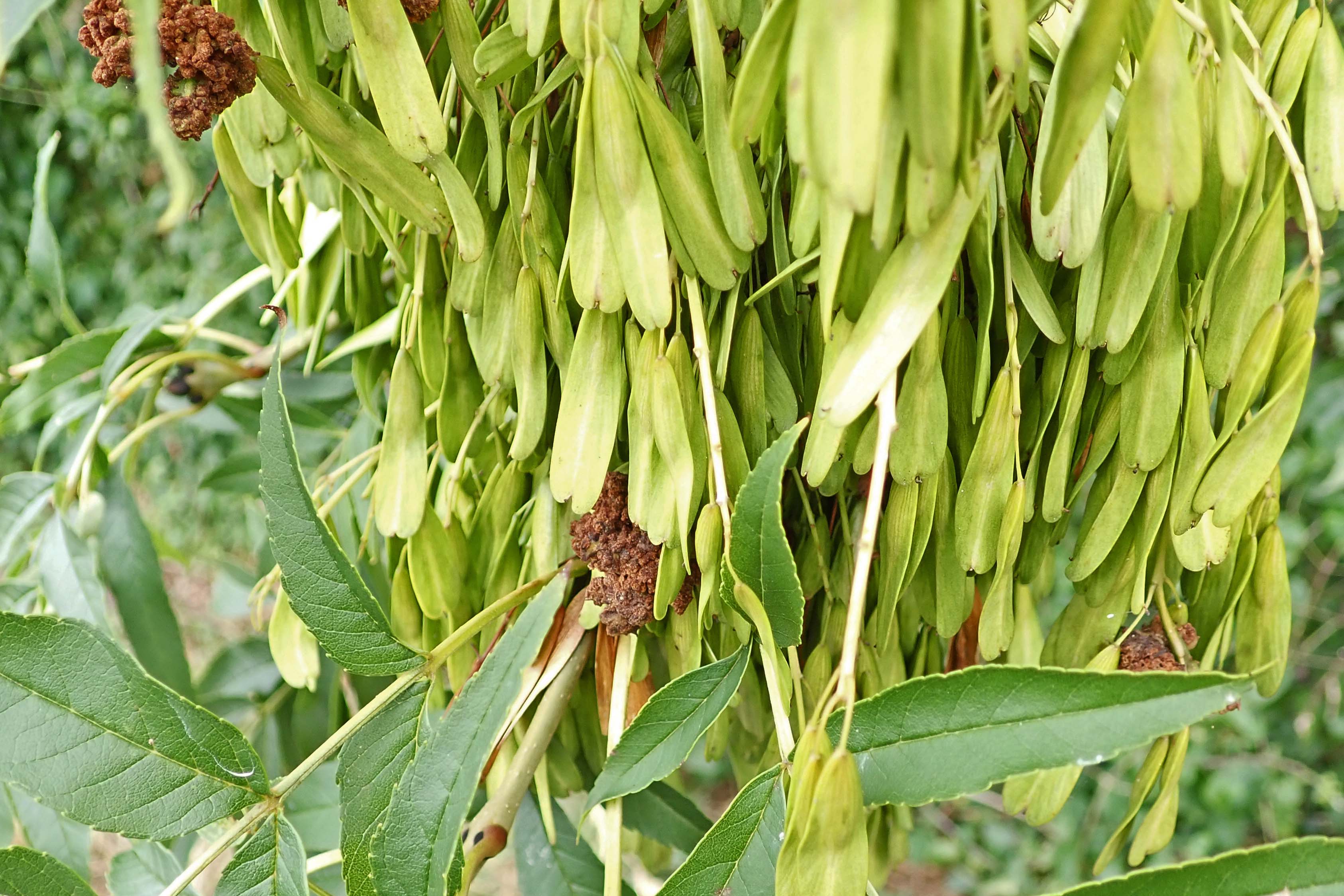
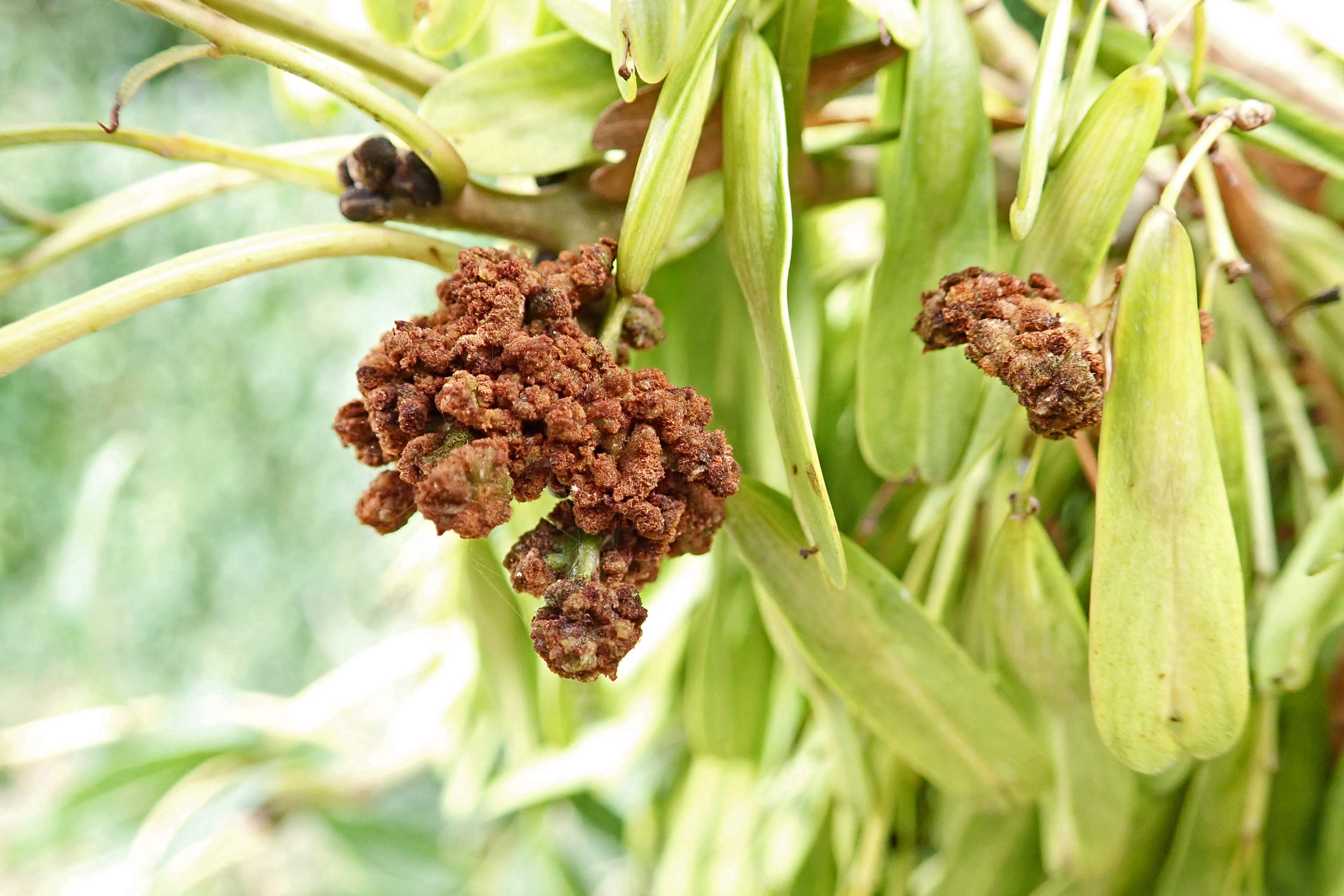
Over the years I must have looked at hundreds of bunches of Ash keys (so named because the clusters of seeds on Ash trees look like bunches of old-fashioned metal keys hanging together) yet this was the first time I had noticed these odd woody growths on any of them. The growths, which start off green but later turn brown, are known by the common name of Cauliflower galls – I think you can see why. The galls are caused by the mite Aceria fraxinivora, a mite so small you can’t even see it with the naked eye.
Despite their diminutive stature, by piercing the Ash’s cells to feed, the mite causes the surrounding plant cells to expand and multiply, thus forming the galls you can see in these photos. According to the Plant Parasites of Europe website, the galls sometimes occur on the stems and leaves of the Ash tree (the website has photos of these) but they are most often found on the flower heads, presumably because those cells are easier to access for the hungry mites.
Leafmines: Phyllonocnistis unipunctella

Tags

, , , ,

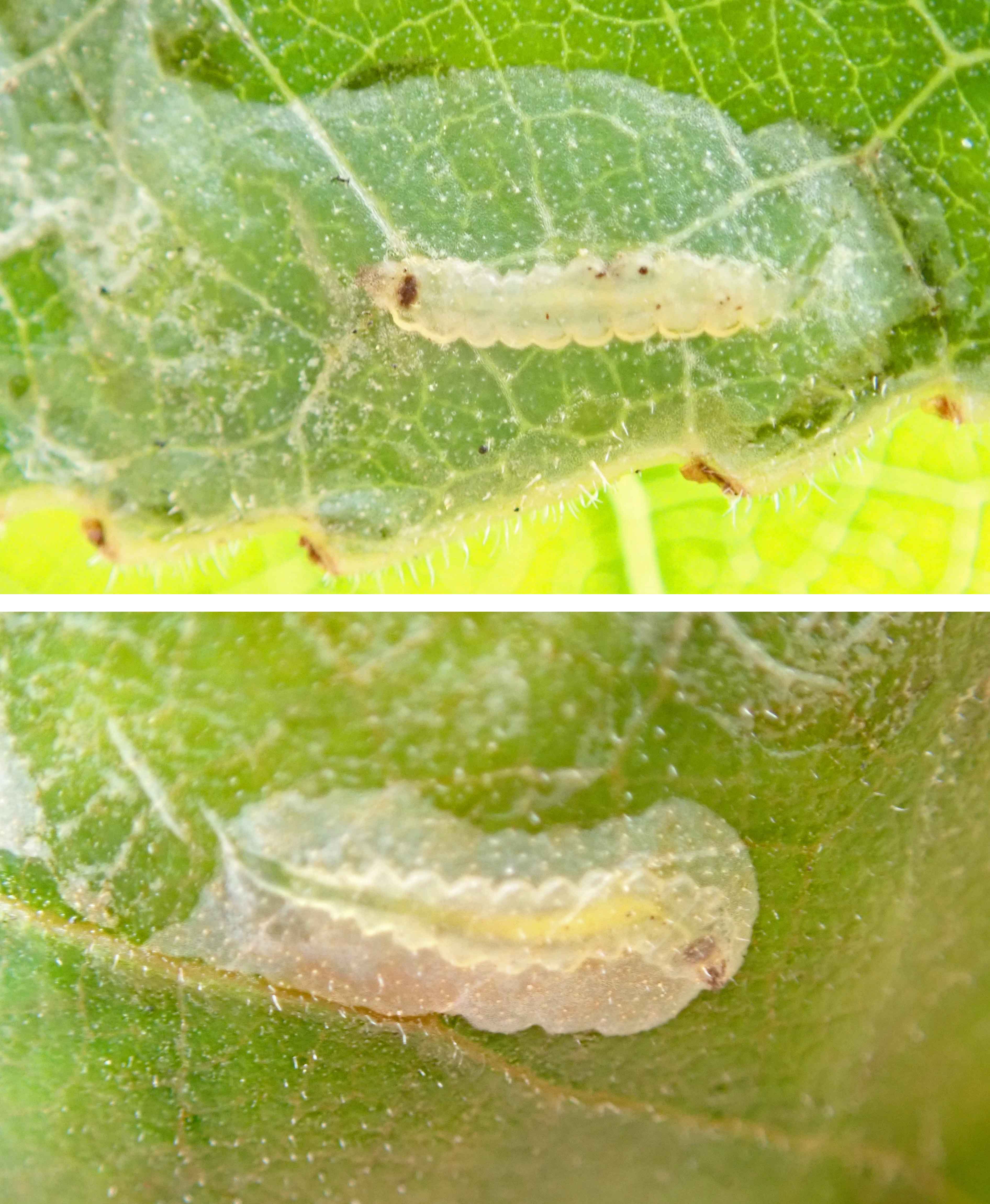
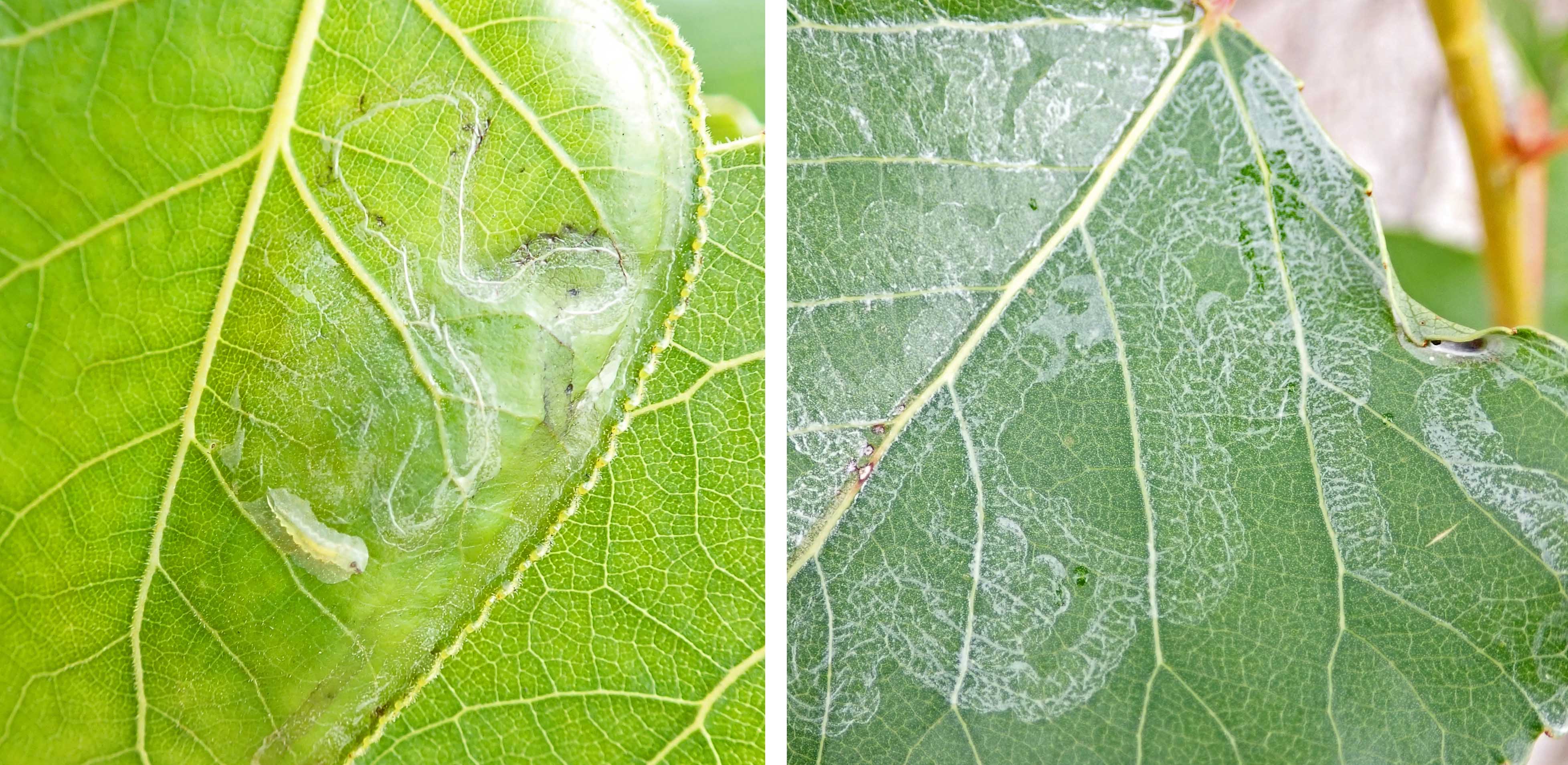
You could easily mistake the leafmines of the tiny moth Phyllonocnistis unipunctella for the dried trails of a snail after it had meandered around a leaf’s surface. This is due to the moth’s larvae mining just underneath the upper epidermis rather than more deeply within the leaf structure (and that can occur on the upper or lower surface of the leaf, though I’ve only found upper surface mines so far). The larvae also do not leave a trail of frass in the mine; I’ve not found any explanation for where that disappears to!

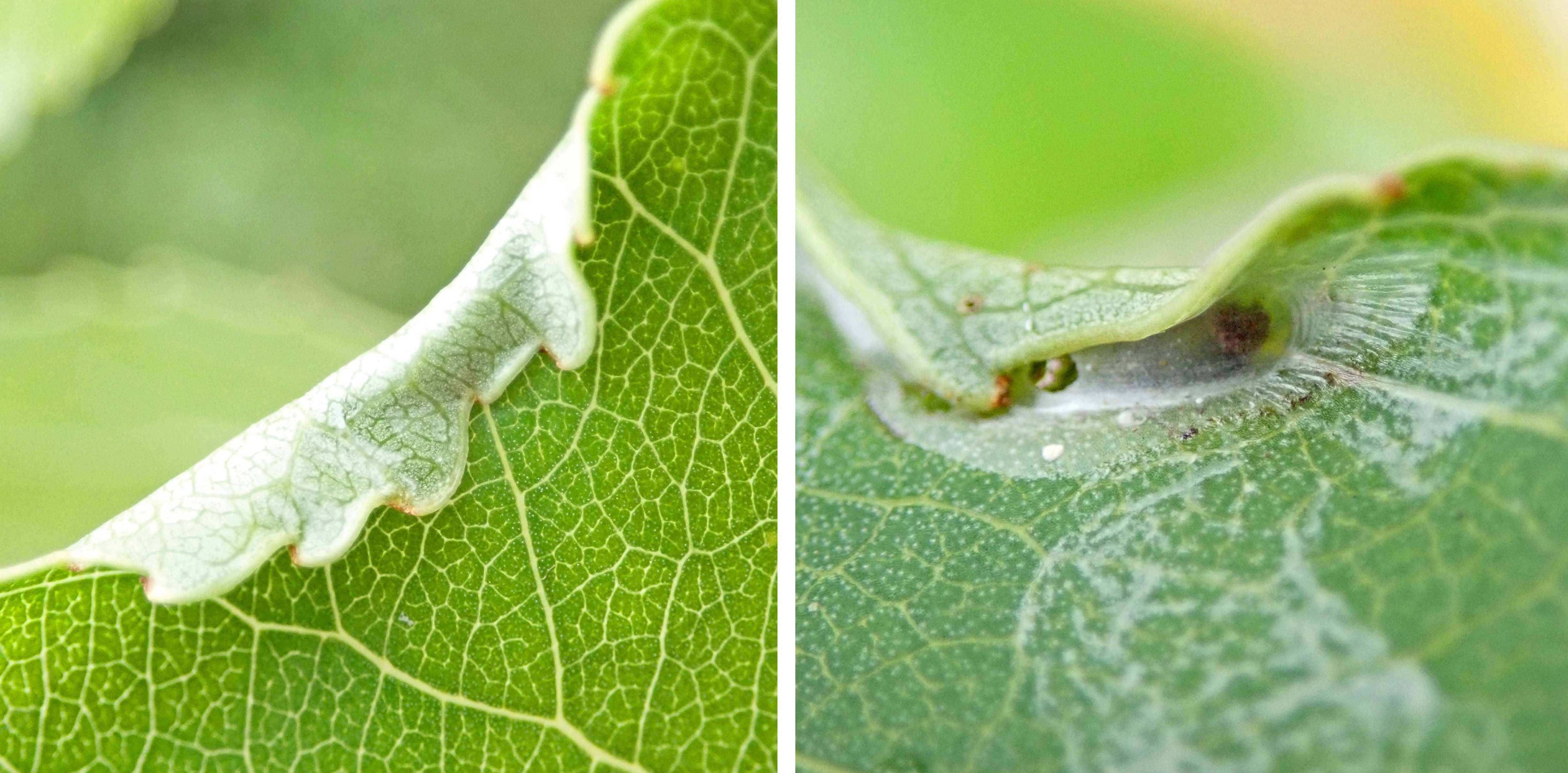
The fact that they mine so close to the leaf surface means the larvae are clearly visible within their mines, as you can see in my photos here. And, once they’ve munched as much leaf matter as necessary, they pupate in a silken membrane they create under the rolled down edge of the leaf, which you can also see in my images.

According to the British Leafminers website, Phyllonocnistis unipunctella uses three species of Populus as its larval plant: Black poplar (Populus nigra), Lombardy poplar (Populus x italica) and Black cottonwood (Populus trichocarpa). The mines shown here are from Black and Lombardy poplars found in a local park. You can see the adult moth, a pale silvery creature with a single dot near its tail end (hence the epithet unipunctella), on the UK Moths website.

Tansy

Tags

, , , ,

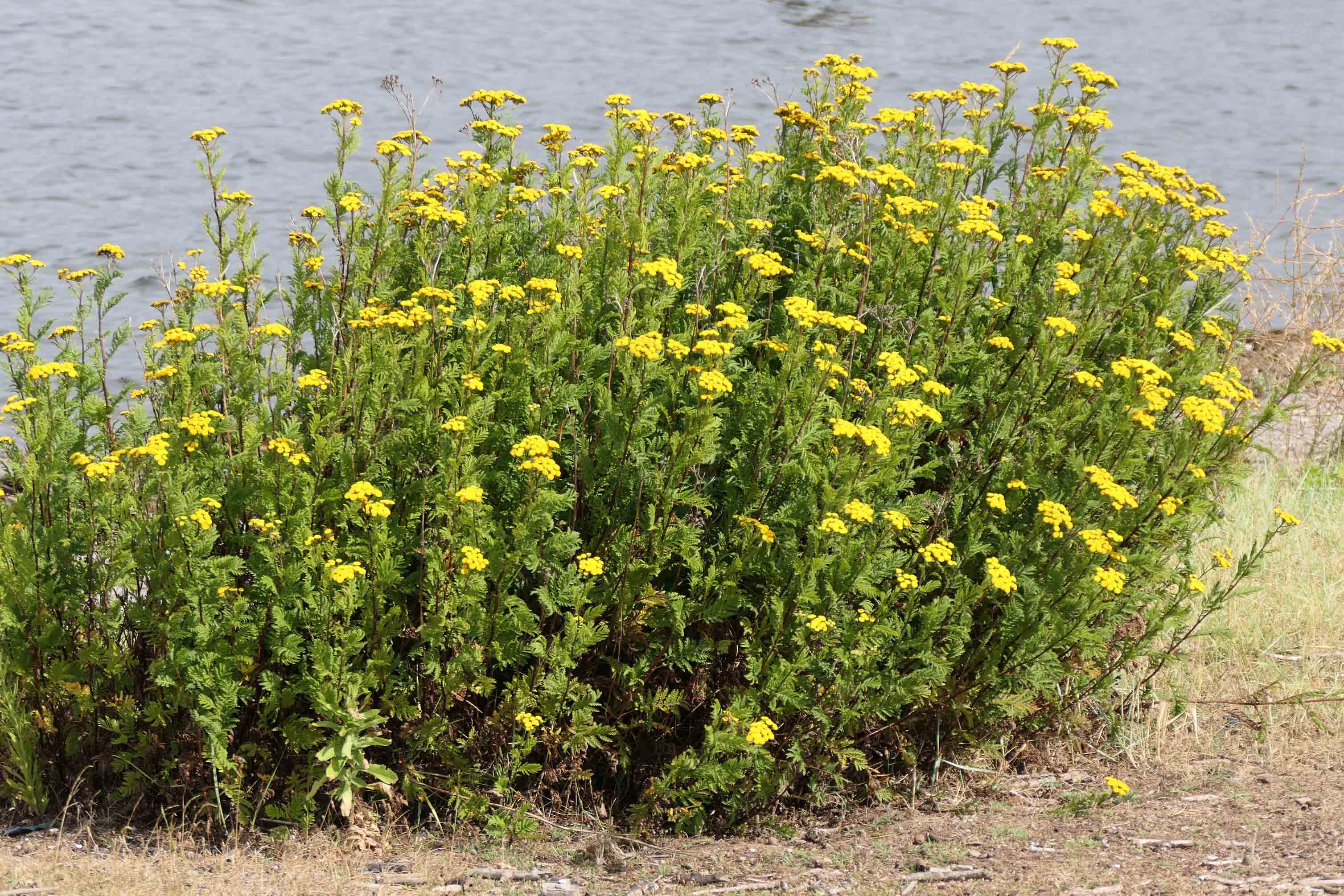
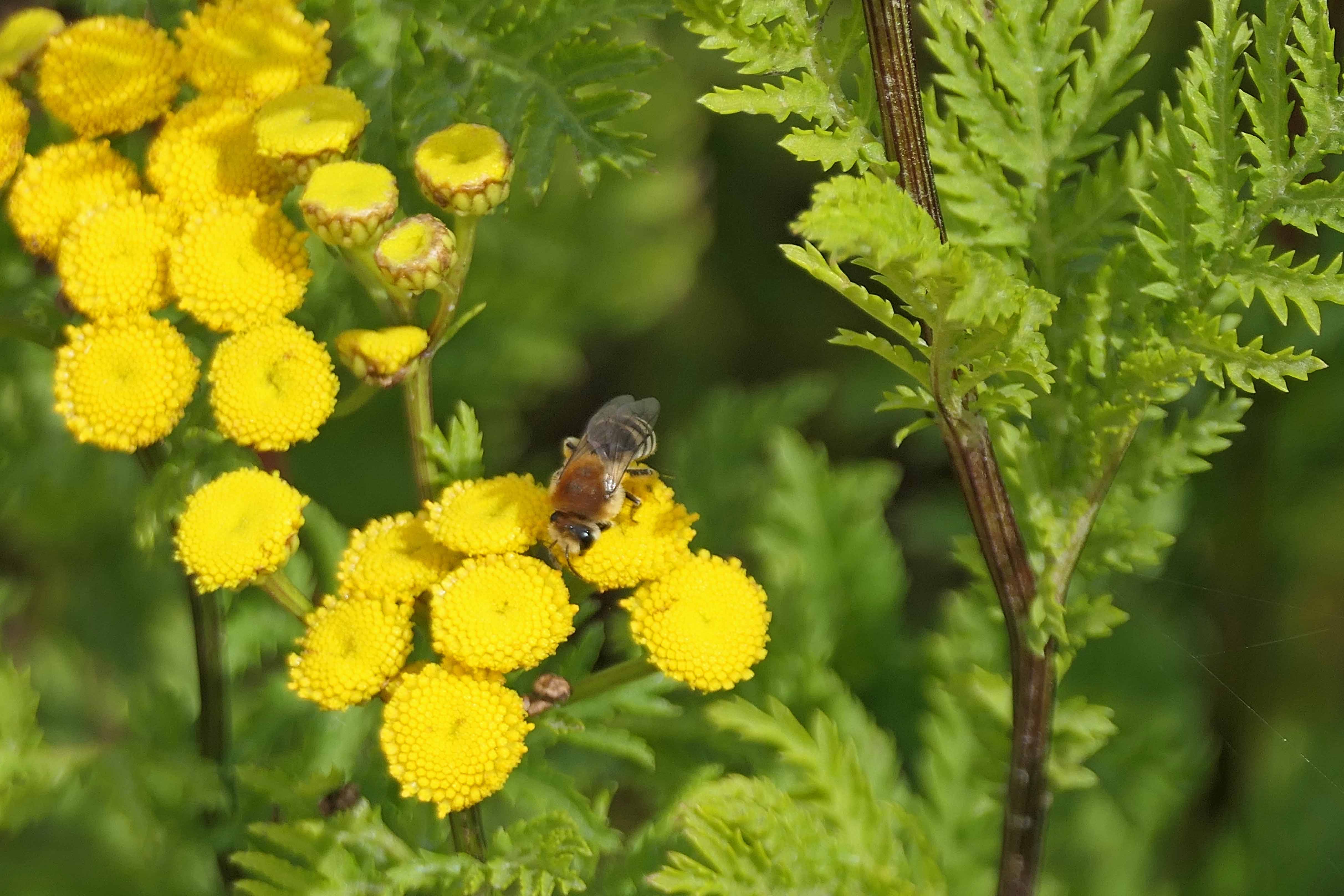
This is the only Tansy (Tanacetum vulgare) plant I know of and it’s in an odd location, growing as it does on a grassy slope on the Cardiff Bay Barrage. Who knows how it got there but it seems to be thriving and its golden-yellow button-like flowers make for a stunning display of summertime colour.

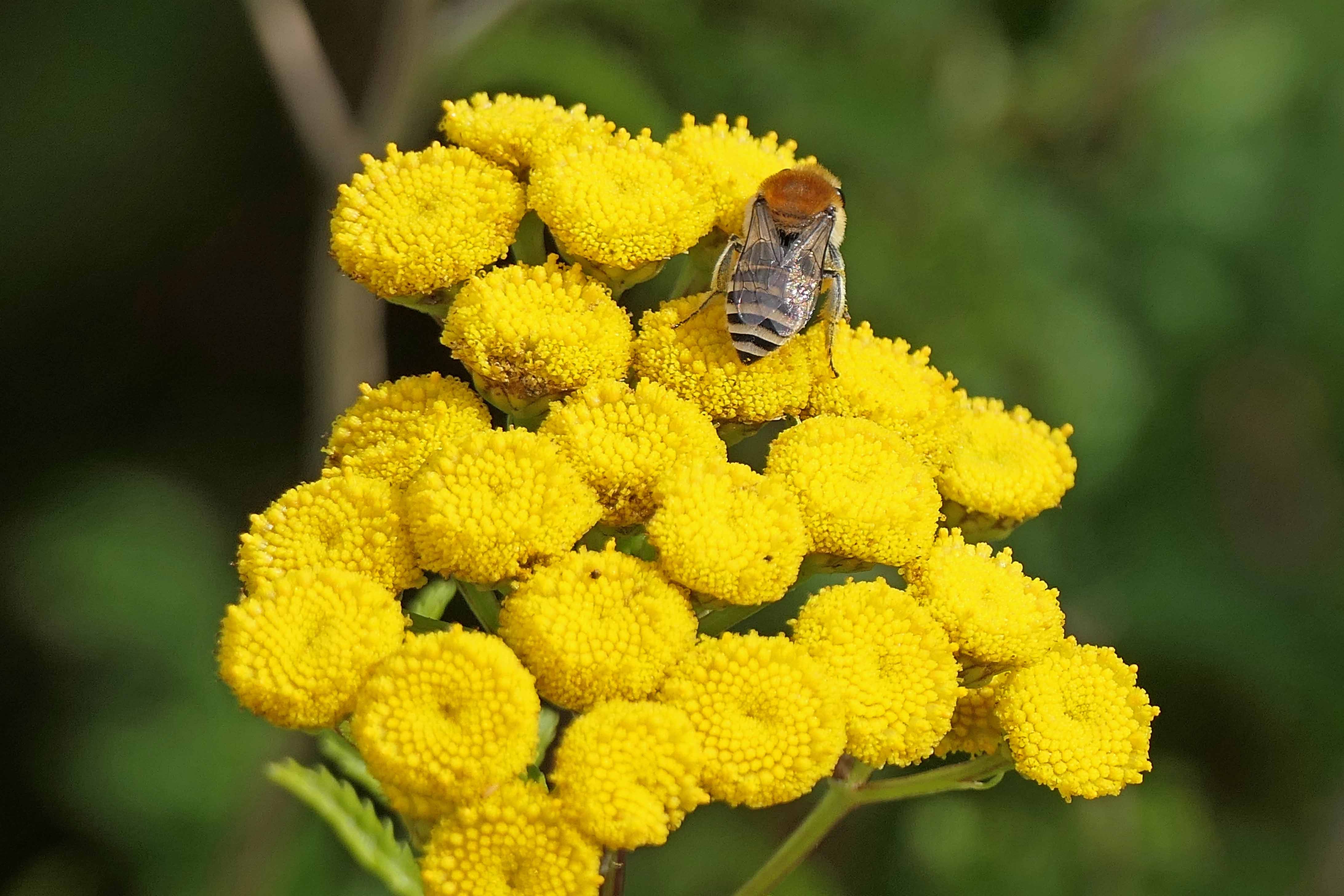
Those flowers also provide welcome food for insects at a time when many other plants are shrivelling due to the heat and lack of rain. (In case you’re wondering, the bee is a Colletes species but cannot be positively identified without closer examination – I did try asking an expert.)

I always enjoy reading the interesting snippets of information my copy of Flora Britannica provides about our various wildflowers. This is what Richard Mabey writes about Tansy:

Tansy’s leaves are pungent and bitter, and at one time they were eaten at Eastertide, to kill off the ‘phlegm and worms’ which the Lenten fish diet gave rise to. They were mixed with eggs, milk and flour, presumably to make them more palatable, and from the fifteenth to nineteenth centuries, a ‘tansye’ was a generic term for any omelette or pancake-like dish flavoured with bitter herbs.

Galls on grapevines

Tags

, , , , , ,

After last Sunday’s local meander I wrote on social media:

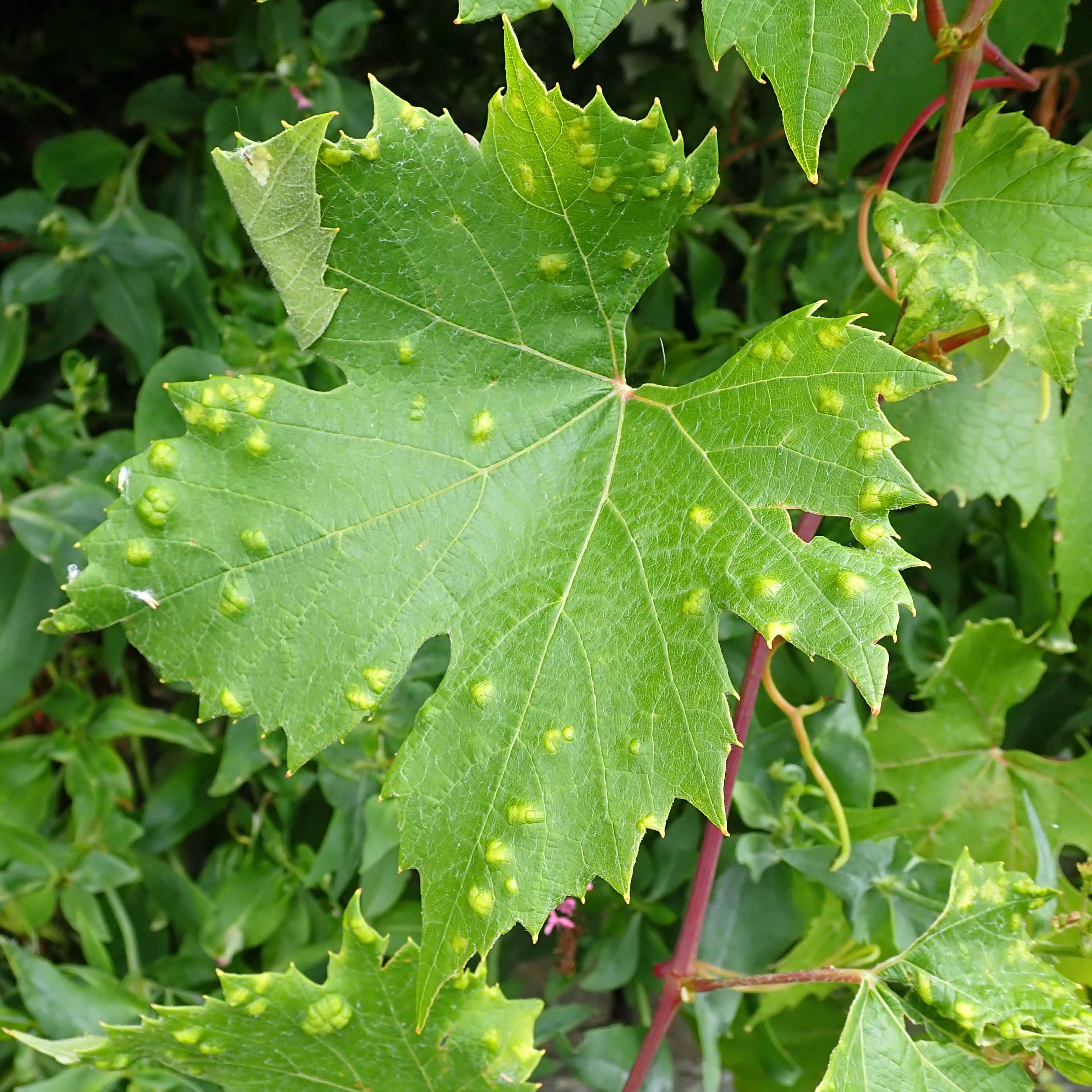
A lesson for me in the importance of recording: I’ve walked past this grapevine many times recently & noticed the galls on its leaves. Today I finally took photos, figured it’s caused by the mite Colomerus vitis & found there are NO Welsh records, tho’ it must be out there somewhere.

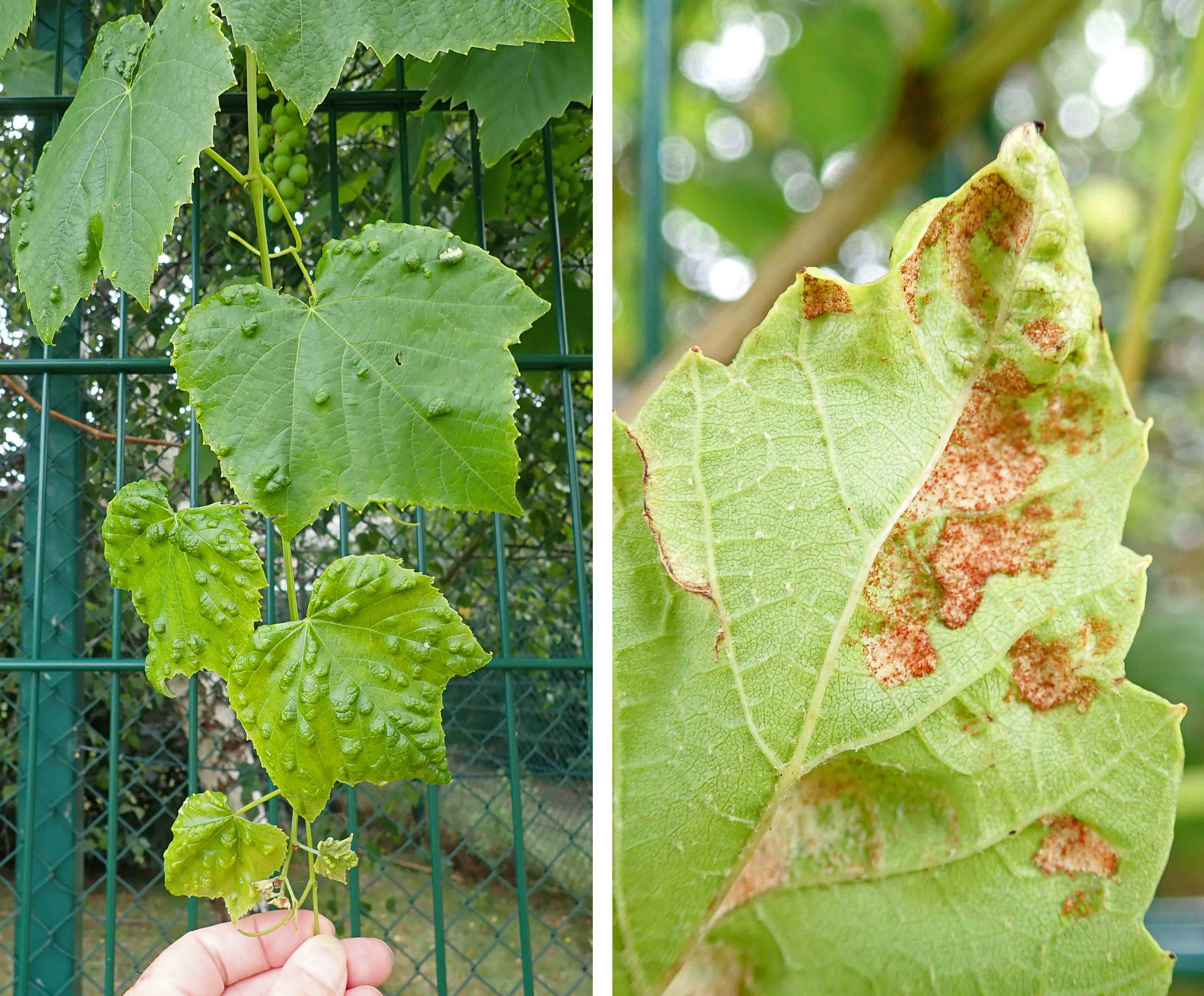
I’ve since checked the only other publicly accessible grapevine I know of locally and found that it, too, has these galls on its leaves so I was right to assume that this is something that has simply been overlooked and not recorded by anyone who’s noticed it. As well as there having been no previous Welsh records, there are very few records from elsewhere in the UK, which I assume is also under-recording, not scarcity.

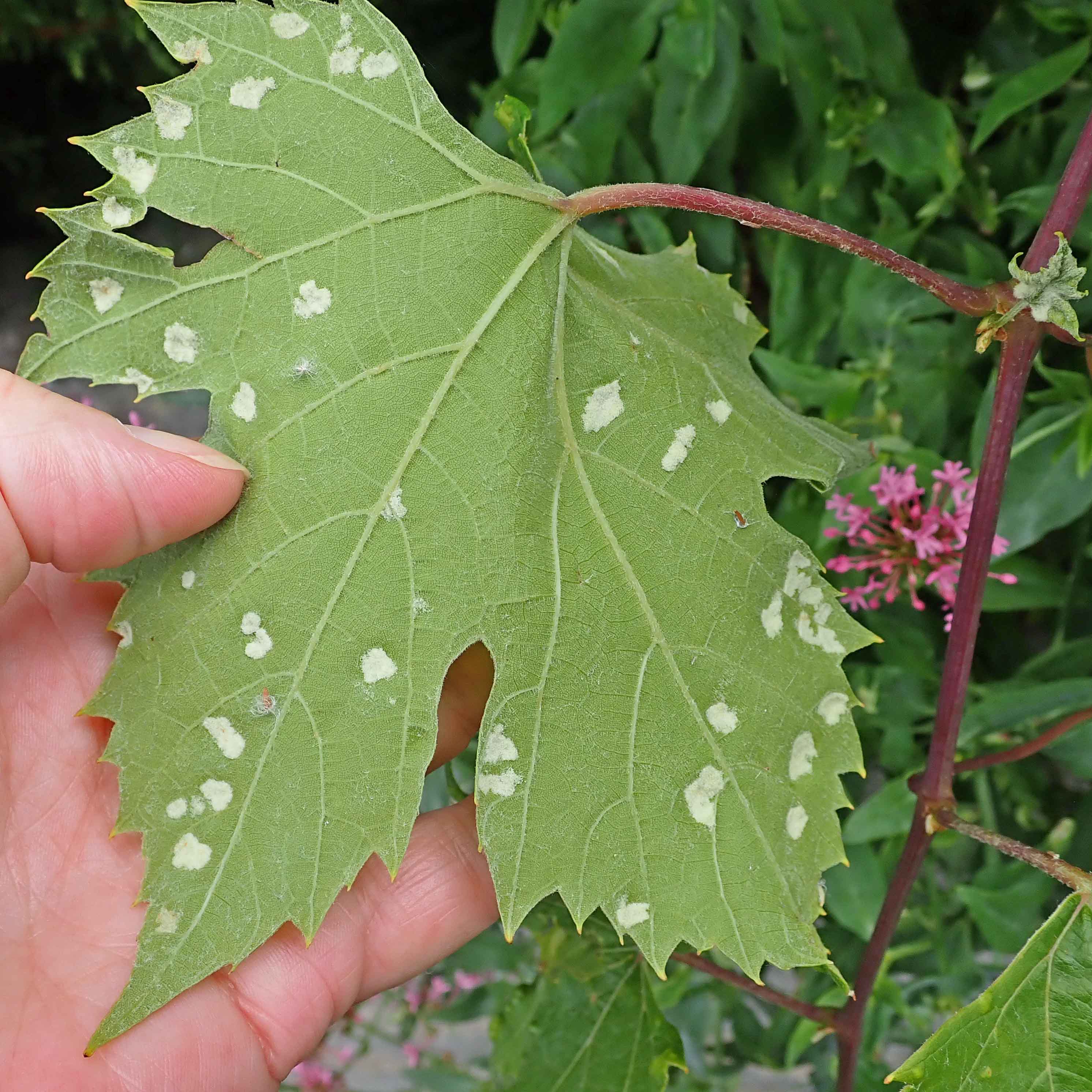
The galls, which appear as lumps and bumps on the upper side of the leaves, are caused by the miniscule mite Colomerus vitis. These mites inhabit the felt-like surface of the galls on the underside of the leaves, a surface that starts out white but gradually browns over time. The vines I’ve looked at are covered in bunches of grapes and the plants themselves look very healthy so, presumably, the galls are having little affect on the plants’ productivity.

Fly: Eriothrix rufomaculata

Tags

, , , , , ,

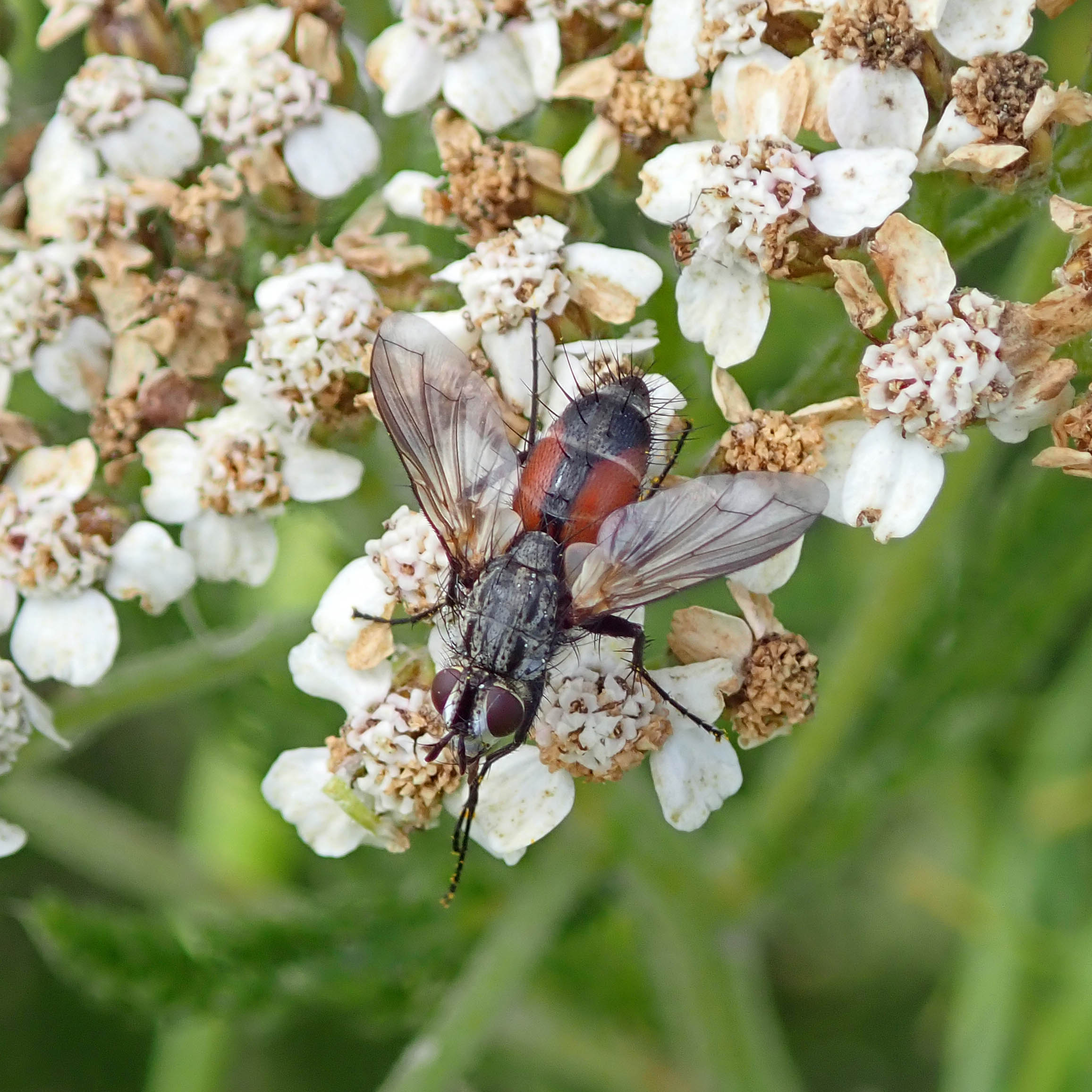
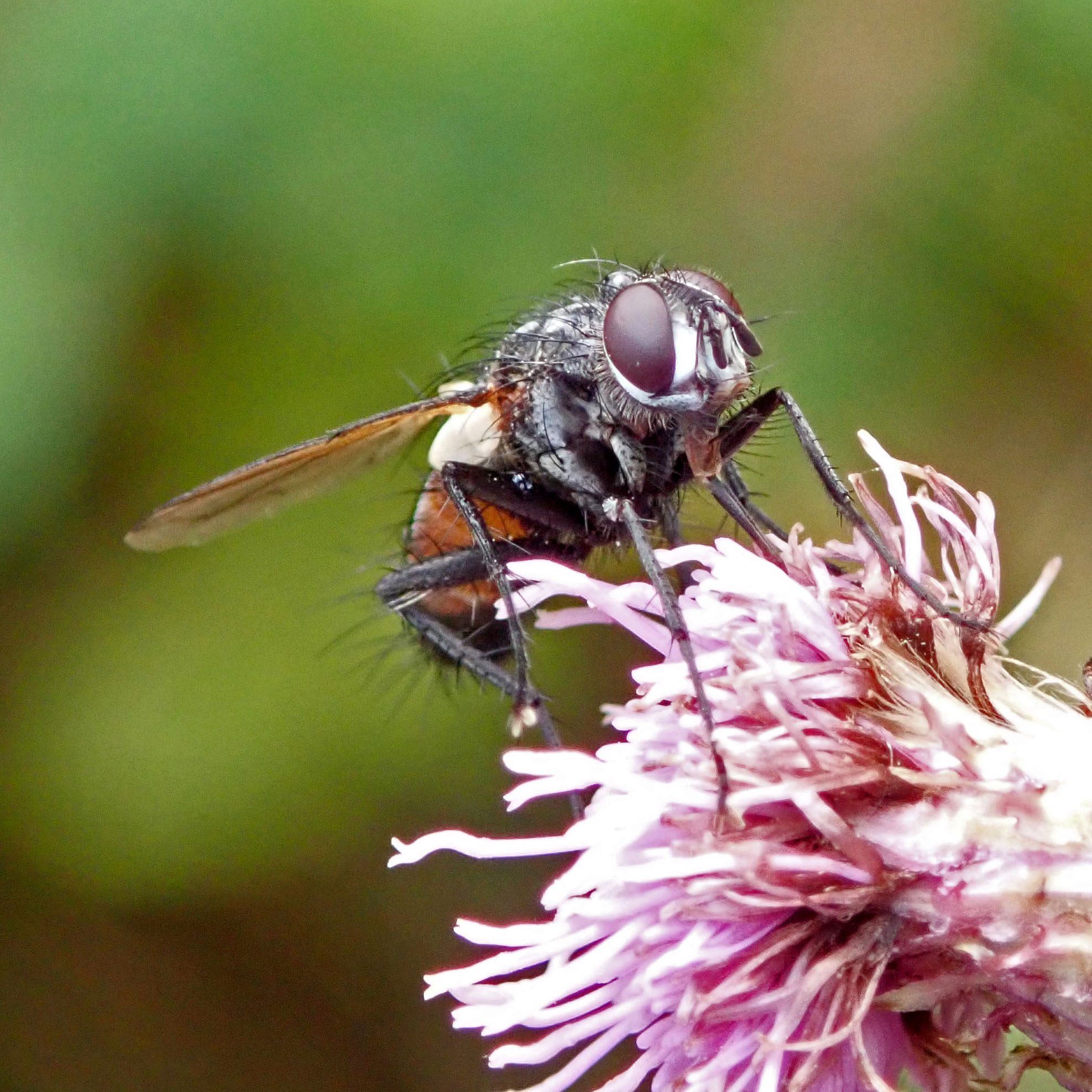
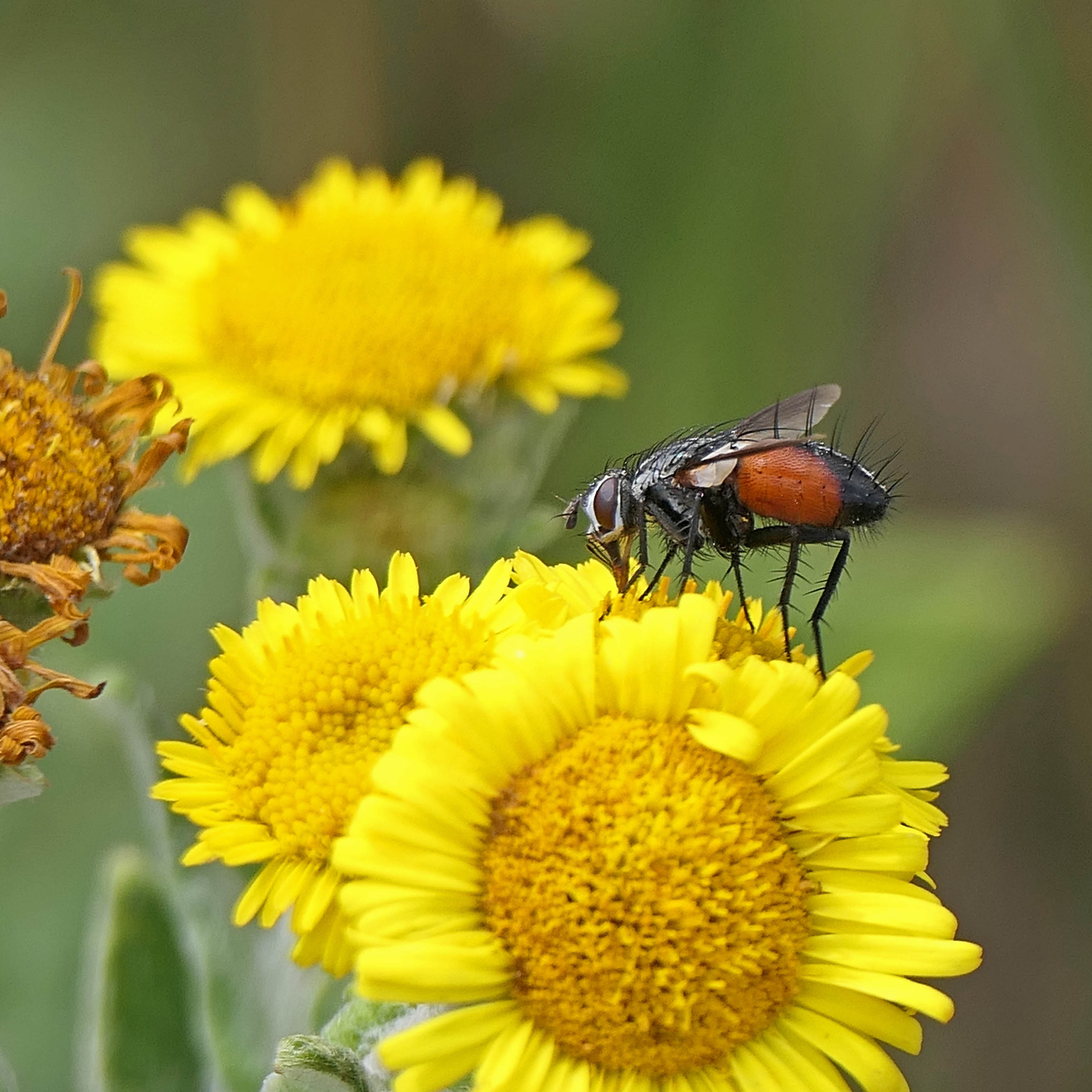
Over the past week I’ve had several sightings of this little fly, Eriothrix rufomaculata, and, though I usually shy away from trying to identify flies, this one is very distinctive. Amongst the checklist of features to look for that are listed on the Naturespot website entry for Eriothrix rufomaculata are the ‘red abdominal side patches’ ♥, ‘silvery face’ ♥, ‘projecting mouth edge’ ♥, and ‘slightly shaded wings’ ♥. It’s also very bristly.

Though the adults are supposedly active from June to October, I presume I’m seeing more of these flies now due to recent hatchings. Look for them feeding on flowers, particularly umbellifers and flowers from the Daisy family, which includes everything from Ragwort to Fleabane, Yarrow to Hemp-agrimony, thistles to Knapweeds, and many more.

Like many creatures, these flies have a dark side to their life cycle: their larvae are parasitic, feeding on the larvae of various moth species, including the little grass moths (the Crambidae) and the very beautiful tiger moth species (the Erebidae).

Weevil: Barynotus obscurus

Tags

, , ,

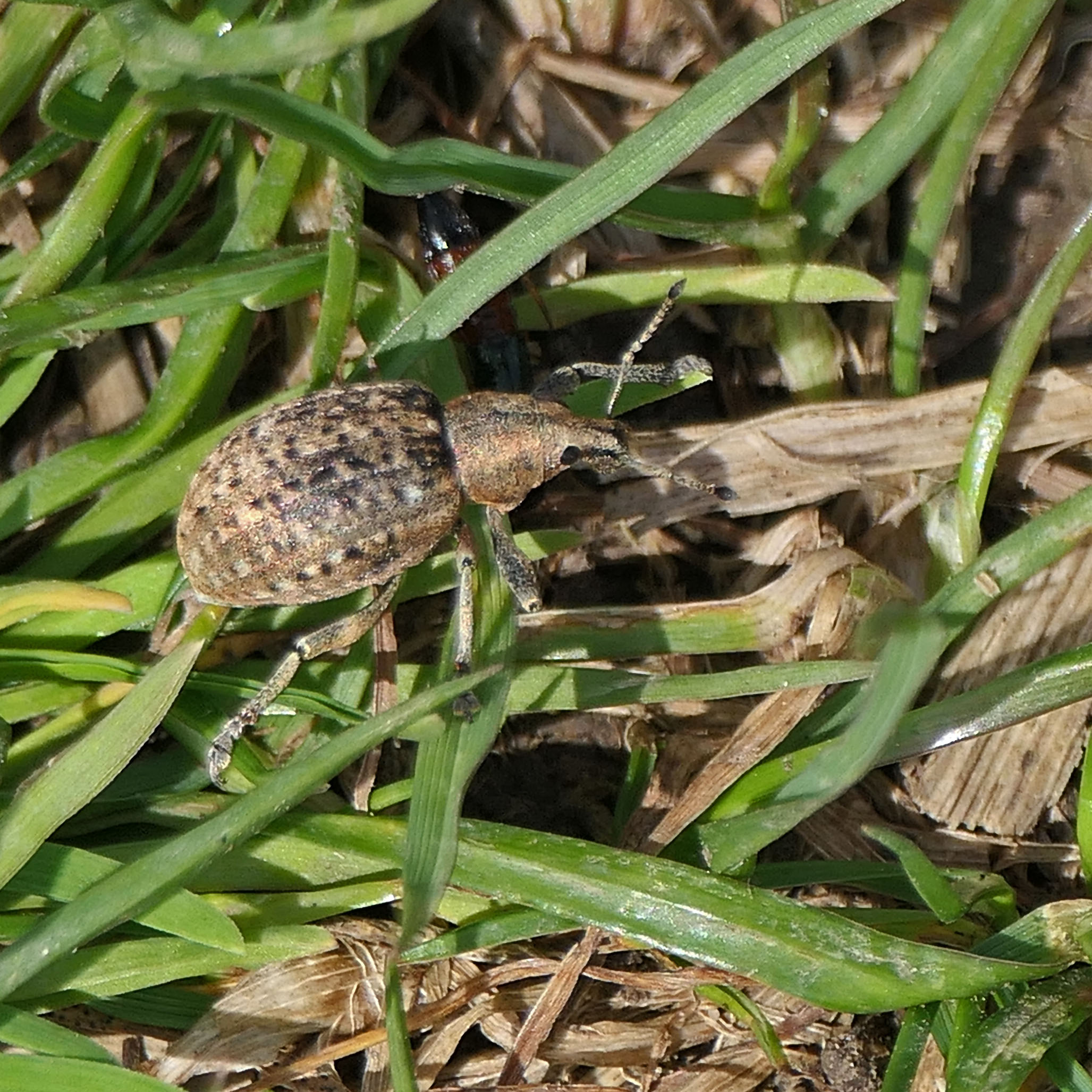
I don’t often go searching for, or find, creatures at ground level – I’m at an age where, if I get down on the ground, I might not be able to get back up again! But I happened to glance down and spotted this little fellow trundling across the path in front of me so I quickly got my camera out and followed its progress in to the short grass, hoping I’d be able to get a few shots.

As per the species description on the Naturespot website, Barynotus obscurus is a ‘large broad-nosed ground weevil’, whose ‘light brown elytra [wing casings] have a slight mottling of paler blotches’. Its body also has a light covering of short bristly hairs. Adults of the species can be found all year round pottering about at ground level, sometimes exploring under stones, other times pootling about in low bushes, though its camouflage can make it tricky to spot.

Parent bug mother and eggs

Tags

, , , , , ,

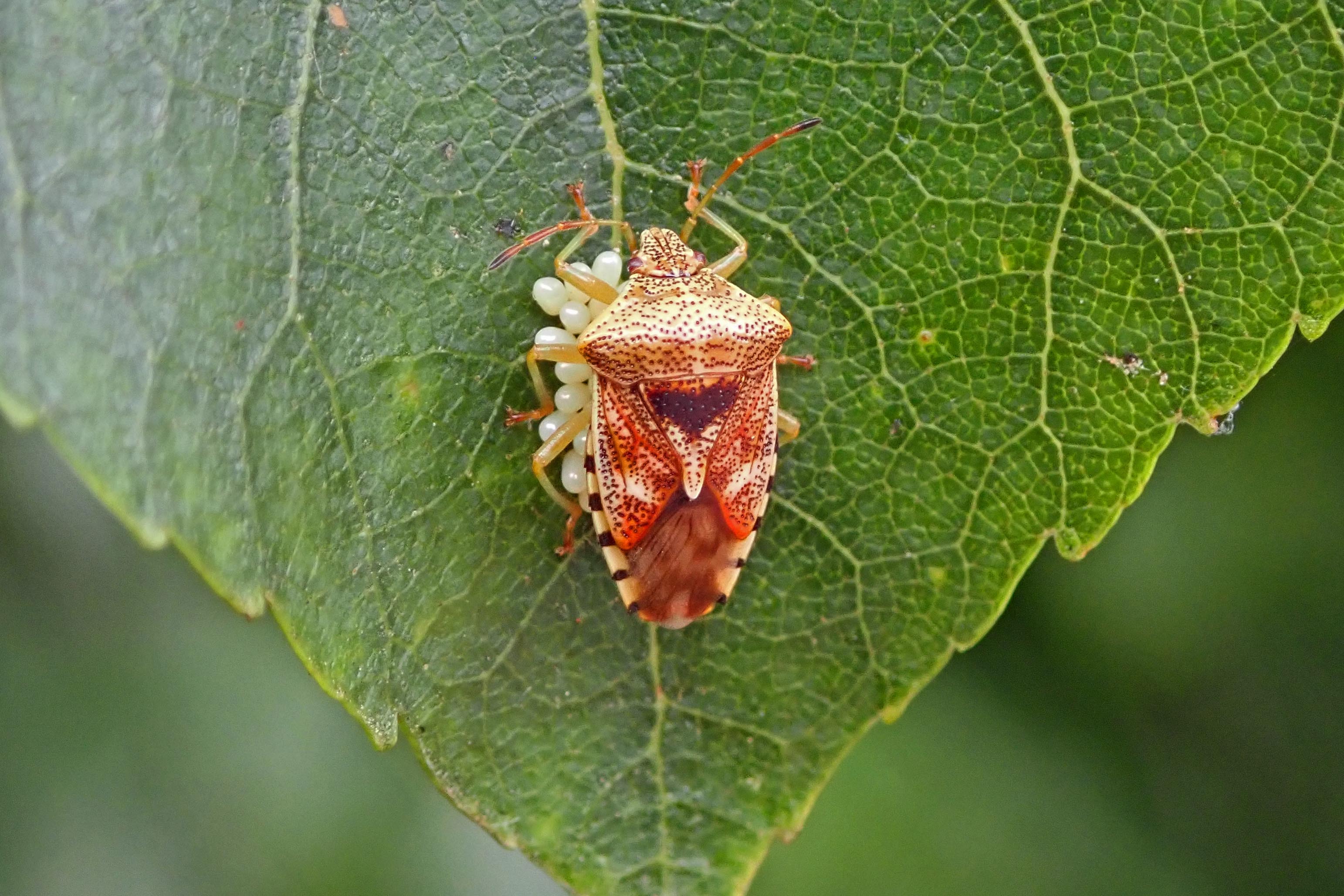
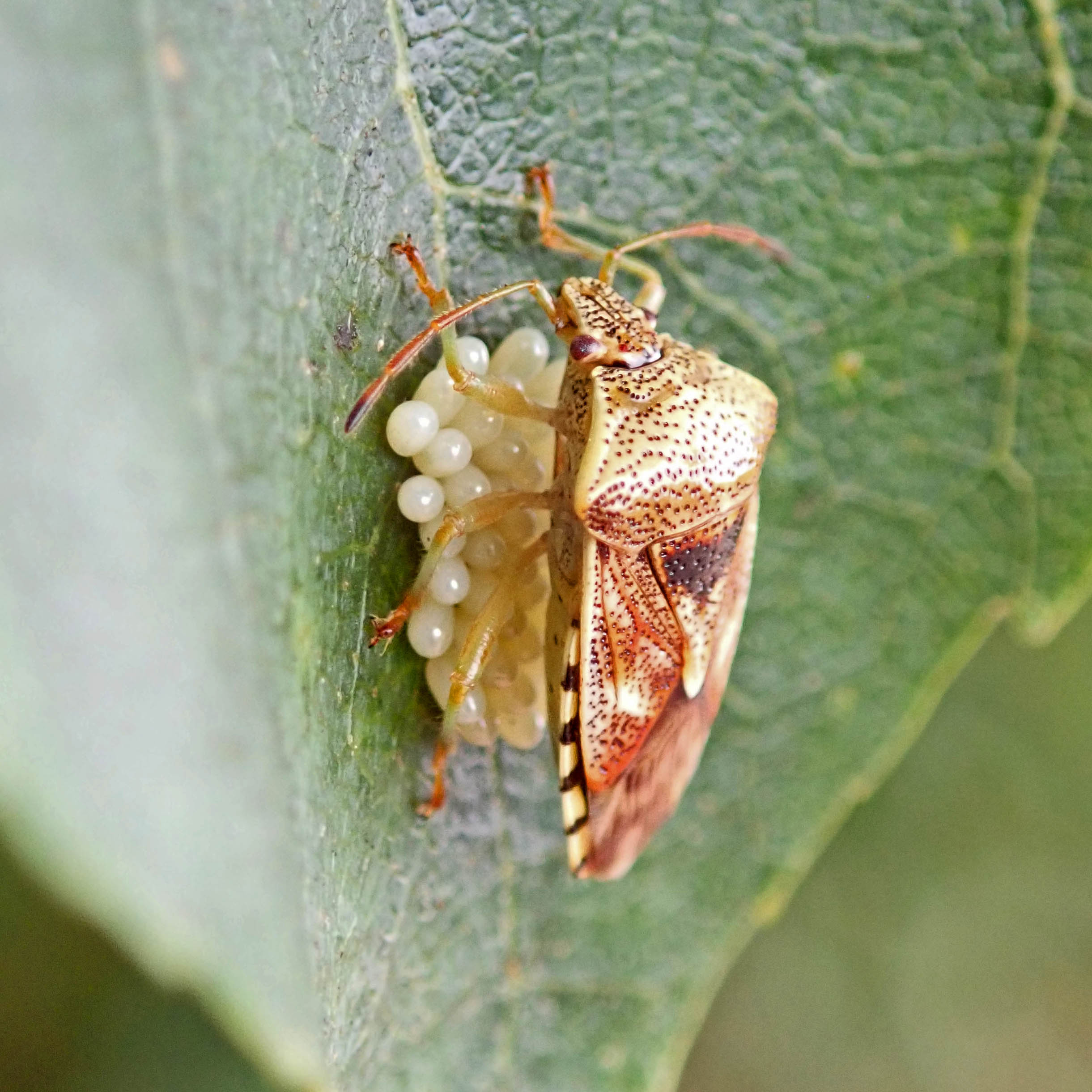
You might remember a very colourful and joyful blog from July last year (Parent bug mother and babies) when I shared a sighting of a Parent bug (Elasmucha grisea) female with her huge brood of young buglets (or, more correctly, nymphs, but I quite like buglet!). Well, just as I was heading home from a recent wander around Cardiff’s Grangemoor Park, I was fossicking through the leaves of an Italian alder tree and spotted this scene.

Though her colouring is quite pale, this is also a Parent bug mother, only this time she’s huddling over and protecting her eggs. Whether or not she was still in the process of laying the eggs or whether these eggs were a few days old I don’t know, and I didn’t want to disturb her by looking more closely. I grabbed a couple of quick photos and left her to her mothering duties.

Hoverfly: Ferdinandea cuprea

Tags

, , ,

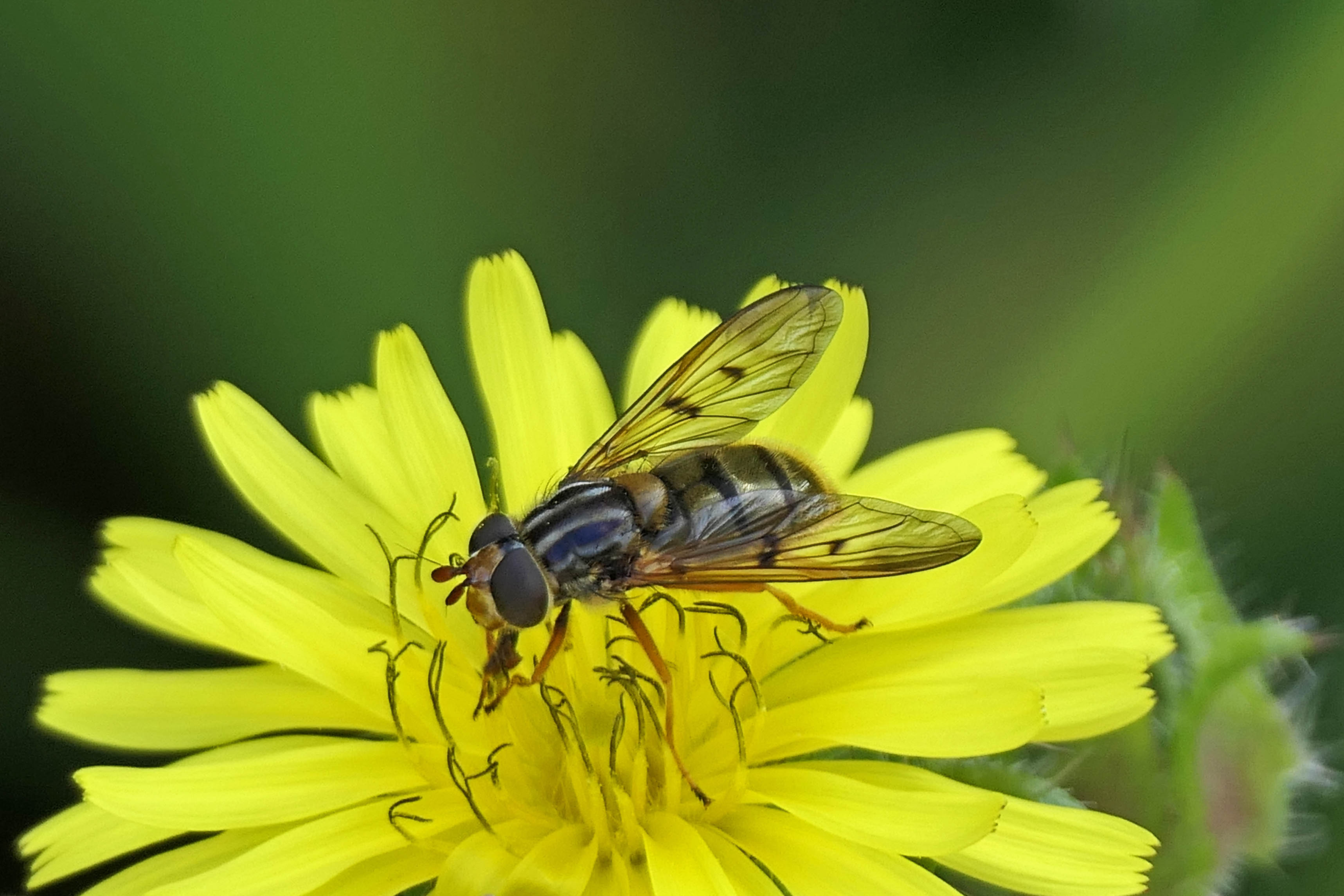
You could easily be fooled into thinking you were looking at a fly when you first saw the hoverfly Ferdinandea cuprea – I’m happy to admit I was. Fortunately, it looked unusual enough – and was settled enough – for me to take a few photos and, when I got home and looked more closely at those on my laptop, I realised this was no ordinary fly.

Now that I’ve seen one and know what to look for, I can agree with what’s written in my Britain’s Hoverflies guide book: ‘An instantly recognisable and very attractive hoverfly with a metallic, brassy abdomen, grey stripes running along the thorax, wing markings and yellow legs’. Ferdinandea cuprea favours wooded areas, mostly in southern parts of Britain and are, apparently, quite common. I presume I’ve been overlooking them for years!

Leafhopper: Ribautiana ulmi

Tags

, , , ,

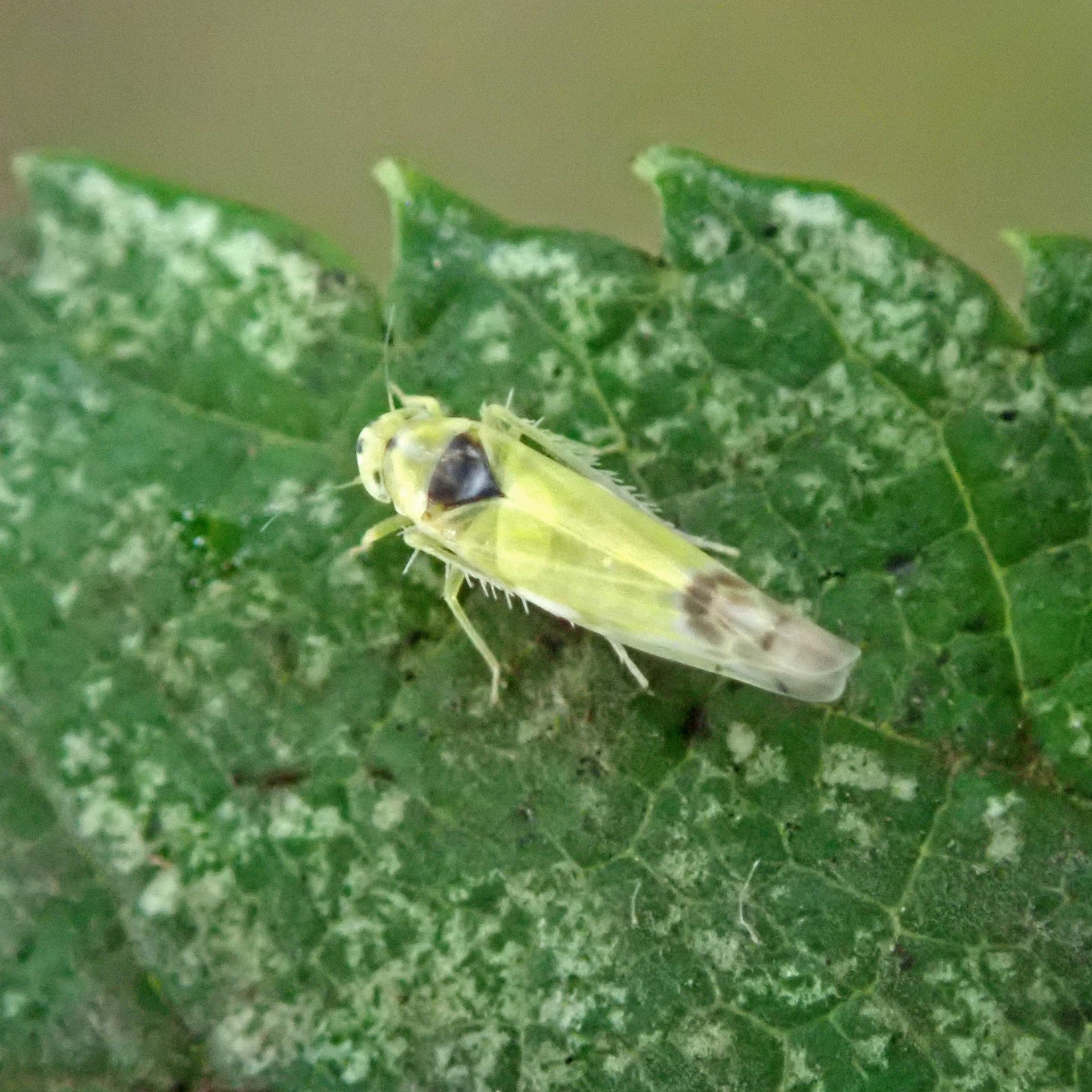
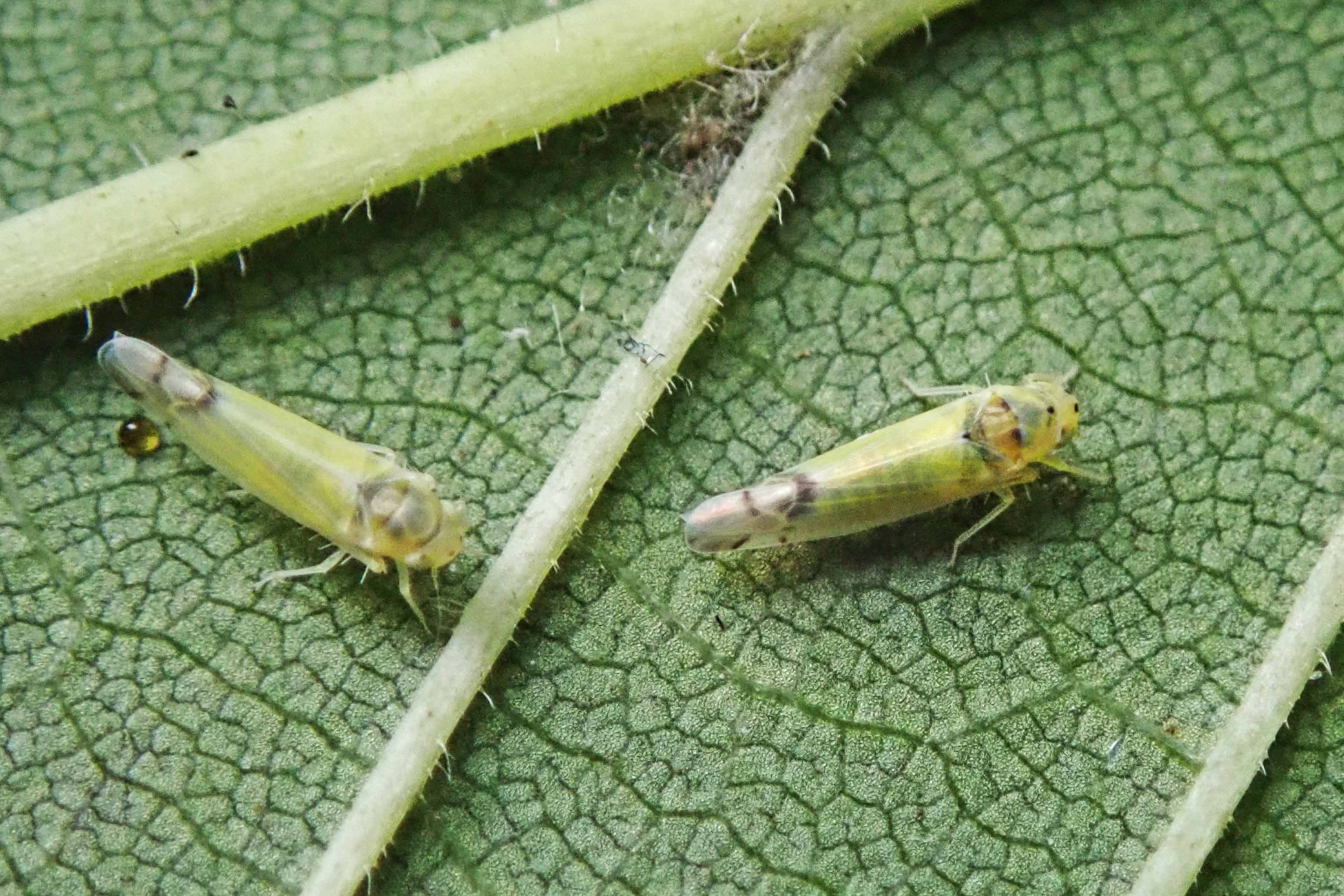
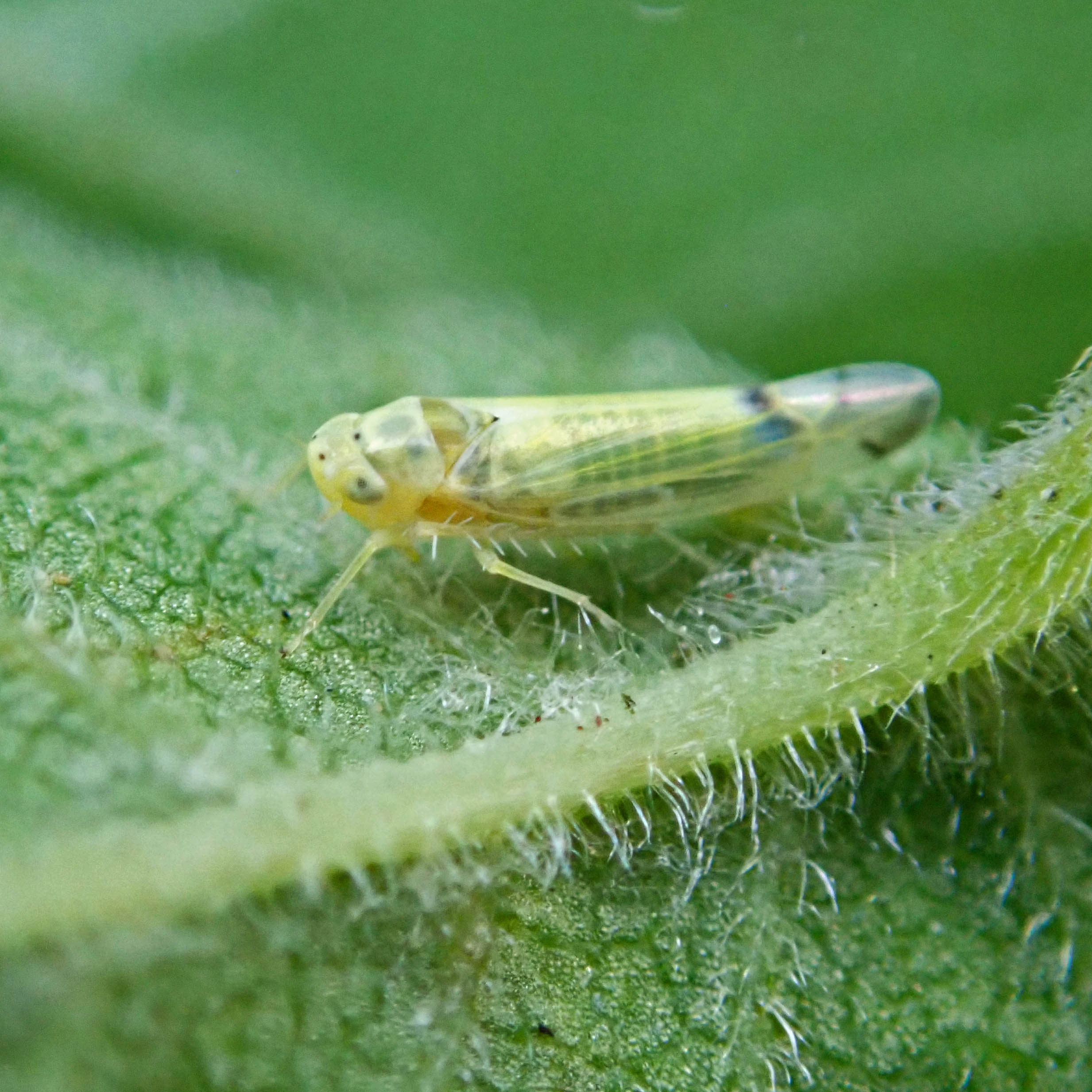
I’ve found this tiny leafhopper, between 3.5 and 4mm long, a few times now, and hope to see more this year, as the adults are out and about from May through to November.

The trouble is that, as my eyes are not the best and these hoppers are so small, I find them hard to identify in the field. My solution is to take as many photos as I can of the many small green species of leafhopper I spot, noting their location and which tree species I found them on, then I try to work out what I’ve found when I get home.

Fortunately, the five British Ribautiana species have quite distinctive markings, and this one, Ribautiana ulmi, has three black spots that are unique to the species. You might think from the ‘ulmi’ in its name that this species is only found on Elm / Wych elm trees but it has been recorded on several other trees, which can be confusing. It’s a little cutie though, so keep your eyes peeled if you find yourself staring at leaves in the next few months (though I do realise that I may be the only of us who does that 😉 ).

Woolly thistles

Tags

, , , , , ,

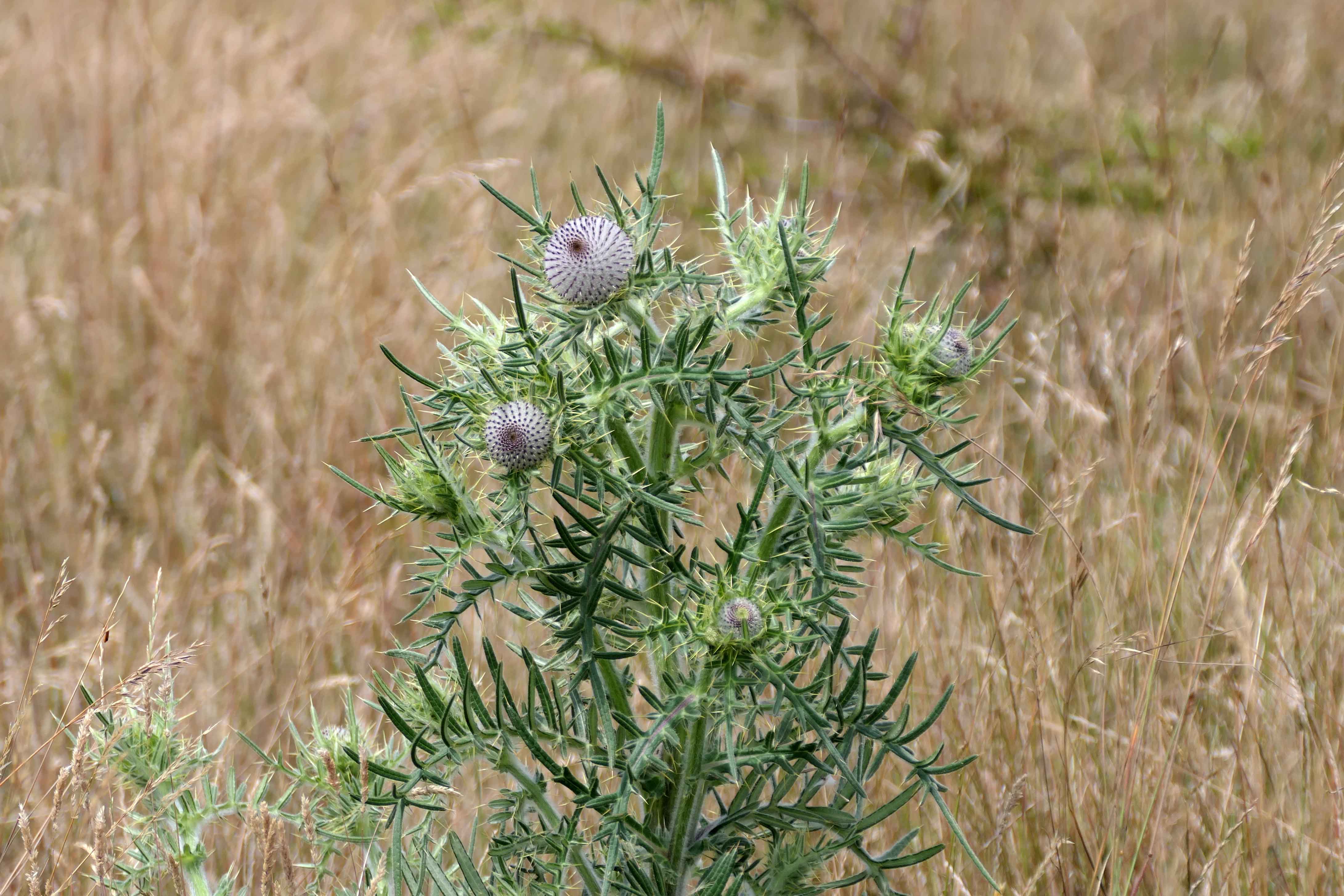
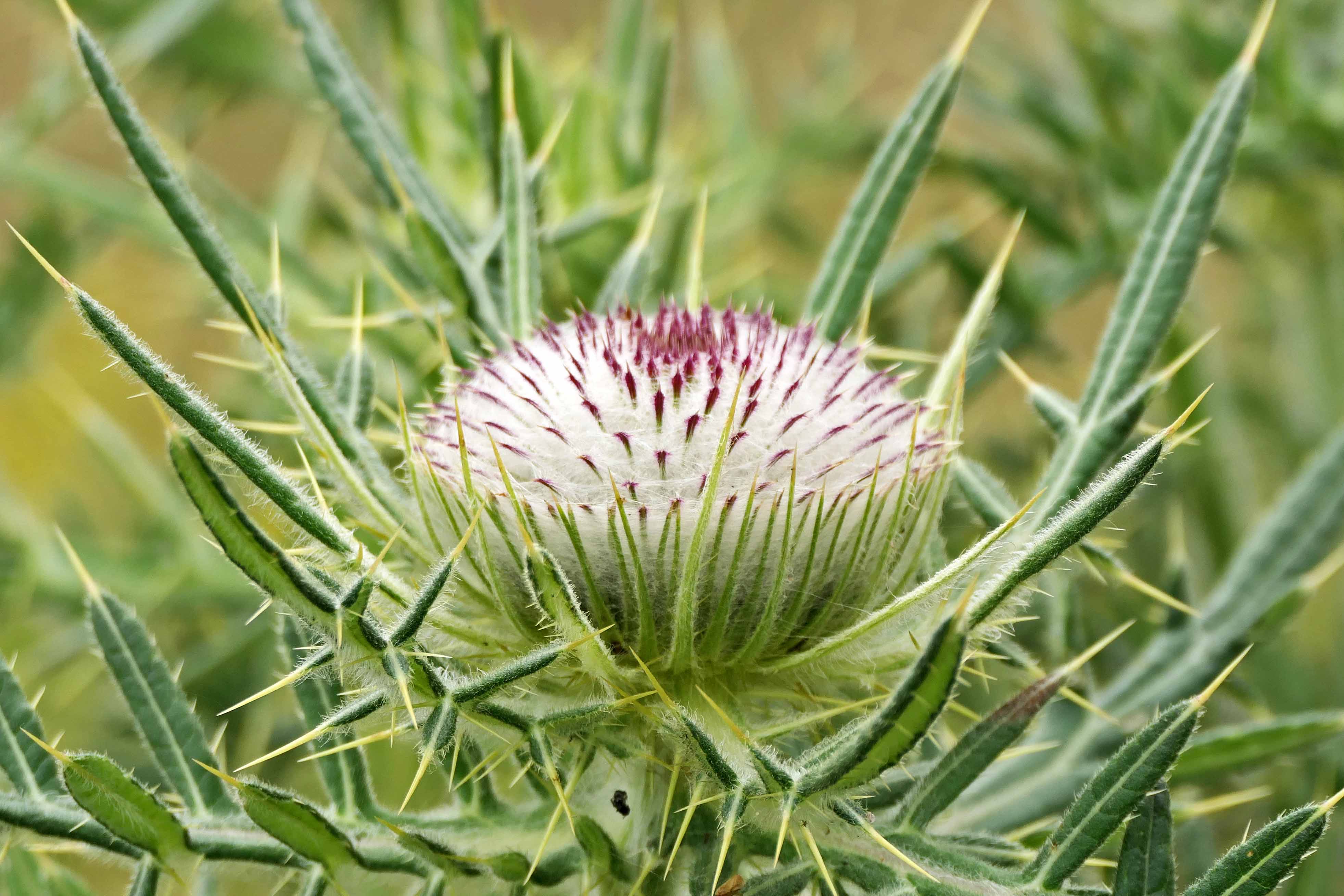
I’m a big fan of all thistle species; I love the purple colour and the shape of their flowers, and I appreciate what valuable plants they are for wildlife, both for insects and birds.

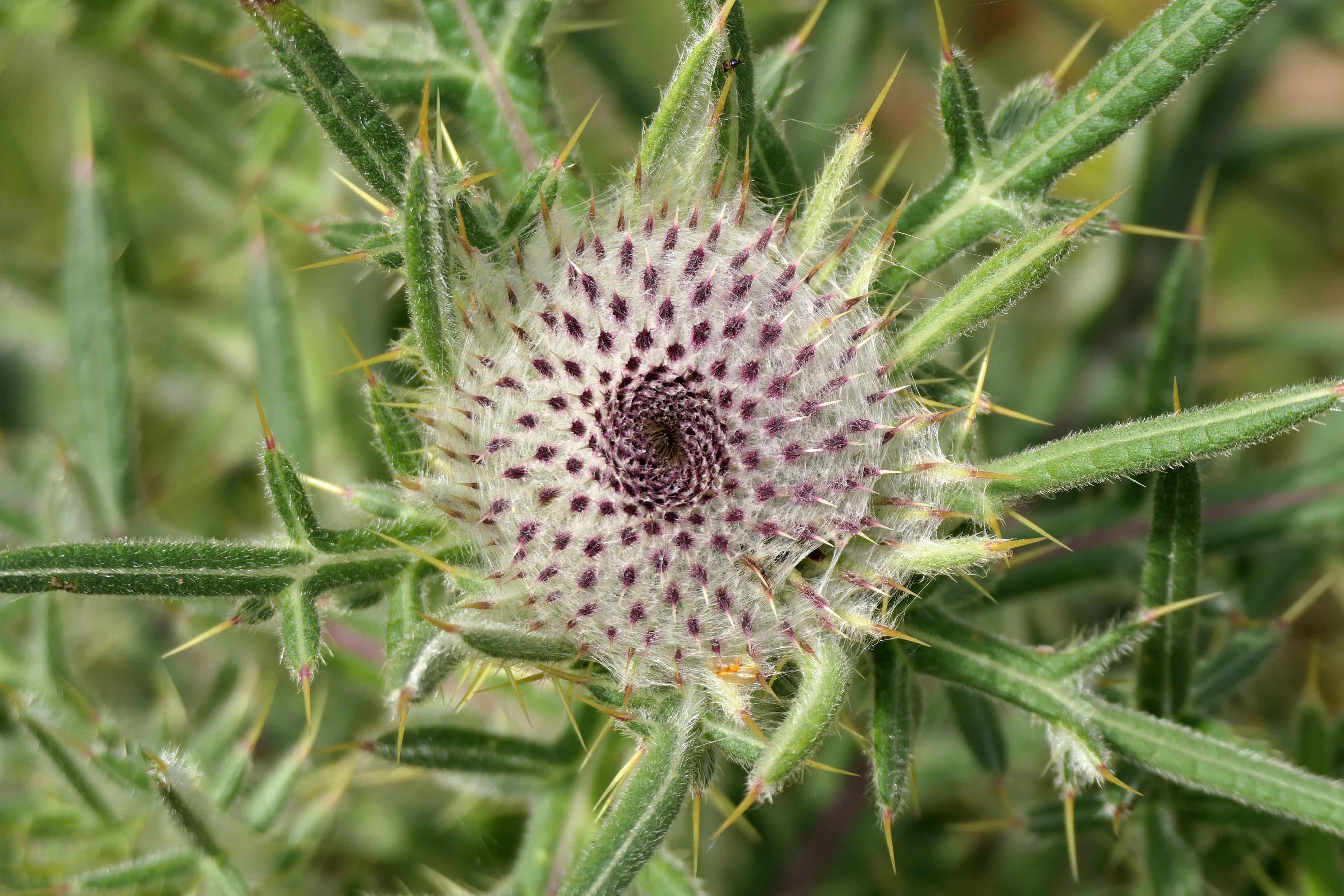
I don’t see Woolly thistle (Cirsium eriophorum) very often but it is certainly one of my favourite thistles, for the woolly looking stems and the generous size of its flowers and, most especially, for the spiralling symmetry of the flower heads.