Leafhopper: Eupteryx aurata

Tags

, , , , ,

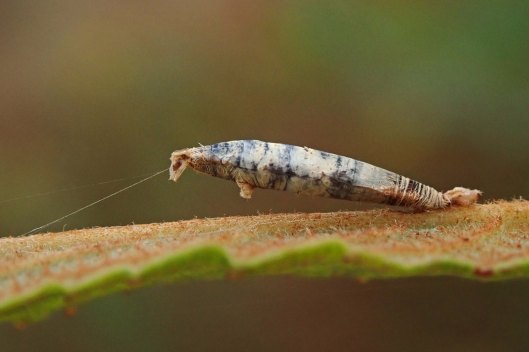
As these tiny leafhoppers (just 3.5-4.5mm in length) are most often found living amongst brambles and nettles, I’m not sure why their common name is Potato leafhopper. I found the two shown below on Prickly lettuce so, presumably, they browse widely on a variety of plant species.
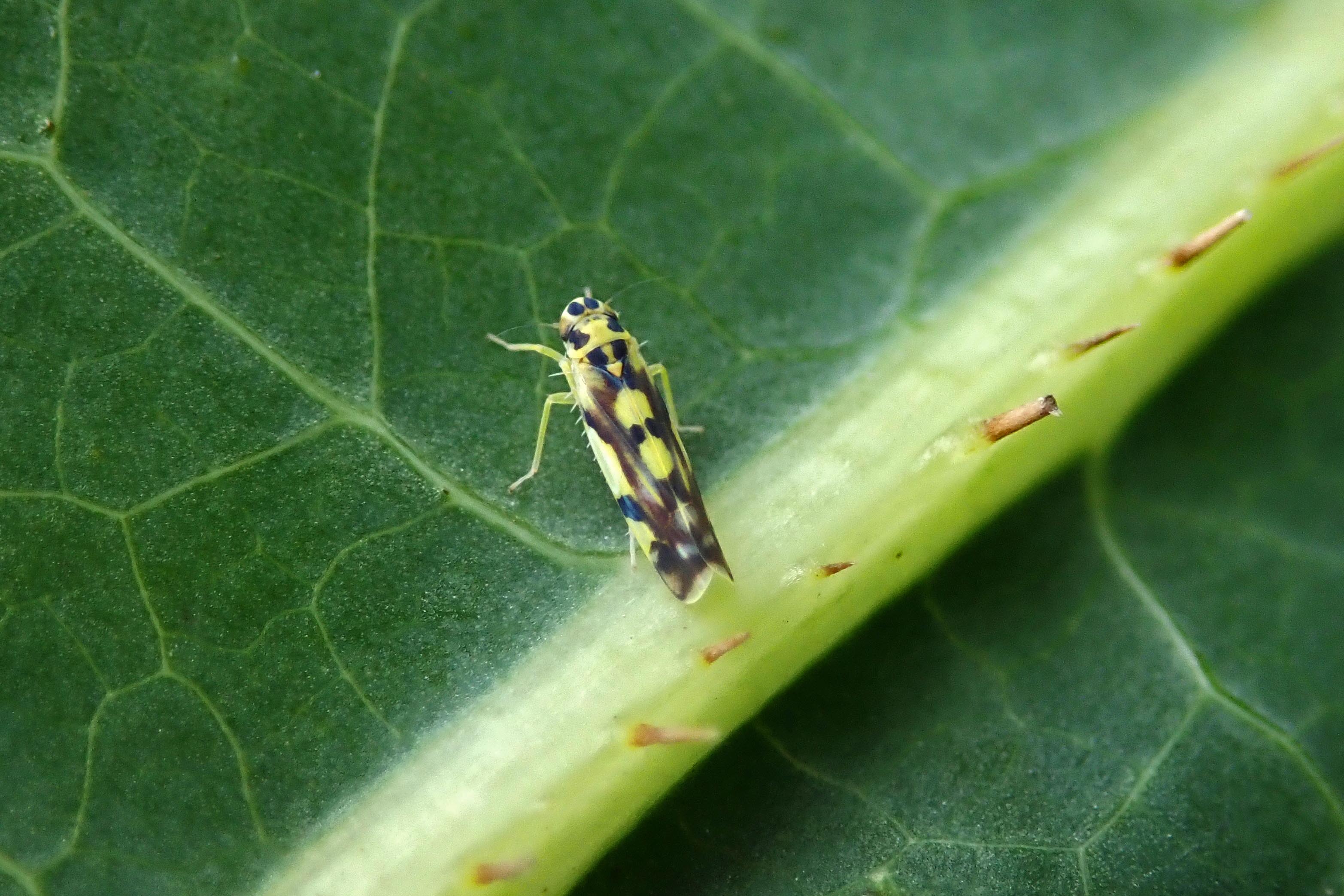
240919 Eupteryx aurata (1)

Their scientific name is Eupteryx aurata and, though all the other Eupteryx species are strongly marked, the dark spot patterns and what the British Bugs website describes as the ‘pale hour-glass on the top of the forewings’ are distinctive. These leafhoppers are common and can be found from May through to November.

240919 Eupteryx aurata (2)

A butterfly emergency

Tags

, , ,

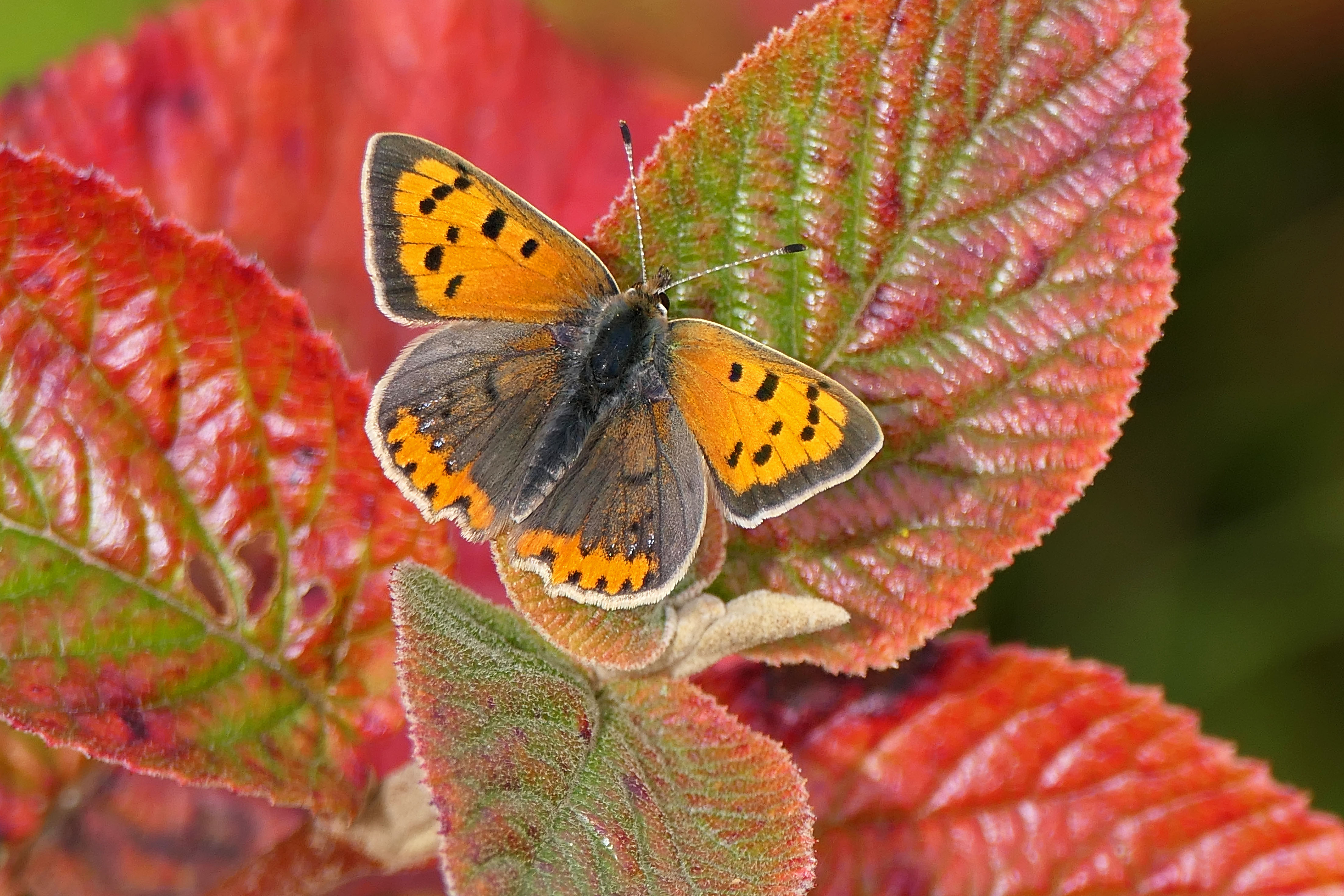
I had a different post planned for today but the release this morning by Butterfly Conservation of this year’s Big Butterfly Count’s horrifying statistics has prompted me to share the very sad but not entirely unexpected news that our butterfly populations are plummeting. The 2024 count’s dismal totals are the worst in its 14 year history, and it’s not just due to this year’s miserable wet weather. As Butterfly Conservation’s Head of Science, Dr Richard Fox has announced:

Butterflies are a key indicator species; when they are in trouble we know that the wider environment is in trouble too. Nature is sounding the alarm call. We must act now if we are to turn the tide on these rapid declines and protect species for future generations.

A butterfly emergency has been declared but will anyone listen?

240918 small copper

Juvenile Great crested grebes

Tags

, , , , , ,

This year’s Great crested grebe chicks are now at that awkward teenage stage, no longer the cute chicks they once were but also not yet the elegant adults they will become.

240917 juvenile great crested grebes (2)

The two above are quite fluffy still, and their black-and-white head stripes remain very obvious, whereas the juvenile bird below, which must have hatched earlier, is beginning to lose its stripes, and its body plumage resembles much more closely that of an adult. By the end of the year, all three will have moulted into their adult plumage and all traces of their babyhood will have disappeared.

240917 juvenile great crested grebes (1)

Leafmines: Mompha raschkiella

Tags

, , , , ,

Between June and July, and then again in September, the leafmines of the gorgeous little moth Mompha raschkiella (check out the adult on the UK Moths website here) can be found on their food plant Rosebay willowherb (Chamaenerion angustifolium).

240916 mompha raschkiella (1)

Beginning with a narrow linear mine that frequently follows the leaf’s midrib, the larvae chew their way along the leaf, eventually creating a blotch with a slight yellow caste that’s scattered with its poop (frass). When fully grown, the larvae cut a slit in the leaf, dropping to the ground to pupate. You can read further and see more images on the British Leafminers website.

240916 mompha raschkiella (2)

Meadow saffron

Tags

, , ,

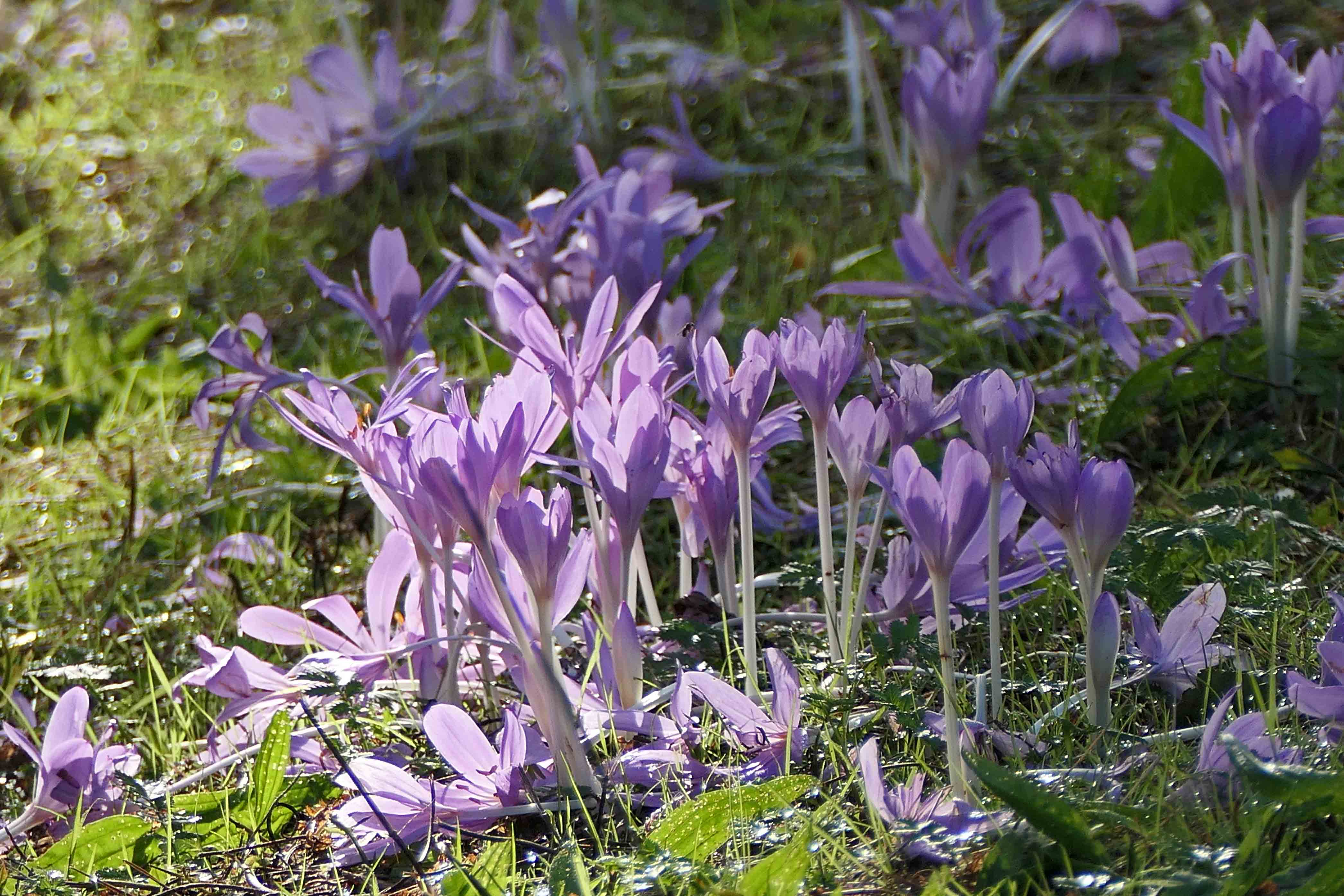
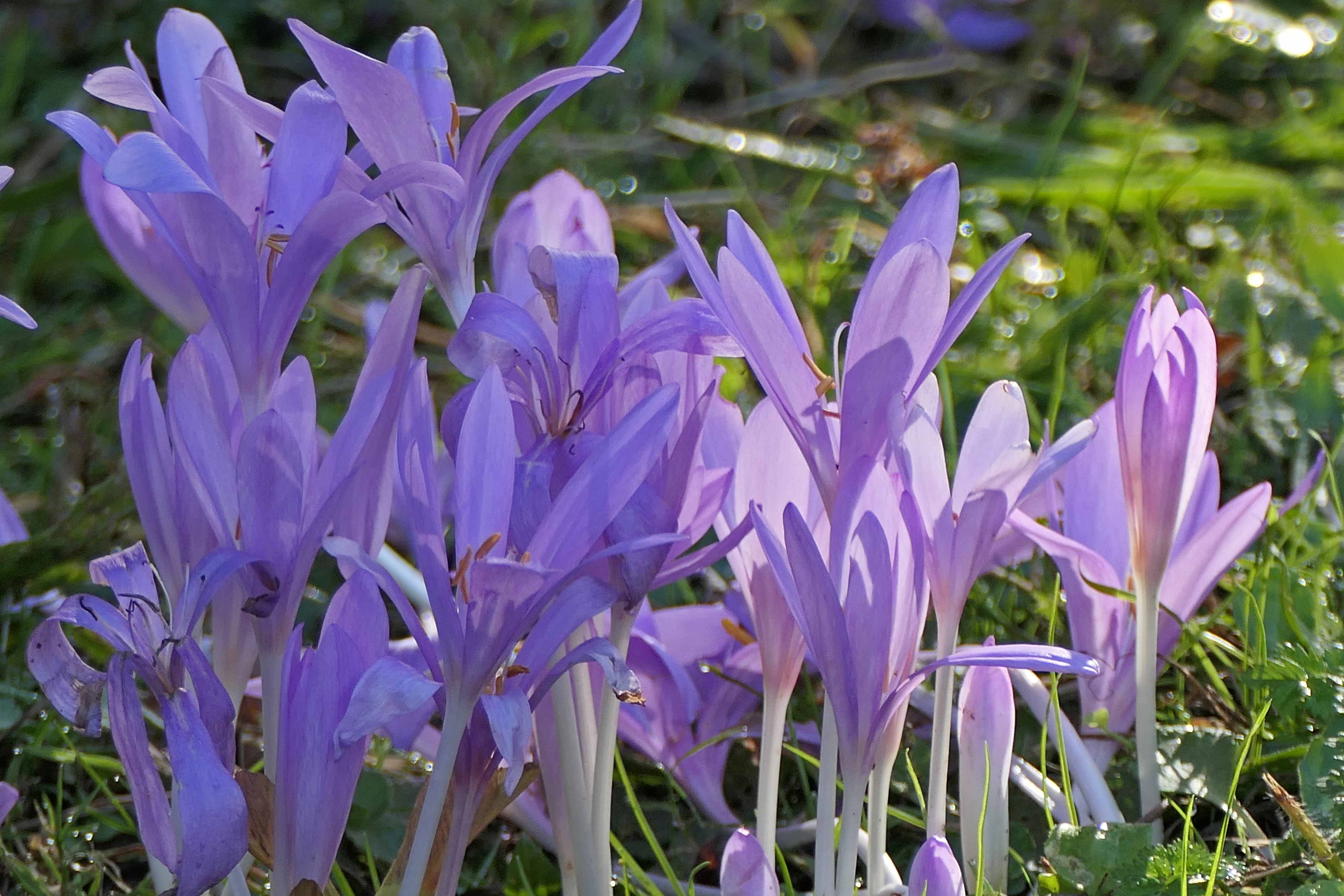
Meadow saffron (Colchicum autumnale), also known as Autumn crocus even though it’s not actually a crocus, is currently providing visitors to Roath Park Lake with a magnificent display of colour.

240915 autumn crocus (1)

As well as the grassy area near Roath Lake, these gorgeous plants bloom annually in Cardiff’s Bute Park. I’ve blogged about them before, and provided more information, back in 2016 (The Naked Ladies of Roath and Bute, 9 September).

240915 autumn crocus (2)

A foxy couple

Tags

, , ,

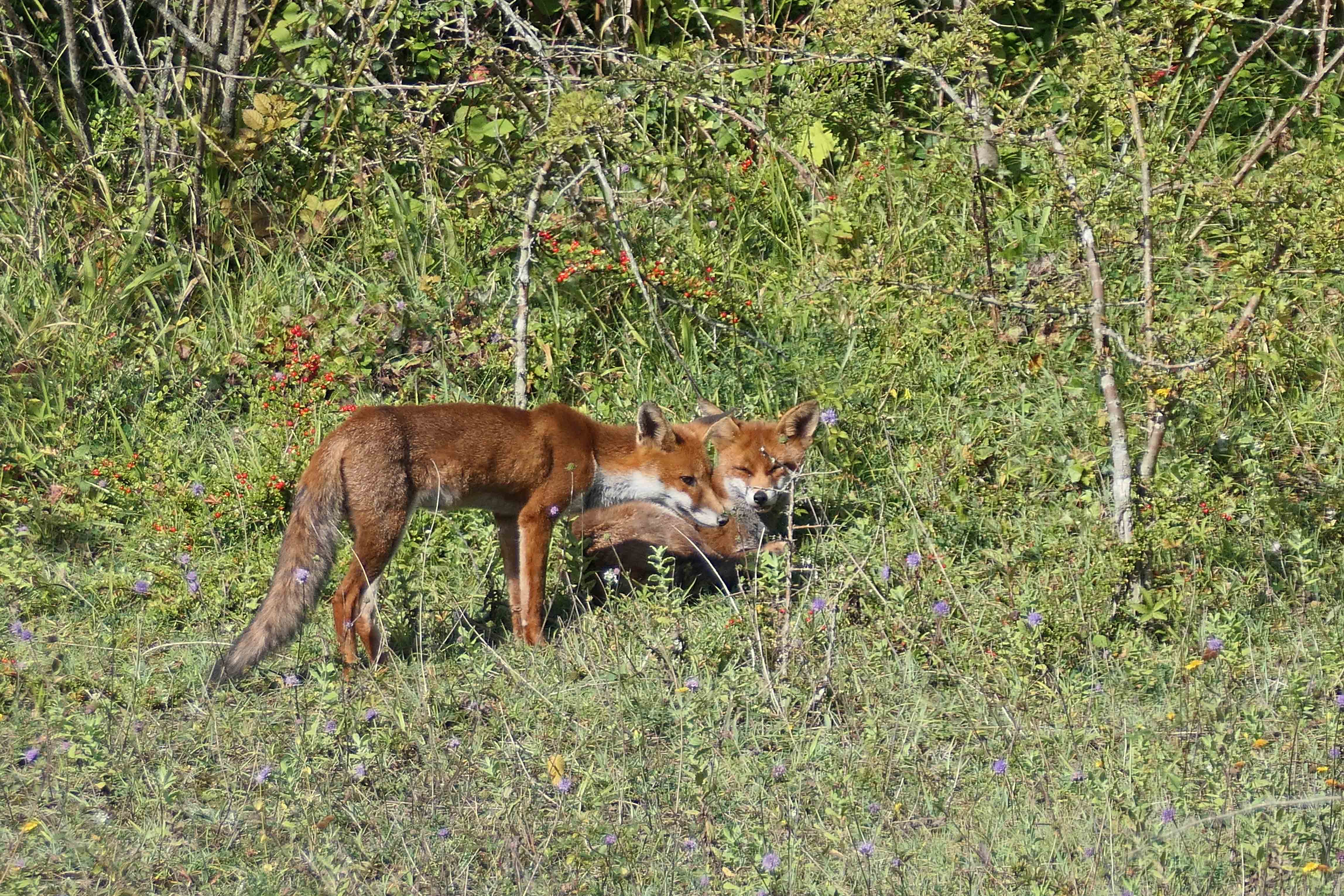
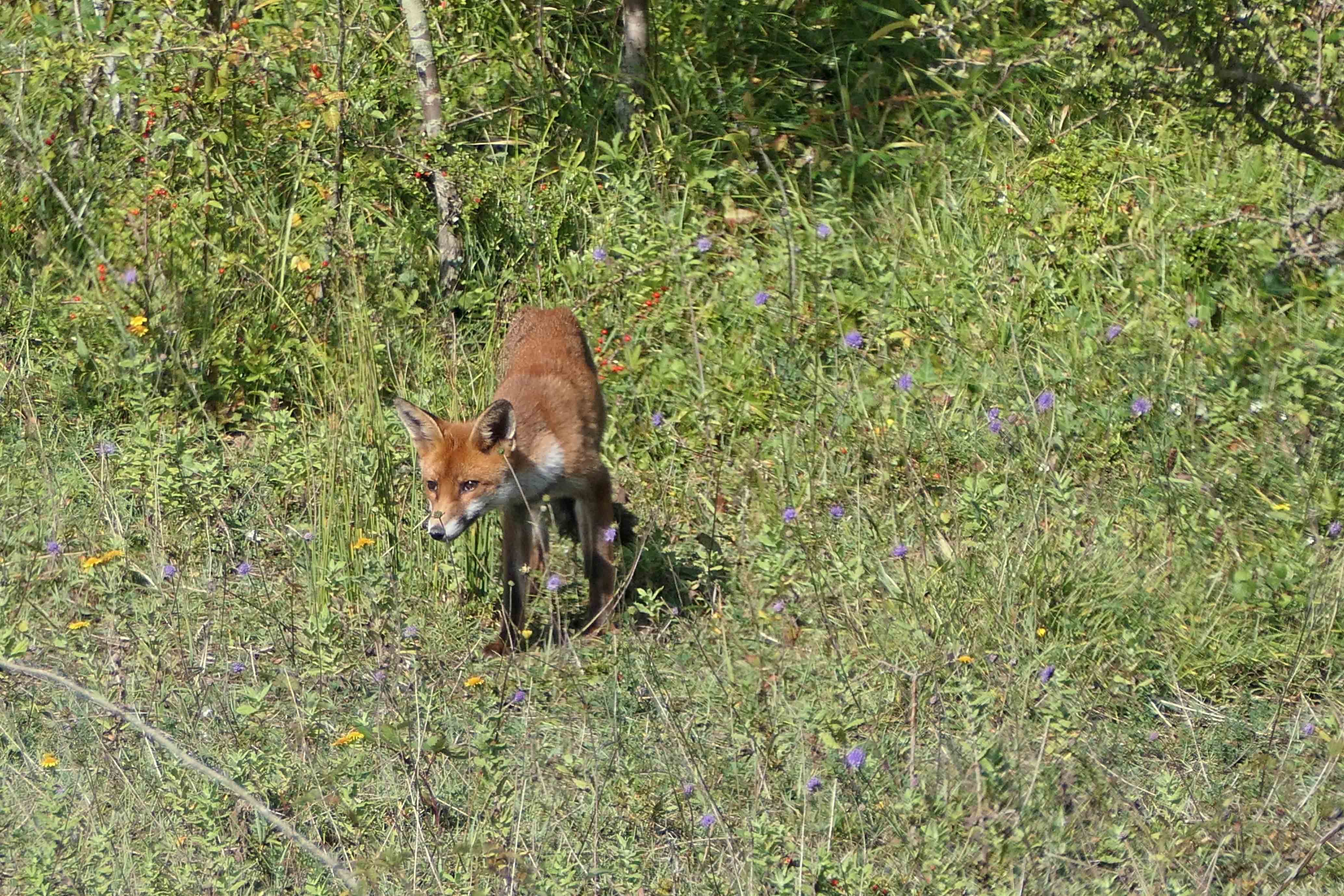
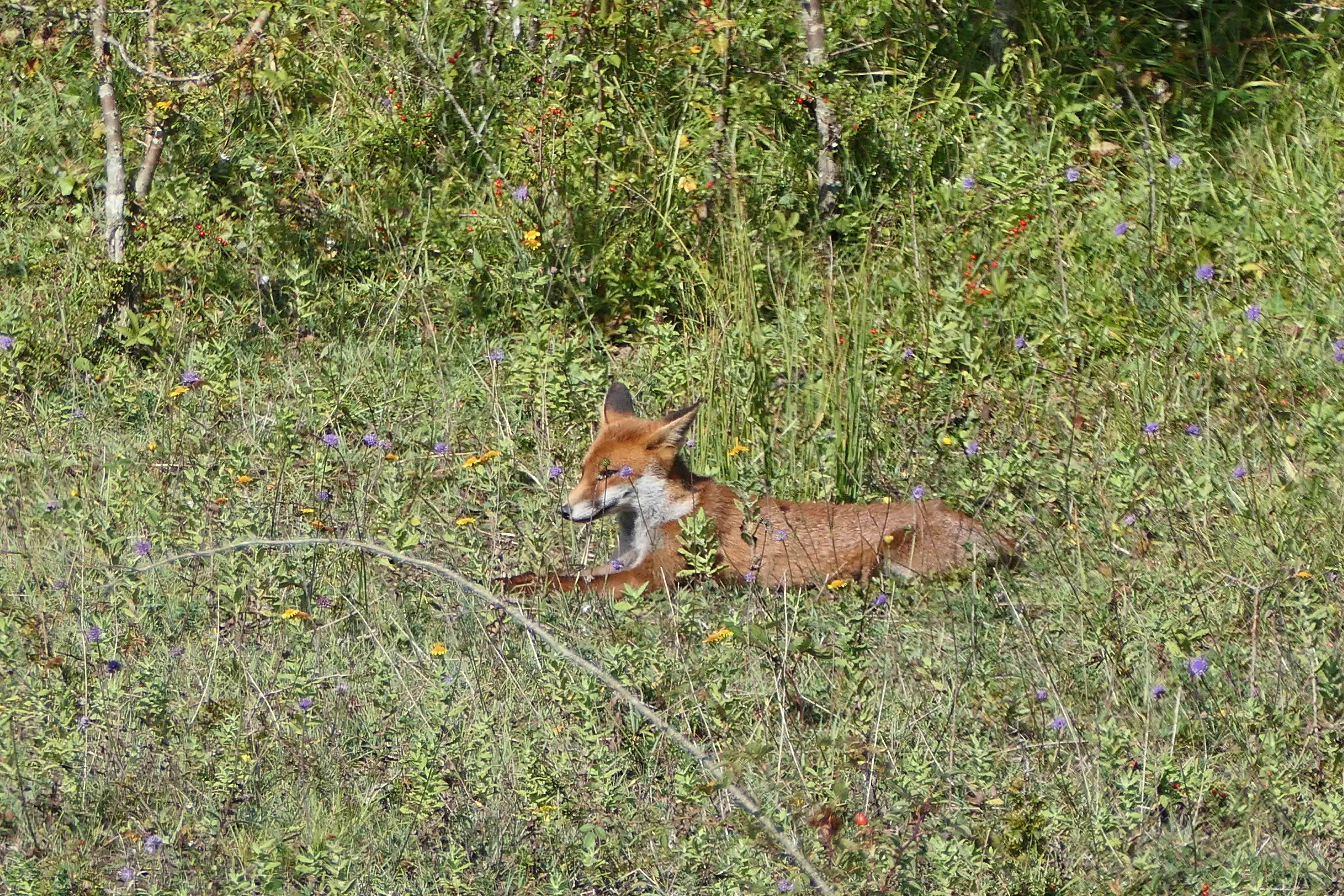
This handsome couple were my first fox sightings of the year.

240914 two foxes (1)

I’m assuming they’re a couple, as in partners, but they could just as easily be an adult and a juvenile.

240914 two foxes (2)

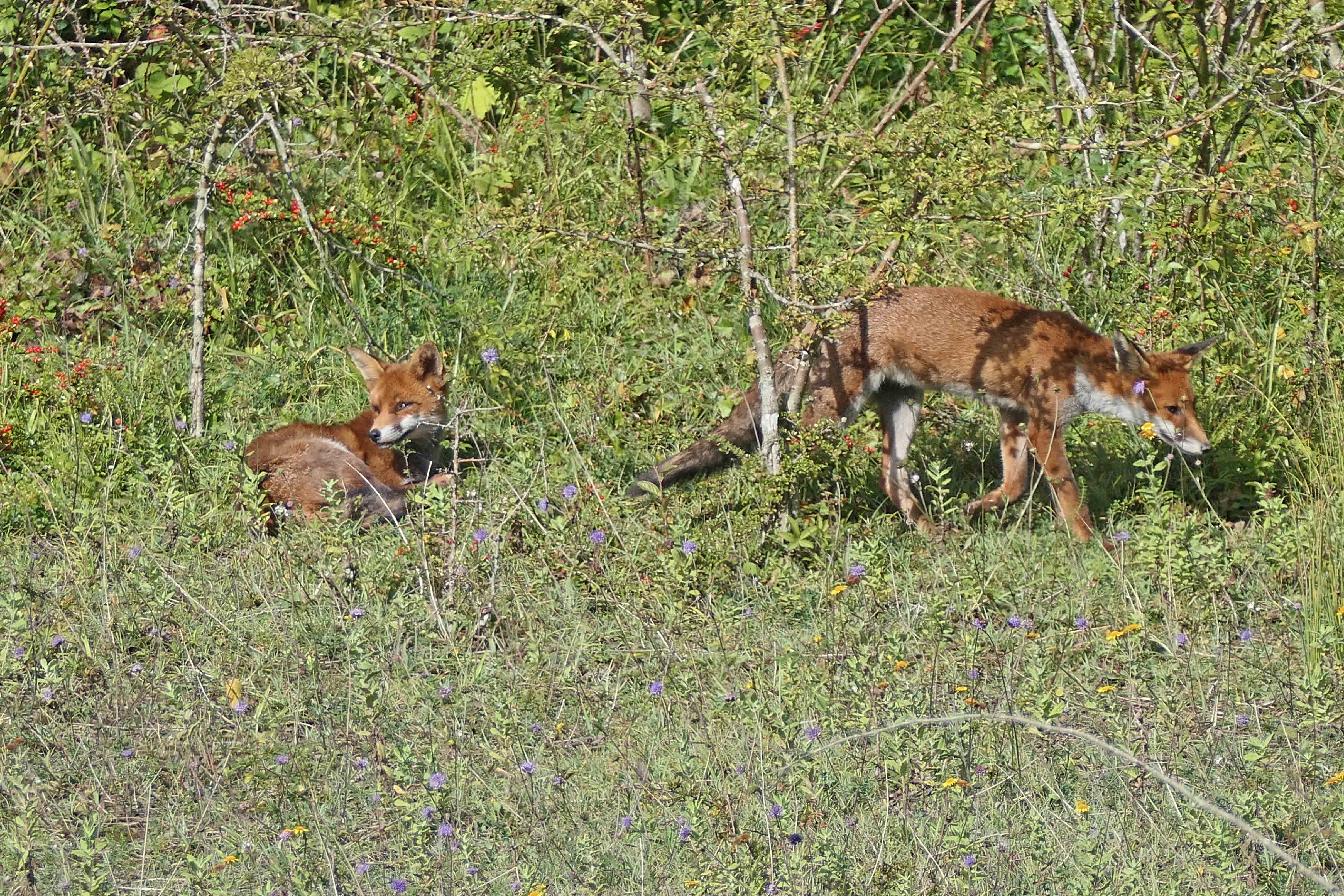
Although fox cubs are easily recognisable, I’m not sure how you tell the age of older foxes just from photos, or even how to tell male from female (unless you can see the more obvious signs).

240914 two foxes (3)

Whatever the circumstances, they were adorable to watch. And, as I was quite distant behind a fence and some shrubs, my presence didn’t disturb their sunbaking, though I’m sure they were aware of my presence.

240914 two foxes (4)

The parasitic wasp had been parasitised!

Tags

, , , , ,

This is an update on two previous blogs: Aleiodes mummy wasp, posted 28 August and Aleiodes wasp update, 5 September.
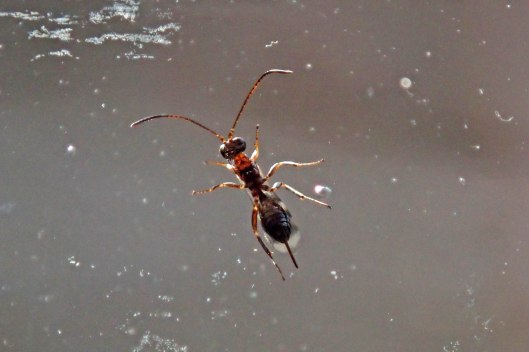
You might think this is like something out of a horror movie but I find it fascinating. I got an email a couple of days ago through iRecord (the national system through which biodiversity records are channelled so the verifiers can check them) from Gavin Broad of the Natural History Museum: ‘The mummy was indeed caused by an Aleiodes. However, the wasp which emerged is a Gelis sp. (probably Gelis areator), which has parasitized the Aleiodes.’
So, just to be clear …

a moth caterpillar was parasitised by an Aleiodes wasp

and the Aleiodes wasp larva was parasitised by a Gelis wasp. Amazing!

Leafhopper: Acericerus species

Tags

, , , , ,

I’ve been leaf-bothering a few times recently at Cardiff’s Cathays Cemetery in an attempt to re-find the species of leafhopper (Zyginella pulchra) that I found ‘new to Wales’ back in 2016 (First recorded sighting in Wales!, September 2016). I’ve had no luck with that so far – I’m planning more visits, but I have found a few other nice leafhoppers at the cemetery and in nearby Heath Park (those leafhoppers will feature in future blogs).

240912 Acericerus sp (1)

Though I thought its markings quite distinctive, today’s handsome leafhopper can only be identified to species, one of the Acericerus species to be precise. According to the Cicadellidae species list on the British Bugs website, there are three possibilities: Acericerus heydenii (British Bugs has no page dedicated to this species but I found it on Naturespot), A. ribauti and A. vittifrons. To be honest, none of these look anything like my photos (mine were identified as Acericerus species by the national records verifier), so I assume the two I found were nymphs and thus were sporting the colouration and patterning of immature specimens. Leafhoppers can be tricky, and I obviously need to search further.

240912 Acericerus sp (2)

A new sawfly slug

Tags

, , , ,

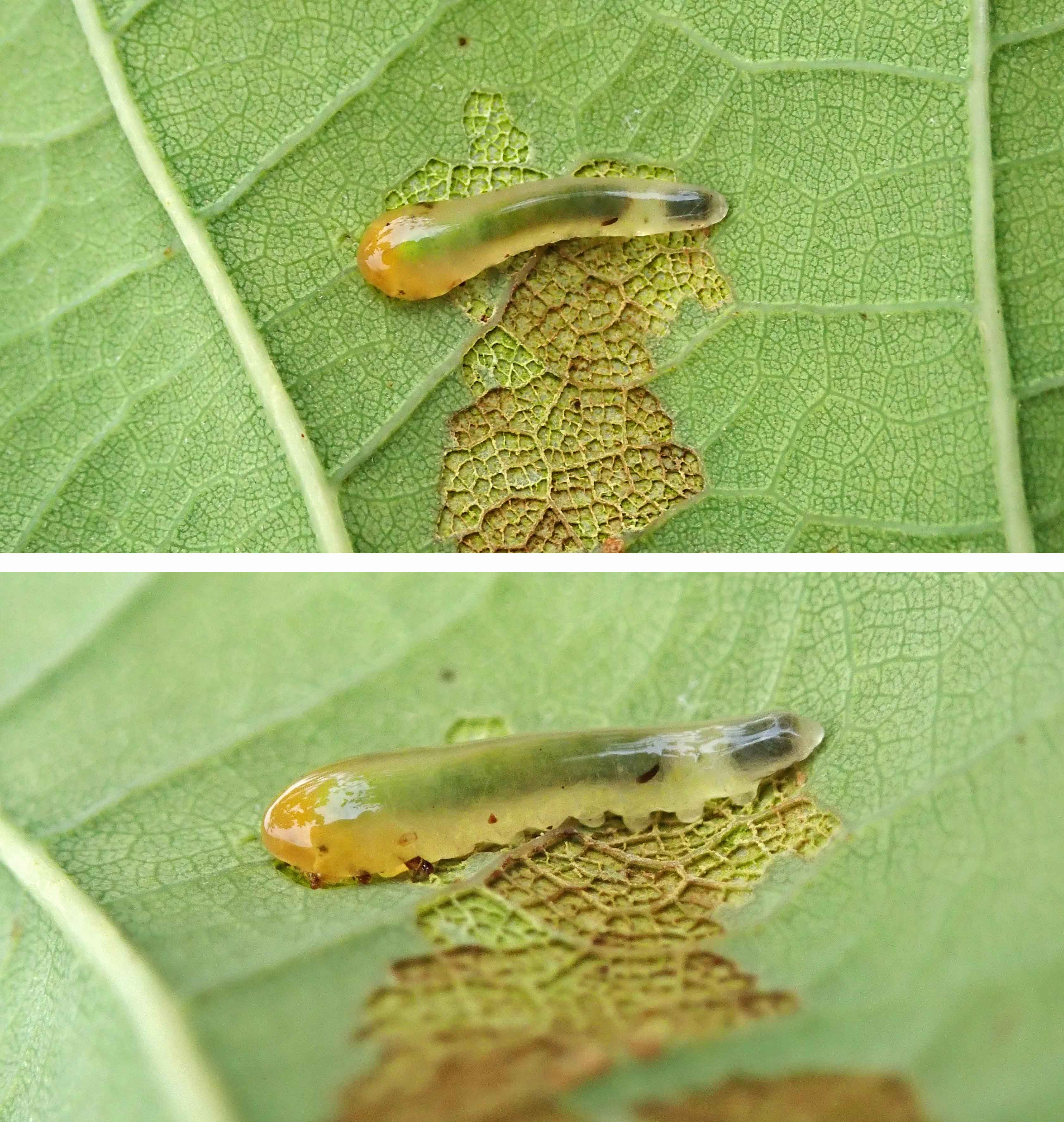
Back at the start of August, I blogged about The weird & wonderful world of Sawfly larvae, which included two of the slug-like species Caliroa annulipes and Caliroa cerasi. Recently, I found another one, Caliroa cinxia, a larva that looks very similar to Caliroa annulipes but its front end – more accurately, its thoracic region – is much more yellow in colour. You can read more about it and see what the adult sawfly looks like on The Sawflies (Symphyta) of Britain and Ireland website.

240911 Caliroa cinxia

A six-Wheatear walk

Tags

, , , , , ,

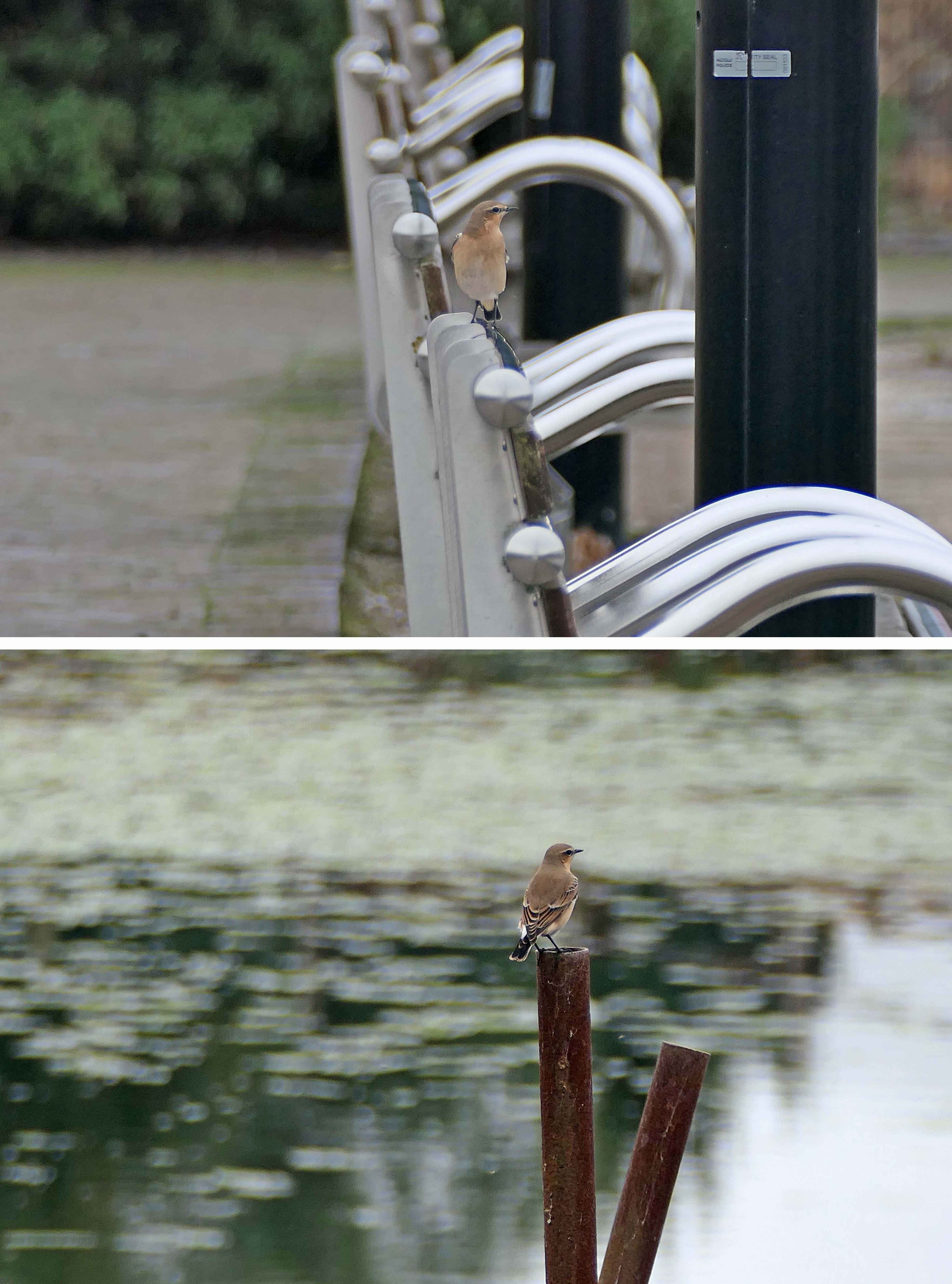
I can’t recall whether I’ve ever seen so many Wheatears in one day so Saturday’s walk around part of Cardiff Bay, with good views of six Wheatears, was certainly a walk to remember.

240910 wheatears (1)

It was a flash of the white rump feathers of a Wheatear flitting from one rock to another that alerted me to the first group of four birds, moving together along the embankment of the River Ely.

240910 wheatears (2)

And then, on the other side of the Bay, two more Wheatears were foraging for food along the edge of one of the old docks. What a thrill to see so many of these beautiful birds during their brief migration stopover!