Leafmines: Antispila petryi

Tags

, , , , ,

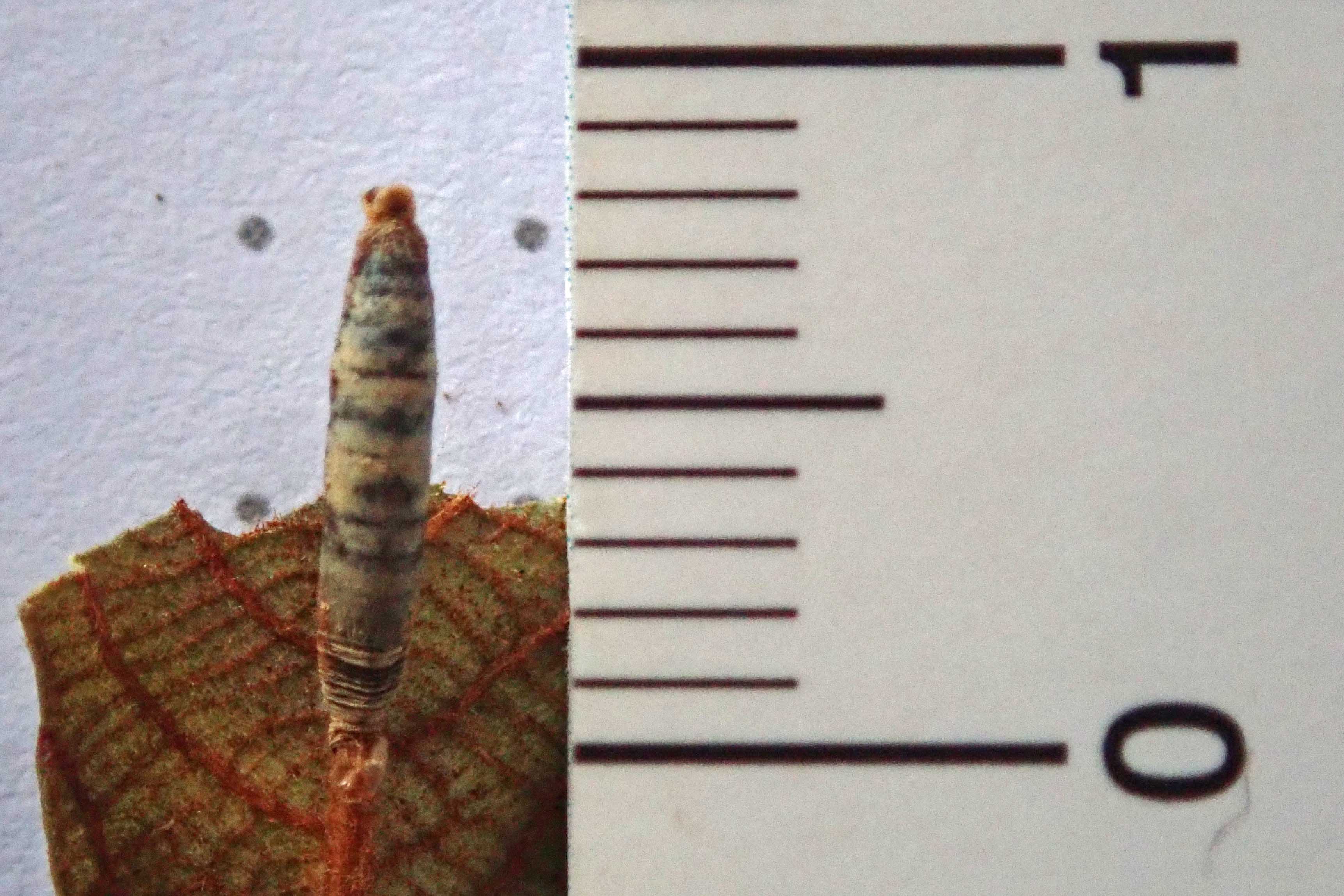
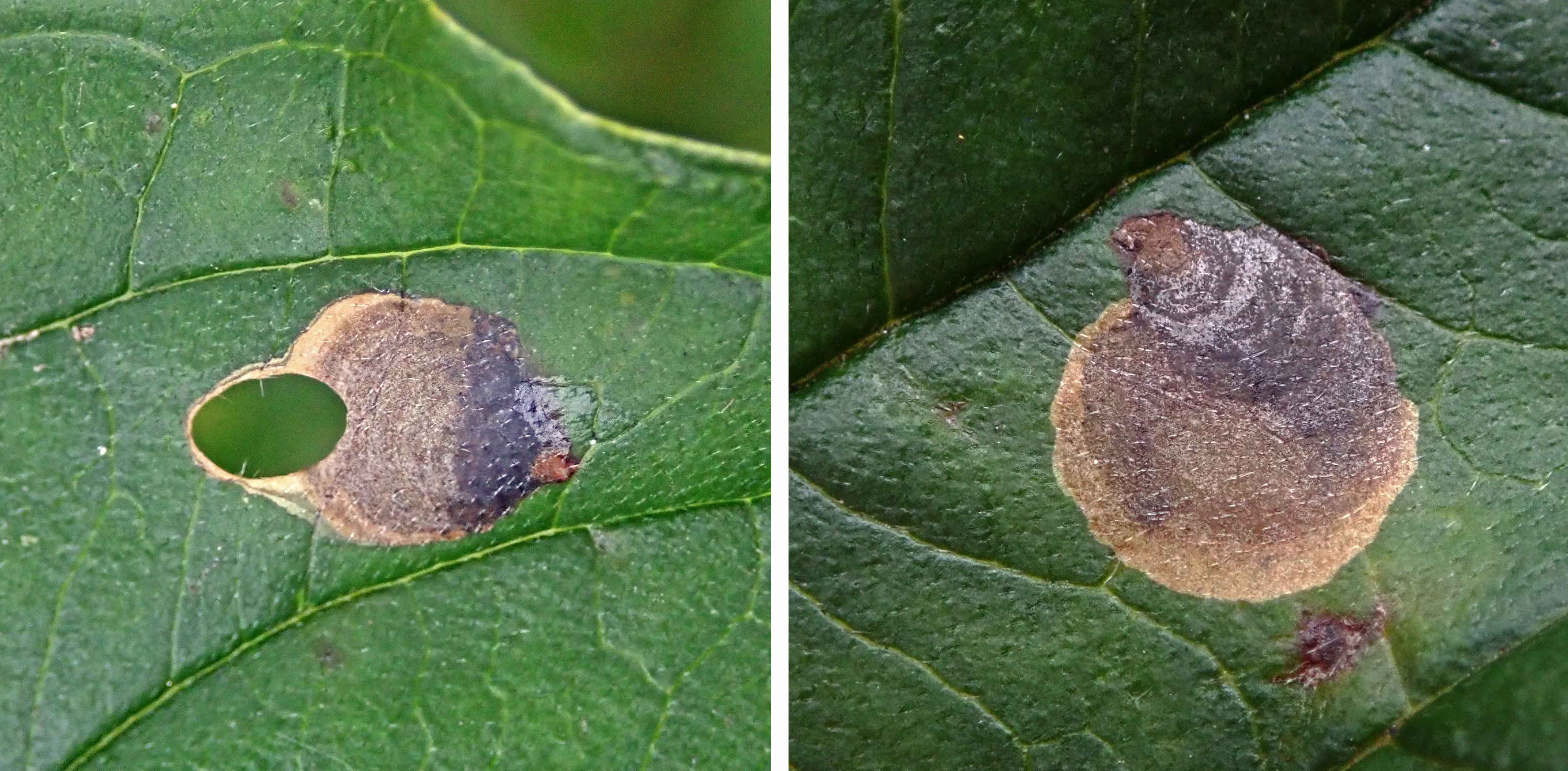
Prompted by a post on Twitter by Butterfly Conservation’s Head of Science Richard Fox, I spent some of last Monday’s walk checking for mines on the leaves of Dogwood (Cornus sanguinea), a plant I tend to ignore when leaf bothering. I got lucky, finding several mines when checking the first Dogwood I came across.

240909 Antispila petryi (1)

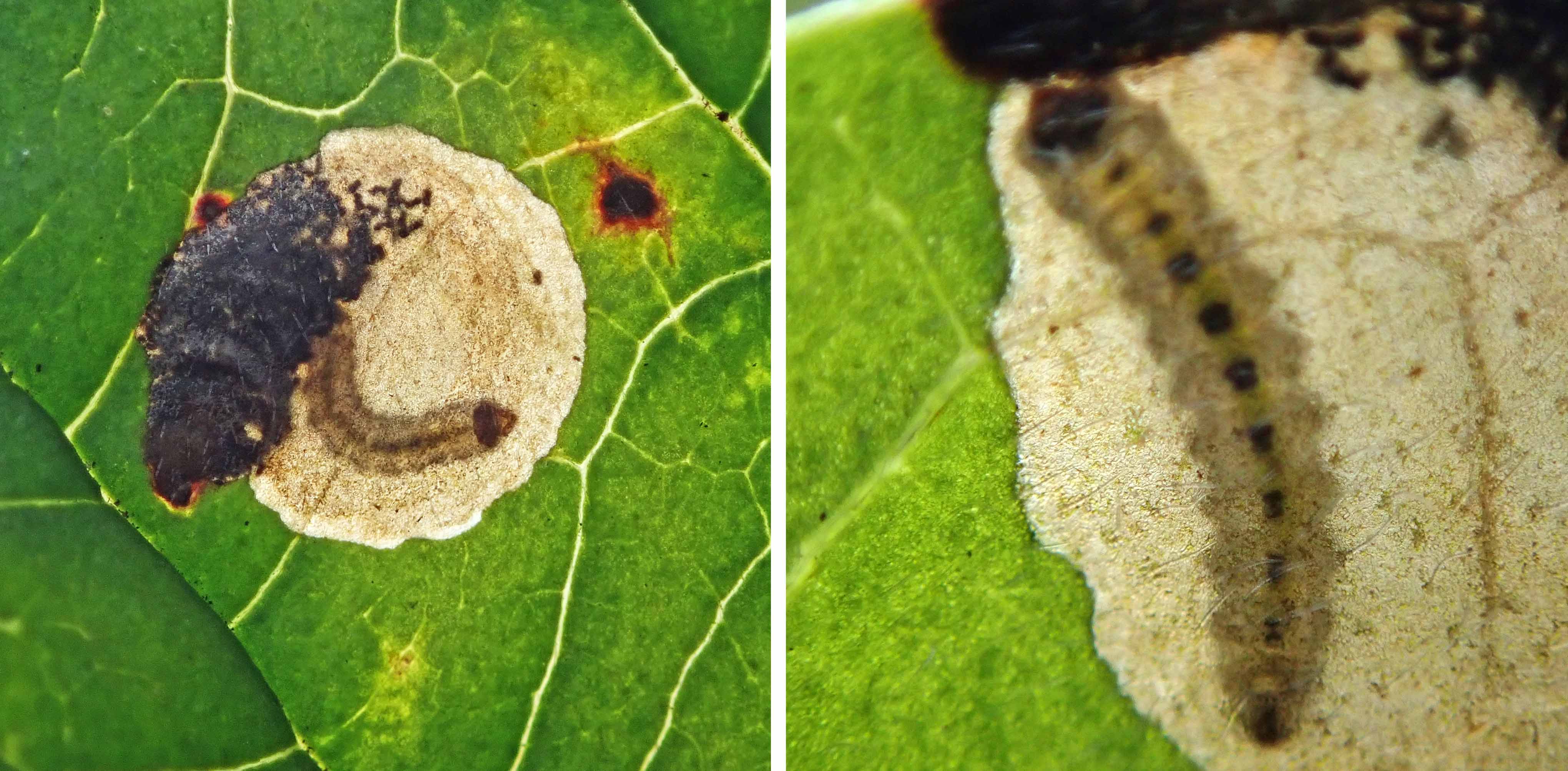
There are two leafminers that make very similar mines so it’s important to check the larvae if they’re still present. If the larvae have dark spots along the centre of their bodies, they are Antispila petryi (a little moth that’s also known as the Dogwood cutter); if there are no spots, they are Antispila metallela (Shining dogwood cutter). As you can see, the larvae I found have spots, so are the former.
240909 Antispila petryi (2)

When they are fully grown, the larvae cut out an oval from the leaf to make themselves a case and drop to the ground to pupate, hence the holes shown in my photos. The mines can be found from August to October.
240909 Antispila petryi (3)

When I checked the Welsh biodiversity records database, I found that there were very few Welsh records, and none in my area. However, a few days later I found more mines in another location so it seems that, like many other leafminers, this species is under-recorded. I’m now on the look out for the other species, Antispila metallela.

Climbing plants

Tags

, , , , , , , ,

Last week’s challenge for Wildflower Hour on social media was to find climbing plants that were in bloom, and there were lots of wonderful examples of flora with a penchant for climbing. These are some I’ve found locally that are still in flower …

240908 bindweed hedge and field

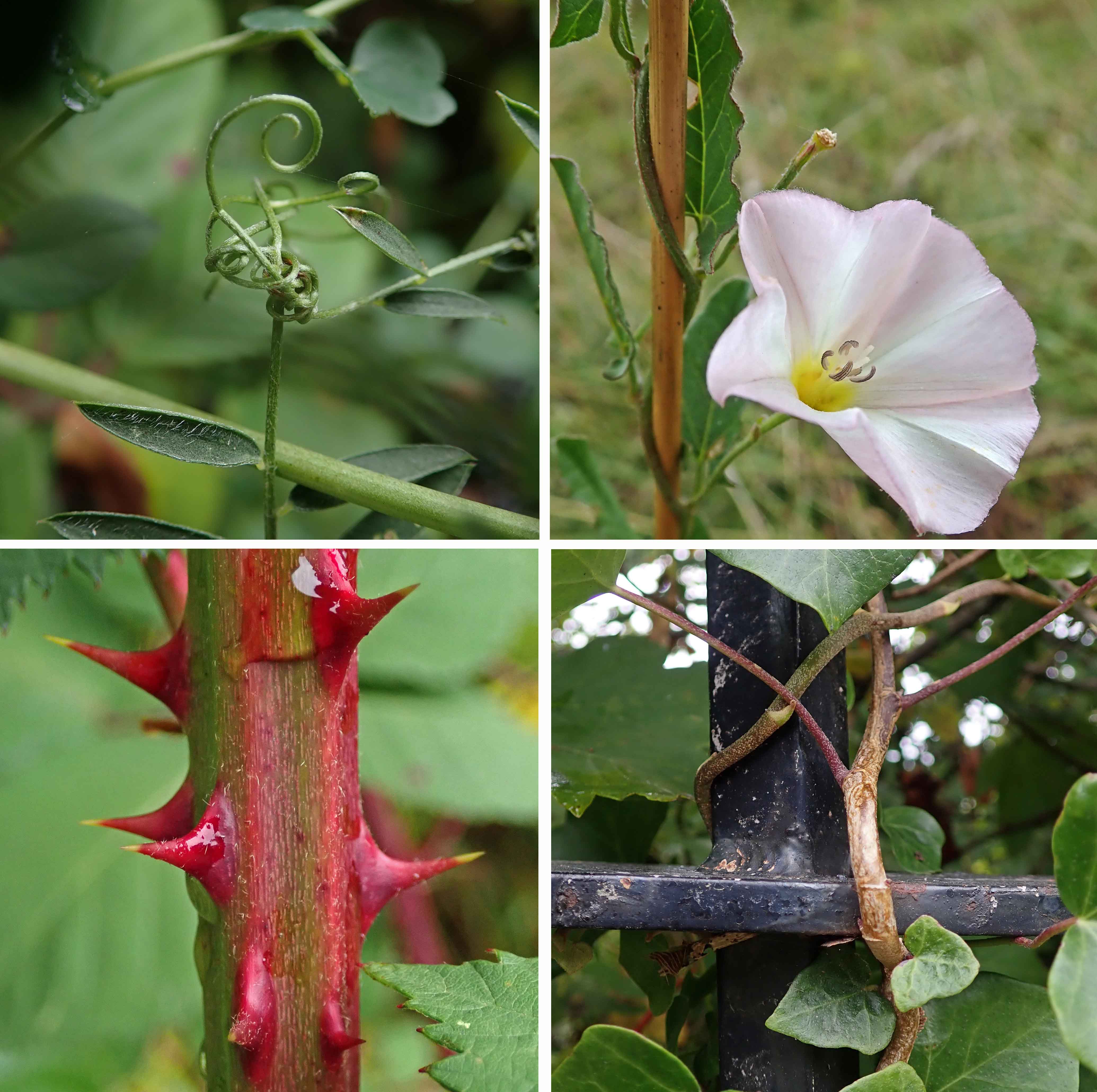
The bindweeds – these are Hedge bindweed (top) and Field bindweed (below).

240908 ivy bramble

Ivy (it’s only just coming into flower in my area so this was difficult to find) and Bramble (most plants are now covered in delicious berries but I found a couple in bloom).

240908 old mans beard honeysuckle

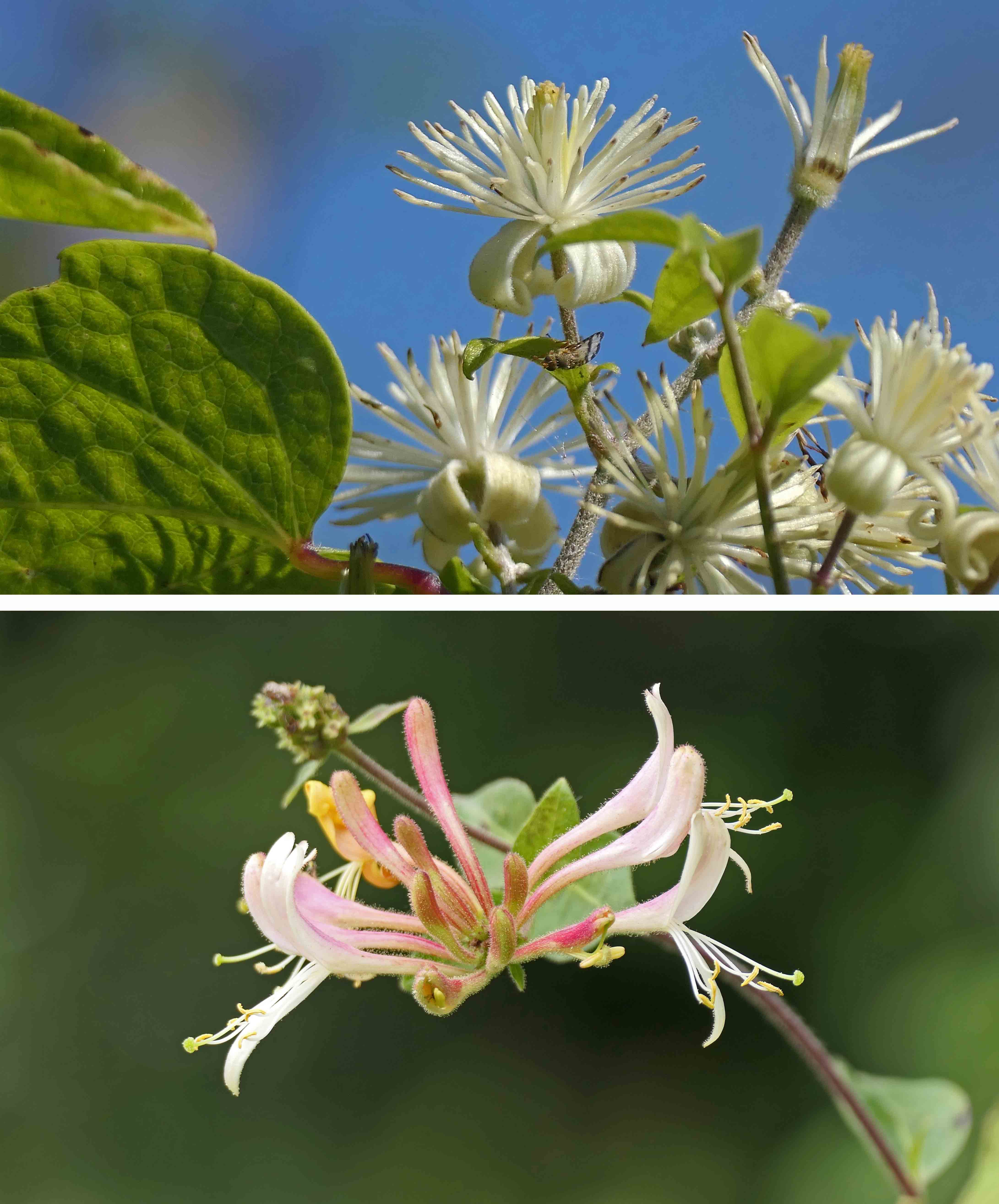
Old man’s beard (also known as Traveller’s joy) and Honeysuckle.

240908 vetches

The vetches: Tufted vetch and Meadow vetchling (most of the vetches have now finished flowering).

240908 x how they climb

How plants climb:
The twisters: plants like Old man’s beard and Honeysuckle, and the various species of vetch, all twist themselves around other plants to gain support and climb upwards.
The grappler: think of those thorns on Bramble and the many rose species, used like grappling hooks to grab on to anything that will support them.
The clinger: Ivy is a good example of this, producing roots along its stem that help it cling to other plants, as well as to wooden posts, and brick and stone buildings.

Leafhopper: Populicerus confusus

Tags

, , , , , ,

I found this little leafhopper a few weeks ago but it sometimes take a while for the verifiers to check records (that’s not a criticism – they are almost all volunteers, and I am hugely grateful for their efforts). And, to be honest, I wasn’t sure this would be accepted as I read on one website that the species could only be identified by examination of its internal genital structure. Fortunately, that didn’t prove necessary in this case.

240907 Populicerus confusus (1)

So, meet Populicerus confusus (also known as Idiocerus confusus), a leafhopper that can be found throughout Britain, living on the various species of willow (Salix species), usually in the damp environments preferred by those trees. The two I spotted quite close together were on a young willow at Cosmeston Lakes Country Park.

240907 Populicerus confusus (2)

Like most members of the Cicadellidae family, Populicerus confusus is small, between 5 and 7mm in length. It is mainly yellow-green, with rusty colouring on the inside of its forewings and, often but not always, a brownish posterior. The adult leafhoppers can be seen from June to October.

A second Black-necked grebe for 2024

Tags

, , , , ,

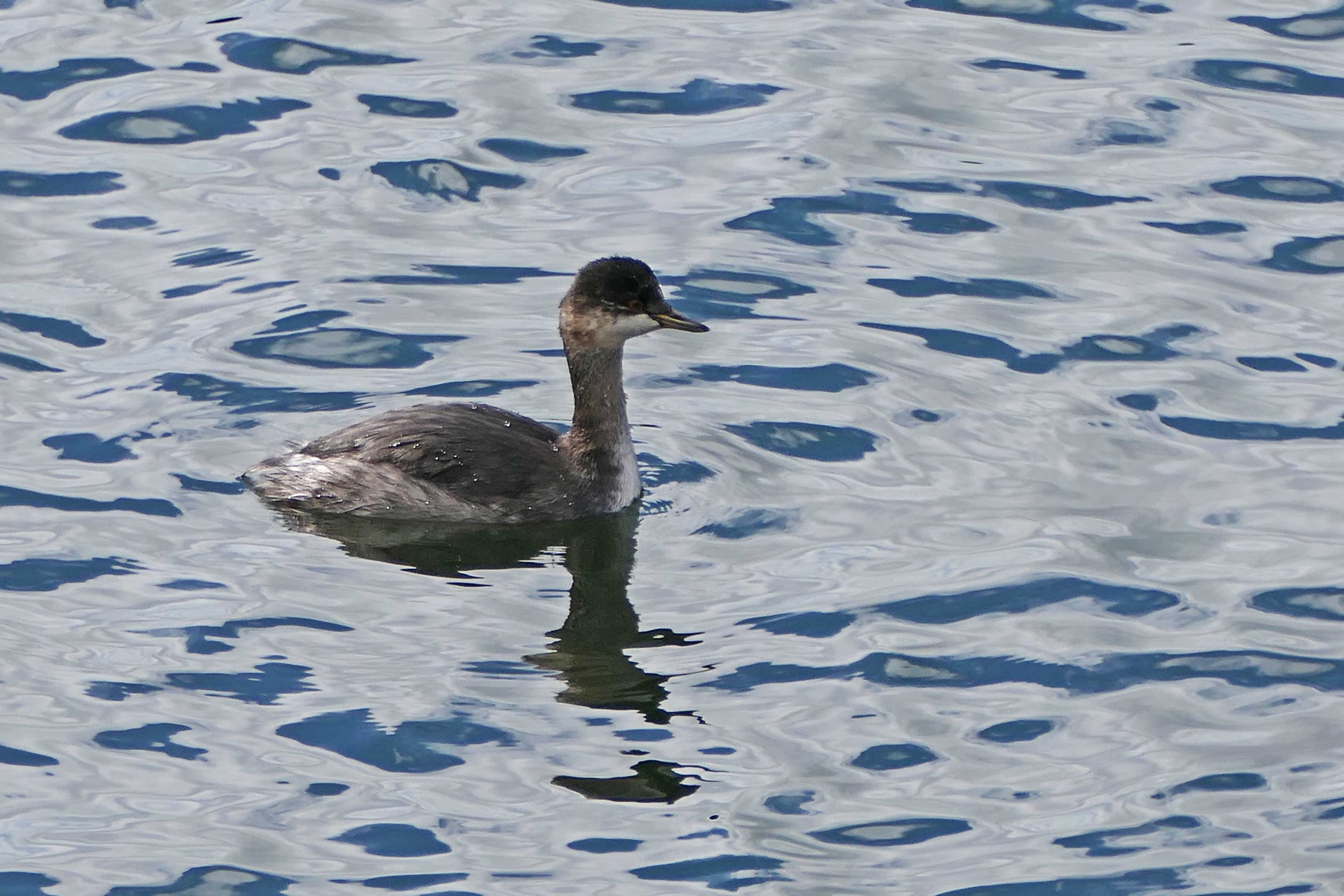
This little beauty first appeared on Cardiff’s northern reservoirs, with another of its kind, on 31 August. As I’d already seen a Black-necked grebe (Podiceps nigricollis) this year in Cardiff Bay (Another rare grebe, 24 January) and because I’m not keen on the crowds of school holiday visitors, I put off visiting – and crossed my fingers that they would stay a while – until this week.

240906 black-necked grebe (1)

One of the grebes only stayed a day or two but the other is still present, despite being frequently disturbed by the human water traffic on Llanishen Reservoir. I was lucky to get close, though fleeting views before the bird was scared much further away by a trio of your paddleboarders.

240906 black-necked grebe (2)

Aleiodes wasp update

Tags

, , ,

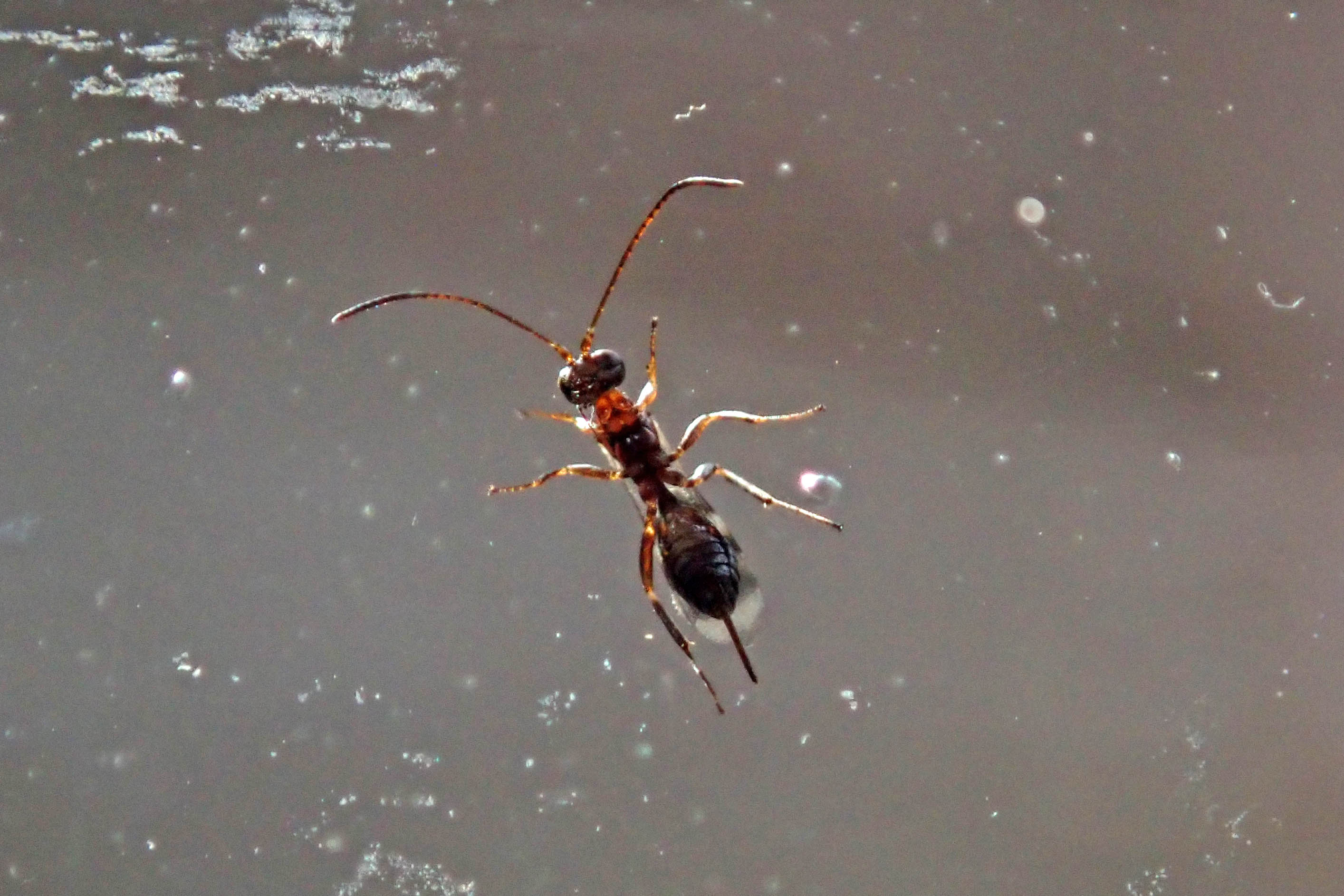
When I checked the jars on my kitchen window sill yesterday morning, I discovered the Aleiodes wasp I blogged about last week had hatched (Aleiodes mummy wasp, 28 August). And here she is …

240905 aleiodes wasp (3)

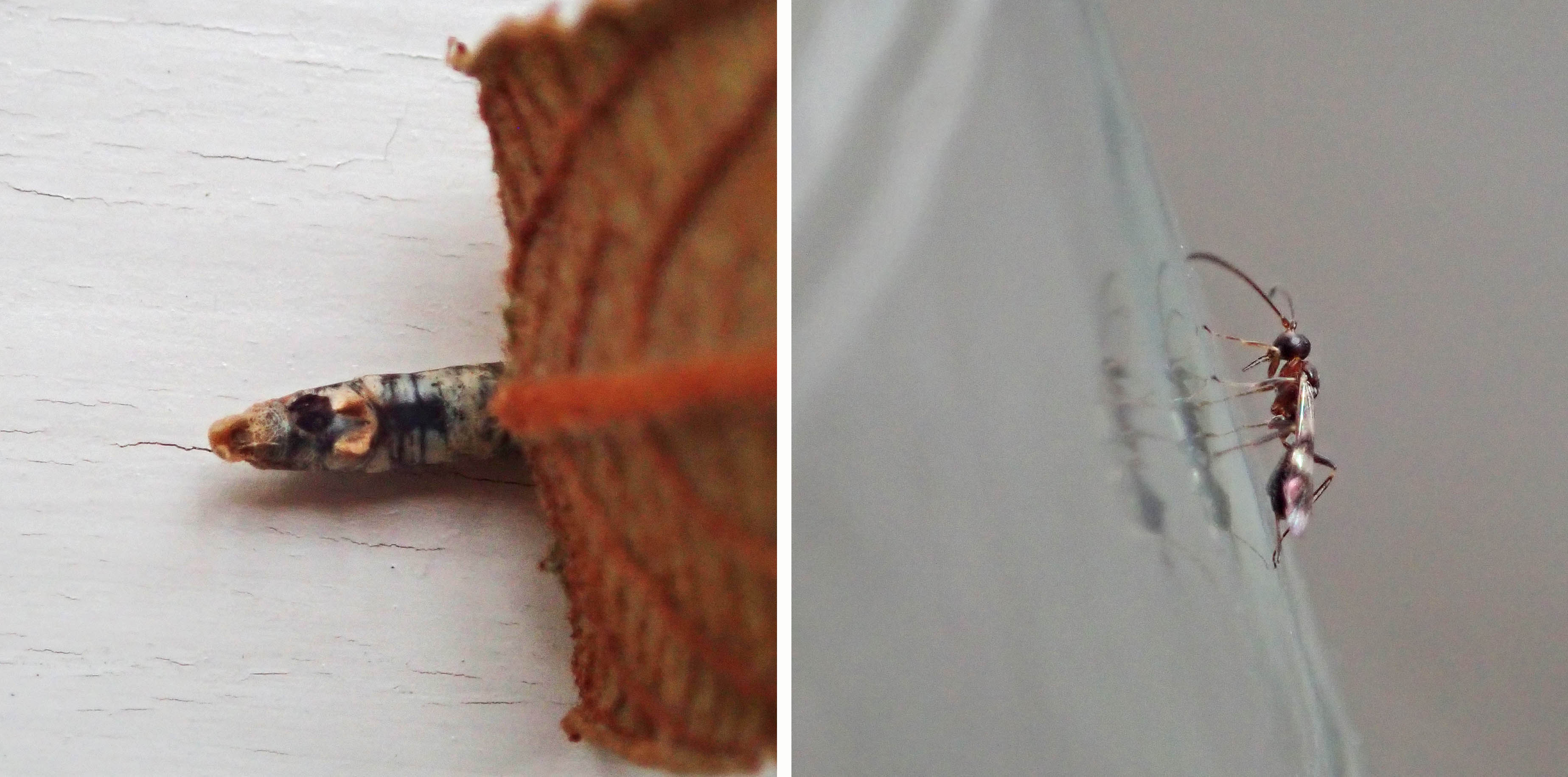
The photo above was taken through the glass of its jar so apologies that it’s not very sharp, but you can see she’s a female by the presence of the sharp ovipositor poking out the bottom of her body. And a reminder, below, of how small the cocoon was: approximately 7mm long, so I would guess the wasp was around 6mm.

240905 aleiodes wasp (2)

Finally, the image on the left below (also not very clear) shows the small circular dark hole on the underside of the cocoon where the tiny wasp had chewed her way out into the world. And, on the right, the wasp sitting, very briefly, on the outside of the jar before she flew off to begin her life in the wild.

240905 aleiodes wasp (1)

Galls: Dasineura crataegi

Tags

, , , , , ,

Teeny tiny mites have caused this damage to the tips of new branches on Hawthorn bushes (Crataegus species). Mites are so tiny that they can feed on individual plant cells, and it is this feeding that distorts and deforms the new leaf growth. These particular mites are called Dasineura crataegi, and the galls they create are known as Hawthorn button-top galls.

240904 Dasineura crataegi

Apparently, these galls are quite common but I’ve only seen them recently. All plant growth in the field where these Hawthorn bushes are growing is usually cut to the ground in late Autumn but that cut wasn’t down last year, possibly because it was too wet. This has allowed Hawthorn seedlings to grow where they usually wouldn’t, and it is on these young Hawthorns that the mites are thriving. It will be interesting to see if the galls appear again next year if the annual cut goes ahead.

Female Garganey

Tags

, , , , , , , , ,

Back in September 2017, I wrote a blog about the experience of seeing a female Garganey on Roath Park Lake (Autumn migration: Garganey).

240903 garganey (1)

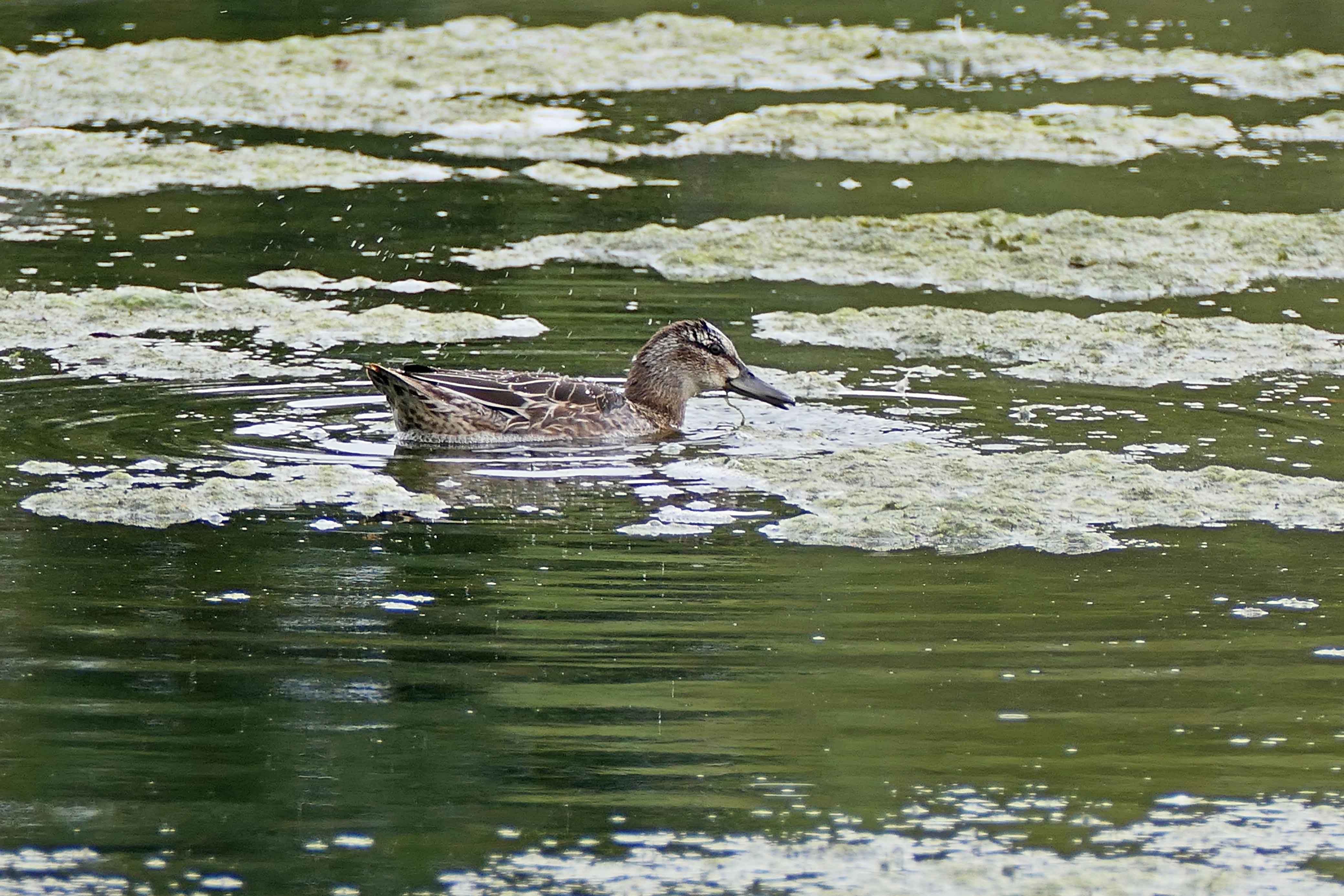
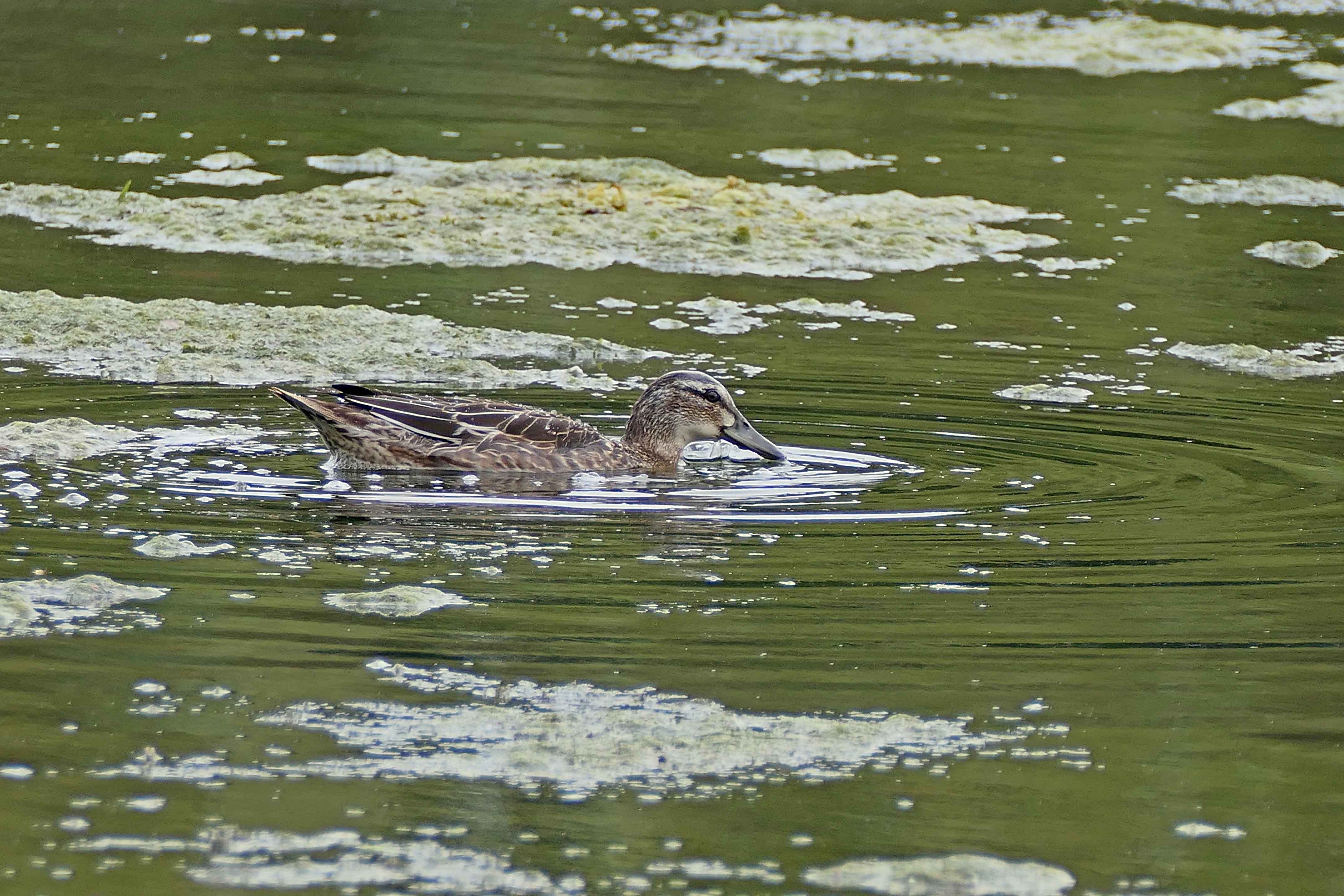
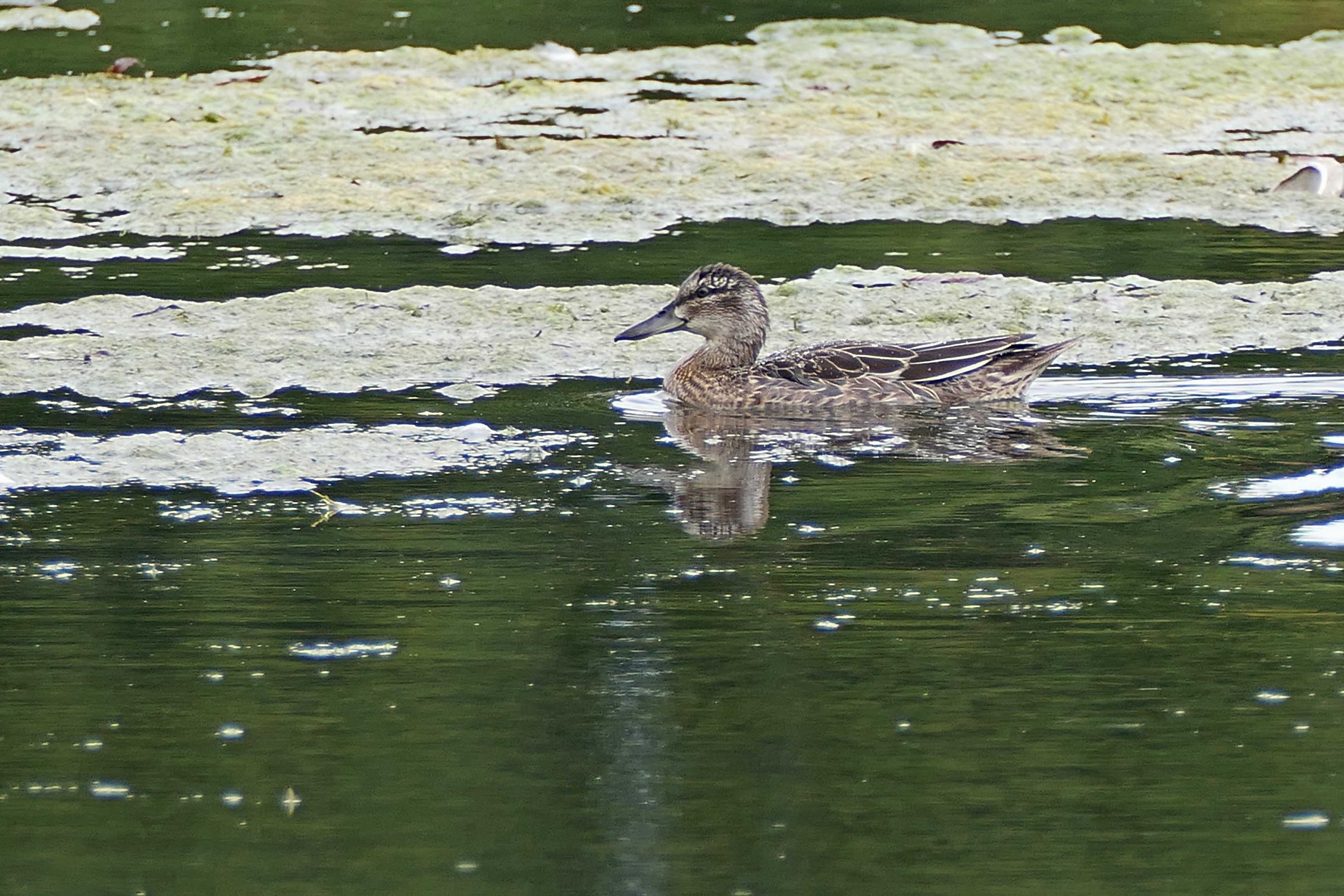
Roll forward seven years to last Tuesday, 27 August, and my trip to north Cardiff was almost an exact repeat of that day in 2017: searching but not initially finding the bird; going for a walk and trying again (though this time I had some help from a local birder who’d seen the Garganey earlier that morning); noting how she was feeding so frequently amongst the lake weed that most of my photos were of a headless duck.

240903 garganey (2)

As with so many duck species, the female Garganey (Anas querquedula) does not have the showy plumage of the male of the species but this was a gorgeous, very dainty little duck. And, once I did eventually find her, she was a joy to watch.

240903 garganey (3)

Leafmines: Caloptilia stigmatella

Tags

, , , , ,

Another Monday, another new leaf mine – they’re never ending!

240902 Caloptilia stigmatella (1)

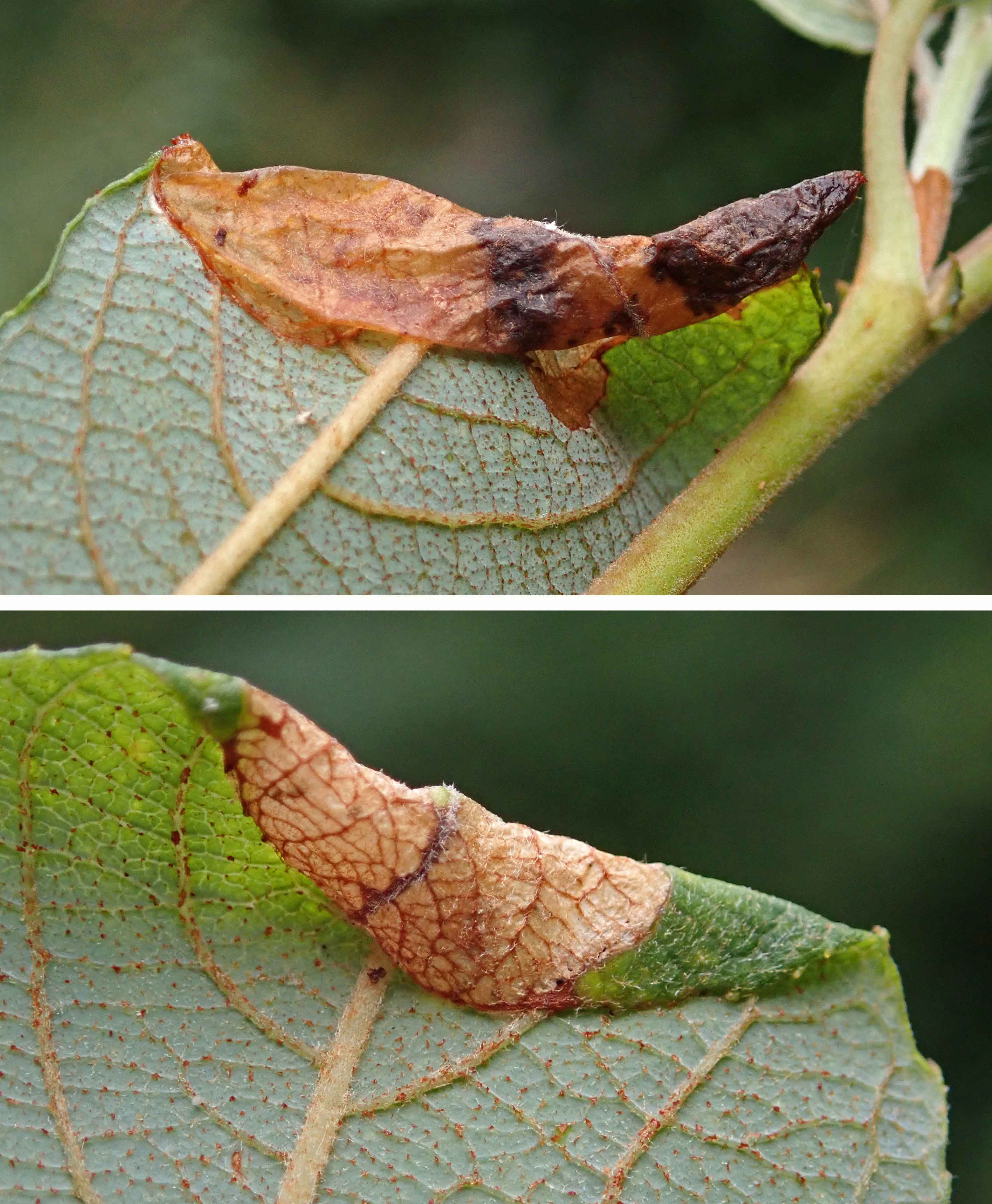
Now, this may not look like a mine but what’s happened is this: once hatched from its egg, the larva chewed an initial linear mine in the surface on the underside of the leaf – this species uses willow (Salix sp.) and poplar (Populus sp.). Then it munched out a blotch at the edge of the leaf and rolled the edge over to create a cone. As you see here, the larva will often create two or even three cones before it pupates.

240902 Caloptilia stigmatella (2)

These mines and cones are the work of the moth Caloptilia stigmatella. You can see more examples of the mines and get more information on the British Leafminers website here, and see photos of the adult of the species on the UK Moths website here.

The first of Autumn

Tags

, , , , , ,

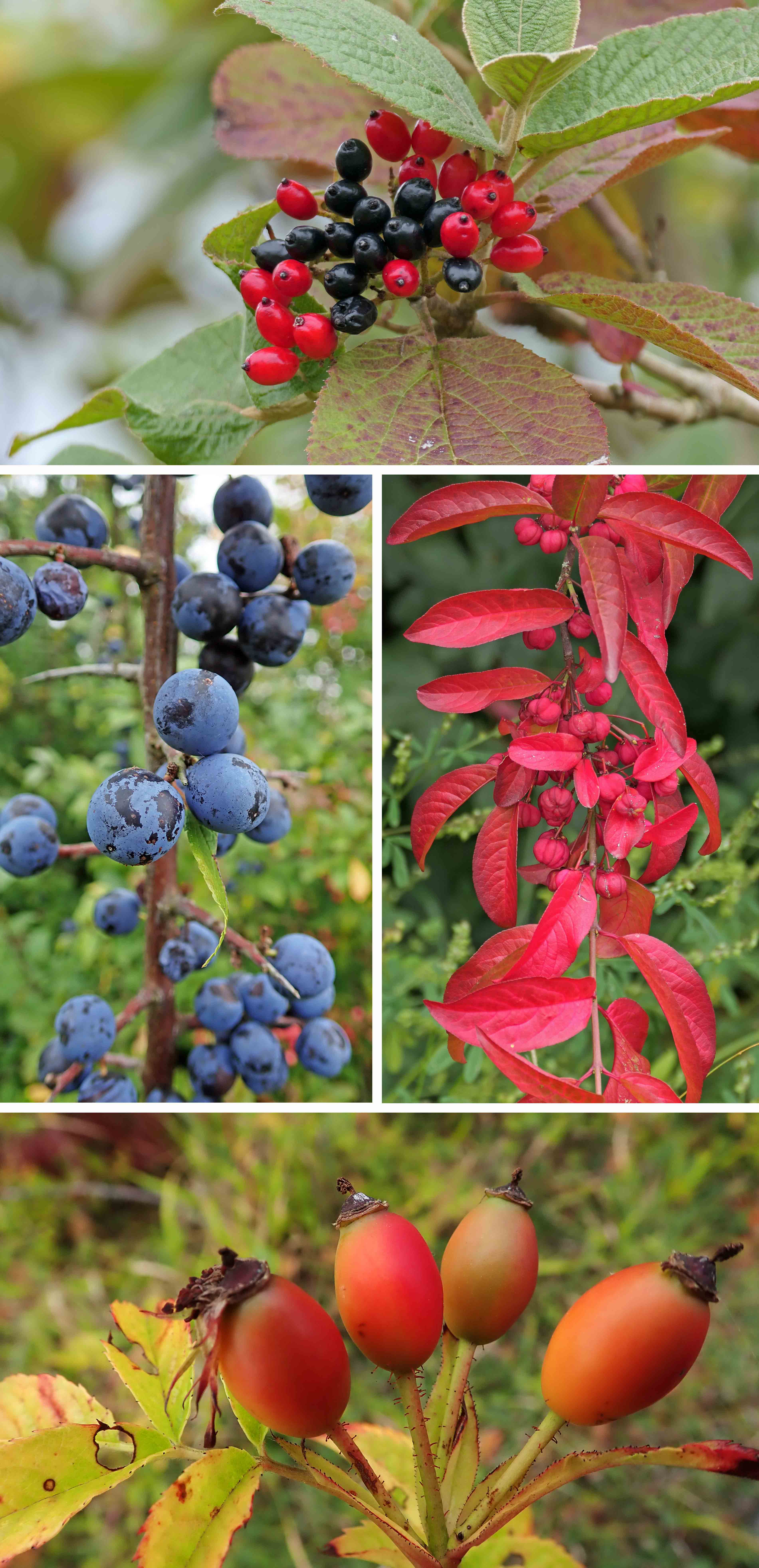
Though today was actually quite warm and humid, there’s no denying that autumnal feel in the air. The evenings are getting dark earlier; there’s an occasional hint of a heavy dew, if not quite a frost; the birds have already begun their migration south for the winter; and, on the trees and shrubs, the fruits are bright and bursting, the leaves beginning to turn. Happy Autumn to all in the northern hemisphere (and happy Spring to those down under)!

240901 autumn fruits

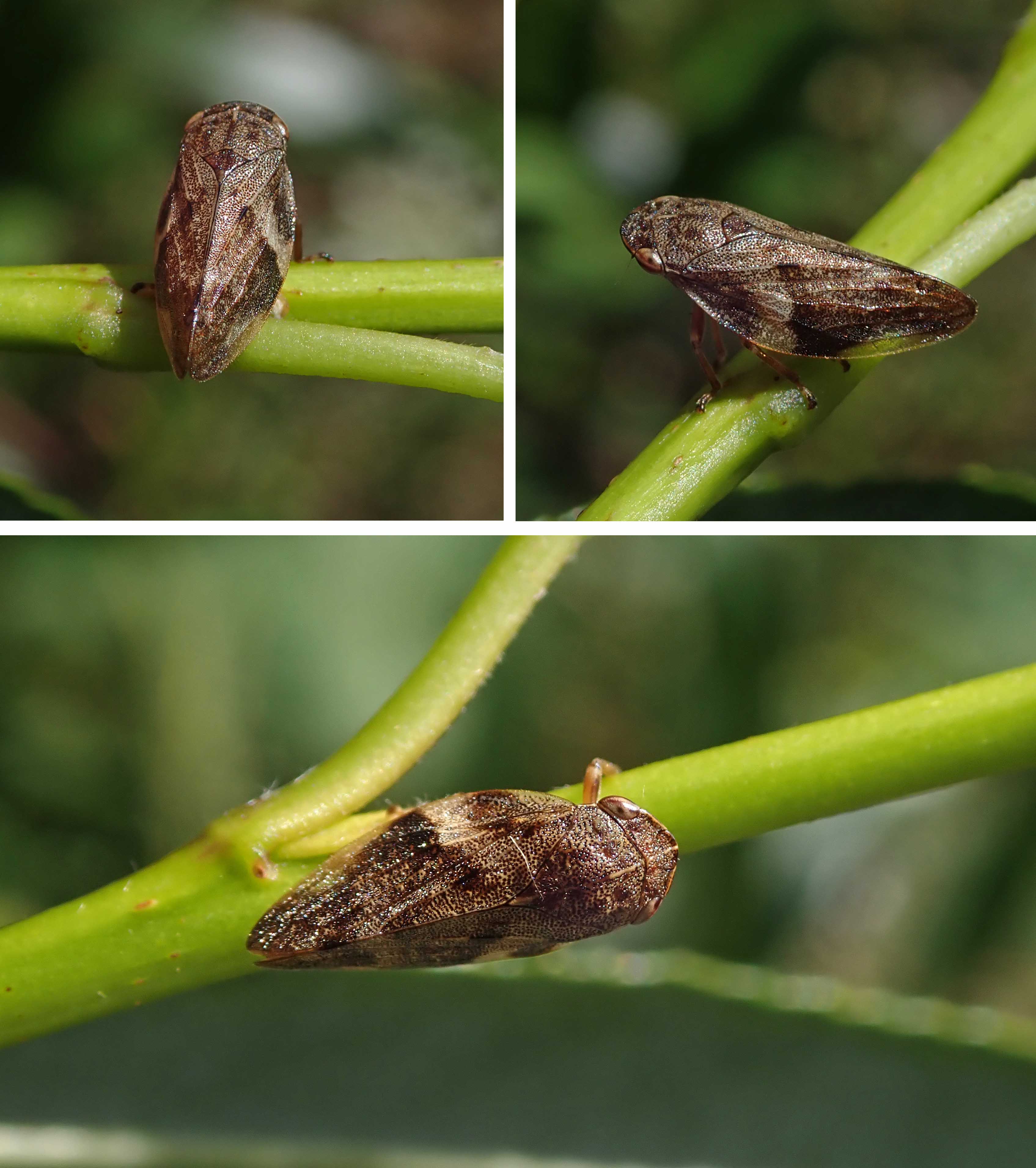
Alder spittlebug

Tags

, , ,

“High five!”

240831 Aphrophora alni Alder spittlebug (1)

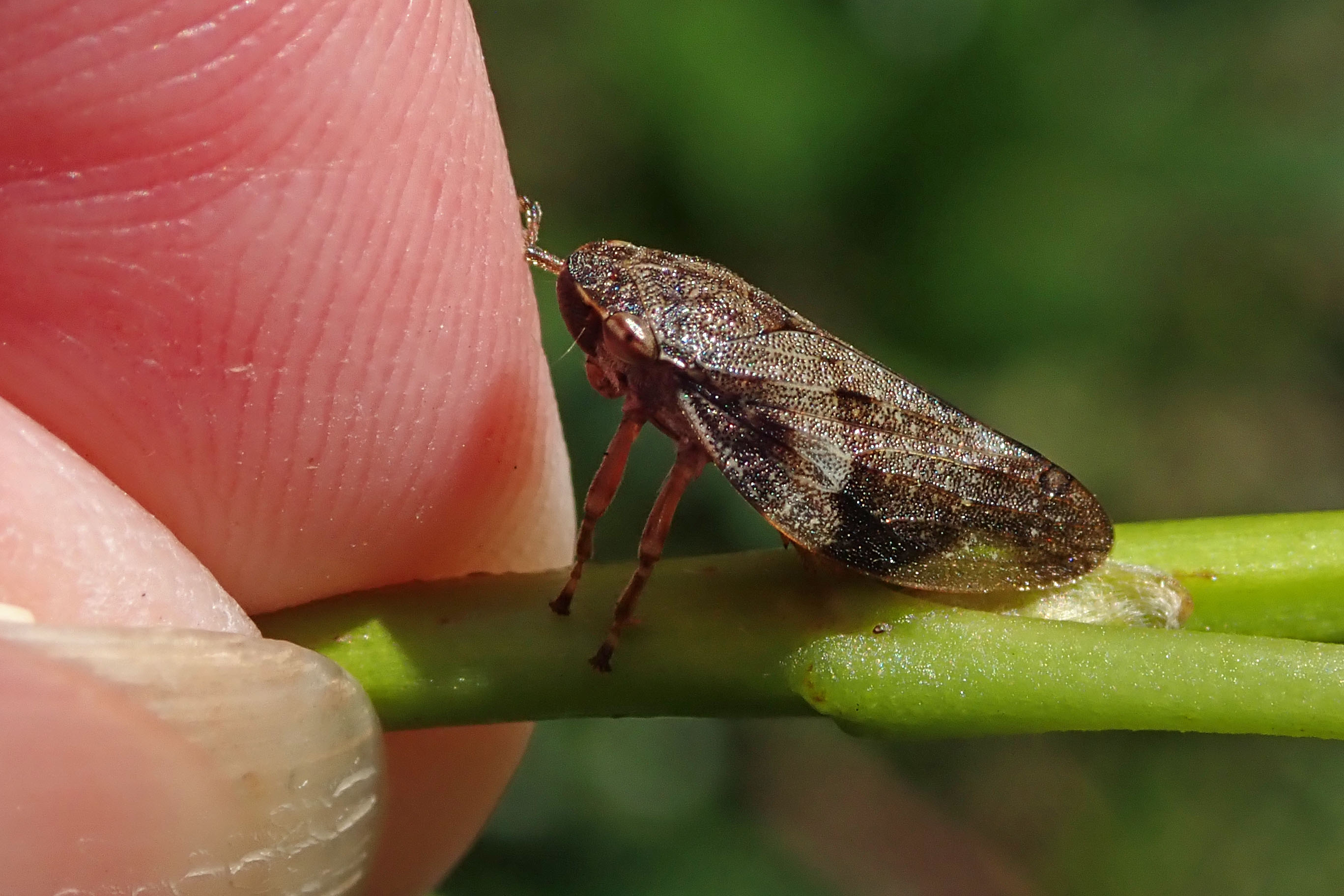
The Alder spittlebug (Aphrophora alni) is very similar to the Common froghopper (Philaenus spumarius), and I have a feeling I may have mistaken them in the past, as this was the first time I was certain this was the spittlebug. The British Bugs website explains that ‘The genus can be recognised by the keel running down the midline of the head and pronotum, and the species by the colour pattern with distinct white patches near the margin of the wings’. To my eye, the spittlebug is a noticeably bigger – the froghopper is 5-7mm long, the spittlebug is 9-10mm – and wider in the beam.

240831 Aphrophora alni Alder spittlebug (2)