Long-winged conehead

Tags

, , , ,

Back in October 2016, I interviewed a Long-winged conehead (Conocephalus discolour) for a blog post (The curious conehead). That was an adult grasshopper, a handsome creature but not particularly easy to identify – in my blog, the creature and I discuss its distinctive features (yes, mad as a hatter me!).
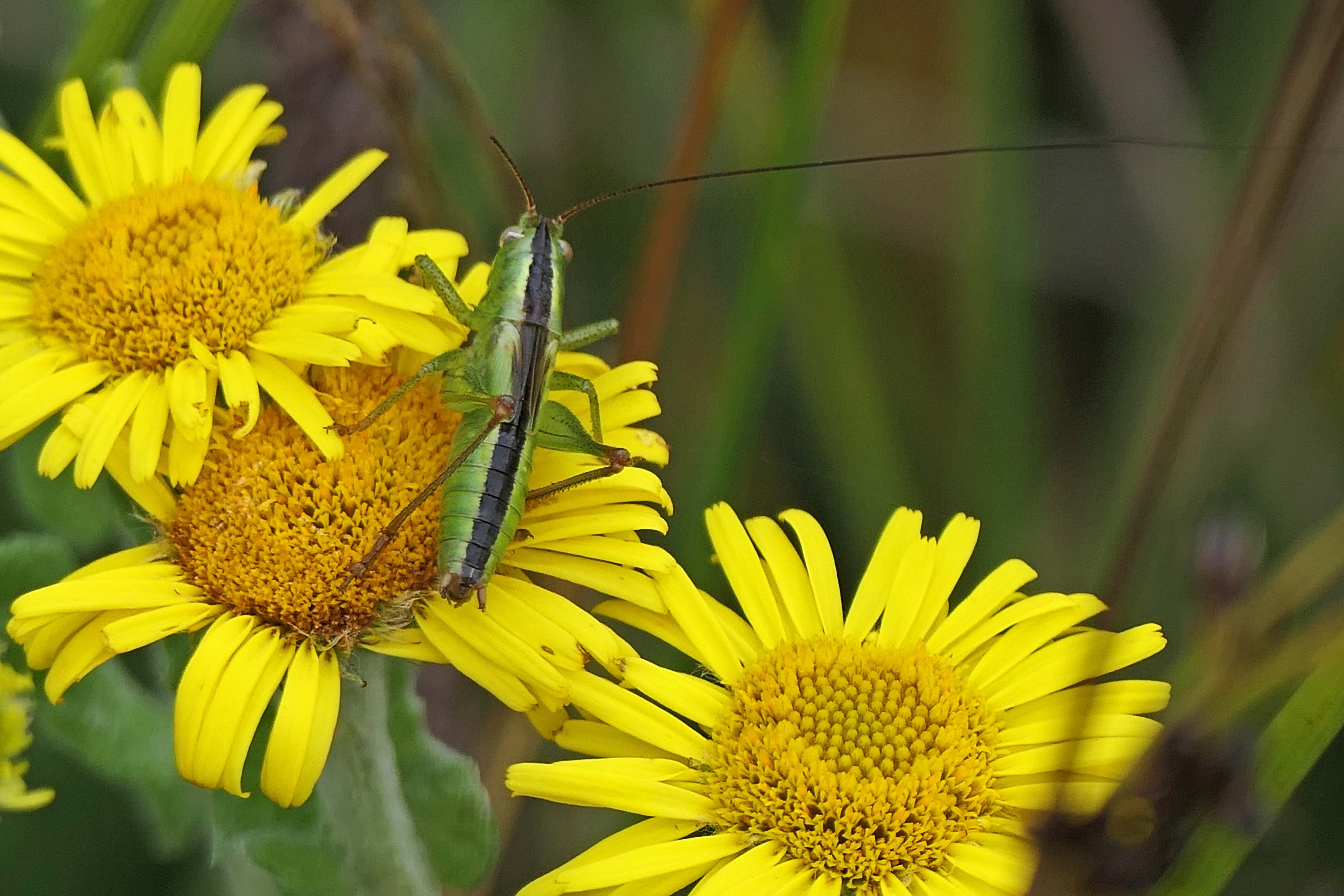
240820 long-winged conehead (1)

During my recent walks at Cosmeston Lakes Country Park, I’ve become reacquainted with these coneheads but these have been nymphs and very much easier to recognise, as they’re basically pale green with a dark stripe right down their centre backs.

240820 long-winged conehead (2)

Lime aphids

Tags

, , , , ,

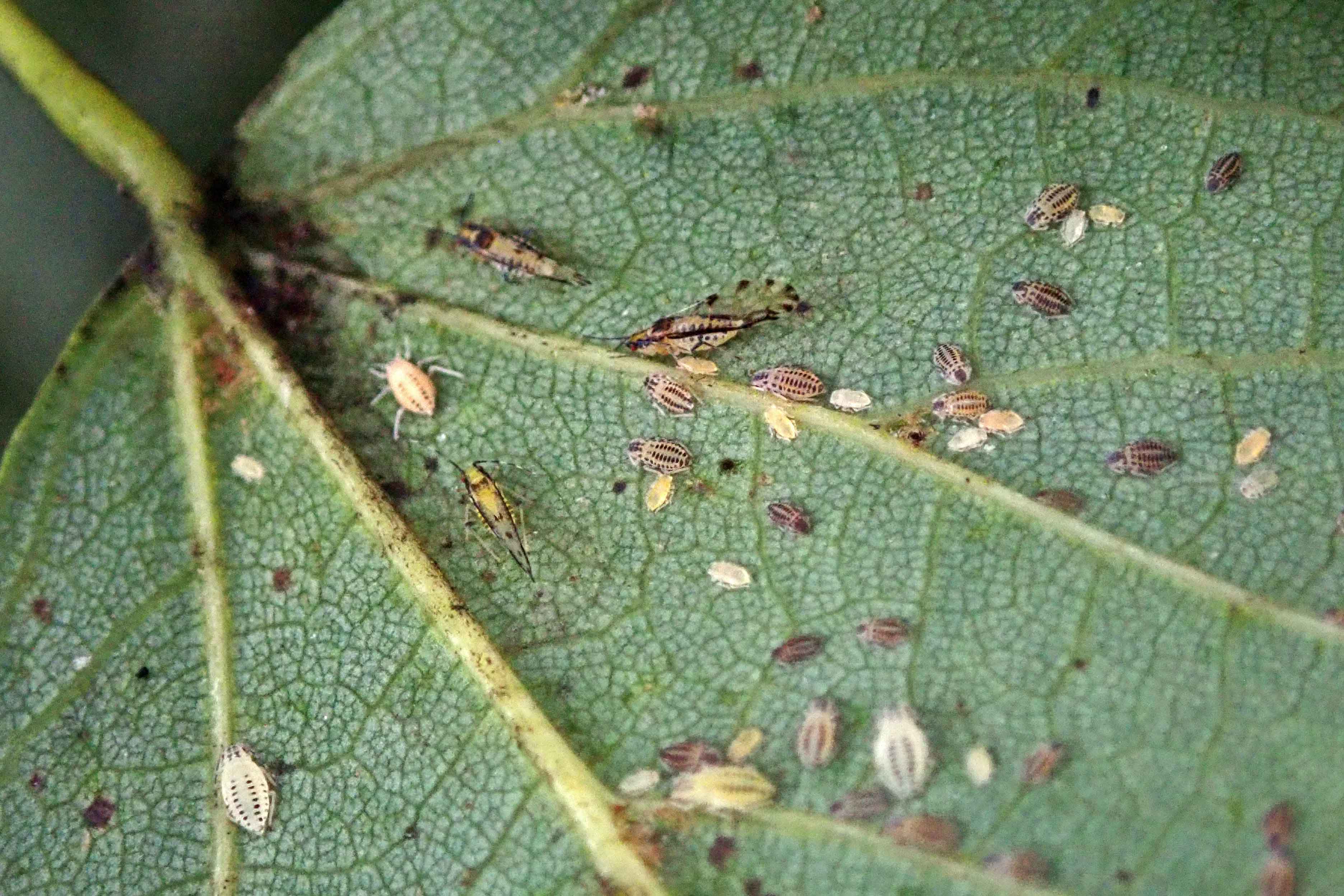
Last Tuesday, on my way home from exploring a local park, I stopped to investigate the leaves of a Lime tree (Tilia species, not sure which one) as I’ve never really found anything of much interest on Limes. Well, that soon changed because the undersides of these leaves were awash with aphids, unsurprisingly Lime aphids (Eucallipterus tiliae), a species I’d never seen before.

240819 eucallipterus tiliae (1)

And when I checked on the Welsh biodiversity database later in the day, I was surprised to find only five previous Welsh records. As is the way with many small creatures though, I now believe these aphids are under-recorded as the following day, walking in the opposite direction, I found two more colonies. It seems more people need to become leaf-turners and leaf-botherers so we can get a clearer, more accurate picture of our insect populations.

240819 Eucallipterus tiliae (2)

If you’re interested in learning more about these aphids and their life cycle, the Influential Points website has an excellent page, with very clear images though slightly technical scientific information.

Water mint

Tags

, , , , , ,

Is there anything more delicious on a hot sunny day than the refreshing smell of mint, whether it be in a long cold drink or when you’re out walking and brush against the leaves of one of the many species of mint that grow wild in the UK.

240818 water mint (a)

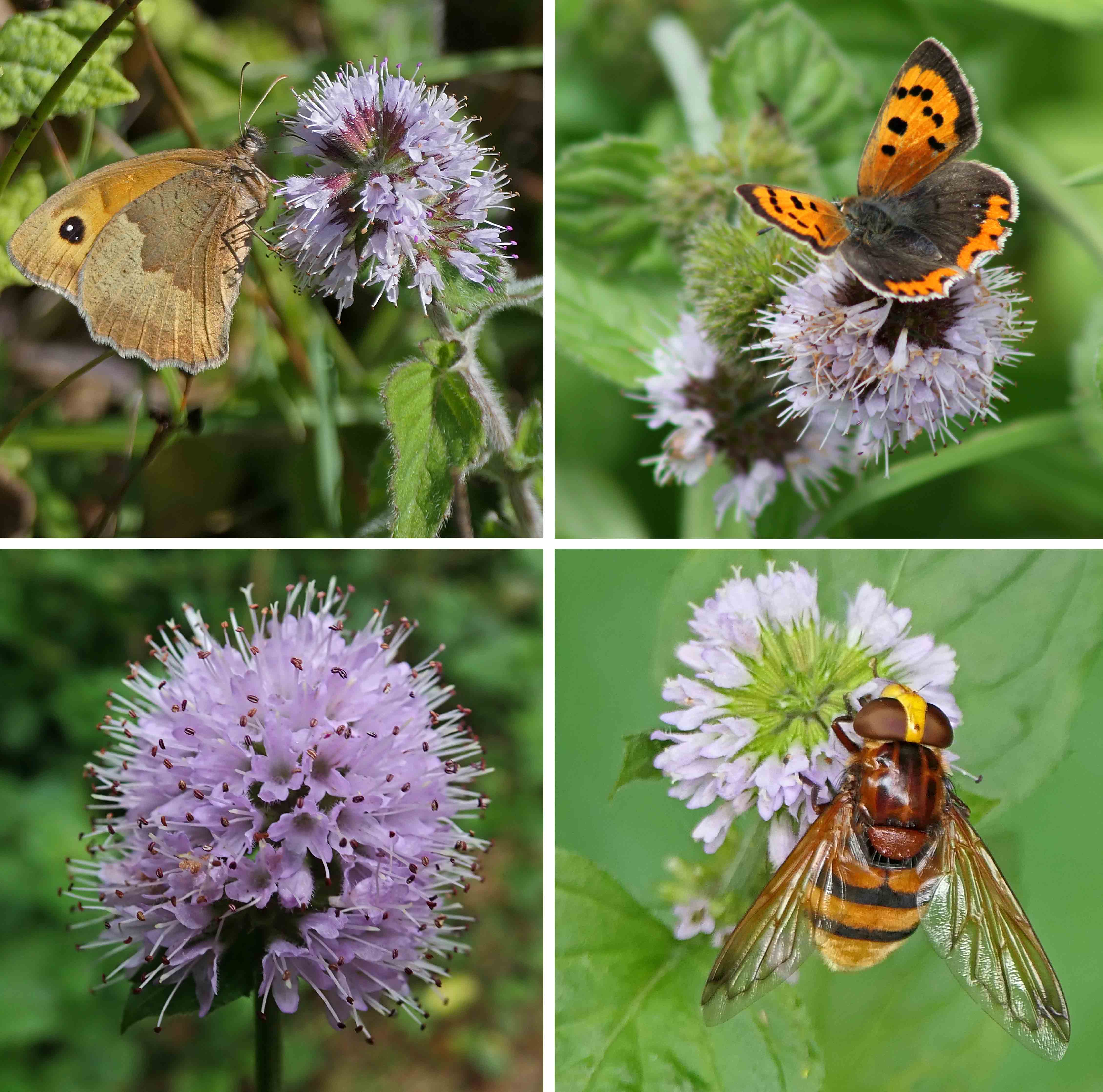
In the damper areas of my local walks, Water mint (Mentha aquatica) grows in abundance, and it’s now in full flower, a boon for hungry insects as some of the earlier summer flowers go to seed. I occasionally bring a few leaves home to infuse with a herbal tea that I leave to chill in the fridge but mostly I just enjoy the sight and smell of this pretty plant and the many insects that feast on it (in this case, Meadow brown and Small copper butterflies, and a Volucella zonaria hoverfly).

240818 water mint (b)

Fifty shades of brown

Tags

, , ,

The adult Common froghopper (Philaenus spumarius), s/he that, when a tiny larva, blows bubbles out of its bottom to create the little blob of foam we call ‘Cuckoo spit’ to hide in, is brown, but not just one bland shade of brown. Its brown, which is also good for camouflage, ranges from light to dark: buff, mushroom, beige, ochre, cocoa, russet, sepia, chocolate – so many shades of brown.

240817 common froghoppers

Leopard tortoises

Tags

,

This is most certainly not what I expected to see when I was walking home from the local country park on Monday.

240815 leopard tortoises (1)

A woman had set up a small fenced enclosure on a common area of grass and brought her five Leopard tortoises out to graze. Obviously, these are not native British species; they are pets, though perhaps a bit more exotic than the usual domestic cat or dog. Still, they were such beautifully marked creatures that I thought I would write this short post about them.

240815 leopard tortoises (2)

The Leopard tortoise (Stigmochelys pardalis) is native to the savanna grasslands of southern and eastern Africa, and is predominantly vegetarian. These five, all males, were bred in Britain; their owner told me she had started with two, then, over the years, taken in three more whose owners no longer wanted them. She asked if I wanted to hold one so I did – George, who likes having the top of his head scratched (his skin was dry and rough to the touch) and who was heavier than I expected (his carapace was thicker than I realised). George was very handsome but I soon returned him to the pen, where he marched off more speedily than you might think to munch on a longer area of grass.

240815 leopard tortoises (3)

Lacewing larvae

Tags

, , ,

I’ve featured Lacewing larvae on here before (The Lacewing lifecycle, 29 September 2021 and More Lacewing larvae, 19 November 2022), but these are the first larvae I’ve seen carrying shields above their bodies, the same camouflage device used by tortoise beetles (also featured here previously: Thistle tortoise beetle larvae, 7 July 2022 and Fleabane tortoise beetle, 8 June 2024).

240814 lacewing larva fecal shield (2)

I couldn’t find any UK information about Lacewing larvae using these shields but I did find a post on the University of Wisconsin, Milwaukee website, on their ‘Bug of the week‘ pages, that featured Green lacewings. As well as the following short paragraph, there’s a link to a video, which I highly recommend you watch. It’s brief – around 5 minutes, and includes some excellent video footage of these fascinating creatures:

Some species of Green lacewings have hairy/spiny, “trash-carrying” larvae – larvae that stick debris – and sometimes bits of dead prey – to their backs, creating a shield that they present to aggressors. Does the disguise help them avoid aphid-farming ants? Hide them from predators? Watch this very cool video.

240814 lacewing larva fecal shield (1)

Young Chiffchaff

Tags

, , , , , ,

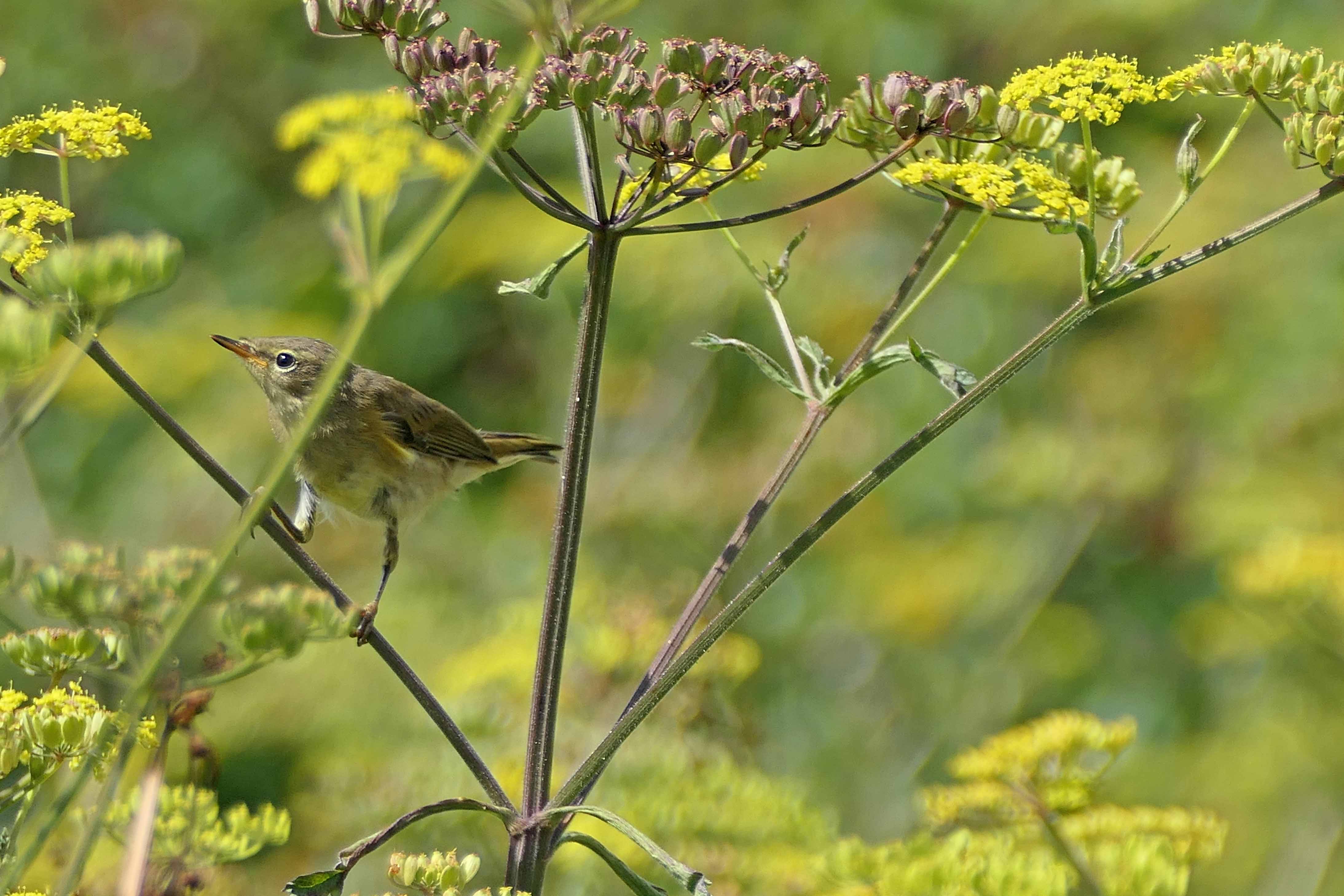
When I first spotted this juvenile bird picking its way through the tall stand of Wild parsnip, I thought it was my first passage Willow warbler of the season, feeding up before heading off on its long migration flights south.

240812 juvenile chiffchaff (1)

However, when my photos showed dark rather than pink legs, I knew this was a young Chiffchaff. It may still be a migrating bird, though Chiffchaffs breed locally so it’s not possible to tell for sure.240812 juvenile chiffchaff (2)

Carlines and bumbles

Tags

, , , ,

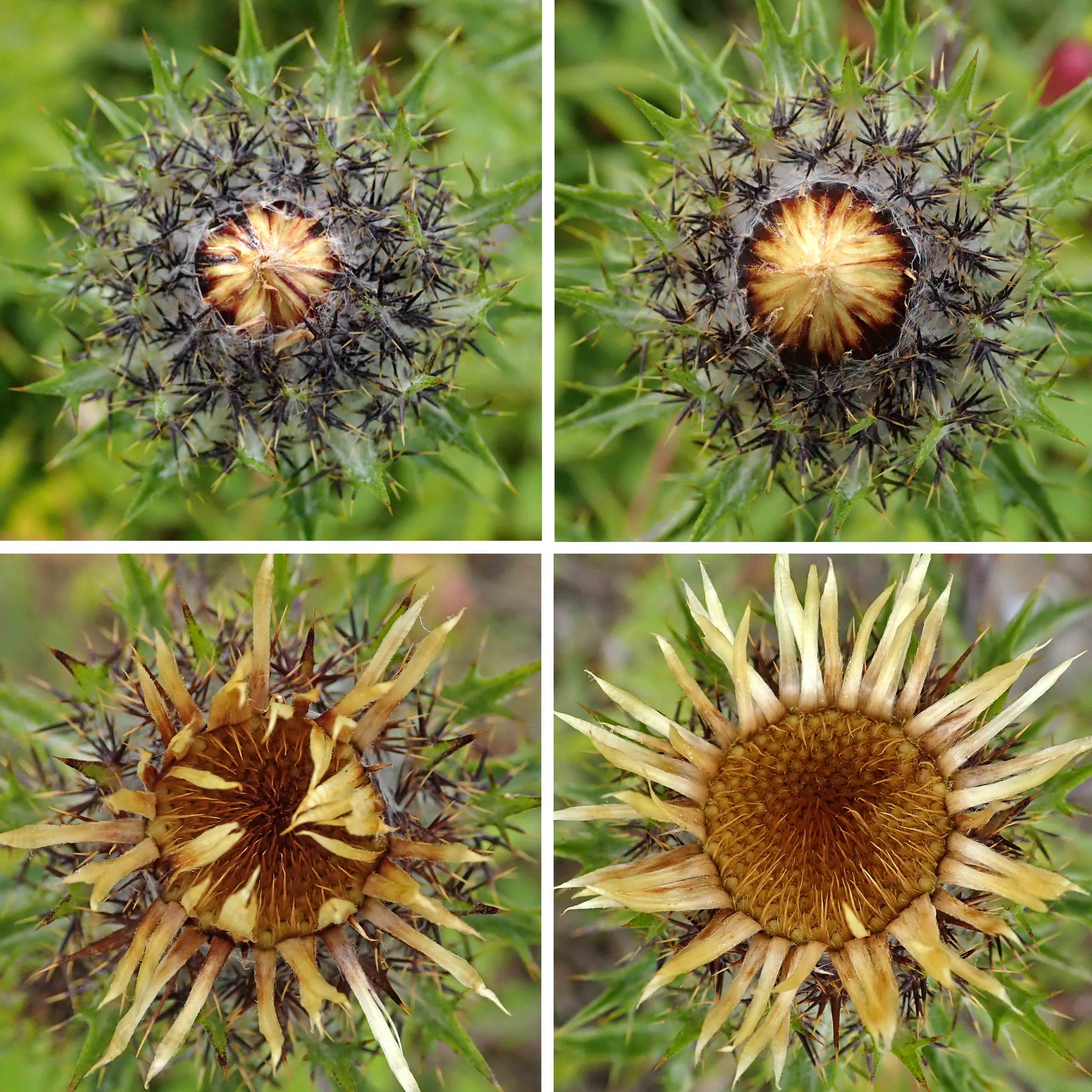
240811 carlines (1)

I love Carline thistles, their sculptural structure, the way they glisten in the sunshine, how lovely they look from the time of their bursting buds right through to the dried flowers that often last right through the winter.

240811 carlines (2)

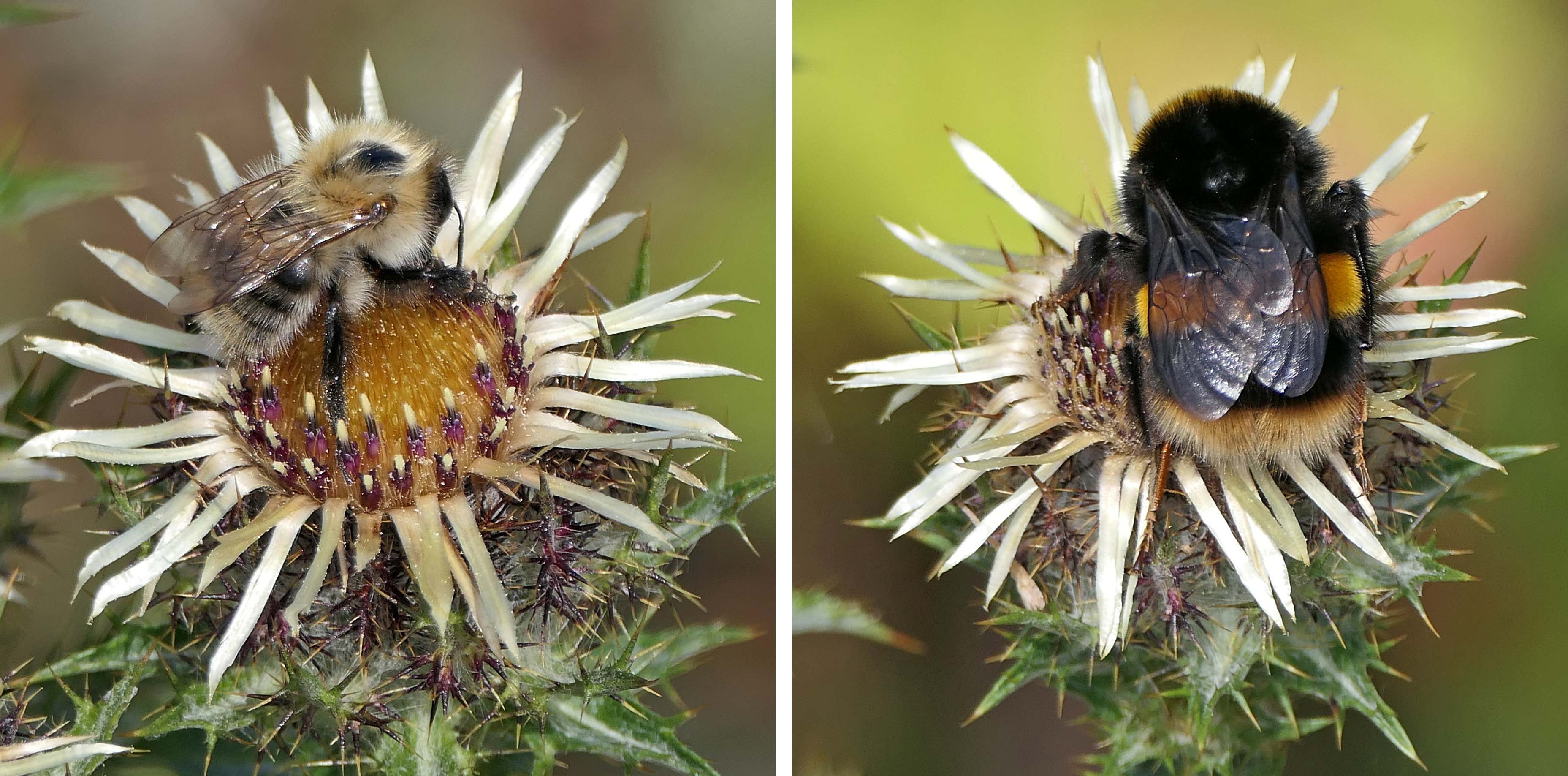
And I’m not the only one who loves them. The flowers, which ‘open in warm, dry weather and close in the cool and wet’ (Flora Britannica), must be full of a particular nectar that appeals to our resident bumblebees (like this Common carder and Buff-tailed) as they love feasting on Carline thistles, and I rarely see other insects on them.

240811 carlines (3)