Variations on a theme

Tags

, , , ,

Presumably because of our very wet Spring, the orchids are enjoying a magnificent season hereabouts, with more Bee and Pyramidal orchids than I’ve ever seen before. The beautiful blooms collaged below were all growing within a metre of each other at a local park and, in theory, they’re all Common spotted-orchids. You can see what a wide variation of hues and patterns they exhibit, though I suspect a couple of these may have a few grains of Southern marsh-orchid mixed in to their DNA. Both species grow at this park and are known, sometimes, to cross-pollinate.

240630 common spotted orchids

A thistle muncher

Tags

, , , , ,

Yesterday, at a local park, as our mini heatwave had passed and the weather was once again overcast, I was doing a little leaf-bothering, as one of my Twitter friends calls it, and noticed that some small mystery creatures had been munching on the leaves of Spear thistle (Cirsium vulgare). I saw similar leaf damage on several plants but it wasn’t easy turning over the leaves to look for the culprits – my skin kept getting punctured by the vicious spines. Eventually, when I turned this leaf over, a little caterpillar poked its head – or possibly its bottom – out of the cosy little hideaway it had spun for itself to check what was happening, and I managed to get some photos. Turns out this is the caterpillar of the moth Agonopterix arenella, and you can see the adult moth it will eventually develop into on the UK Moths website.

A Ringlet rests

Tags

, ,

This was not my first Ringlet of the year but it was the first to stay still long enough for me to get a few photographs. It looks restful, reposed but looks can be deceptive. Within moments of me taking this image, it was off once again, patrolling the woodland edge, spreading its pheromones, looking for a female to mate with.

240702 ringlet

Chicks of Cardiff’s canals

Tags

, , , , , , ,

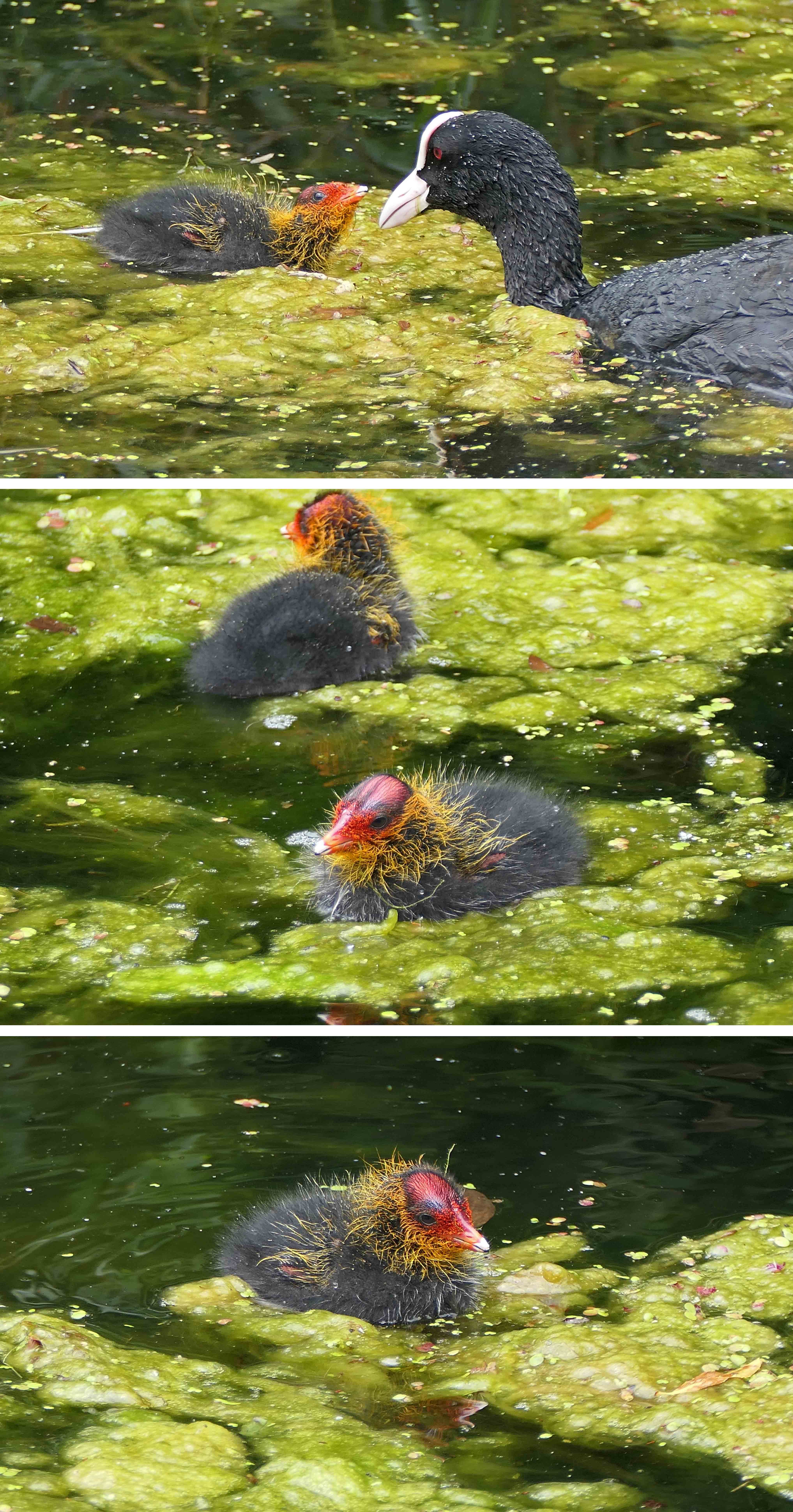
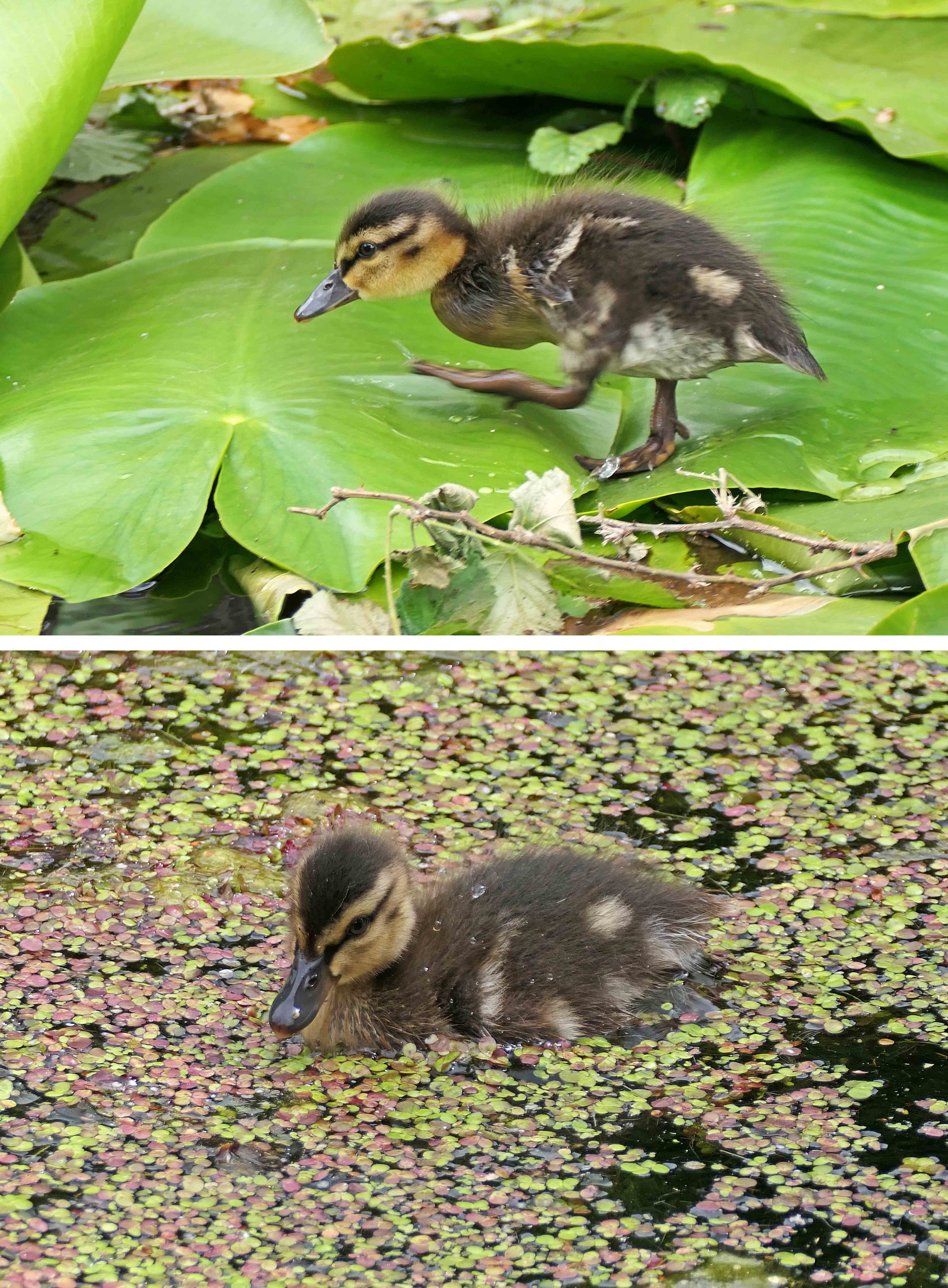
As well as the Red-eyed damselflies I wrote about yesterday, my wander around Cardiff’s inner city canals also produced sightings of some delightful young birds and I had a wonderful time watching their antics, and their interactions with each other and their parents.

240627 coots

Three tiny Coot chicks were having a little swim with their doting parents. The chicks looked very young, were still relying on their parents to feed them, and, after about 15 minutes, the parents took their little family back to the nearby nest to preen and rest.

240627 ducklings

There were also two broods of Mallards, both with their mothers supervising them as they whizzed along the canals, nibbling at the weed, wobbling across lily pads. One mother Mallard had a brood of four ducklings, the other just one surviving chick.

More Red-eyed damsels

Tags

, , , ,

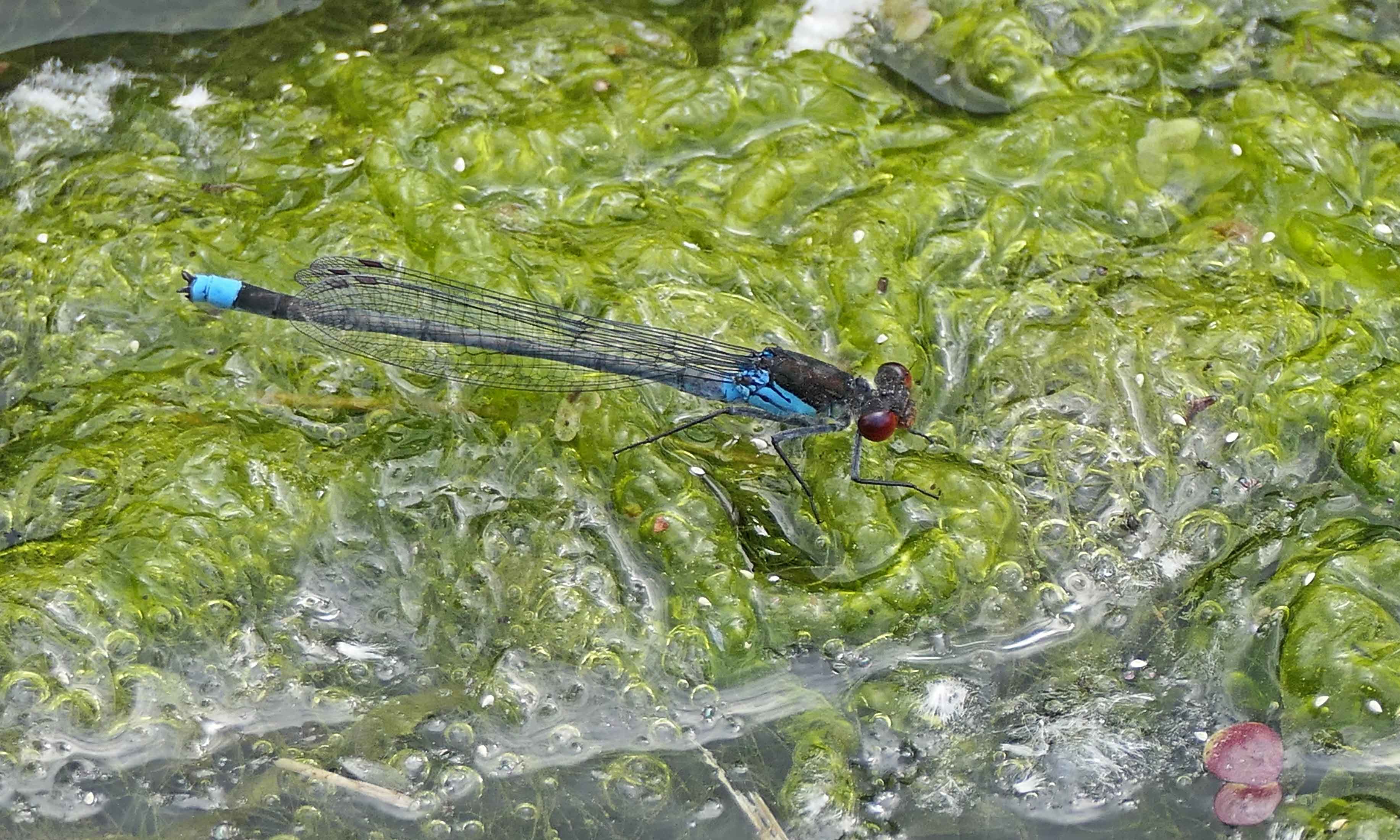
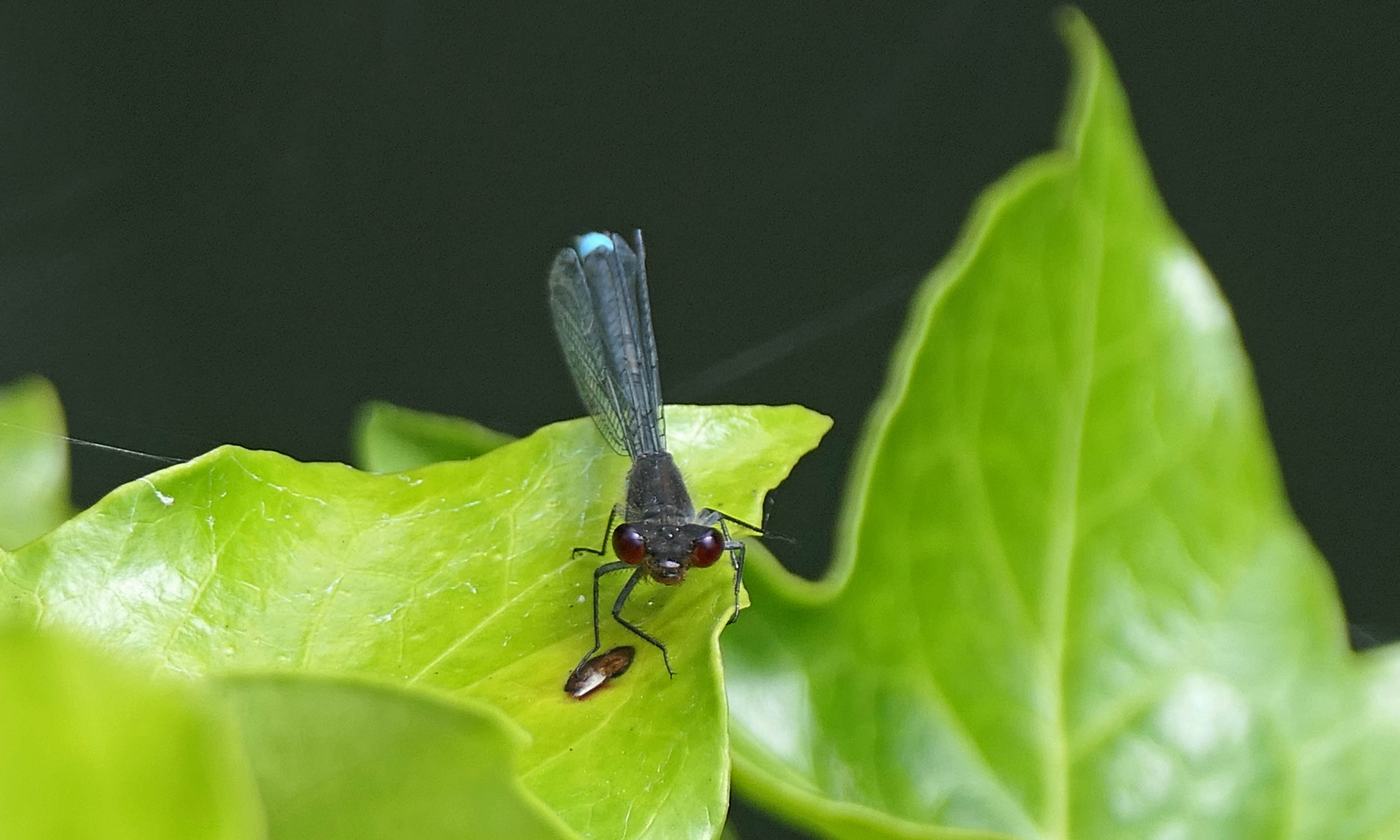
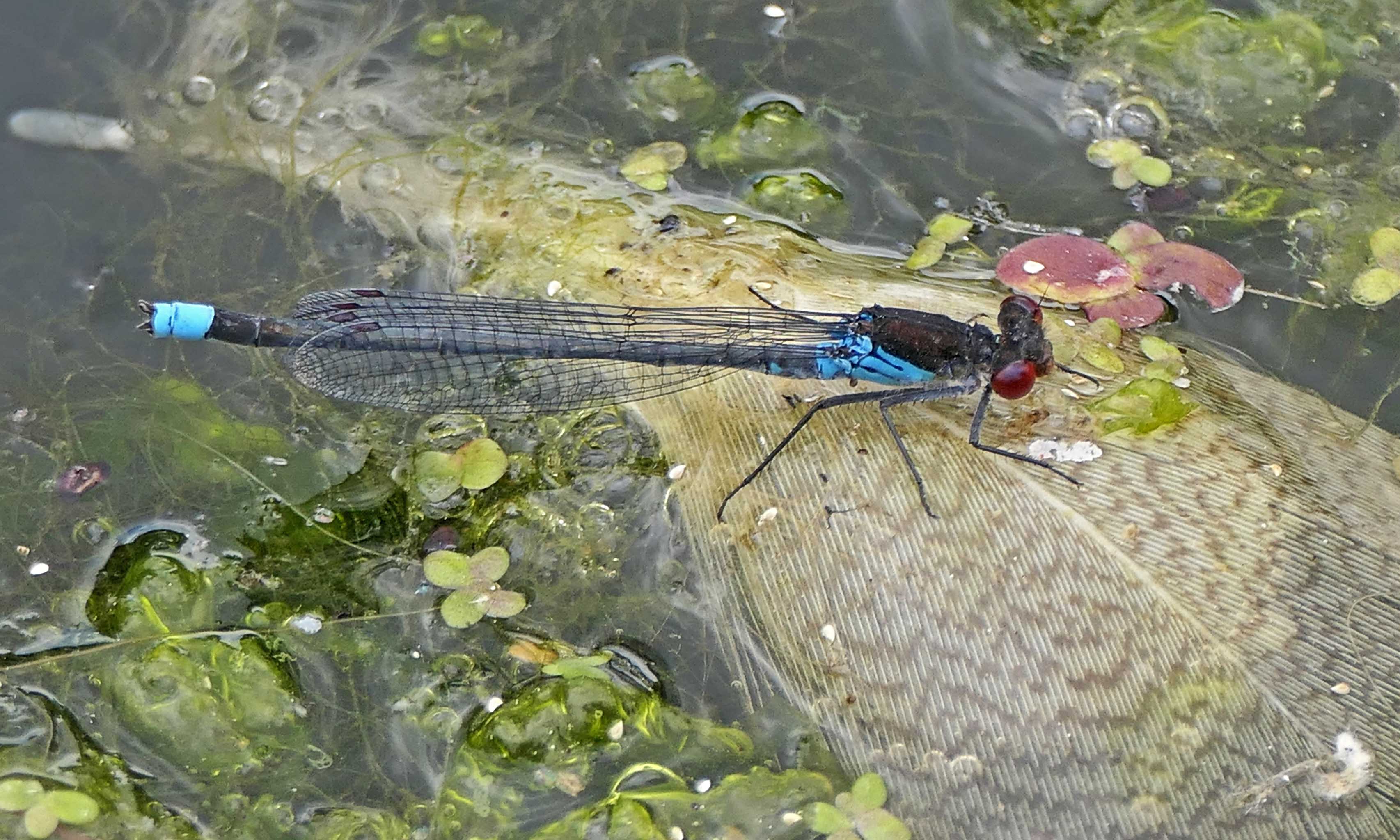
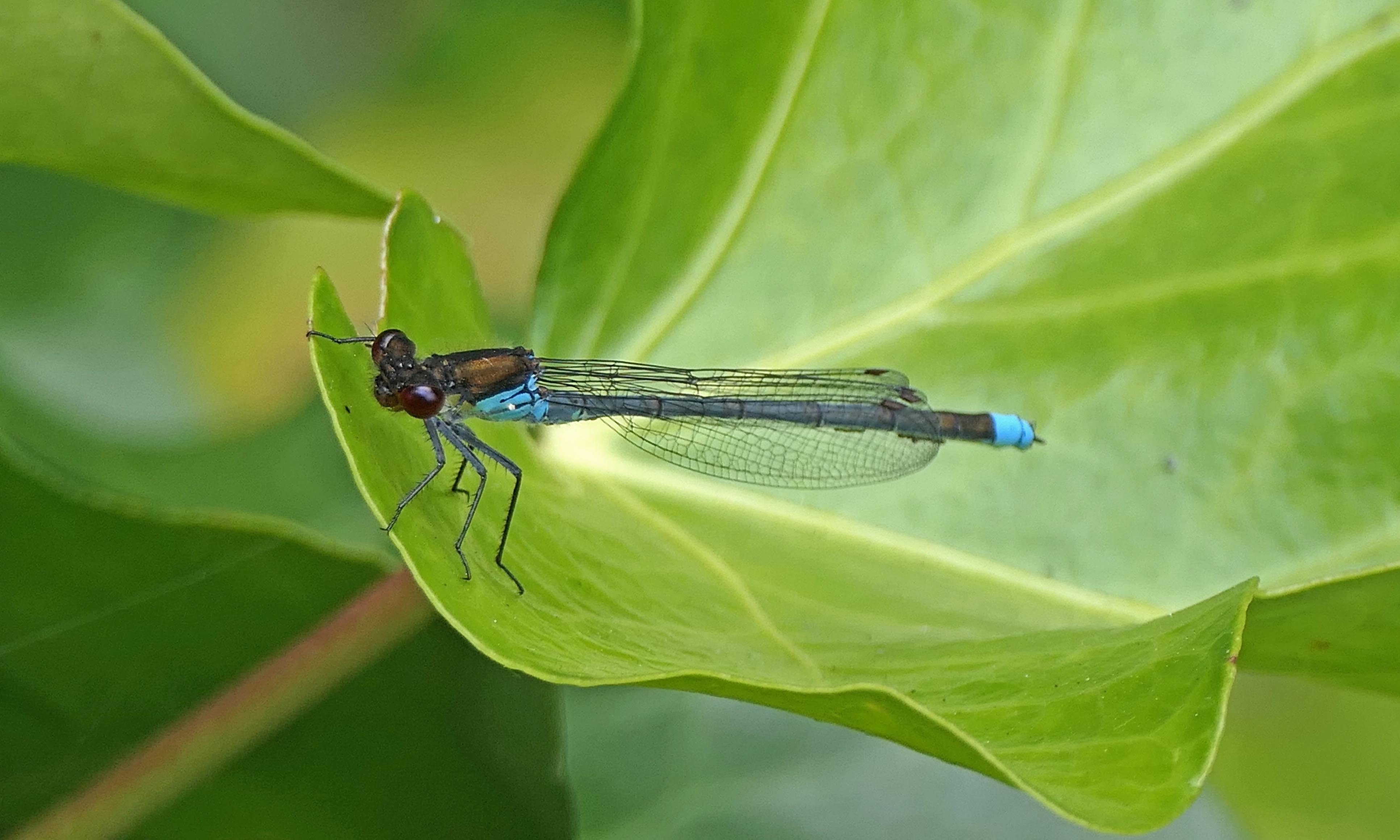
At the beginning of the year I’d never seen Red-eyed damselflies before. Then I found them along the River Ely in Cardiff in May (Lifer: Red-eyed damselflies, 24 May). And last Friday I had a wonderful time watching them flitting about on Cardiff’s inner city canals.

240626 red-eyed damseflies (1)

According to the NBN Atlas records for Erythromma najas, they were first reported in that location last August. I had been meaning to check the site but hadn’t got around to it before a local birder reported seeing them last Thursday.

240626 red-eyed damseflies (2)

Friday was a dull day (it’s usually easiest to see dragon- and damselflies in warm sunshine) but more pleasant for me walking to the area so I thought I’d take a chance.

240626 red-eyed damseflies (3)

At this time of year, the canals are almost covered by weed and lily pads, where the Red-eyed damselflies might be expected to be seen sitting, but they also like to use waterside vegetation to perch on and that’s where I eventually found them. What gorgeous creatures they are!

240626 red-eyed damseflies (4)

Large white larvae

Tags

, , , ,

If you’re a gardener living in Britain, you’re probably familiar with today’s creatures, the caterpillars of the Large white butterfly (Pieris brassicae), munching on your cauliflowers or broccoli, but I’d never seen them until last week. I think they’re rather attractive but I can certainly understand why the gardeners amongst you might not think so well of them.

Leafmines: Scolioneura betuleti

Tags

, , , ,

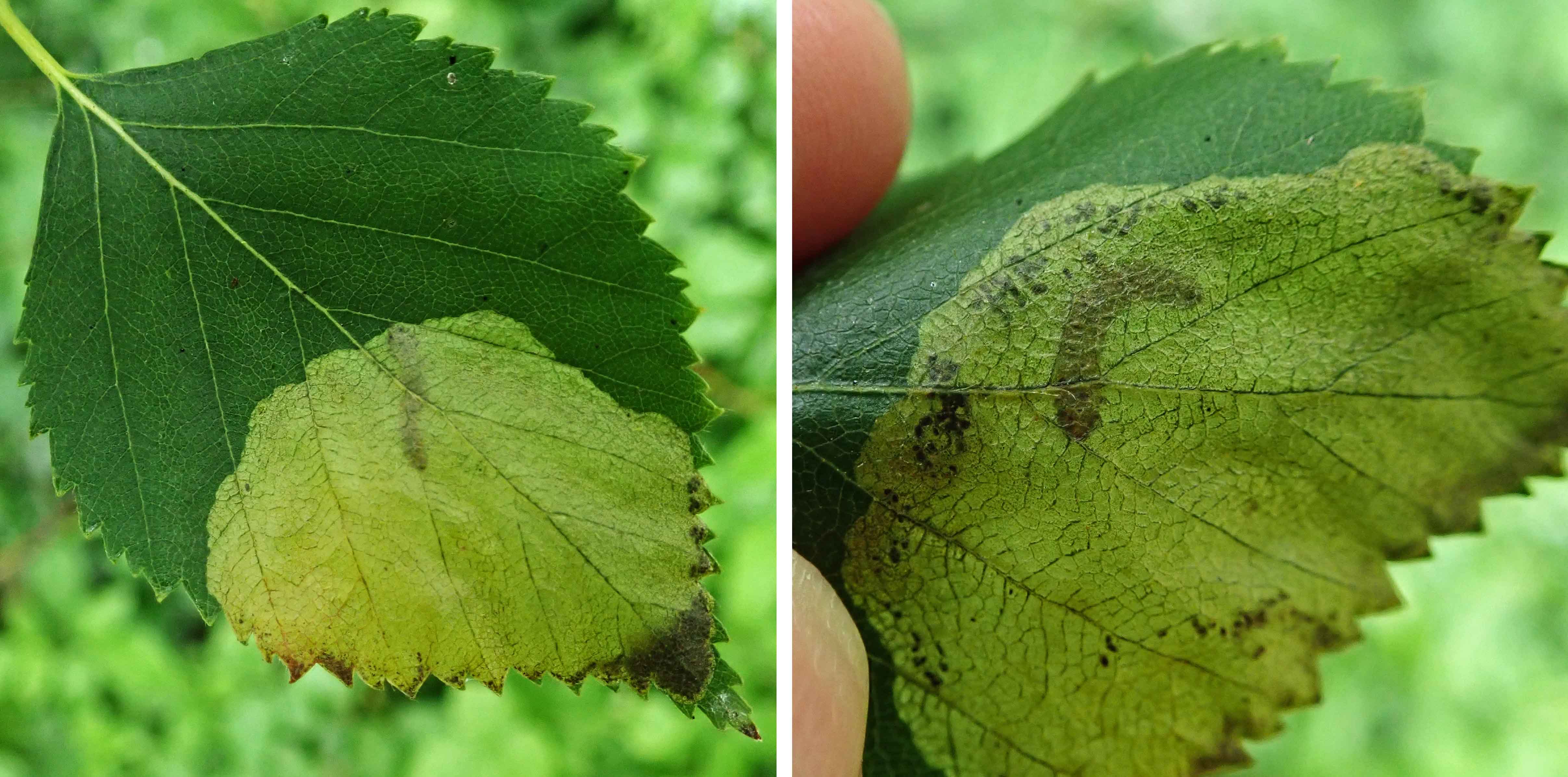
Staring at the leaves of young Birch trees paid off once again when I recently spotted these large blotches.

240624 Scolioneura betuleti (2)

They were made by the larvae of Scolioneura betuleti, a small black sawfly – you can see a photo of the adult on The Sawflies of Britain and Ireland website. The larvae are active in early summer and again in the autumn – the British Leafminers website has images of the distinctive larvae.

240624 Scolioneura betuleti (1)

Brooklime

Tags

, , ,

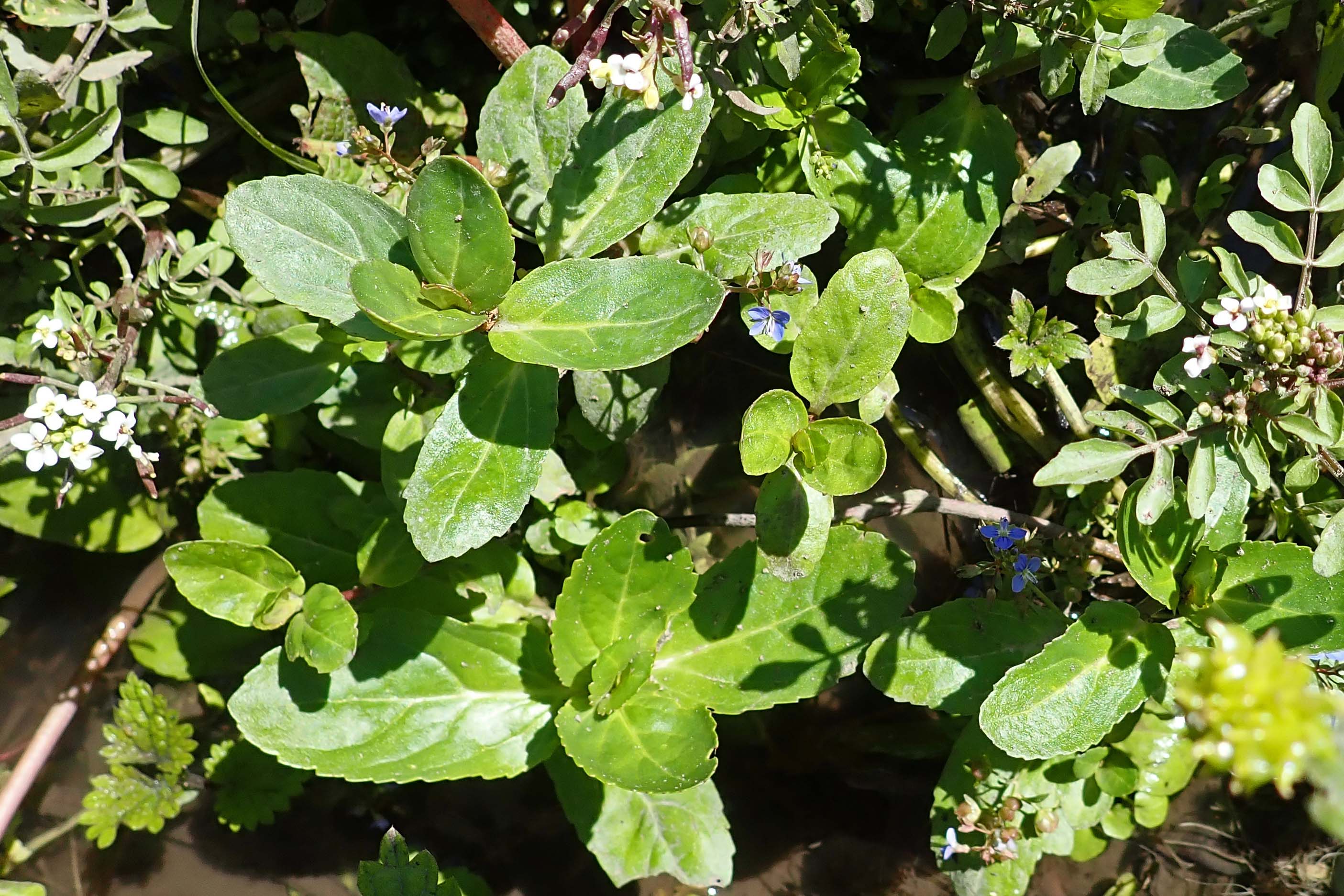
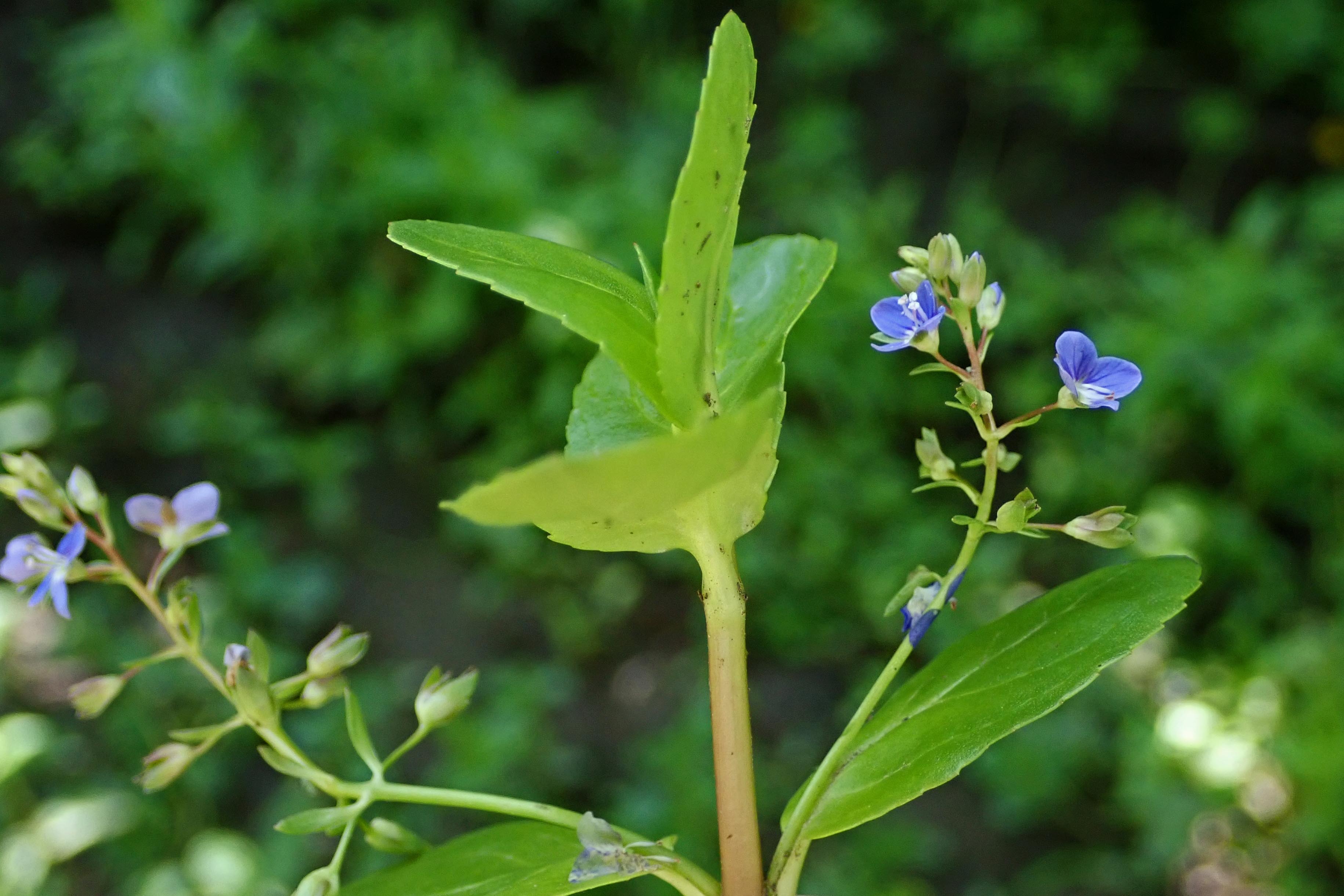
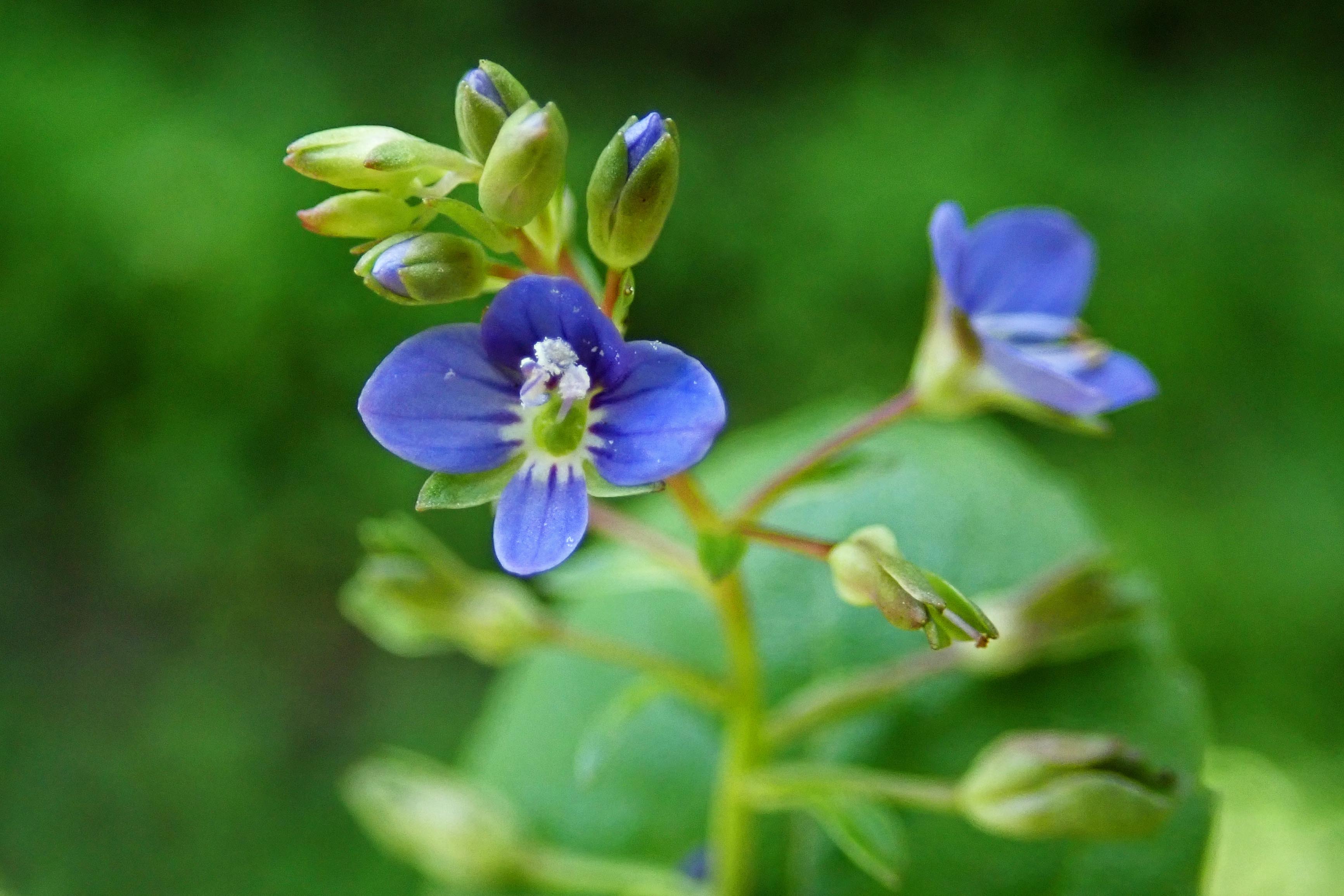
I’ve probably walked past this plant many many times but last Sunday was the first time I knowingly thought ‘Oooo, that must be Brooklime’.

240623 brooklime (1)

It was the tiny blue flowers that gave it away, and the fleshy succulent-like leaves, and the fact it was growing in the wet muddy area of a local horse field (that has a public footpath running through it, which I often use to get to a favourite local woodland). The flowers of Brooklime (Veronica beccabunga) are the clearest indicator that this is a member of the speedwell family, just one that prefers to live in damp habitats.

240623 brooklime (3)

The Plantlife website has an interesting section on this plant, entitled ‘Things you might not know’:

  • Brooklime was used as a salad plant in much of northern Europe in the past.
  • It used to be eaten with watercress and oranges to help prevent scurvy.
  • Although edible, the leaves are bitter and the same precautions should be taken with them, as with watercress, in order to avoid liver fluke.

240623 brooklime (2)

Chicks of Cardiff Bay

Tags

, , , , , , , , ,

For the first time in ages I walked a circuit of Cardiff Bay on Tuesday – I usually avoid the place in the summer as there are too many people for my liking, but I’d heard there were some chicks to be seen so I went looking. These are they …

240622 canada geese (1)

Canada goose (above and below): there were two broods of goslings, one of five and one of six, with their parents and a flock of 20-plus adult geese (as if they were all keeping an eye on the children) in one of the now-landlocked old docks. They’ll be stuck there until they learn to fly but I’ve heard people have been feeding them (perhaps that’s also why so many adults are present) so hopefully they’ll all develop to maturity.

240622 canada geese (2)

Lesser black-backed gull: one chick was still on the dolphin where their nest must have been (there is no other way the chick could have got there), squawking almost repeatedly at an adult gull that was perched higher up the dolphin structure. The other chick had either fallen or jumped from the dolphin and was nearby, at the water’s edge, washing and preening.

240622 lesser black-backed chicks

Oystercatcher: this was the main reason for my walk and definitely the highlight. A pair of Oystercatchers has been returning to the same spot, on another of the dolphin structures, for several years, to breed but they have always failed to raise a chick to adulthood. It is a very odd location for their nest – no other Oystercatchers breed locally so I wonder if this is where one of them was originally hatched. So far, this year’s breeding attempt is going well so let’s hope their good luck continues.


240622 oystercatchers