• ABOUT
  • BIRDING 2018
  • Birding 2019
  • BLOG POSTS
  • Butterflies 2018
  • Resources

earthstar

~ a celebration of nature

earthstar

Author Archives: sconzani

Wild madder

06 Sunday Jul 2025

Posted by sconzani in plants, wildflowers

≈ Leave a comment

Tags

British wildflowers, coastal plants, dye plants, plants with spines, Rubia peregrina, Wild madder

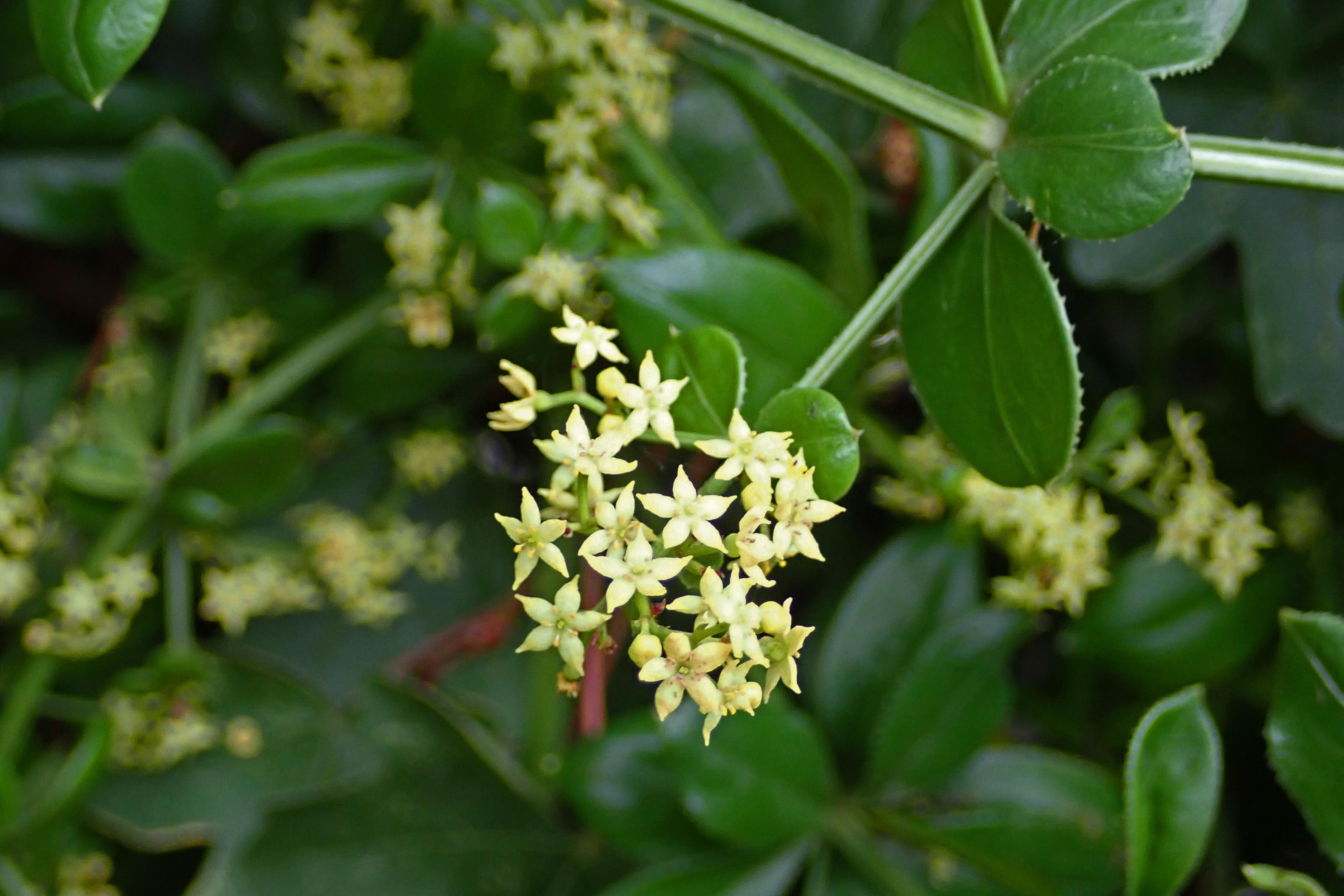
With short sharp hooked spines along the edges of its stems and leaves, Wild madder (Rubia peregrina) is one vicious-looking plant. You wouldn’t want to fall into a patch of it or mistakenly grab a stem for support if you lost your footing on one of the rocky slopes it likes to scramble over. Fortunately, my local plant was confined behind a metal fence though, even there, it was almost smothering the other scrub and was reaching its nasty tendrils through the railings as if to grab its next potential victim.
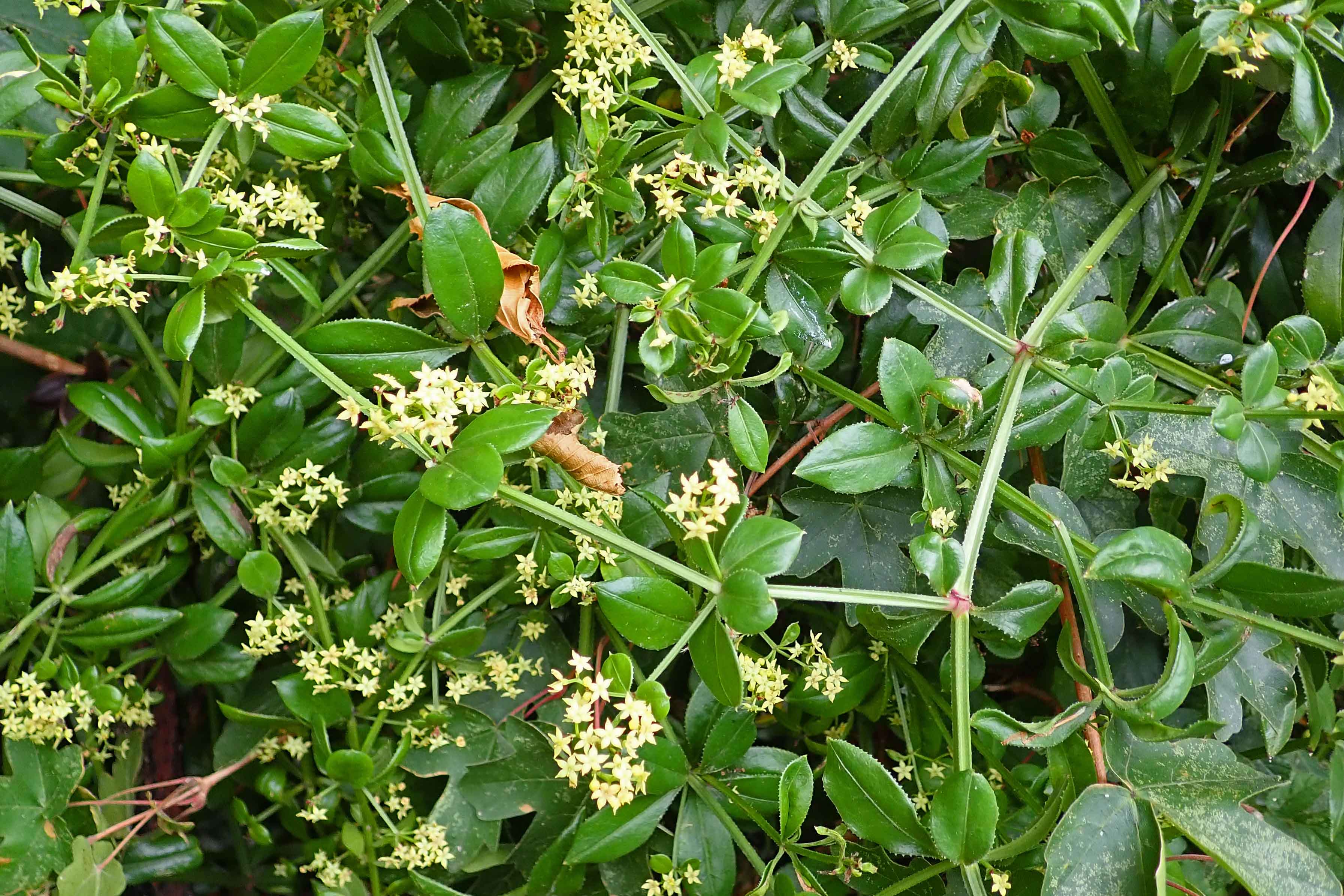
This is a coastal plant, found mainly in the south and west of Britain so along England’s southern coastline, right around the Welsh coast, and around Ireland’s southern coastline. In Flora Britannica, Richard Mabey writes that Wild madder is related ‘to the dye plant, madder, R. tinctorum, and its roots have been used to give a pink tone by English dyers’.
Like Loading...

A Stonechat surprise

05 Saturday Jul 2025

Posted by sconzani in birds

≈ Leave a comment

Tags

birding, birdwatching, British birds, juvenile Stonechat, Stonechat, young Stonechat

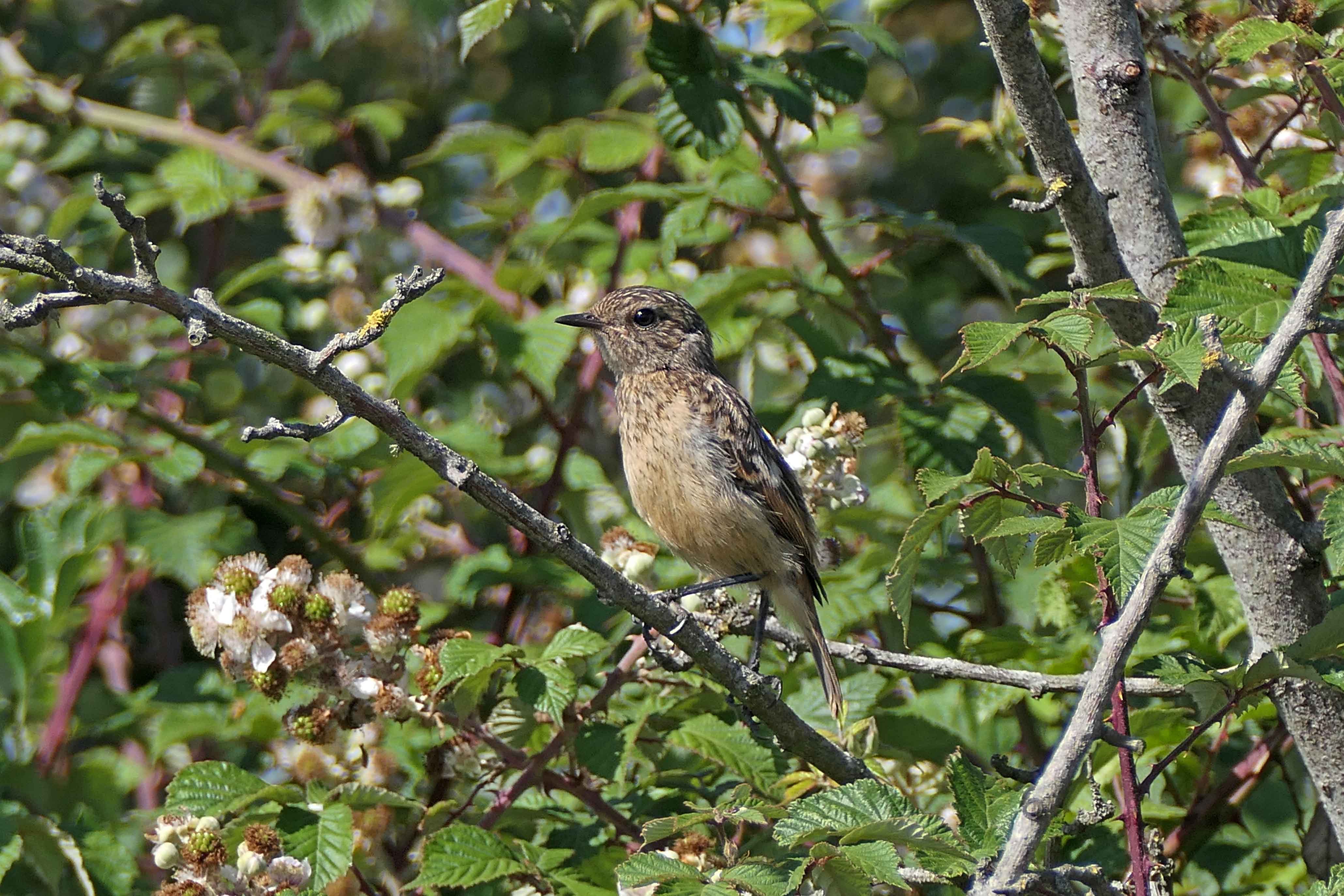
I’m just home from another mini break away, this time based in Cheltenham, but branching out from there to other places in Gloucestershire and Worcestershire, so expect a few blogs in the coming week about my finds. My trip was inspired by a desire to see one particular butterfly species but, of course, I appreciate all the wildlife I see around me, and this young Stonechat that I spotted sitting on a tree in Stroud on Thursday was a wonderful surprise and was definitely the birding highlight of this little adventure.

Like Loading...

The Gatekeeper and the Painted lady

04 Friday Jul 2025

Posted by sconzani in insects

≈ 2 Comments

Tags

British butterflies, butterfly, Essex skipper, Gatekeeper, Painted Lady, Silver-washed fritillary, White-letter hairstreak

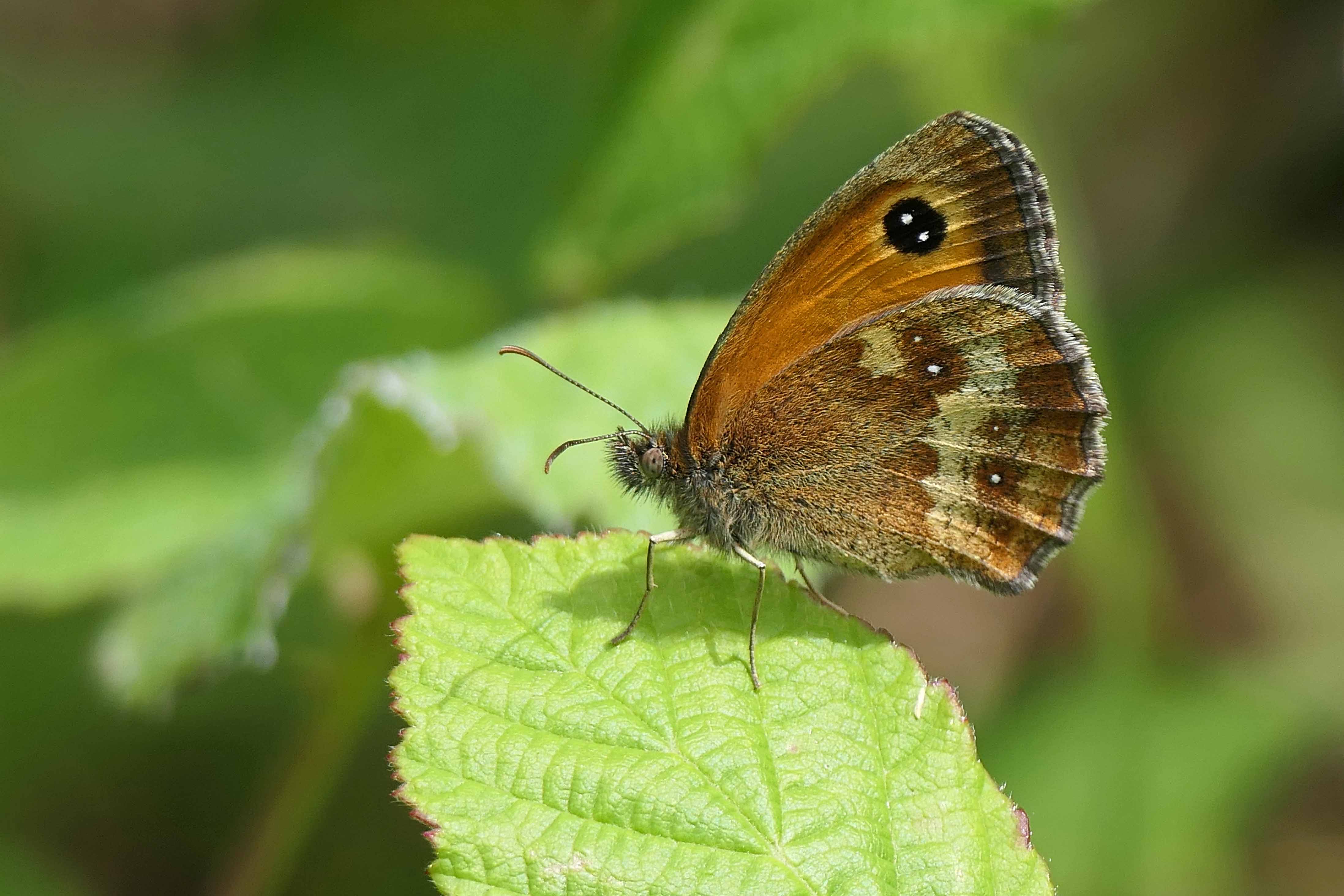
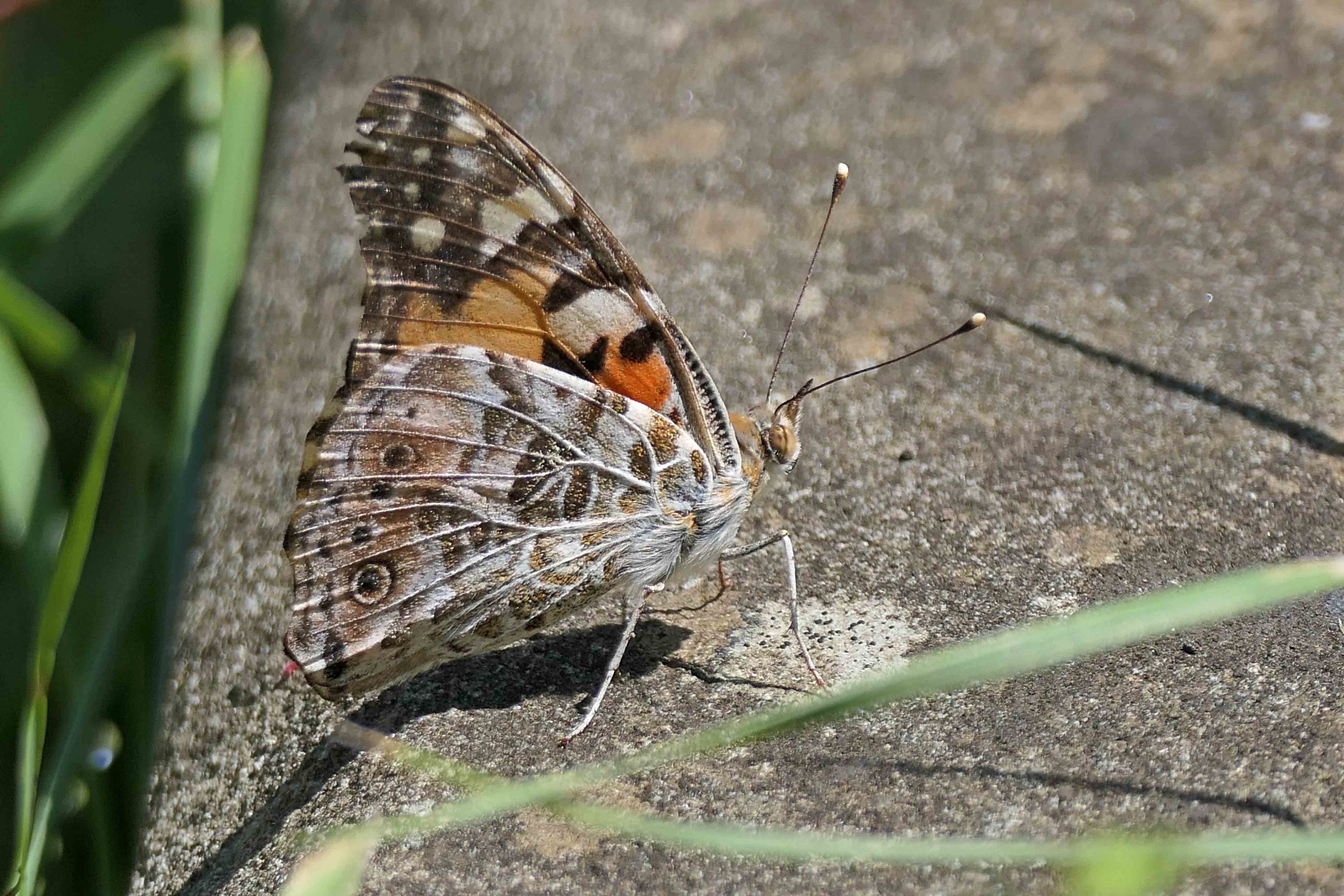
During the three days from to 25 to 28 June I saw six new species of butterfly: Gatekeeper, White-letter hairstreak, Essex skipper, White admiral, Silver-washed fritillary and Painted lady. Seeing so many in such a short time was an amazing experience, and I thoroughly enjoyed the time I spent watching each and every one of them.

Disappointingly, the only ones I can show you reasonable images of are the Gatekeeper (above) and the Painted lady (below).

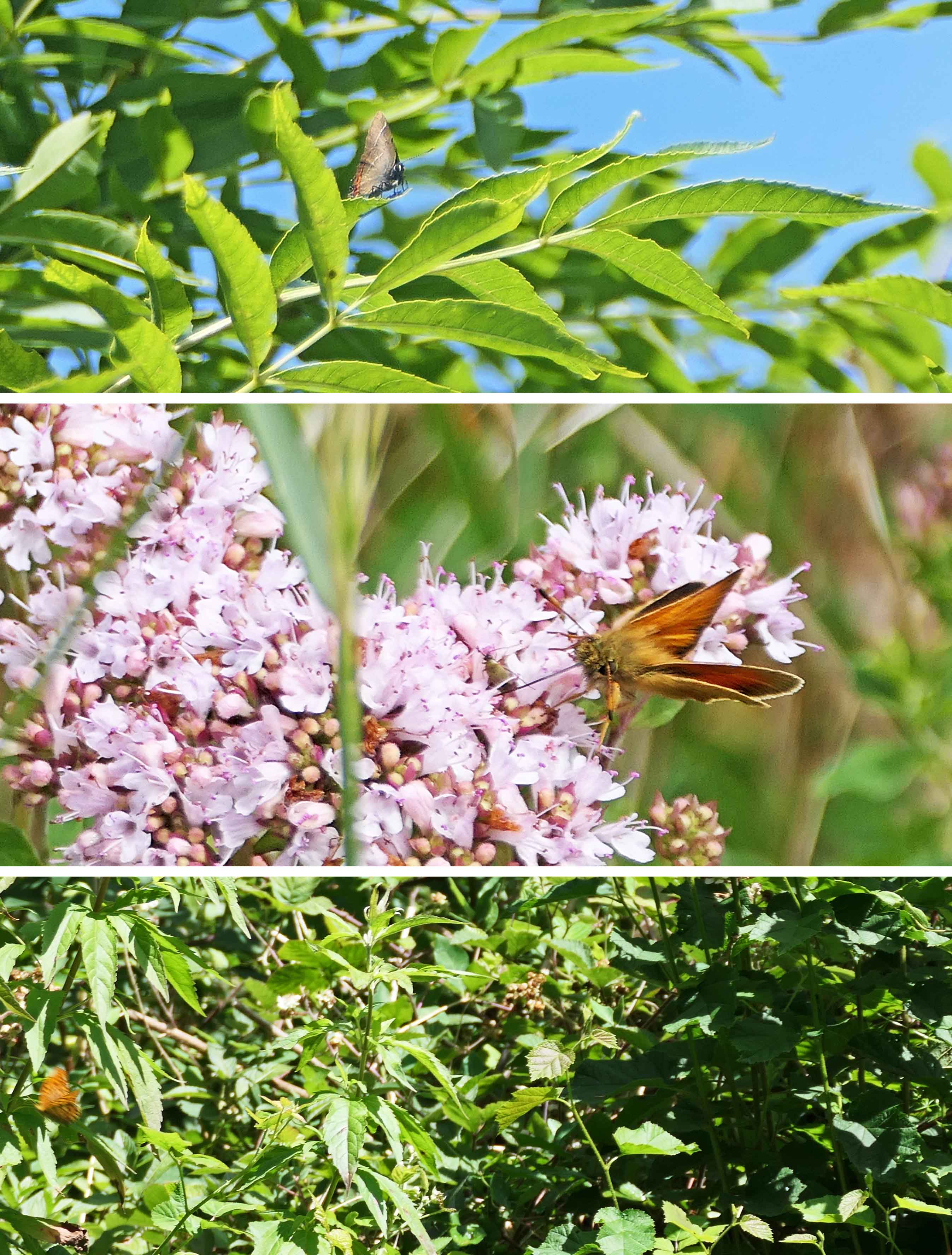
The other species were either flitting around high in the tree tops (White-letter hairstreak), paused for the briefest of moments on some flowers before disappearing in to the farm field behind (Essex skipper), weren’t stopping for a moment in their endless quest for a female (a Silver-washed fritillary exits stage left), or weren’t stopping at all ever (not even a blurry photo of the two White admirals I saw).

Like Loading...

Mayfly: Ephemera danica

03 Thursday Jul 2025

Posted by sconzani in insects

≈ Leave a comment

Tags

British mayflies, Ephemera danica, Ephemera vulgata, Green drake mayfly, male mayflies, mayfly

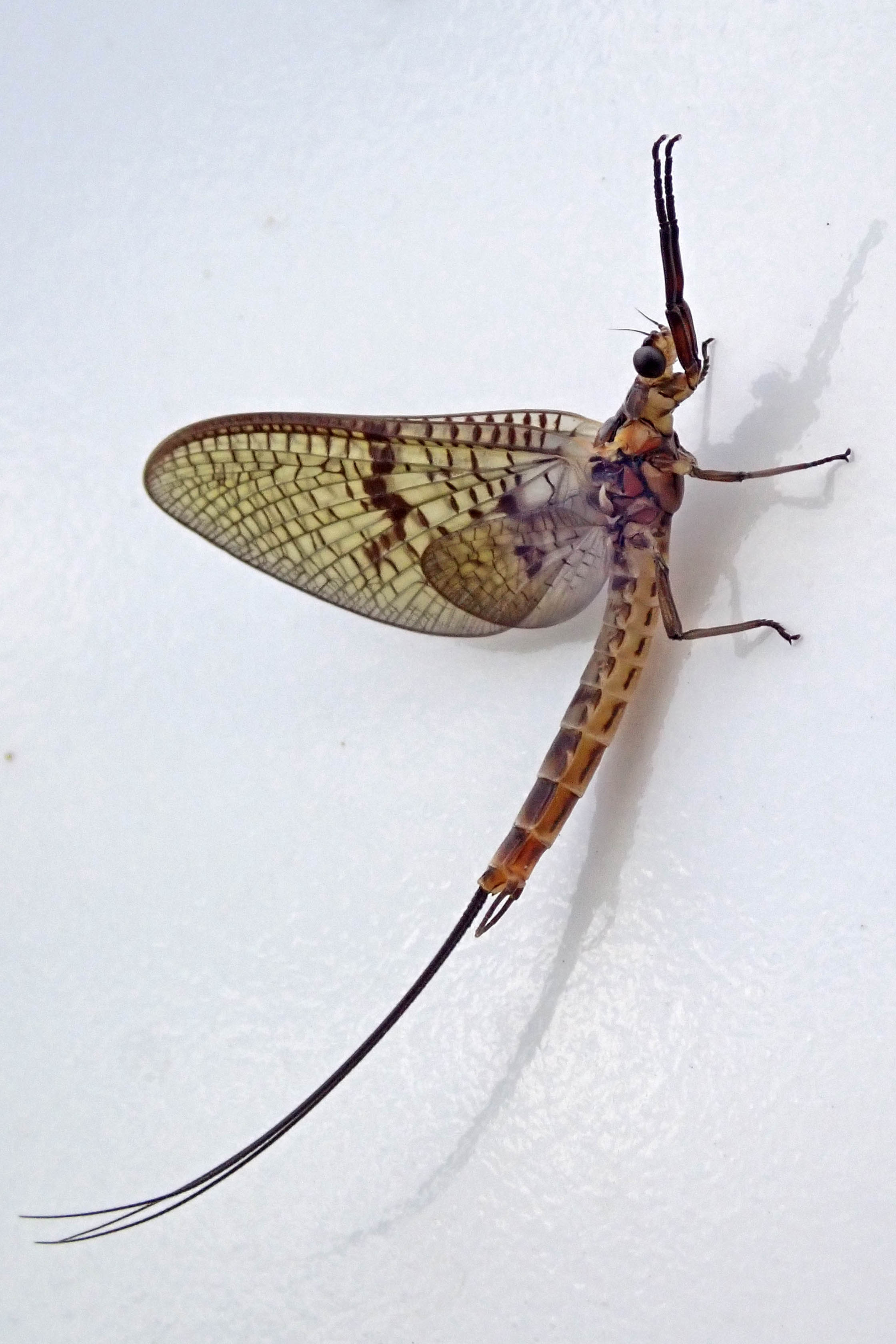
There is sadness here on the blog today for the subjects of my photos are male mayflies that have almost certainly retreated from the river where they have just mated with as many females as possible, to die amongst vegetation or, in the case below, clinging to a fence panel.

I’m sure you’re all familiar with the mayfly’s life cycle: after spending between two weeks and two years as larvae beneath the water, on the day of hatching the males fly up to dance, often in huge swarms, above the water’s surface. The female mayflies fly up in to the swarm to mate, in flight, after which they fall to the water to lay their eggs, numbering in the hundreds, if not thousands, before, probably, becoming the meal of a waiting fish or canny bird. Sometimes the males seek shelter for a time before rejoining the swarm but it’s more likely that they simply find a place to perch and die.

From the distinctive markings on their abdomens and wings, I think these particular mayflies are the species Ephemera vulgata. It is the pair of earwig-like pincers near their tails that indicate these are both males.

***EDIT November 2025. As you can see from my previous paragraph, I initially identified these mayflies as Ephemera vulgata but I have just had notification that my records have been redetermined to species Ephemera danica.

Like Loading...

Urophora stylata gall flies

02 Wednesday Jul 2025

Posted by sconzani in insects, plants

≈ Leave a comment

Tags

British gall flies, Bulb thistle gall fly, Cirsium vulgare, gall fly on Spear thistle, Spear thistle, thistle gall flies, Urophora stylata

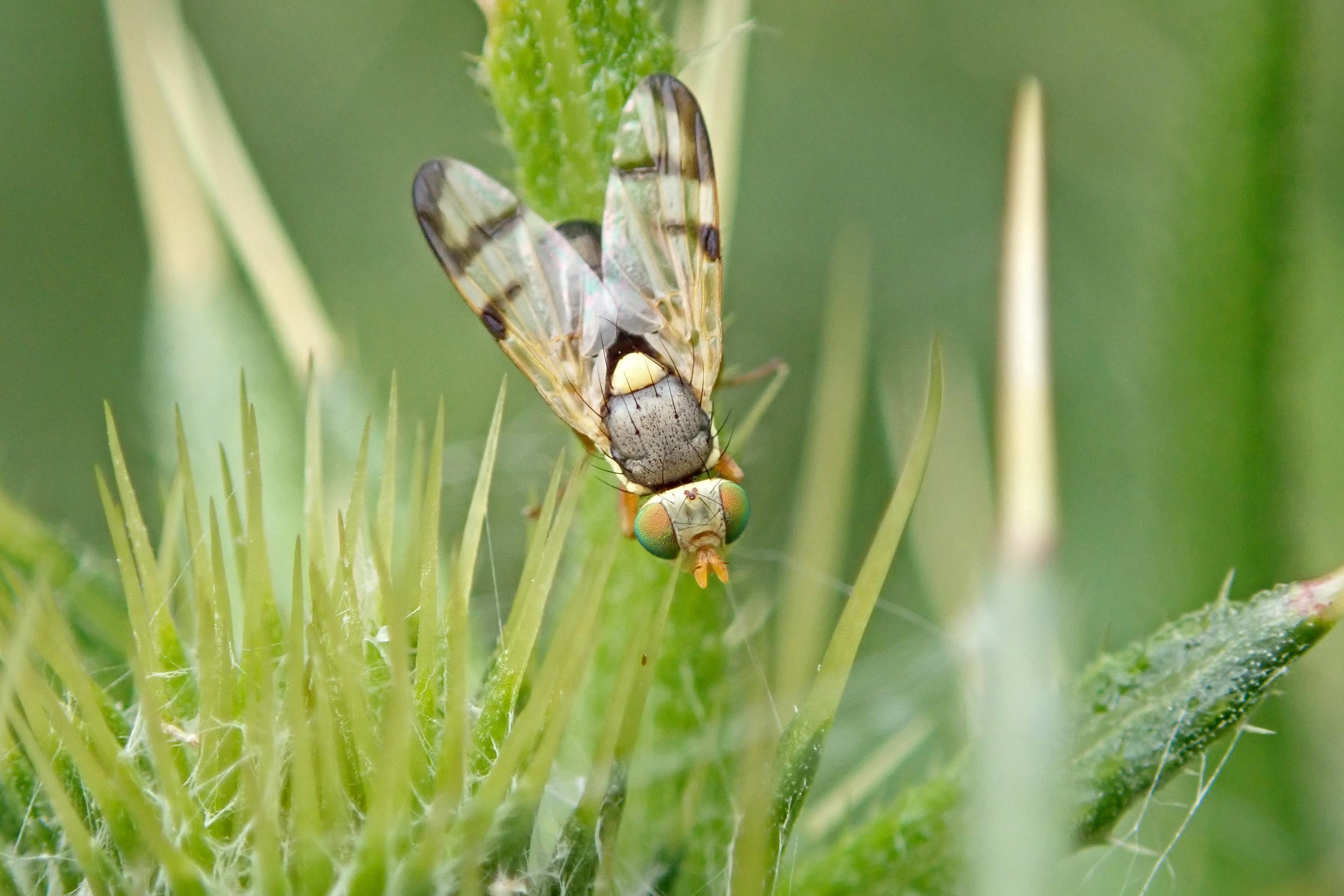
I was having a mooch around an area of rough ground on the edge of some local recreation grounds when I spotted a healthy and robust-looking Spear thistle, so wandered over for a closer look as thistles often provide a home for interesting insects. And I was in luck for there, on top of the first flower I peered at, was this handsome little gall fly, Urophora stylata.

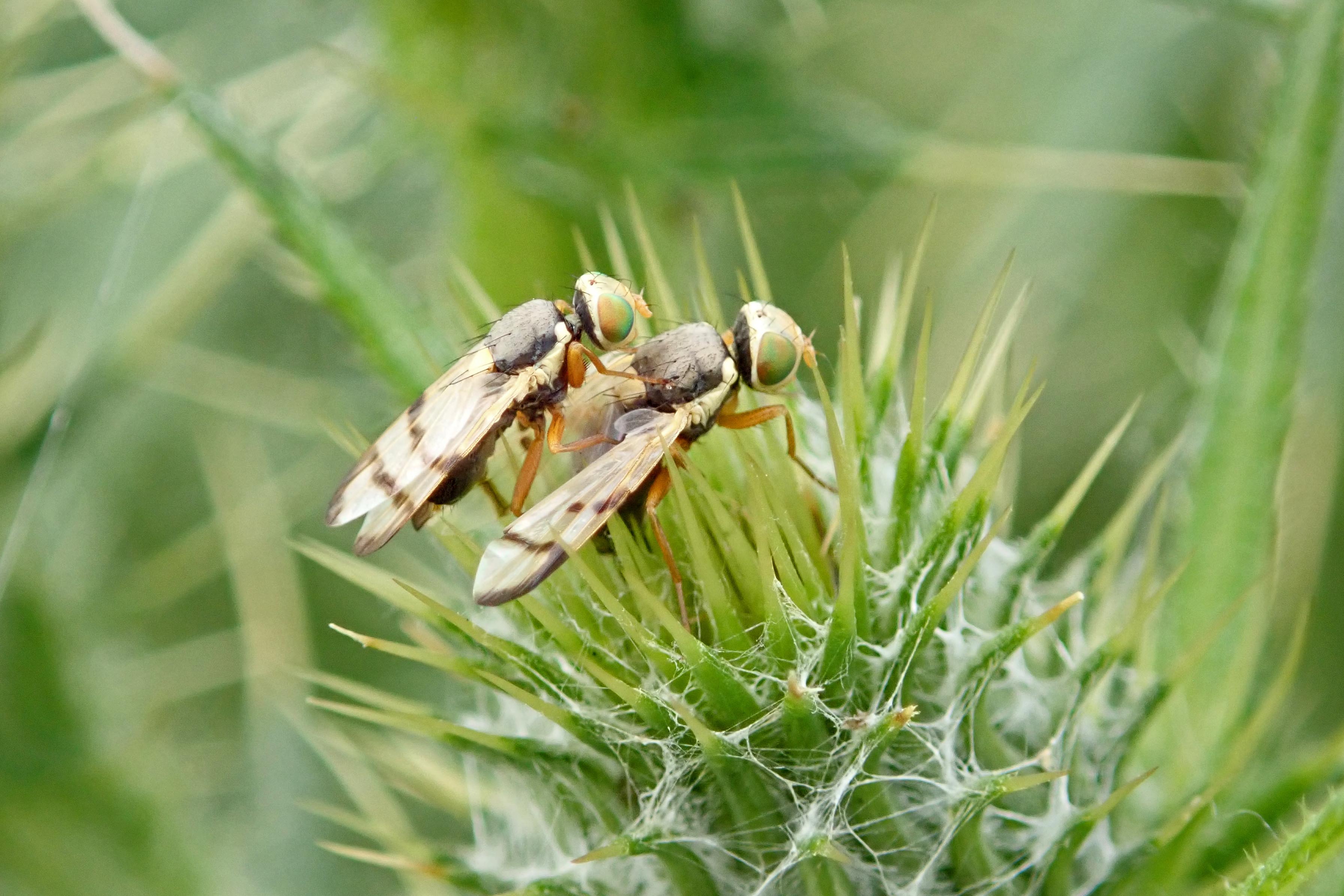
This was my first sighting of this species but, fortunately for me, the Urophora gall flies have quite distinctive patterns on their wings and they each have a preference for a particular species of thistle. Unfortunately for some of you, this gall fly is mostly seen in southern Britain but, according to my internet research (see, for example, this guide from the Montana State Government), it is also present in parts of North America, where it was introduced as a biological control for the Spear thistle, which has been classified as an invasive species in some locations.

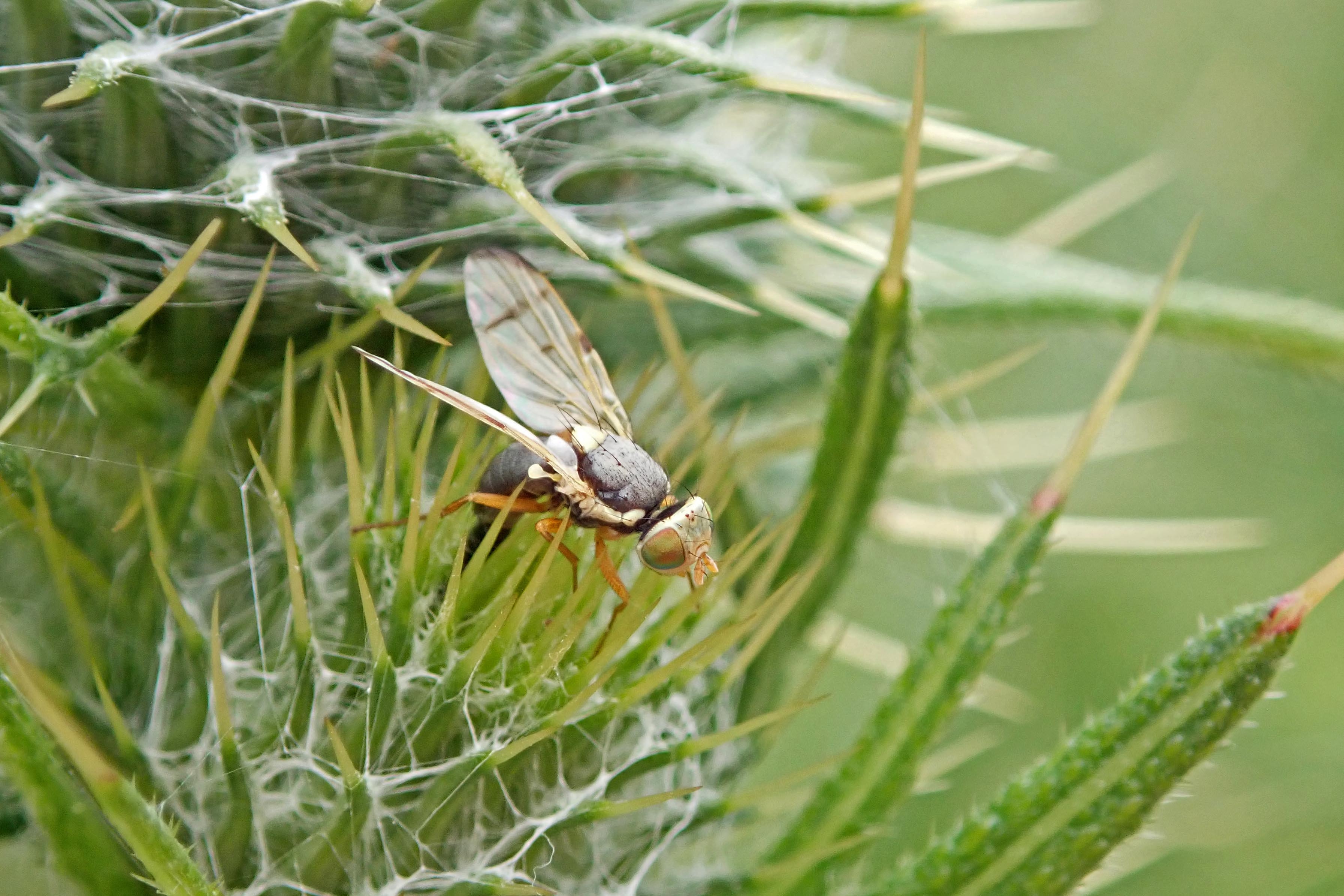
After mating, as per my voyeuristic photo above, the female fly lays her eggs, as shown below, after inserting her sturdy ovipositor into the flower heads of the Spear thistle (Cirsium vulgare). The actions of the subsequent larvae cause woody galls to grow within the flower head. The Naturespot website says that these galls are not obvious to the naked eye but ‘can be felt as hard lumps by squeezing dead flower heads’. How to explain that to a passing stranger who politely asks what you’re doing?

Like Loading...

Ruby-tailed wasp

01 Tuesday Jul 2025

Posted by sconzani in insects

≈ 2 Comments

Tags

British wasps, Chrysididae, kleptoparasitic wasps, kleptoparasitism, parasitic wasps, Ruby-tailed wasp, wasp

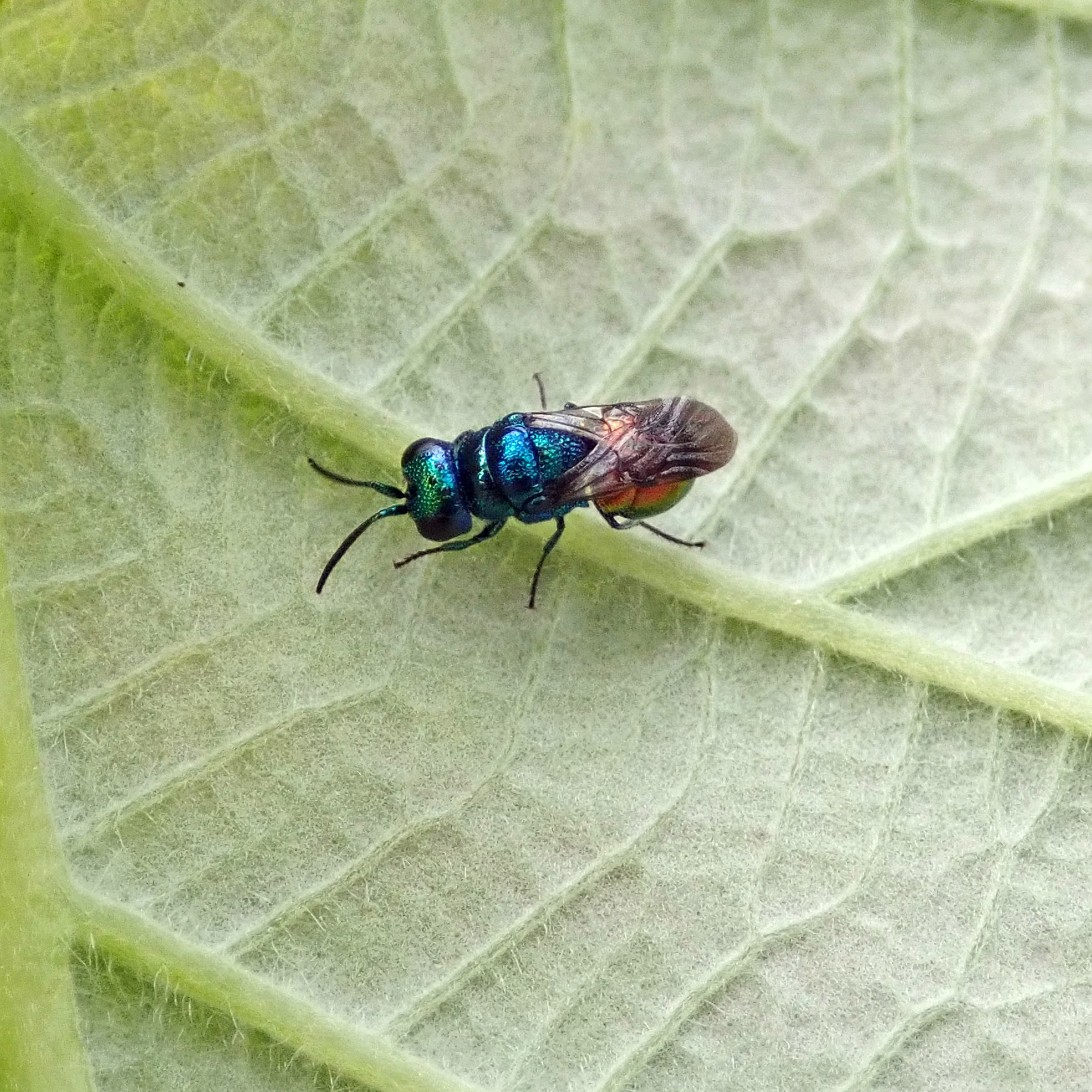
This gorgeous creature, clad in glimmering metallic colours of blue and green and red, is one of the Ruby-tailed wasps, the Chrysididae, and that’s as close to a definitive identification as I can come. According to an article I found on the BWARS (Bees, Wasps and Ants Recording Society) website, there are currently 38 species of Chrysid wasps in the British Isles and Channel Islands. Seven of those 38 species are shown on the Naturespot website, and they all look remarkably similar to my eye so I’m not even going to try to put an exact name to the one shown here. And, to be honest, I’m just incredibly pleased that this tiny wasp didn’t immediately fly away as I approached but, instead, allowed me to get reasonably good photos to share with you.

Now, just to be clear, though they look stunning, the Ruby-tailed wasps are almost all parasitic in nature. Some parasitise the eggs and larvae of other invertebrates, including other wasp species and bees; others are kleptoparasites, stealing the food other solitary wasps leave in their nests for their own larvae. Beauty and the beast encased in one tiny but beautiful bundle.

Like Loading...

Depressaria daucella larvae

30 Monday Jun 2025

Posted by sconzani in insects, plants, wildflowers

≈ 2 Comments

Tags

British moths, caterpillar eating Hemlock water-dropwort, Depressaria daucella, Hemlock water-dropwort, moth larvae, Oenanthe crocata, Water-dropwort brown, Water-dropwort brown larvae

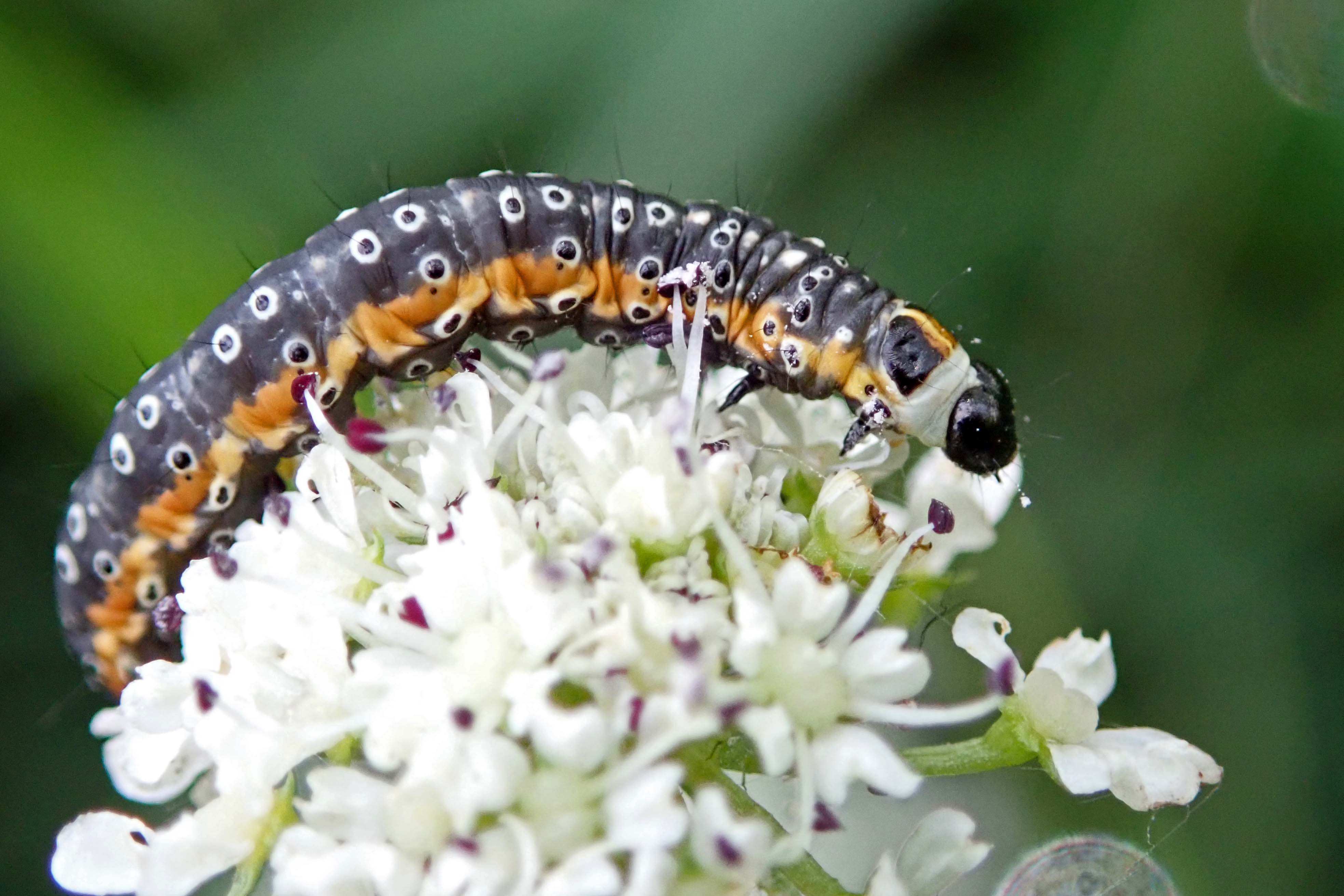
All parts of Hemlock water-dropwort (Oenanthe crocata) are highly poisonous; from the roots to the leaves, no part of it should be ingested, and the Royal Horticultural Society even recommends wearing gloves to handle the plant. Yet, somewhat surprisingly, when I was wandering around the RSPB Radipole Lakes reserve, where Hemlock water-dropwort is abundant, I found a huge number of these small caterpillars happily munching away on its stems and flowers.

These very attractive creatures are the larvae of the moth Depressaria daucella, common name Water-dropwort brown. They can be seen, on this and a few other species of plants, in the months of June and July, either out in the open when eating or resting within a loosely woven silken spinning.

The UK Moths website rather flatteringly says that the adult moth is a ‘fairly distinctive species with its chestnut-brown ground colour and darker streaking’; all I see is yet another little brown job, rather drab when compared to its caterpillars.

Like Loading...

Unbranched bur-reed

29 Sunday Jun 2025

Posted by sconzani in flowers, wildflowers

≈ Leave a comment

Tags

aquatic plants, British wildflowers, Bur-reed family, plants growing in water, Sparganium, Sparganium emersum, Unbranched bur-reed

When I popped down to the edge of the River Ely during last Monday’s walk, I was hoping for dragons and damsels. Instead, I saw flowers I’d not seen before; these plants with the rather lovely towers of globular spiky white blooms are members of the Bur-reed or Sparganium family of aquatic plants that grow both in moving and still fresh water.

There are four species of Bur-reed in Britain: Branched, Unbranched, Least and Floating. From the fact that there is a single unbranched flower spike (raceme), with just one group of the smaller, more compact male flowers at the top means that the species I found was Unbranched bur-reed (Sparganium emersum).

Like Loading...

Bug: Deraeocoris flavilinea

28 Saturday Jun 2025

Posted by sconzani in insects

≈ Leave a comment

Tags

British miridae, bug, bugs on Field maple, bugs on Sycamore, Deraeocoris flavilinea, mirid bugs, Miridae

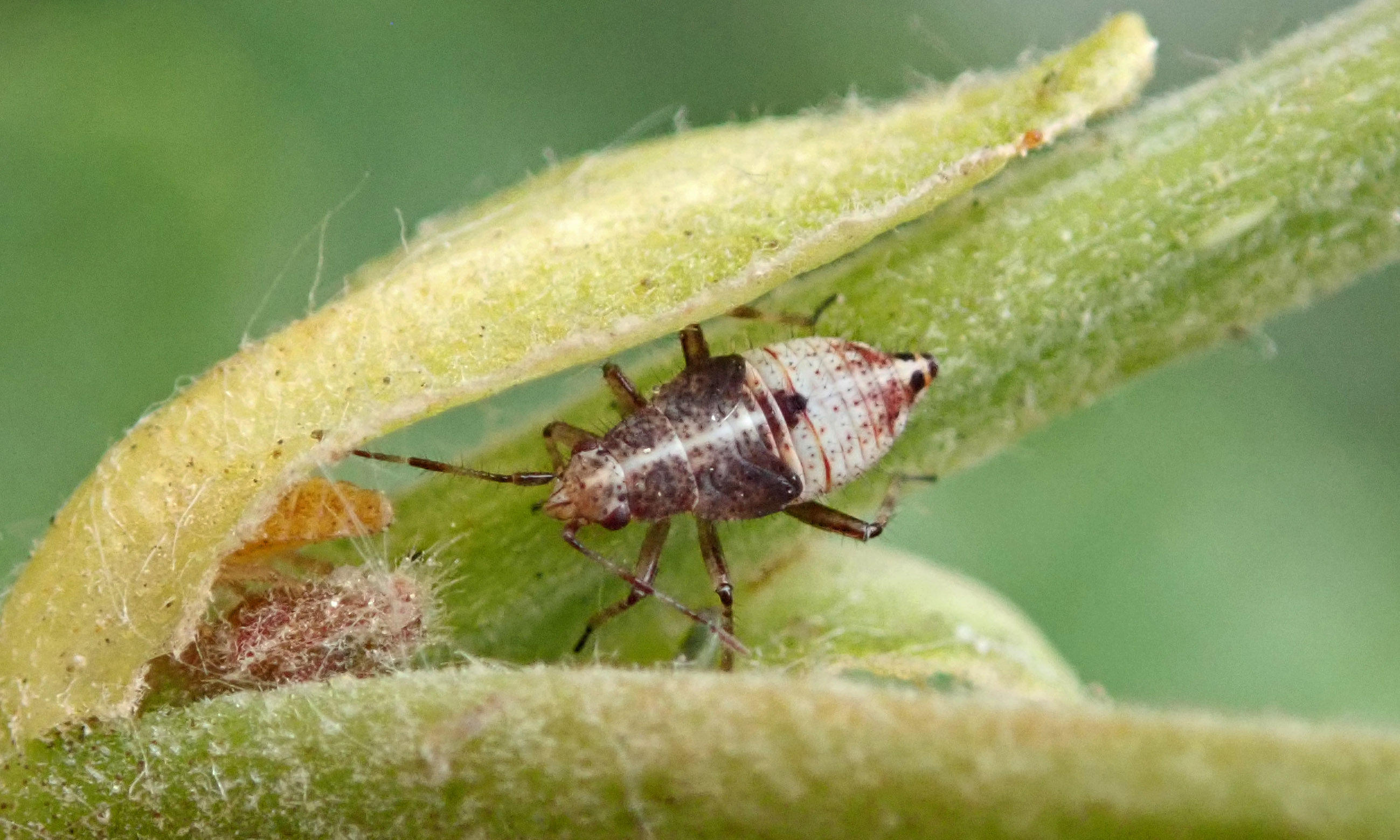
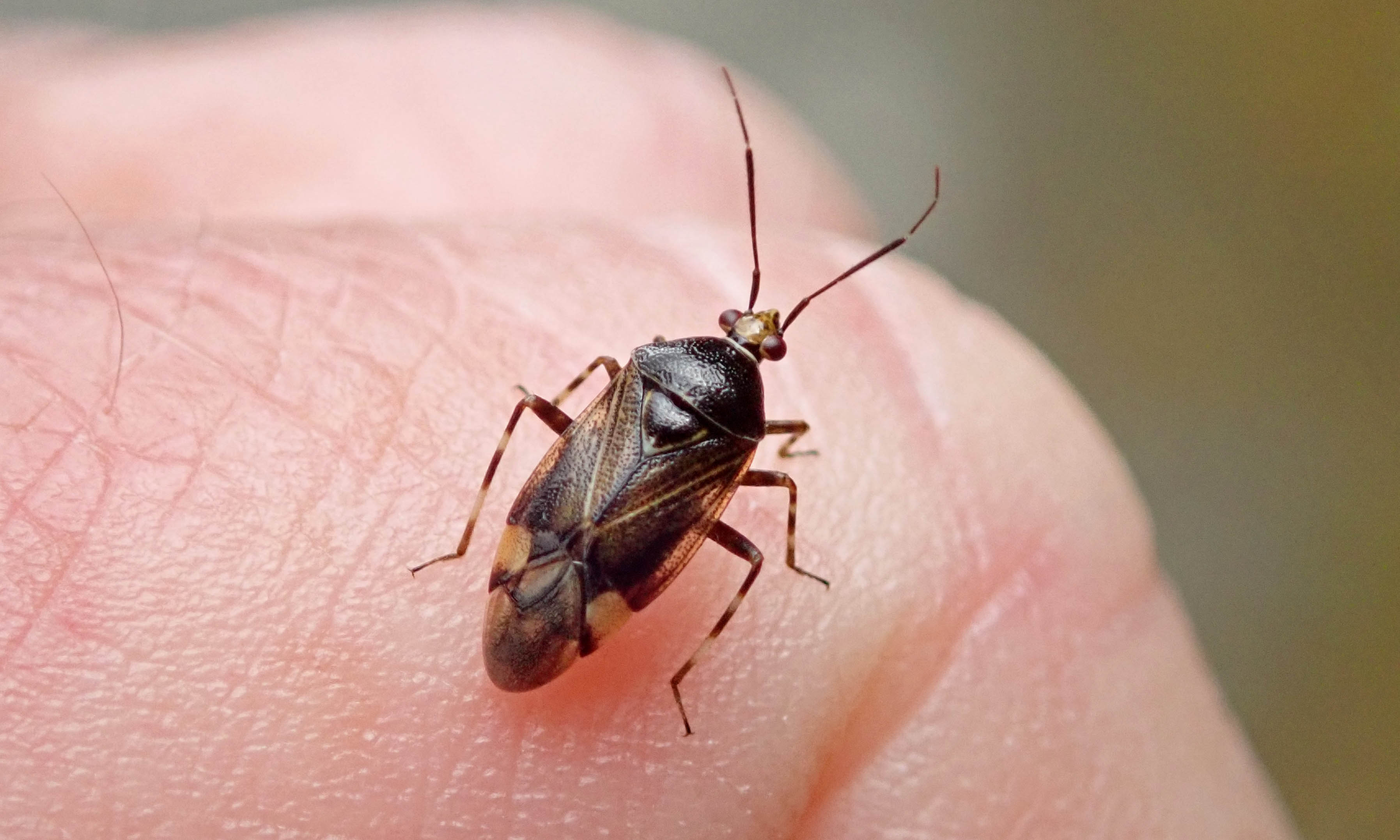
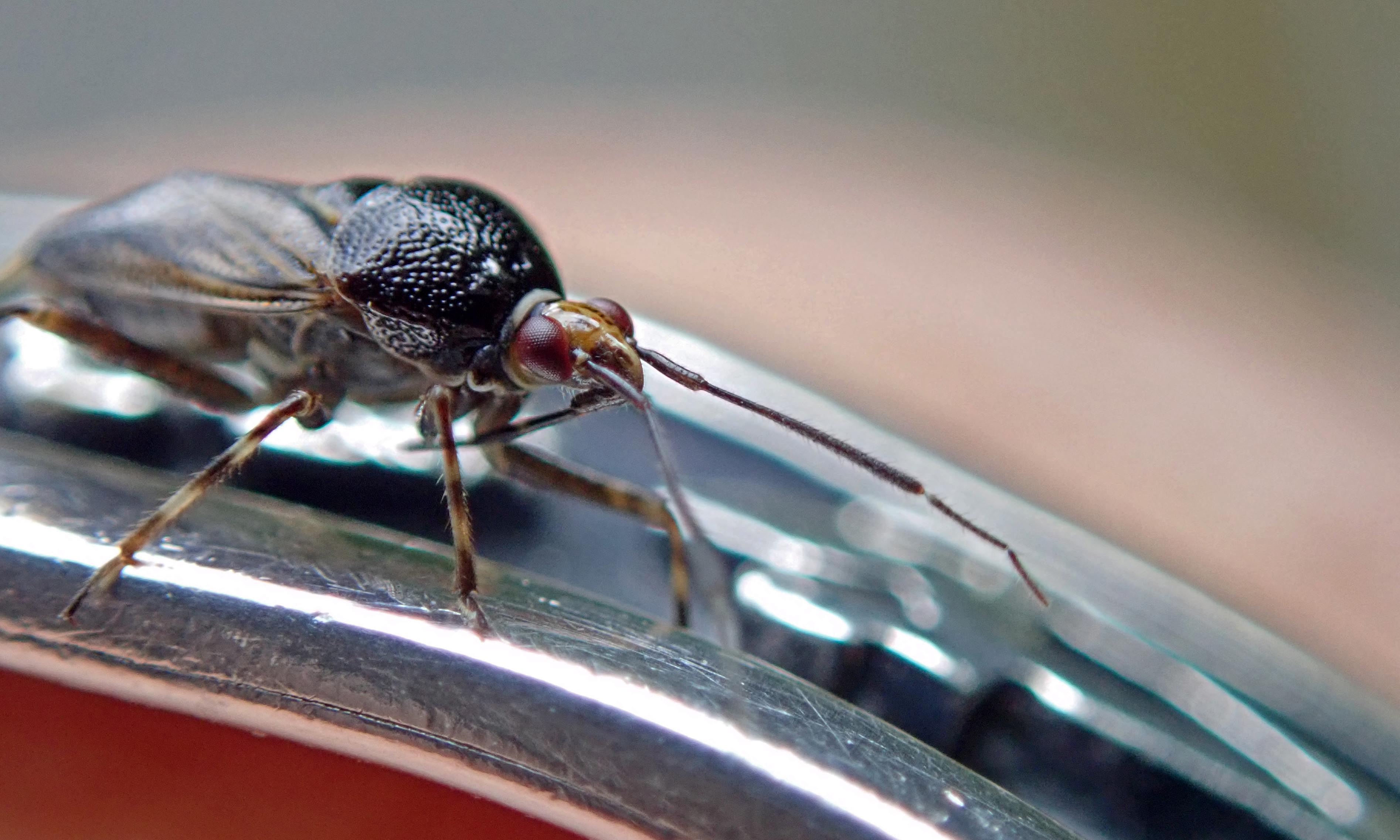
How bugs are able to colonise places as rapidly as many seem to do always surprises me, and this new-to-me Mirid bug is one of those. Deraeocoris flavilinea was first reported in the UK in 1996.

In the interim 29 years between then and now it has made itself at home across most of the southern and central parts of Britain. Perhaps the fact that this bug’s larvae feed on Field maple and Sycamore, both very common tree species, has helped with its rapid colonisation efforts.

I saw my first, the nymph shown above, on 12 May and, at the end of May, saw my first adult. Since then, I’ve seen several more, even had one walking sedately up my arm, down again and on to my hand, which allowed for a nice close up as my final photo shows.

Like Loading...

Bug: Kleidocerys resedae 

27 Friday Jun 2025

Posted by sconzani in insects

≈ Leave a comment

Tags

British bugs, bugs on Birch, insects of Birch, Kleidocerys resedae, Lygaediae, seed bugs

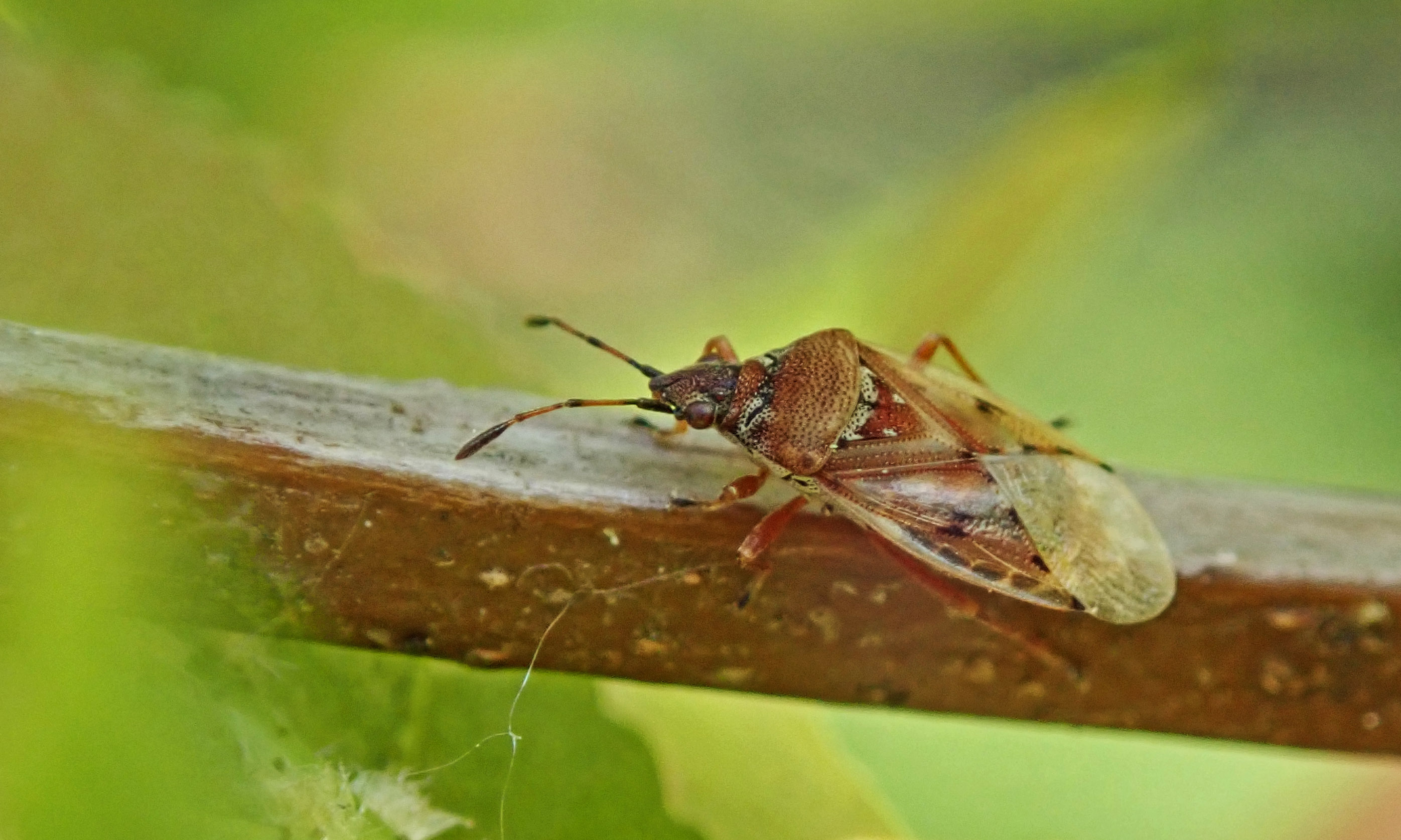
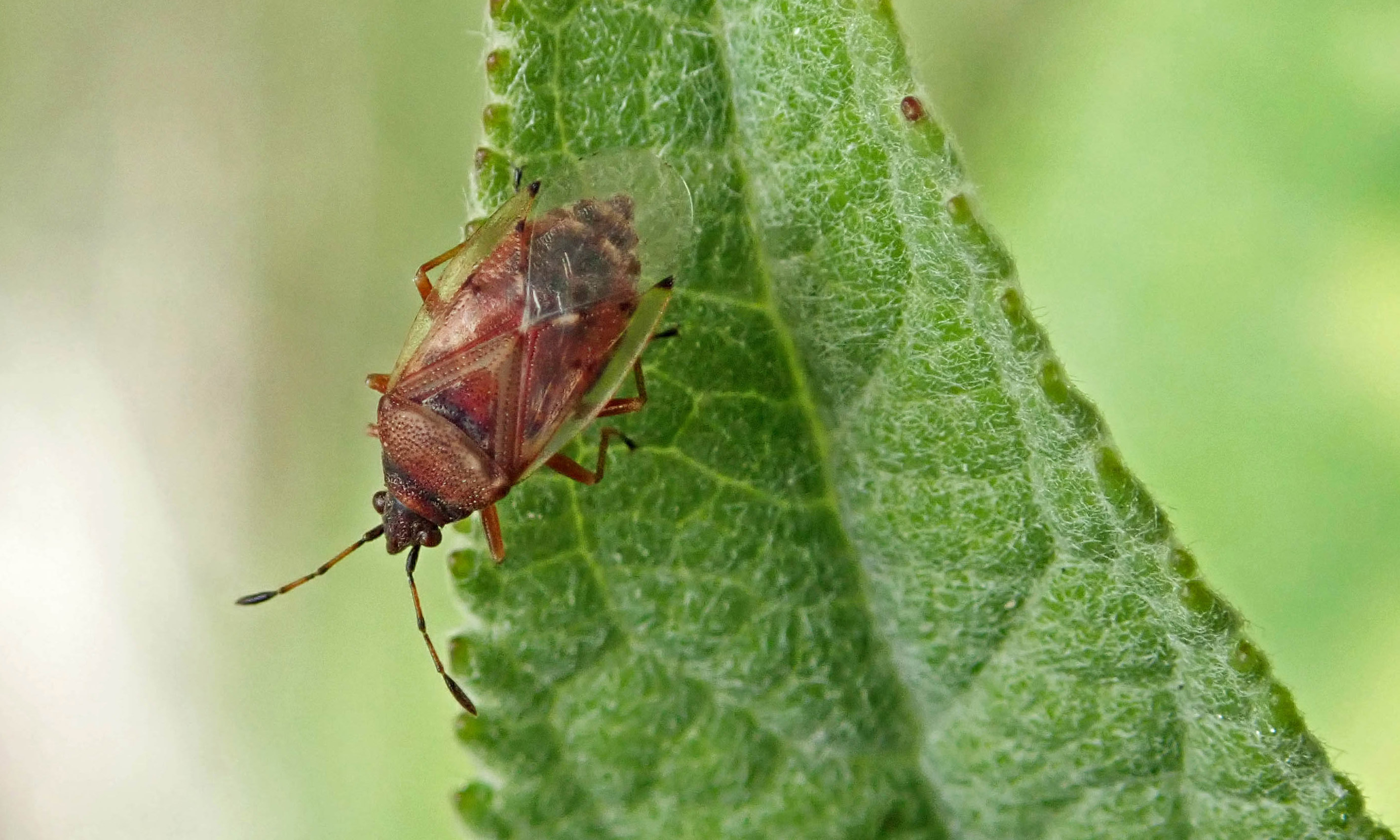
As I think I’ve mentioned previously, I’ve been fortunate to find several new bugs and beetles this year. This is one of those, now seen twice one month apart. Let me introduce you to the Birch catkin bug (Kleidocerys resedae), a member of the Lygaediae, the seed bugs that live in, on and around the seeds of various plants. In this case, as you can tell from the name, Kleidocerys resedae can be found on Birch trees (Betula species), the nymphs in particular munching on the catkins.

These are attractive little bugs, generally red-brown in colour, with some paler markings and transparent wings. There is a darker form Kleidocerys resedae f. privignus, which can be found around Alder trees, and I wonder if the bug shown below might be one of those. I actually spotted it on scrub underneath some trees, one of which was an Alder.

Birch catkin bugs can be found throughout Britain, as well as in North America and Europe, and you might be lucky enough to see them at any time of year, as they overwinter as adults (though they are thought to hibernate in colder climates).

Like Loading...
← Older posts
Newer posts →

About me

sconzani

sconzani

I'm a writer and photographer; researcher and blogger; birder and nature lover; countryside rambler and city strider; volunteer and biodiversity recorder.

View Full Profile →

Follow earthstar on WordPress.com

Enter your email address to follow this blog and receive notifications of new posts by email.

Recent blog posts

  • Turtle bug March 23, 2026
  • Springtime invasives March 22, 2026
  • Singing Dunnocks March 21, 2026
  • New cat: Large yellow underwing March 20, 2026
  • Curious Coal tit March 19, 2026

From the archives

COPYRIGHT

Unless otherwise acknowledged, the text and photographs on this blog are my own and are subject to international copyright. Nothing may be downloaded or copied without my permission.

Fellow Earth Stars!

  • Unknown's avatar
  • Unknown's avatar
  • Unknown's avatar
  • Unknown's avatar
  • Unknown's avatar
  • Unknown's avatar
  • Unknown's avatar
  • Unknown's avatar
  • Unknown's avatar
  • Unknown's avatar
  • Unknown's avatar
  • Unknown's avatar
  • Unknown's avatar
  • Unknown's avatar
  • Unknown's avatar
  • Unknown's avatar
  • Unknown's avatar
  • Unknown's avatar
  • Unknown's avatar
  • Unknown's avatar
  • Unknown's avatar
  • Unknown's avatar
  • Unknown's avatar
  • Unknown's avatar
  • Unknown's avatar
  • Unknown's avatar
  • Unknown's avatar
  • Unknown's avatar
  • Unknown's avatar
  • Unknown's avatar
  • Unknown's avatar
  • Unknown's avatar
  • Unknown's avatar
  • Unknown's avatar
  • Unknown's avatar
  • Unknown's avatar
  • Unknown's avatar
  • Unknown's avatar
  • Unknown's avatar
  • Unknown's avatar
  • Unknown's avatar
  • Unknown's avatar
  • Unknown's avatar
  • Unknown's avatar
  • Unknown's avatar
  • Unknown's avatar
  • Unknown's avatar
  • Unknown's avatar
  • Unknown's avatar
  • Unknown's avatar

Blog at WordPress.com.

Privacy & Cookies: This site uses cookies. By continuing to use this website, you agree to their use.
To find out more, including how to control cookies, see here: Cookie Policy
  • Subscribe Subscribed
    • earthstar
    • Join 668 other subscribers
    • Already have a WordPress.com account? Log in now.
    • earthstar
    • Subscribe Subscribed
    • Sign up
    • Log in
    • Report this content
    • View site in Reader
    • Manage subscriptions
    • Collapse this bar
 

Loading Comments...
 

You must be logged in to post a comment.

    %d