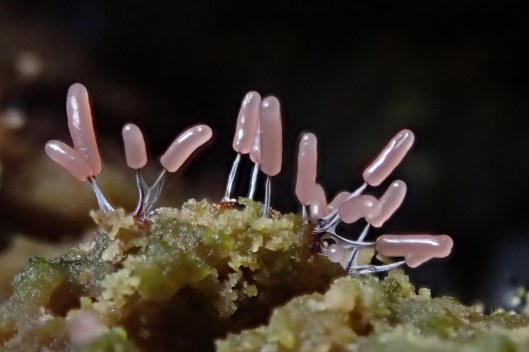
In the nicest possible way, here’s wishing you all a sublimely slimy Friday!


16 Friday Aug 2024
Posted in fungi
In the nicest possible way, here’s wishing you all a sublimely slimy Friday!
15 Thursday Aug 2024
Posted in reptiles
This is most certainly not what I expected to see when I was walking home from the local country park on Monday.

A woman had set up a small fenced enclosure on a common area of grass and brought her five Leopard tortoises out to graze. Obviously, these are not native British species; they are pets, though perhaps a bit more exotic than the usual domestic cat or dog. Still, they were such beautifully marked creatures that I thought I would write this short post about them.

The Leopard tortoise (Stigmochelys pardalis) is native to the savanna grasslands of southern and eastern Africa, and is predominantly vegetarian. These five, all males, were bred in Britain; their owner told me she had started with two, then, over the years, taken in three more whose owners no longer wanted them. She asked if I wanted to hold one so I did – George, who likes having the top of his head scratched (his skin was dry and rough to the touch) and who was heavier than I expected (his carapace was thicker than I realised). George was very handsome but I soon returned him to the pen, where he marched off more speedily than you might think to munch on a longer area of grass.

14 Wednesday Aug 2024
Posted in insects
I’ve featured Lacewing larvae on here before (The Lacewing lifecycle, 29 September 2021 and More Lacewing larvae, 19 November 2022), but these are the first larvae I’ve seen carrying shields above their bodies, the same camouflage device used by tortoise beetles (also featured here previously: Thistle tortoise beetle larvae, 7 July 2022 and Fleabane tortoise beetle, 8 June 2024).

I couldn’t find any UK information about Lacewing larvae using these shields but I did find a post on the University of Wisconsin, Milwaukee website, on their ‘Bug of the week‘ pages, that featured Green lacewings. As well as the following short paragraph, there’s a link to a video, which I highly recommend you watch. It’s brief – around 5 minutes, and includes some excellent video footage of these fascinating creatures:
Some species of Green lacewings have hairy/spiny, “trash-carrying” larvae – larvae that stick debris – and sometimes bits of dead prey – to their backs, creating a shield that they present to aggressors. Does the disguise help them avoid aphid-farming ants? Hide them from predators? Watch this very cool video.

13 Tuesday Aug 2024
Tags
British butterflies, British spiders, Crab spider, crab spider kills Speckled wood, Speckled wood, White crab spider
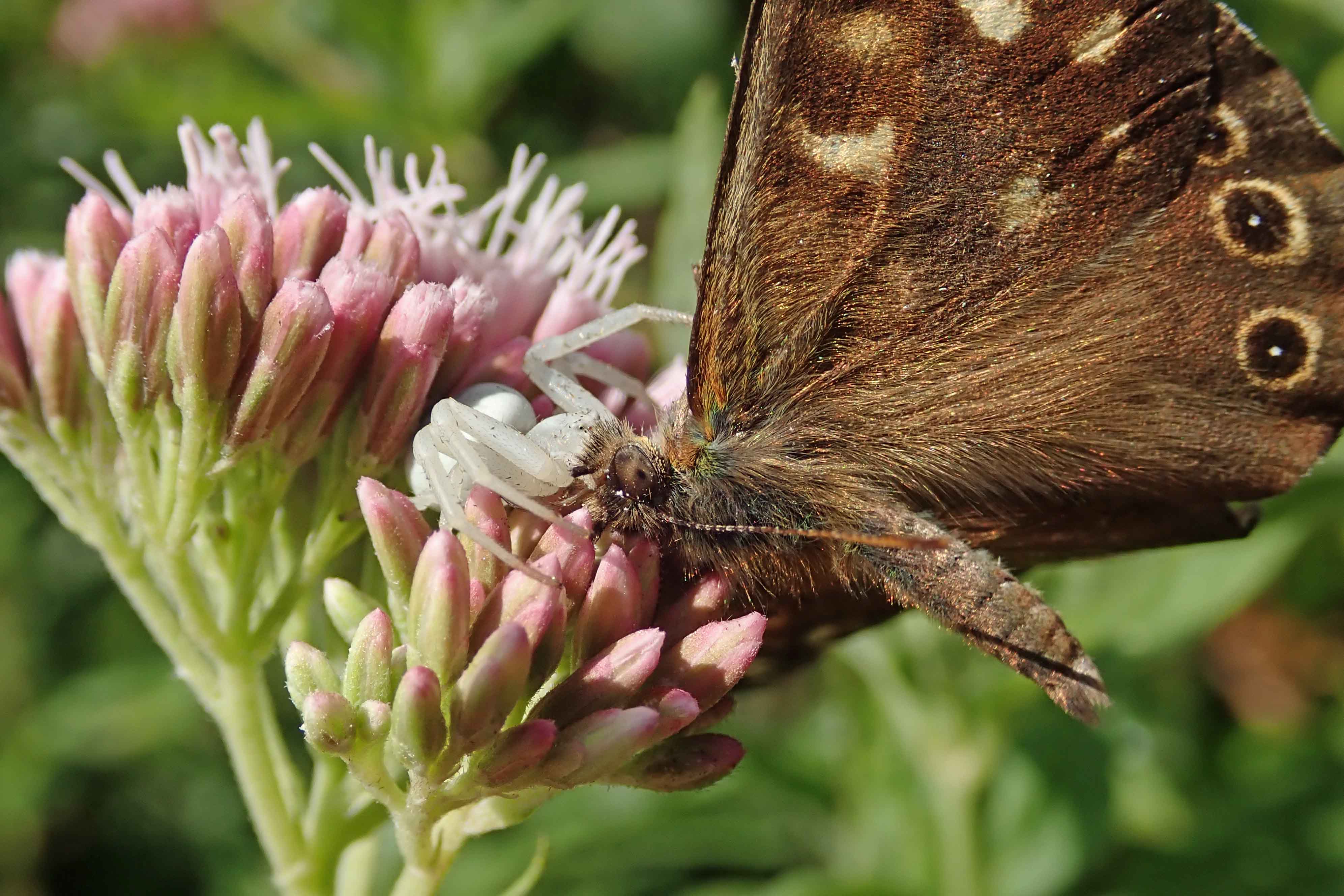
Me: ‘What on earth is that Speckled wood doing?’

Speckled wood: ‘ . . . ‘
Crab spider: ‘Yum! Lunch!’
12 Monday Aug 2024
Posted in birds
Tags
autumn migration, birding, birdwatching, British birds, Chiffchaff, juvenile Chiffchaff, migrating birds
When I first spotted this juvenile bird picking its way through the tall stand of Wild parsnip, I thought it was my first passage Willow warbler of the season, feeding up before heading off on its long migration flights south.
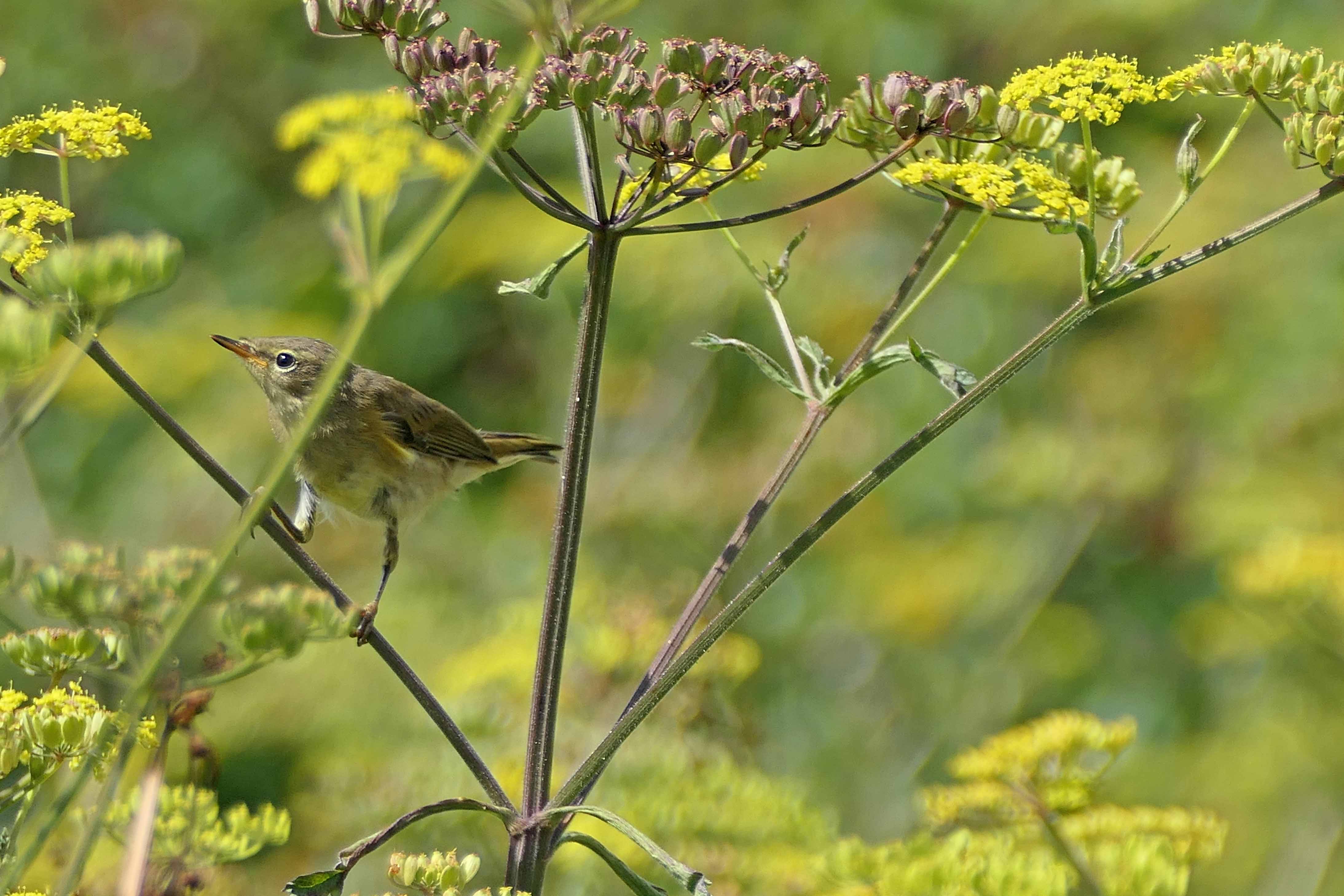
However, when my photos showed dark rather than pink legs, I knew this was a young Chiffchaff. It may still be a migrating bird, though Chiffchaffs breed locally so it’s not possible to tell for sure.
11 Sunday Aug 2024
Posted in flowers, insects, wildflowers
Tags
British bumblebees, Buff-tailed bumblebee, bumblebees on Carline thistles, Carline thistle, Common carder

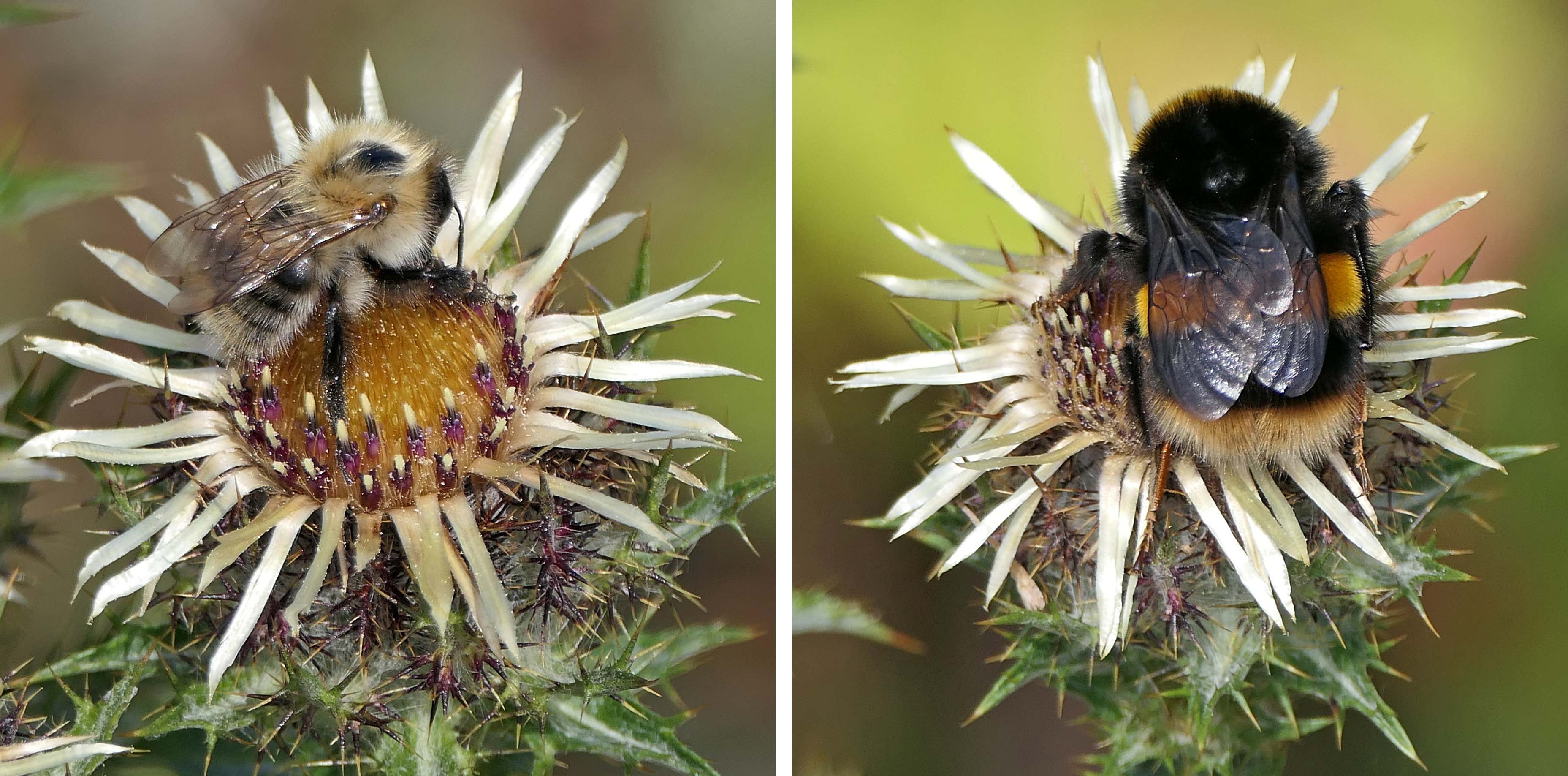
I love Carline thistles, their sculptural structure, the way they glisten in the sunshine, how lovely they look from the time of their bursting buds right through to the dried flowers that often last right through the winter.
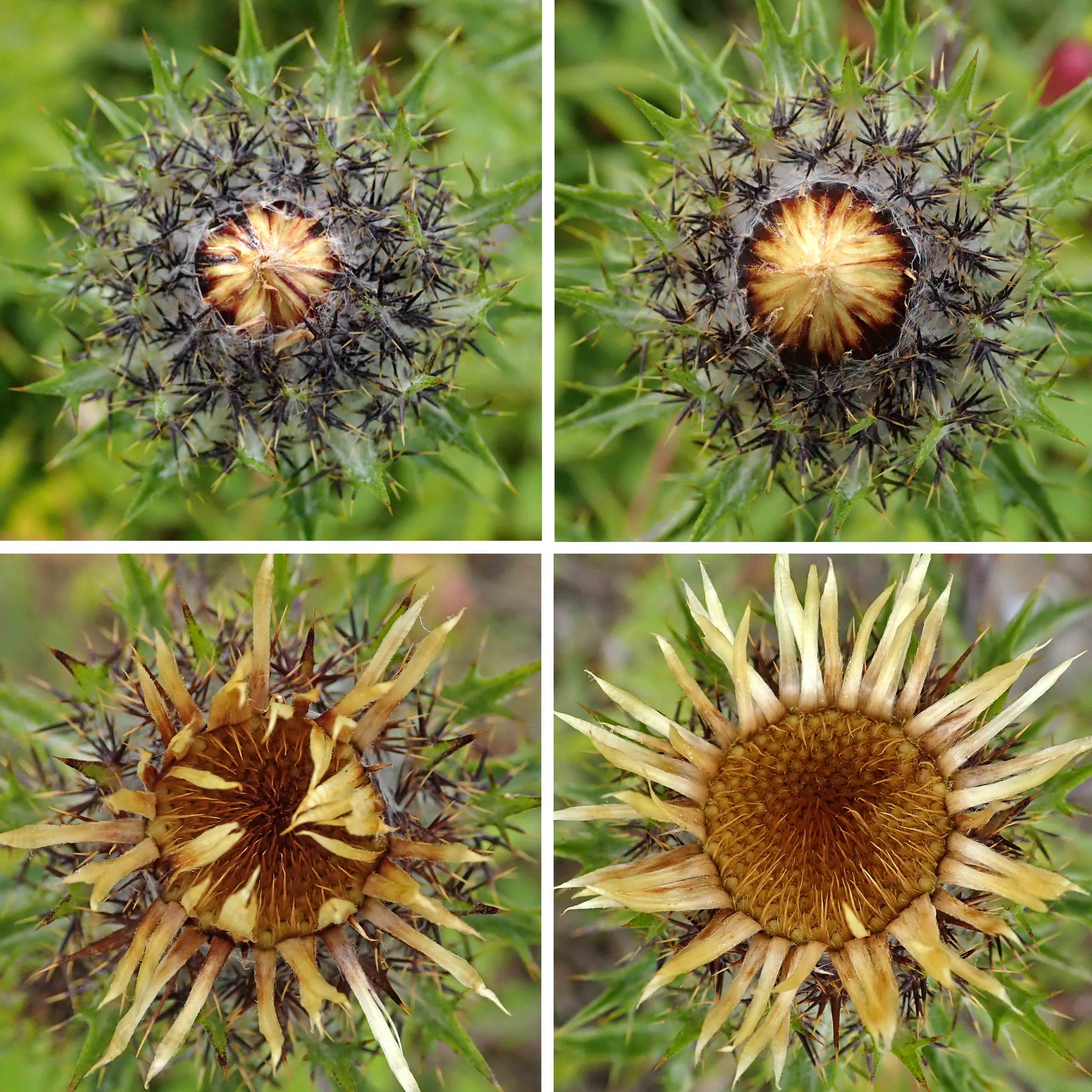
And I’m not the only one who loves them. The flowers, which ‘open in warm, dry weather and close in the cool and wet’ (Flora Britannica), must be full of a particular nectar that appeals to our resident bumblebees (like this Common carder and Buff-tailed) as they love feasting on Carline thistles, and I rarely see other insects on them.
10 Saturday Aug 2024
Posted in insects
As well as the second broods of butterflies I blogged about on Thursday, there are three other butterfly species that have recently begun to emerge locally.** I didn’t include them in my previous post, as these species have different life cycles: they overwinter as adults, generally hibernating somewhere sheltered, though sometimes appearing briefly on unseasonably warm winter days.
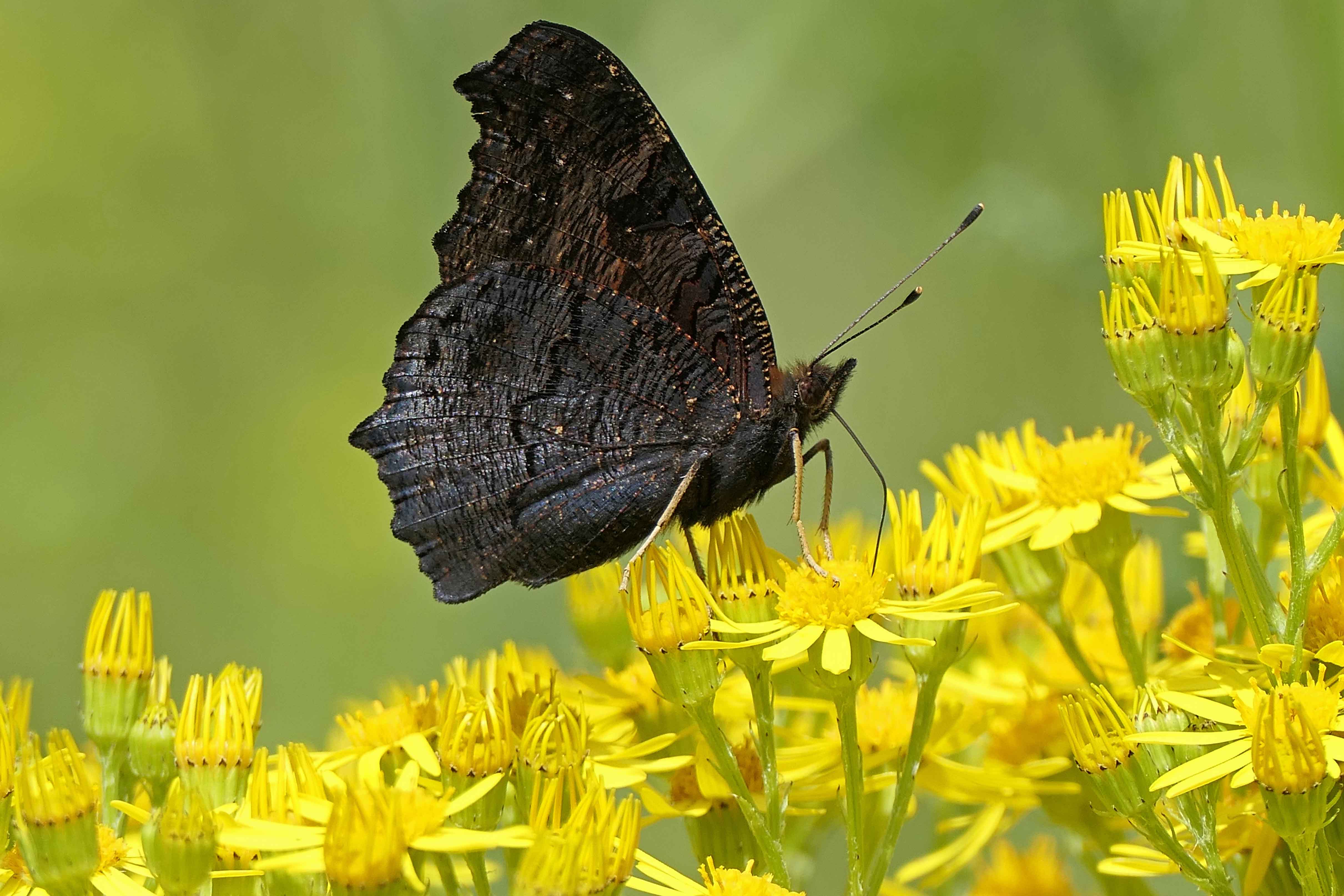
Peacocks awaken in the Spring, laying their eggs during May, with the adults emerging from mid July.

The Comma’s life cycle is a little different. They also emerge from their winter sleep in springtime, but they usually have two broods each year, with the first eggs being laid between early April and mid May, and the second from late June to mid August.

The Brimstone is another British butterfly that spends most of its life as an adult, and enjoys the distinction of being ‘our longest-lived butterfly’ (Life Cycles of British & Irish Butterflies). It only has one brood per year, with eggs being laid between mid April and the start of June, with the adults emerging at the beginning of August.
** I would love to be able to include Small tortoiseshell in this blog, as they also overwinter as adults and their second broods should be emerging about now but, tragically, I have only seen one of this species in 2024, back at the start on April. And most of my butterfly-loving acquaintances have noticed a similarly disastrous decline in numbers, with some not having seen a single Small tortoiseshell this year.
09 Friday Aug 2024
Posted in insects
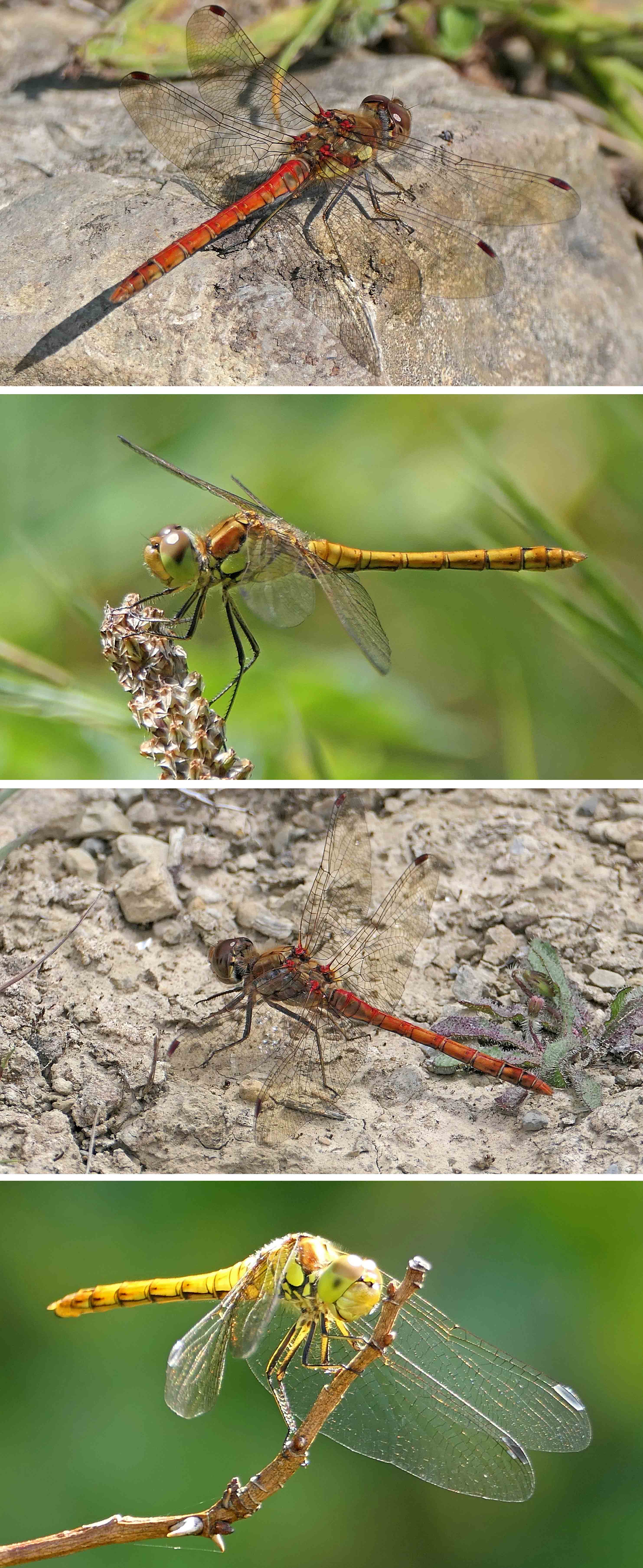
Generally speaking, female Common darters (Sympetrum striolatum) are yellow and males are red. However, as with so many things, the reality is not so black and white – or, rather, yellow and red.
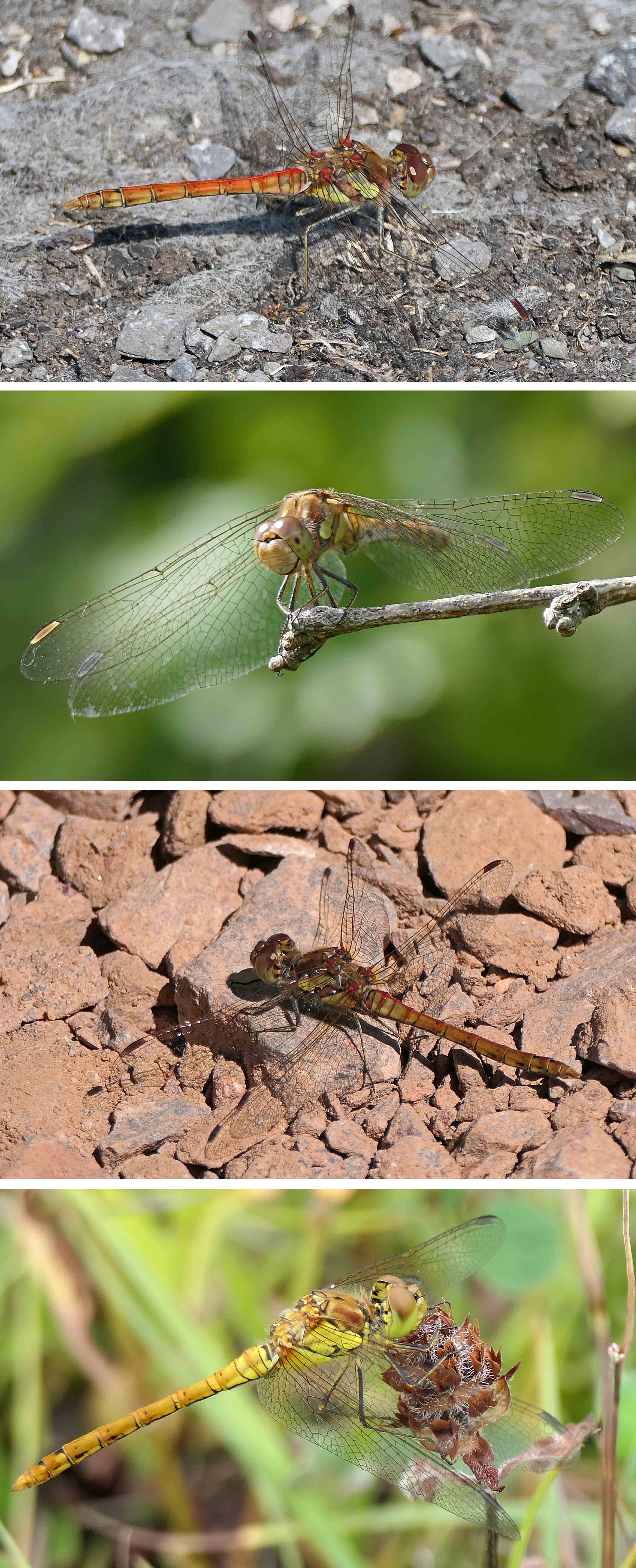
Immature Common darters are usually yellow in colour, regardless of sex; and, as they age, the colours of both sexes often become dull, the males losing their vibrancy and looking quite brownish, the females turning reddish so they resemble males.
08 Thursday Aug 2024
Posted in insects
Tags
British butterflies, Brown argus, Comma, Common blue, Holly blue, Peacock, second brood butterflies, Small copper
After seeing very low numbers of the first broods of butterflies earlier in the year, I’m hoping that the second broods that are now hatching will have better luck with the weather and be able to breed successfully so that population numbers recover in 2025. These are some of the beautiful butterflies I’ve seen that have recently emerged.

Brown argus
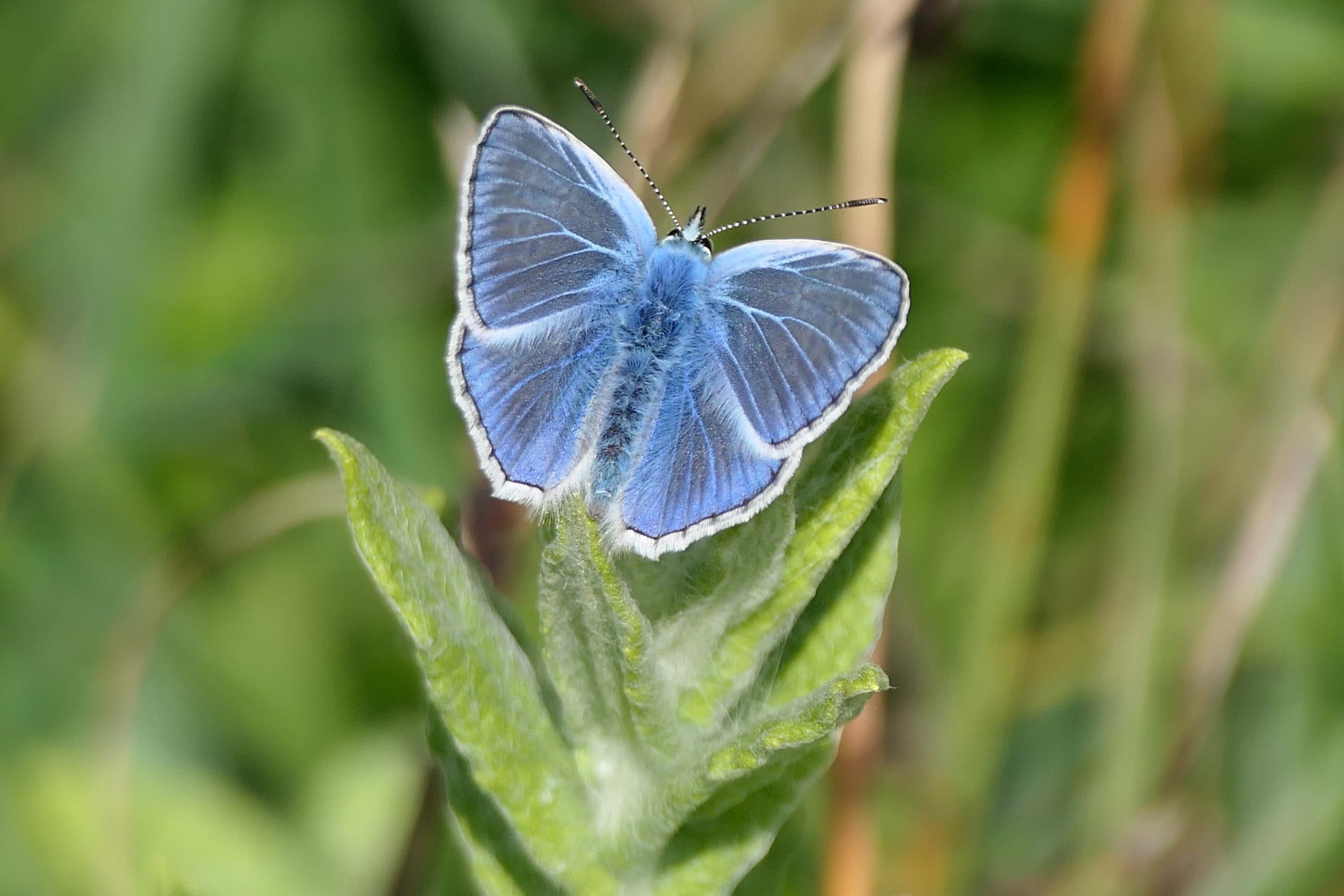
Common blue
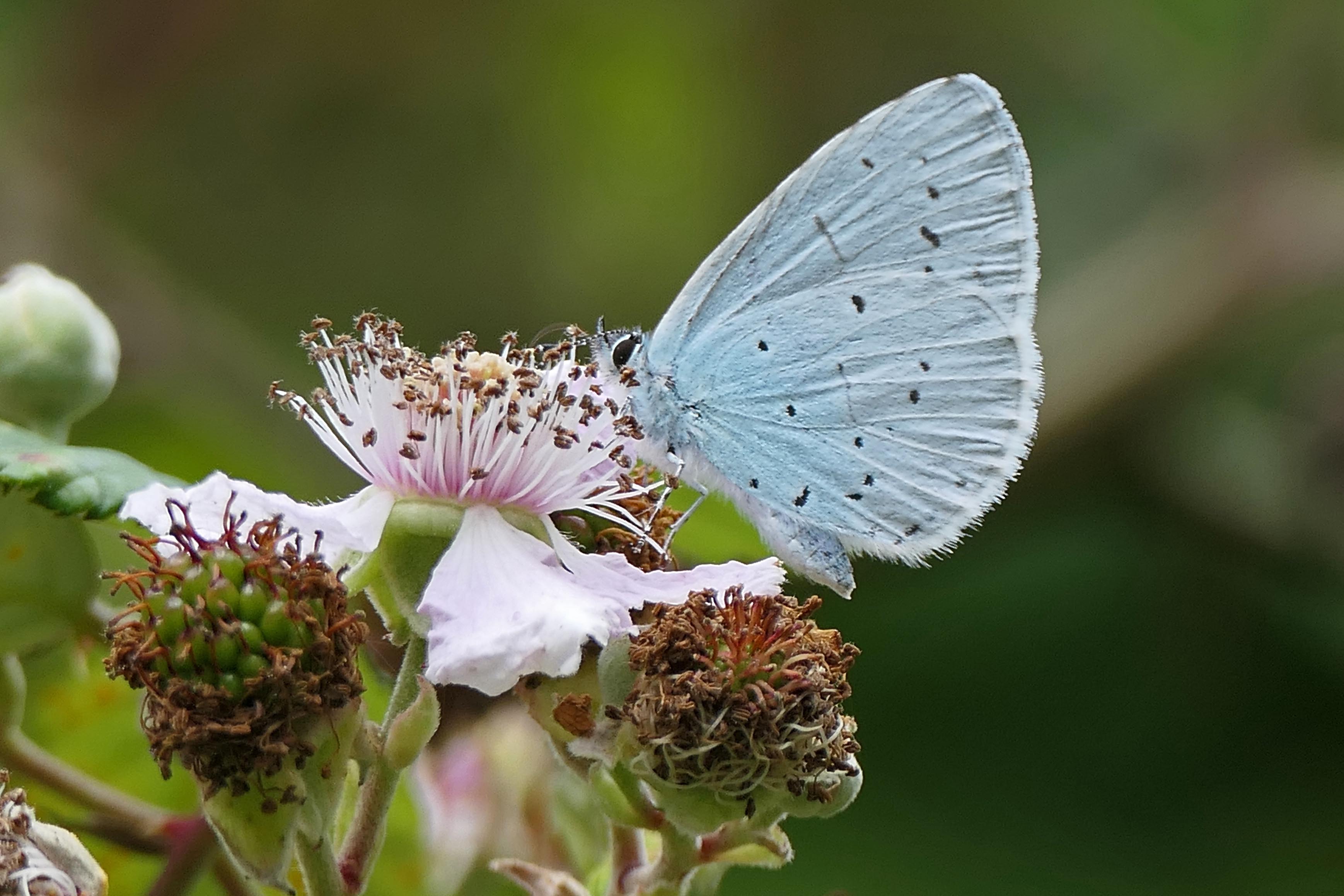
Holly blue

Small copper
07 Wednesday Aug 2024
Posted in birds
Tags
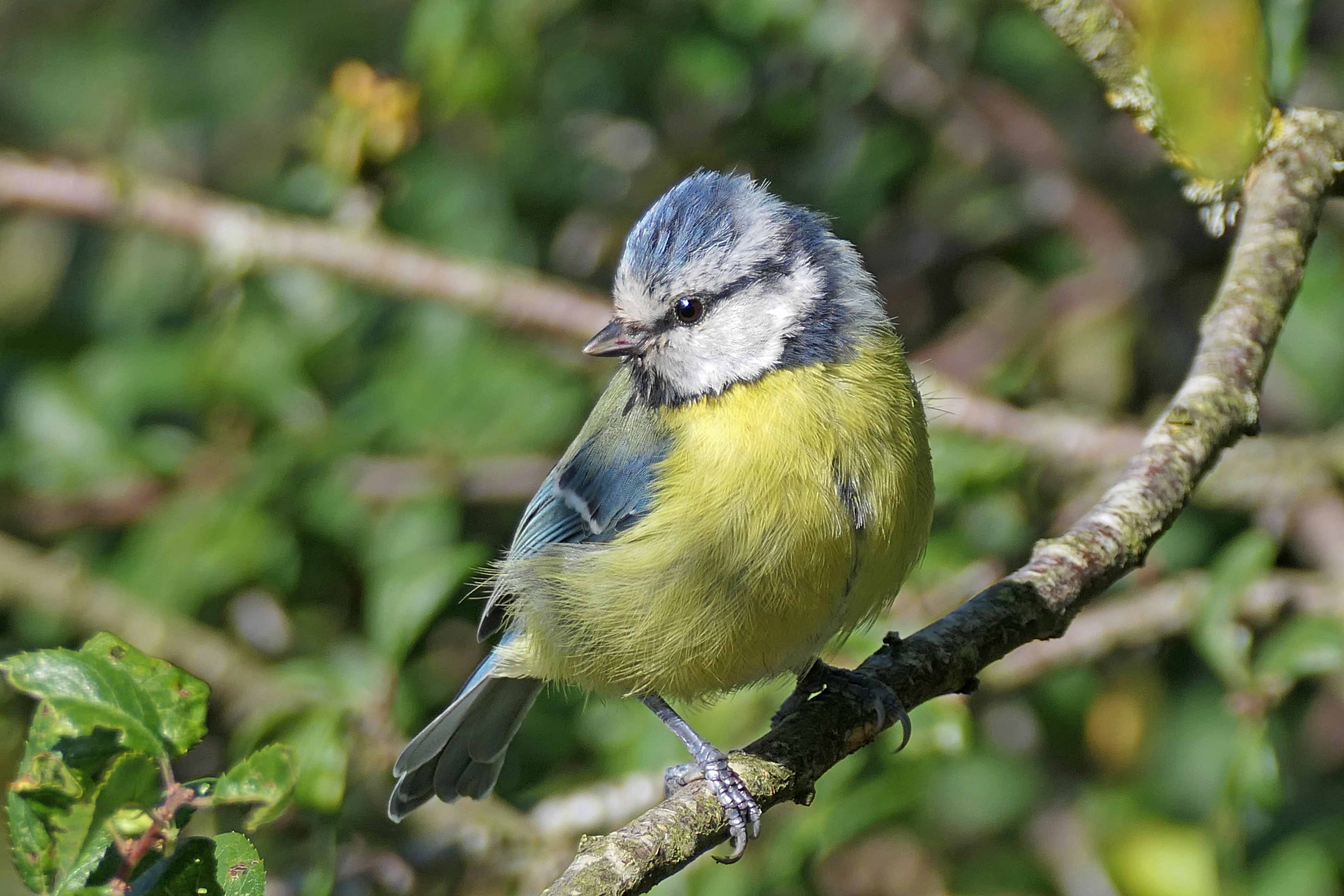
It’s been very quiet during my recent walks as the local birds have been recovering from raising their chicks and then going through their annual moult. But yesterday was different. Some birds were leading their youngsters through the trees and shrubs, all of them frequently emitting contact calls to keep in touch with each other. Others – like this little Blue tit – were singing again, and those joyous sounds made me realise how much I’d missed hearing them, and how cheering their songs can be.
 earthstar
You must be logged in to post a comment.