• ABOUT
  • BIRDING 2018
  • Birding 2019
  • BLOG POSTS
  • Butterflies 2018
  • Resources

earthstar

~ a celebration of nature

earthstar

Category Archives: spring

Thrift

29 Sunday Mar 2026

Posted by sconzani in seaside, spring, wildflowers

≈ Leave a comment

Tags

Armeria maritima, British wildflowers, Heugh daisy, Ladies' cushions, Sea-pink, seaside wildflowers, Thrift

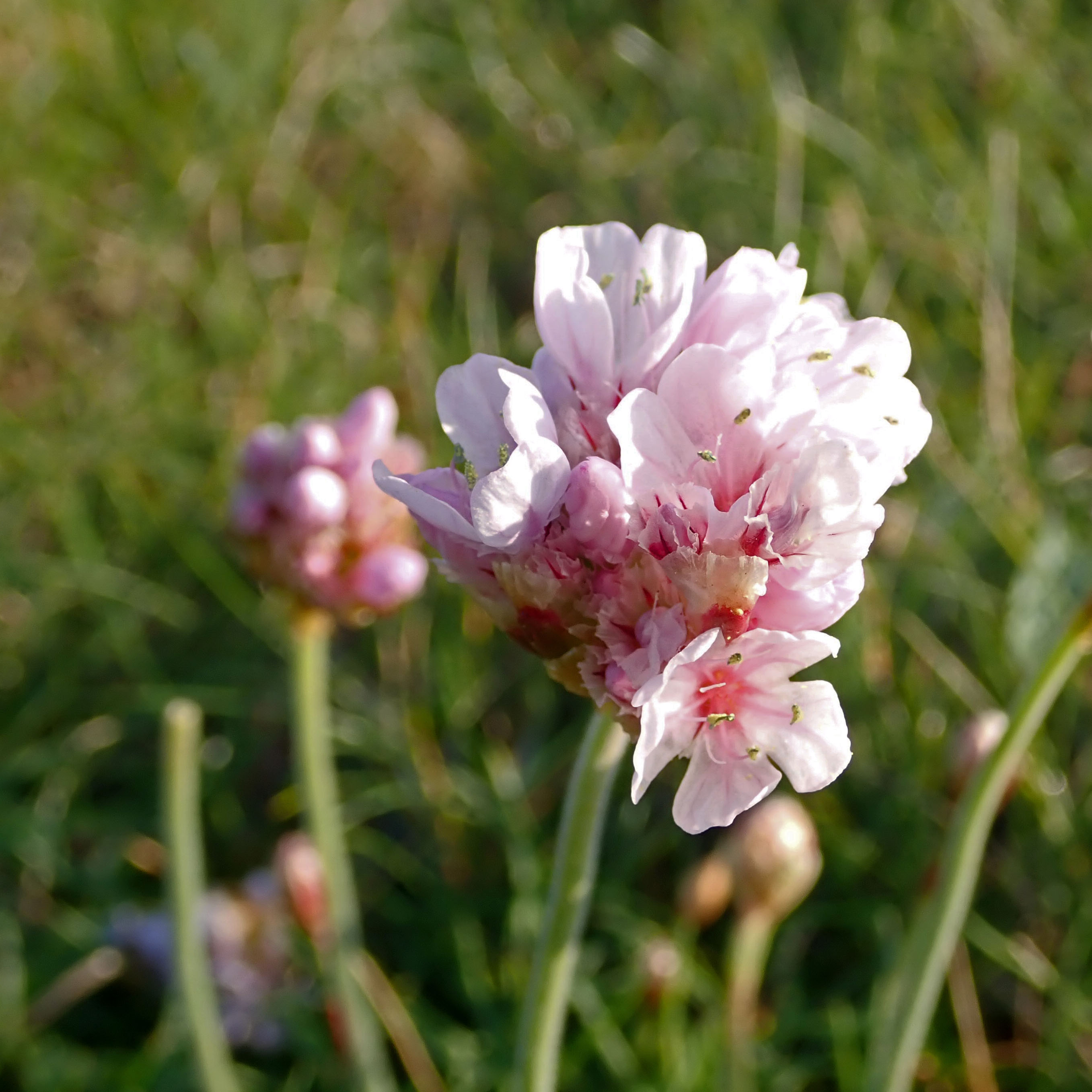
Though Richard Mabey writes in Flora Britannica that Thrift, which may have acquired its common name ‘from its tight and economic tufts’, is found in ‘almost every kind of seashore location’, I don’t see it in my area of south Wales so it was lovely to see this beautiful plant just coming in to bloom on Portland.
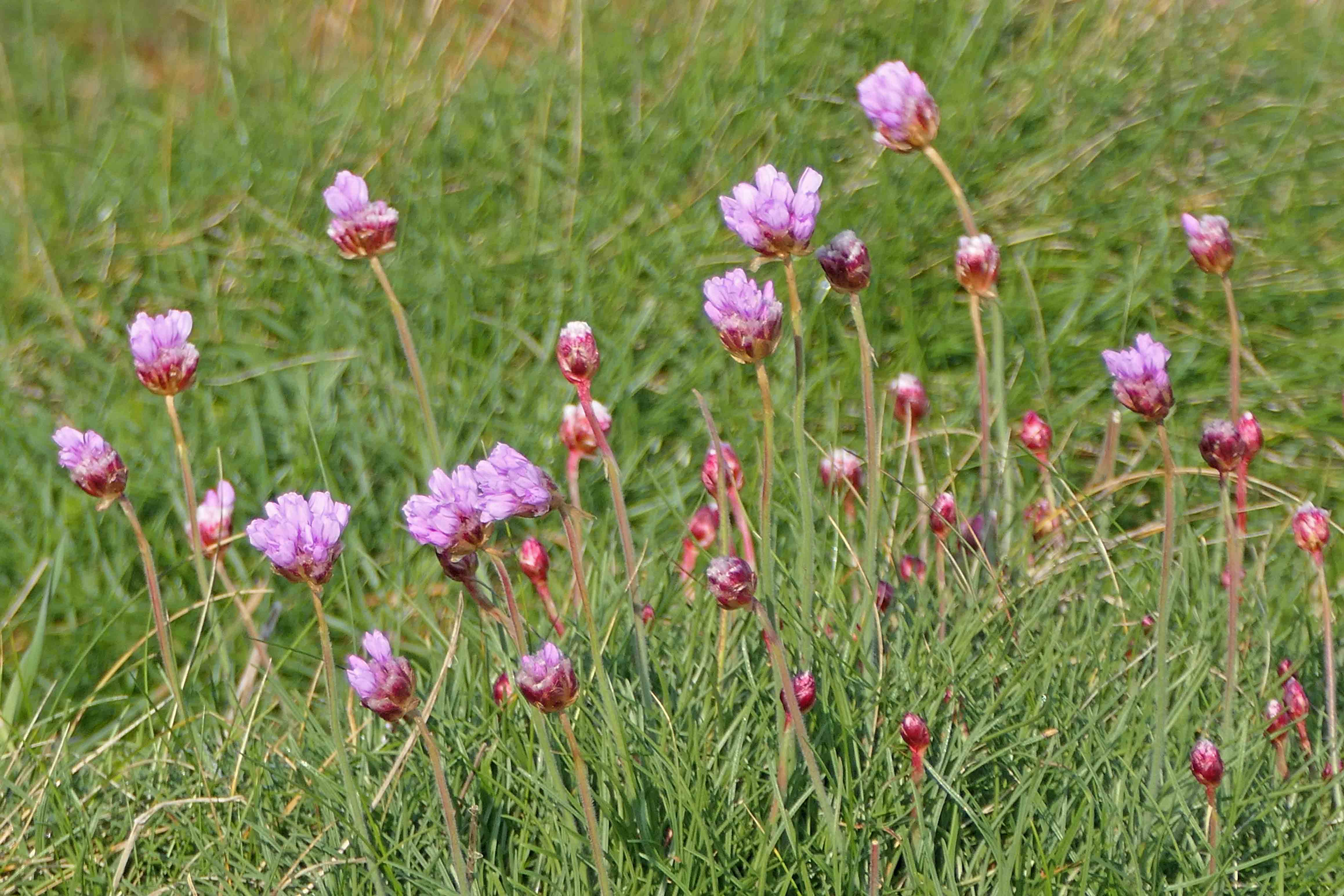
Though Thrift’s scientific name Armeria maritima rolls nicely off the tongue, I much prefer the vernacular names listed and explained by Mabey: Sea-pink (a lovely name and easily understandable from this plant’s lovely blooms, which vary from dark pink through to white), Cliff clover (cliff I get, but this is nothing like a clover in appearance), Ladies’ cushions (from their padded cushion-like form); and Heugh daisy (a name used only in specific locations in Scotland and northern England, where heugh means cliff or ravine).
Like Loading...

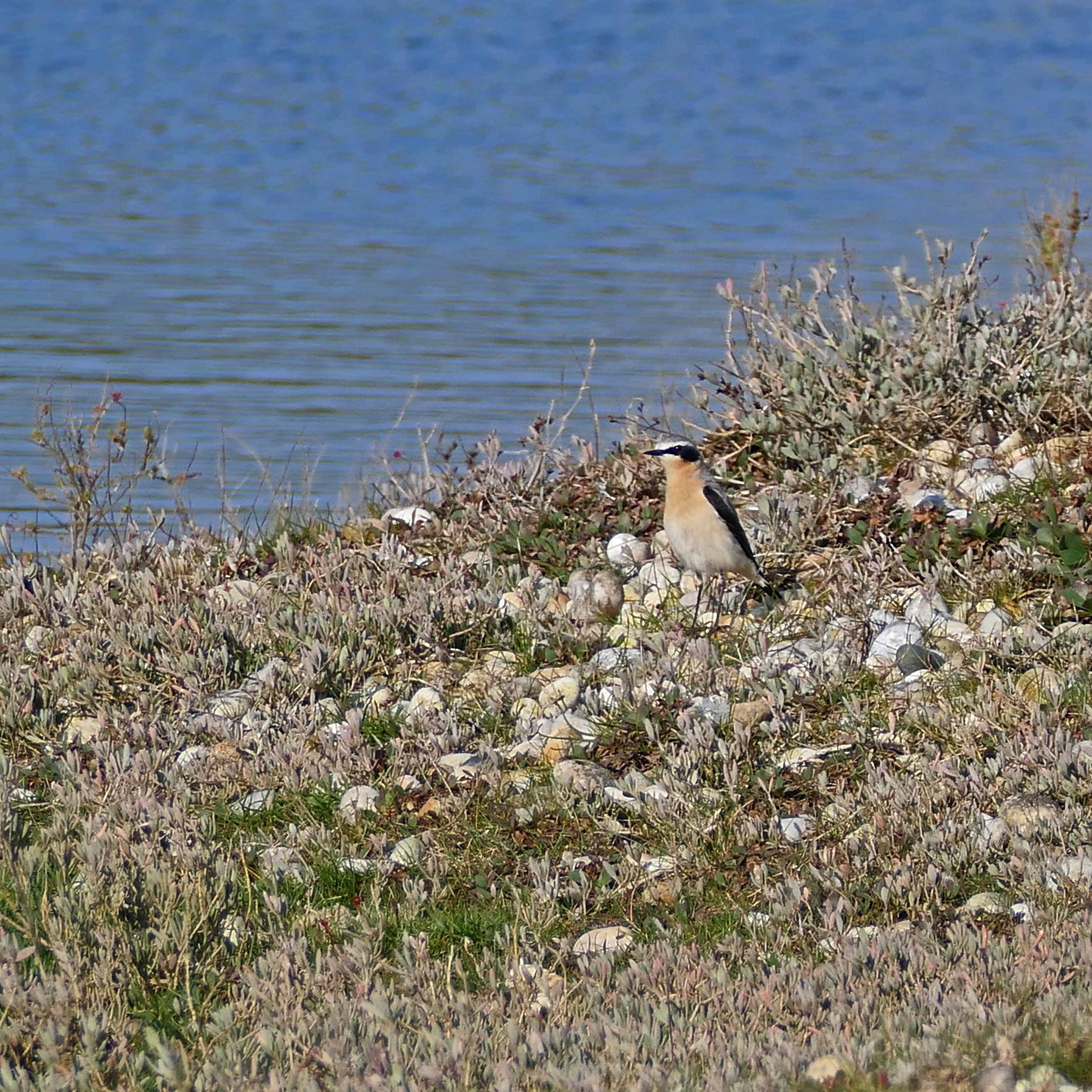
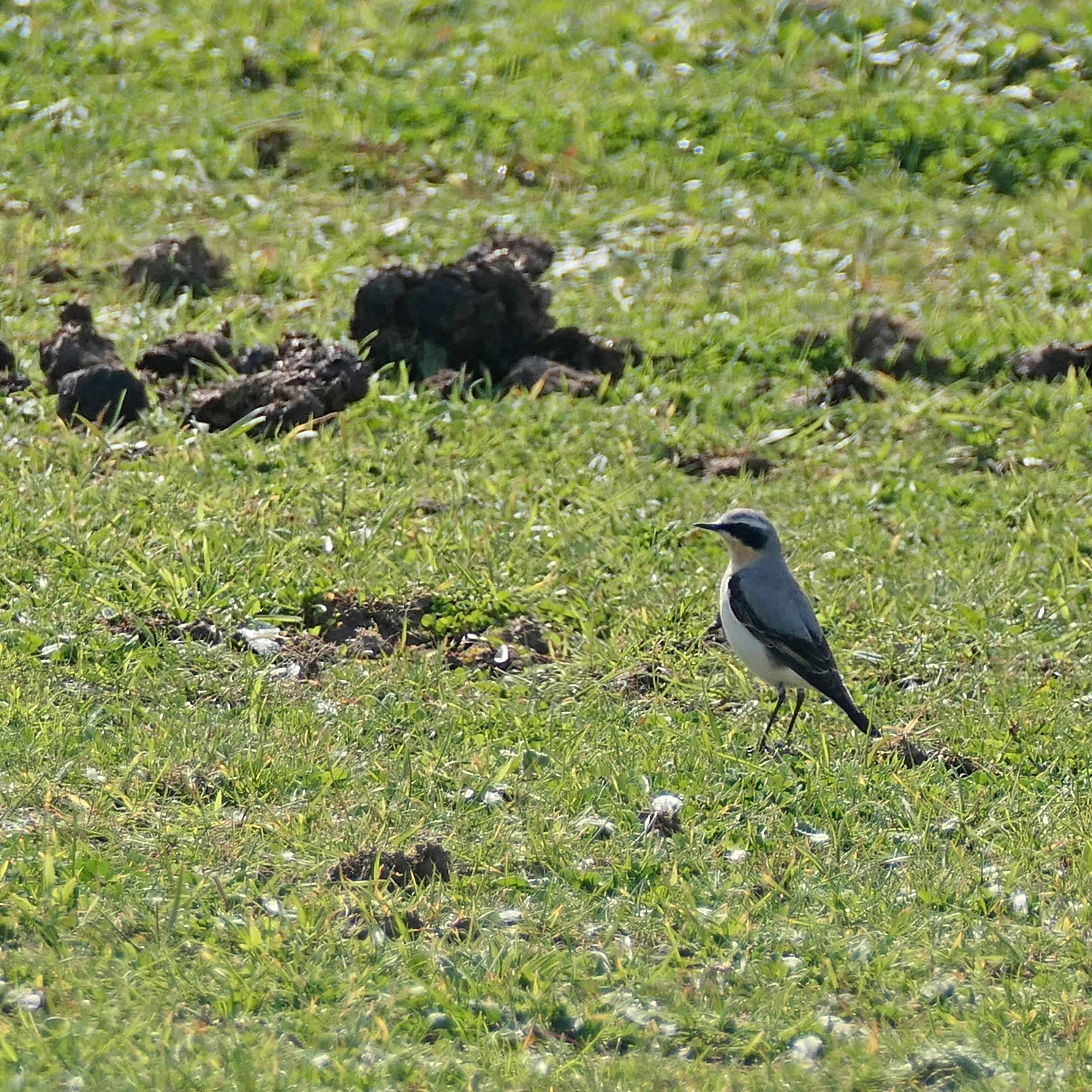
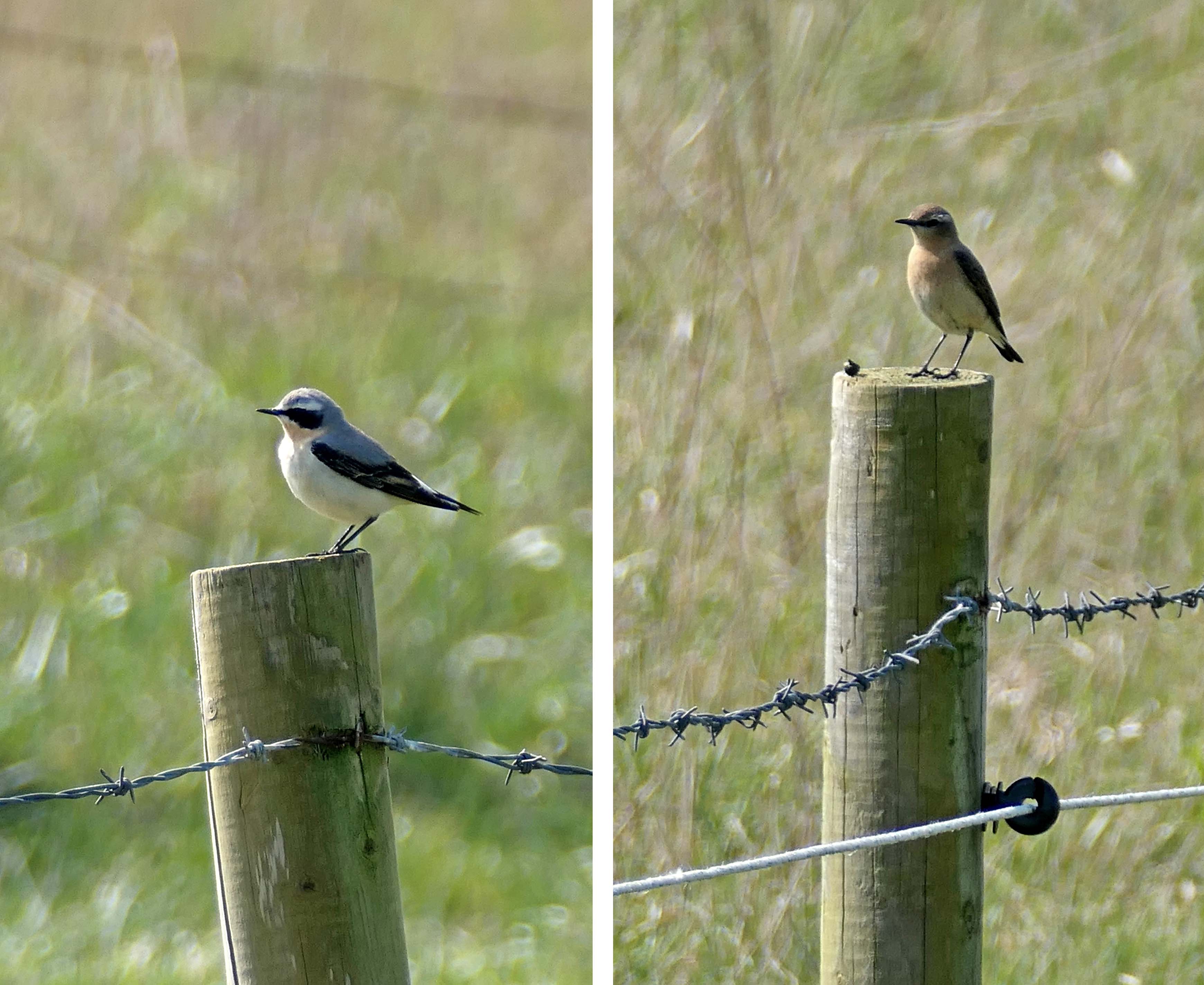
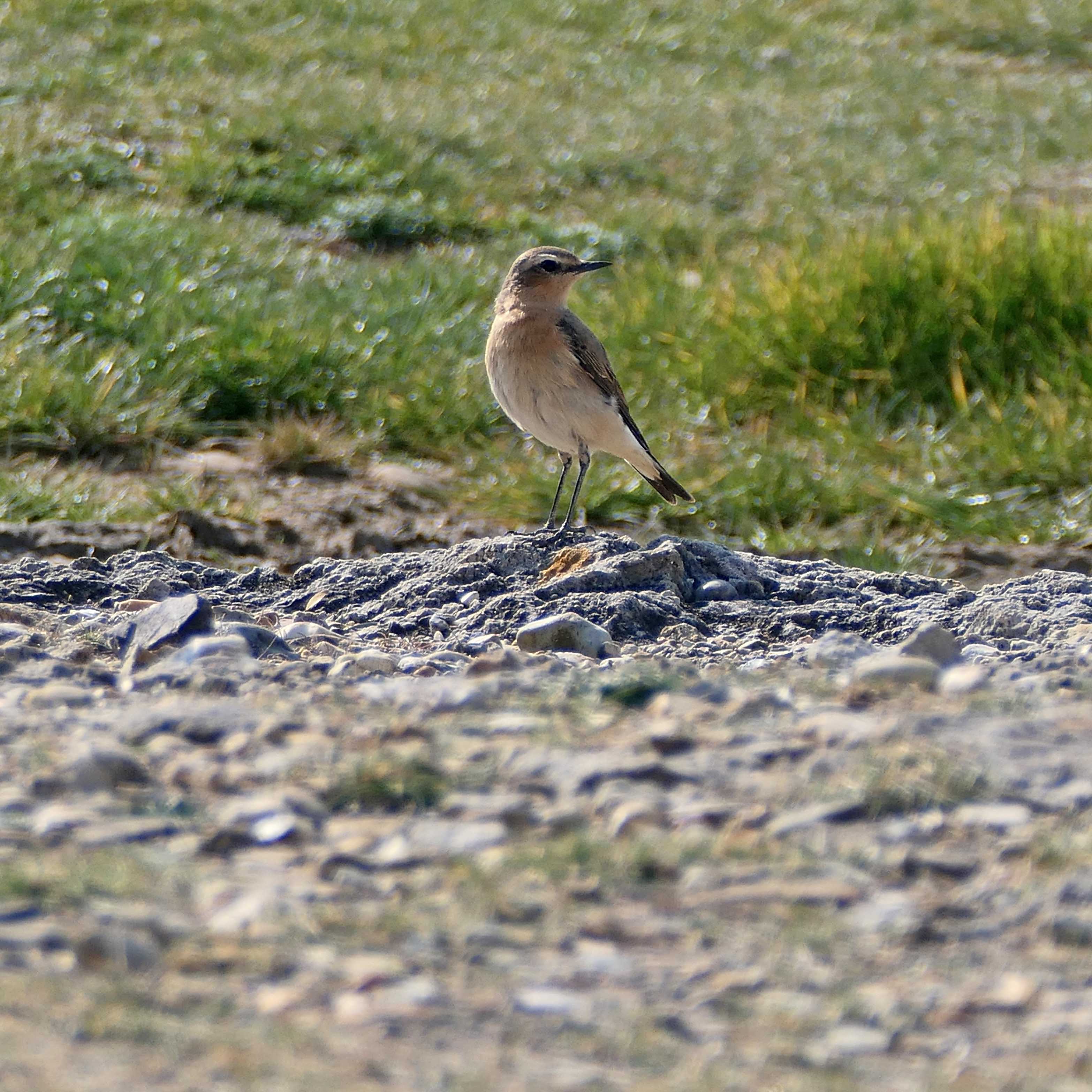
The day of the Wheatears

28 Saturday Mar 2026

Posted by sconzani in birds, spring

≈ Leave a comment

Tags

birding, birding on the Isle of Portland, birdwatching, British birds, Portland birding, spring migration, Wheatear, Wheatear migration

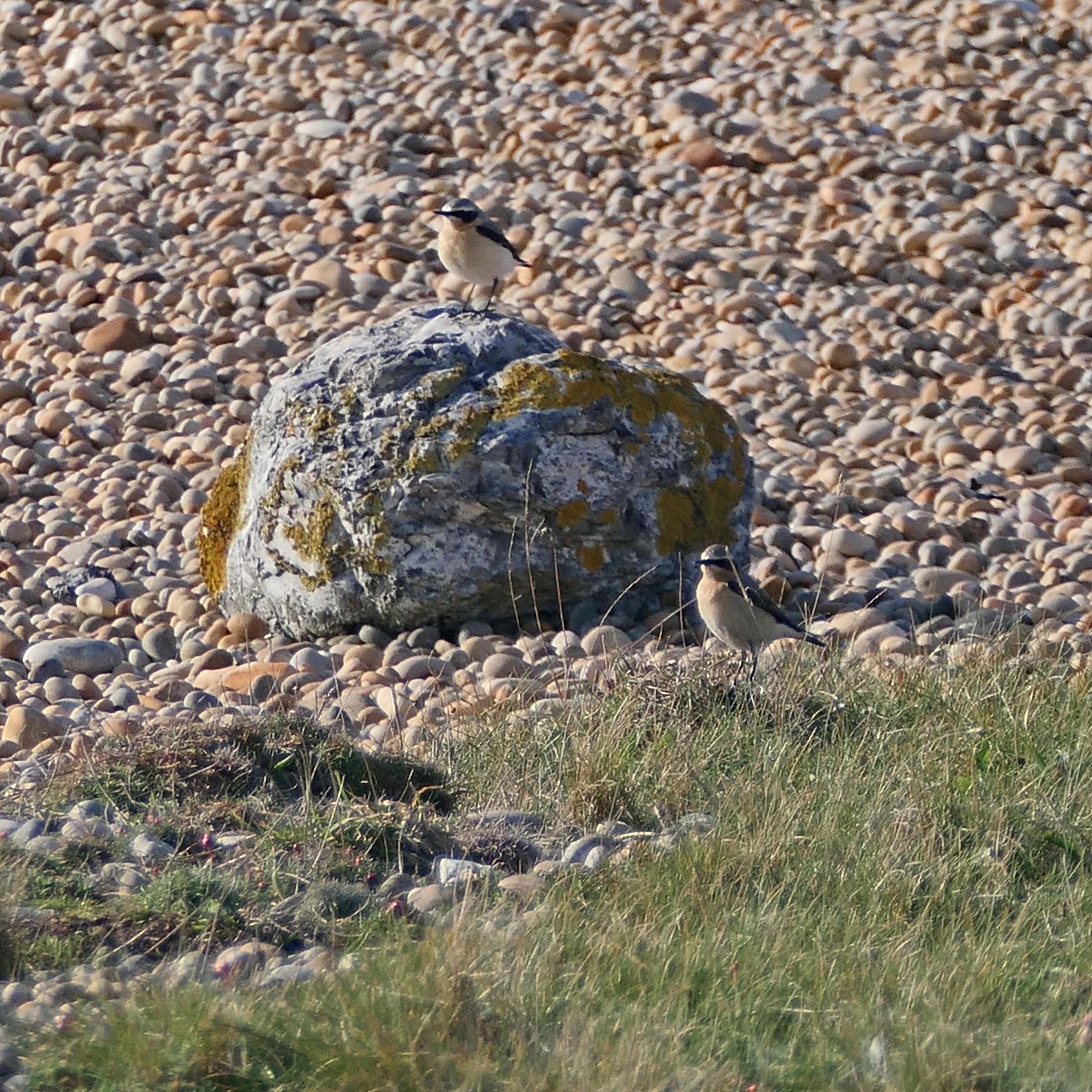
I spotted my first Wheatear of the year last Tuesday, 17 March, sitting at a distance on the edge of the rocky slope of Chesil Beach at Ferrybridge but it was Friday, the 20th, that turned out to be ‘the day of the Wheatears’!

My long day of wandering around parts of the Isle of Portland began in that same location at Ferrybridge, where I found three stunning male Wheatears dotting about, feeding up on tiny insects after their long migration flight.

From there I walked along the coast path to Portland Castle, where there were three more Wheatears. These birds had been scared off the beach rocks by passing pedestrians and cyclists, and were moving around the grassy areas at the heliport opposite the beach.

Next, I caught the bus to Reap Lane, for a wander along Portland’s west cliffs coast path, around the adjacent horse fields and the Bill area surrounding the iconic lighthouse. Just one of those horse fields held five more Wheatears, males and the first female I’d seen.

And, a little later, as I sat on a rock at the Bill, eating my flapjack and apple, I was wonderfully entertained by another Wheatear hopping about the area right in front of me.

What a superb day it was! I thought my 12 Wheatear sightings were impressive – and that was my highest ever daily total but the daily blog for 20 March by Martin Cade at Portland Bird Observatory reported:

There was lots of enjoyment to be had from today’s migration happenings, with the continuing settled weather seeing plenty of birds arriving on all fronts across the island. On the ground, Wheatears were conspicuously abundant, with a likely very conservative minimum of 100 recorded around the Bill where multiple waves of birds raced through throughout the morning.

Like Loading...

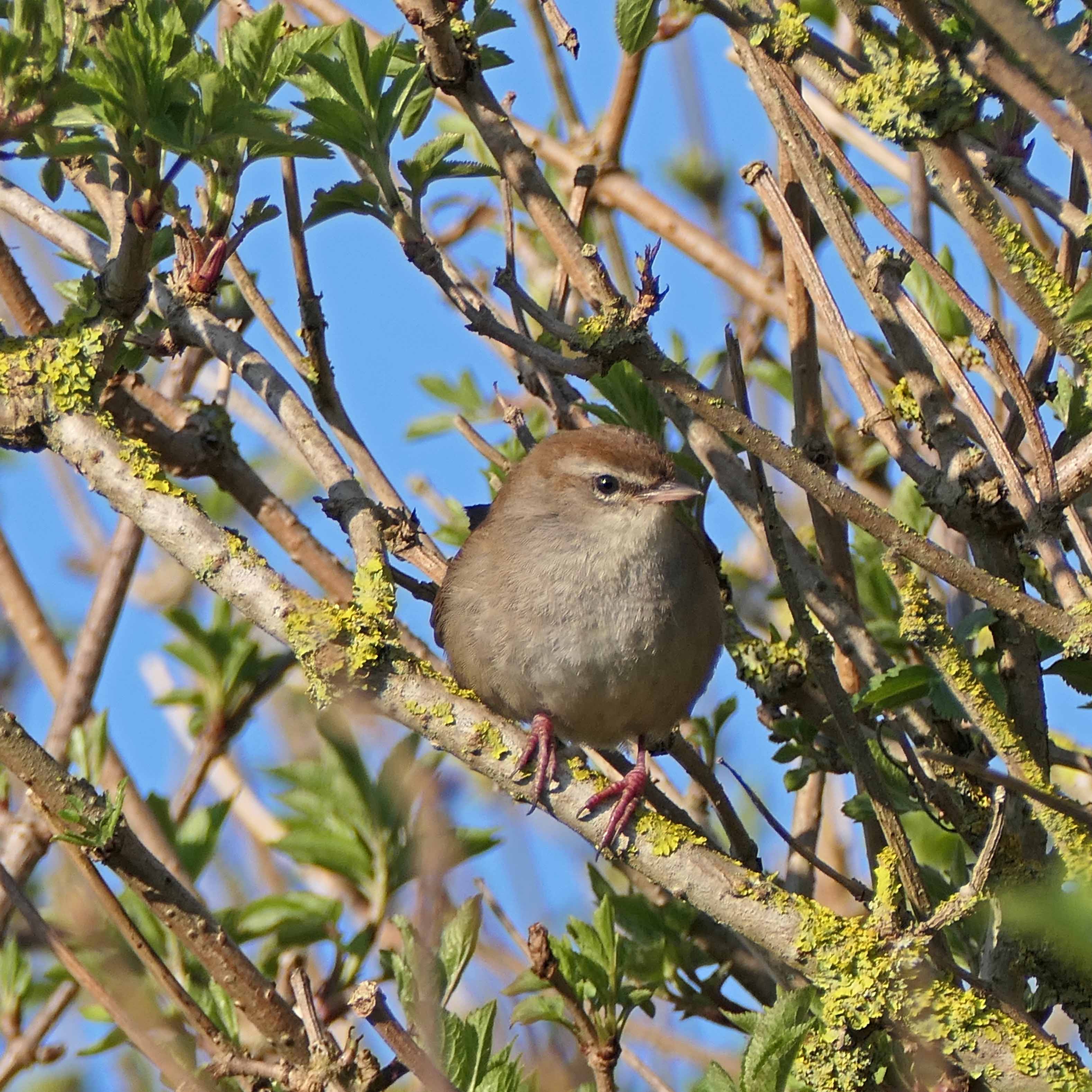
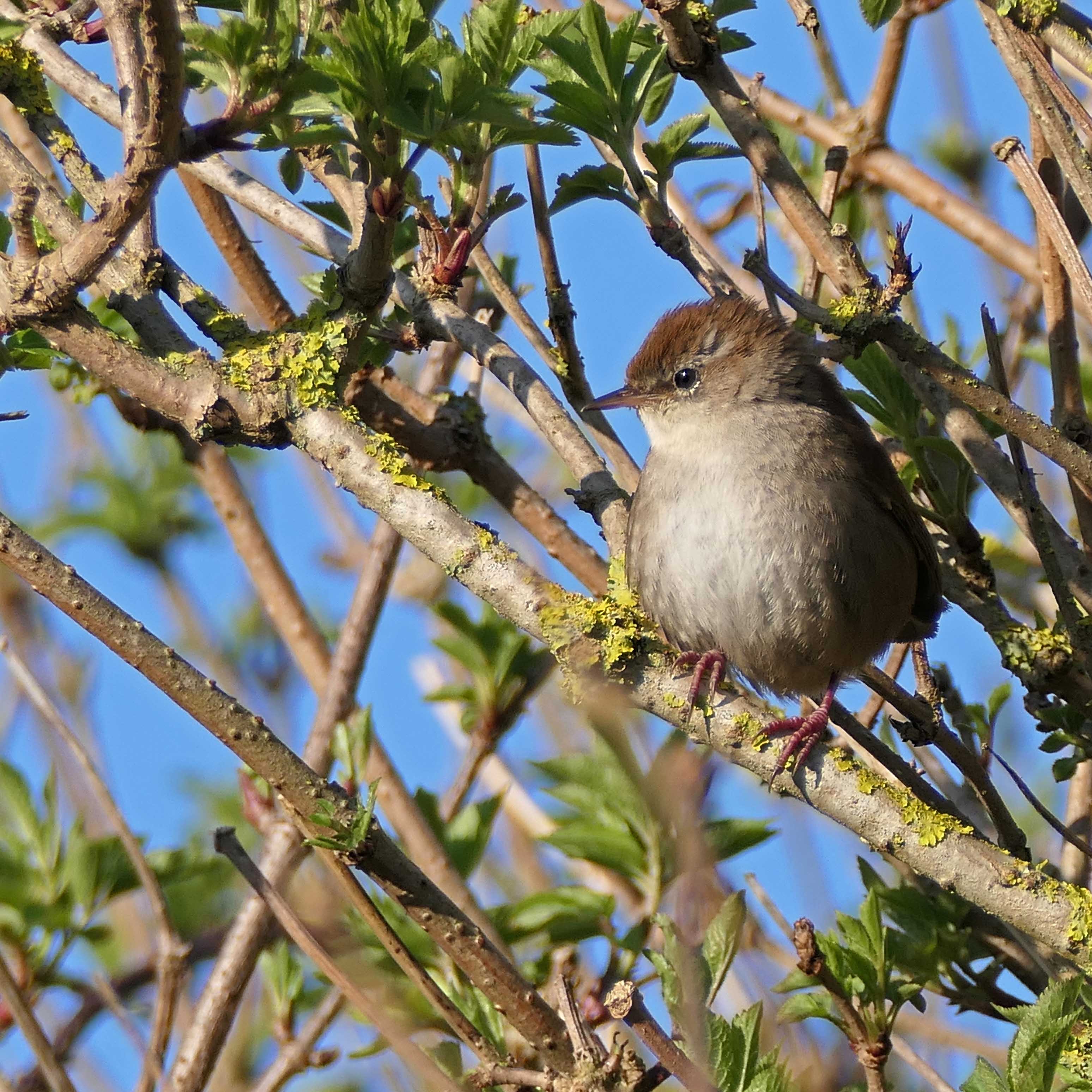
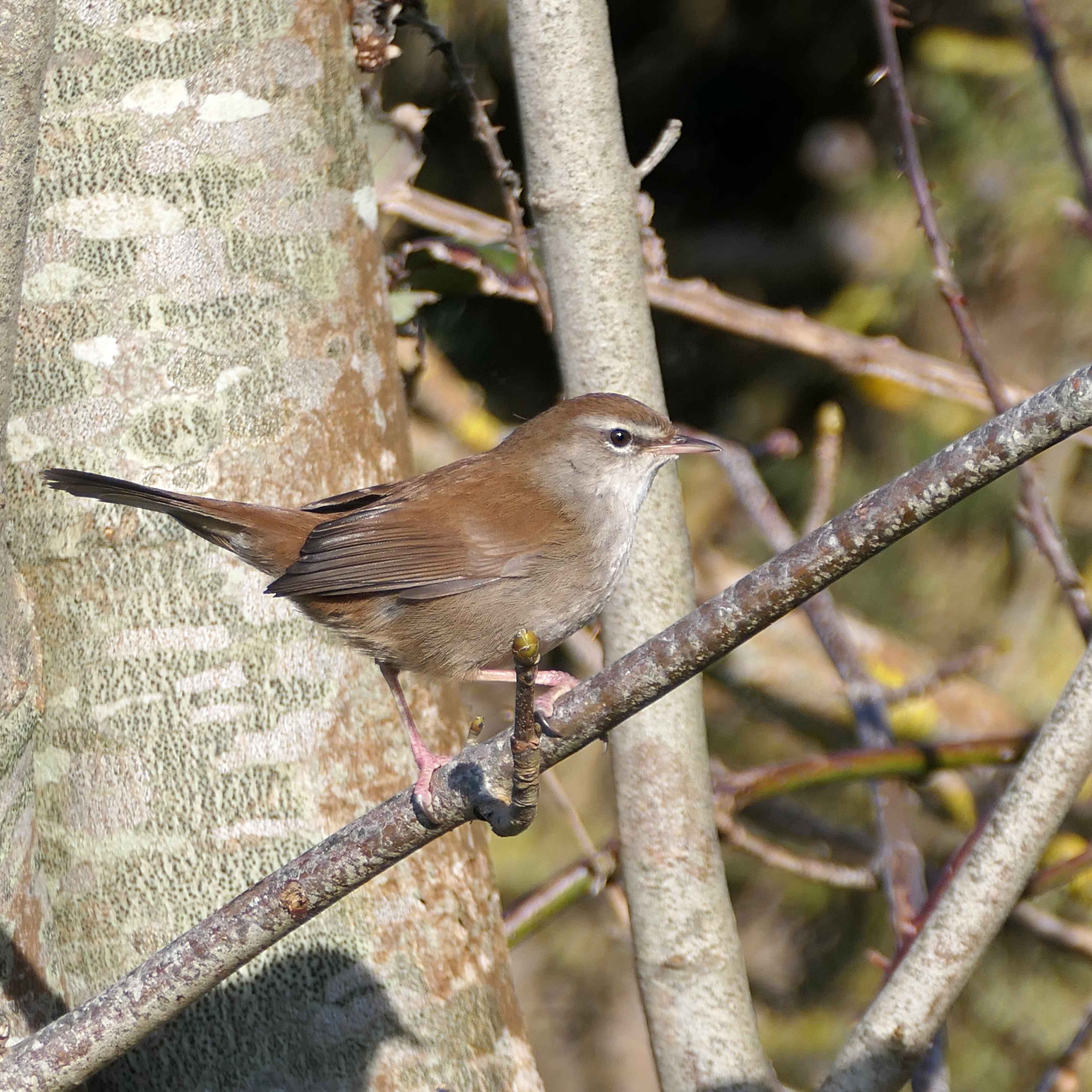
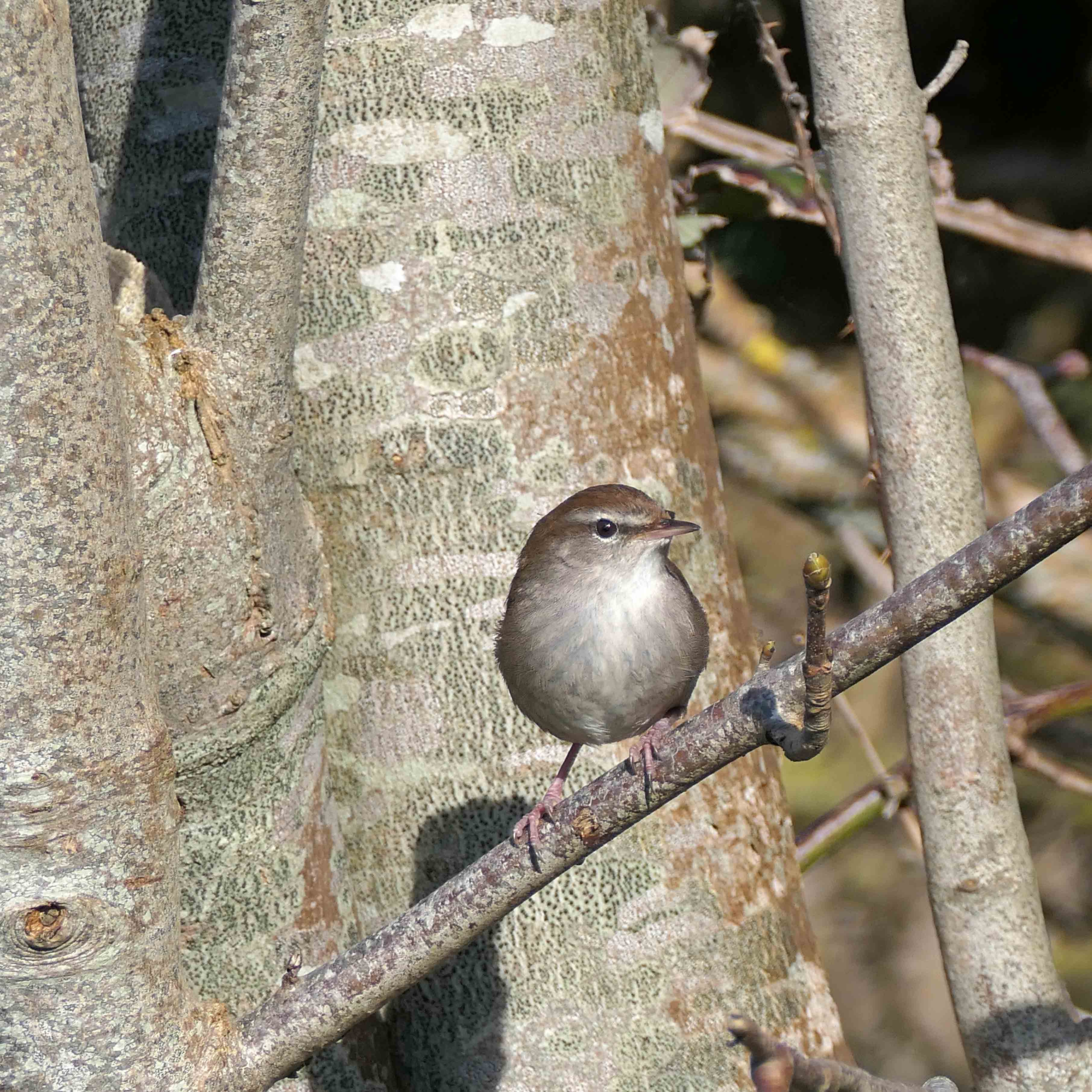
Cetti’s warblers

27 Friday Mar 2026

Posted by sconzani in birds, spring

≈ Leave a comment

Tags

birding, birdwatching, British birds, Cetti's warbler, Cettia cetti, Lodmoor Nature Reserve, RSPB Lodmoor

To label this bird a warbler is something of a misnomer, I think, as, really, they shout, loudly and raucously at this time of year, ‘Hey, girl! Look at me, look at me, look at me!’.

Meet the Cetti’s warbler (pronounced ‘chetty’ ) (Cettia cetti), named after the 18th-century Italian ornithologist Francesco Cetti, who first described it. It’s a bird that can usually be found near water, in the shrubs and reed beds that surround swamps and lakes or line the edges of rivers and streams.

Most of the year, the Cetti’s warbler is more of a skulker, producing its call from within dense vegetation, but, in the springtime, motivated by the need to find a mate, the males are much more visible.

They usually hold a small territory and, within that area, have favourite singing podiums/perches where they sit and call. And I find they follow the same route as they move around their patch so, if you spend a little time watching and listening, you can often catch them at one of their perches, as I managed to do with these two at RSPB Lodmoor last week.

Like Loading...

Singing from every tree top

24 Tuesday Mar 2026

Posted by sconzani in birds, spring

≈ Leave a comment

Tags

birding, birdwatching, British birds, Greenfinch, Lodmoor Nature Reserve, RSPB Lodmoor

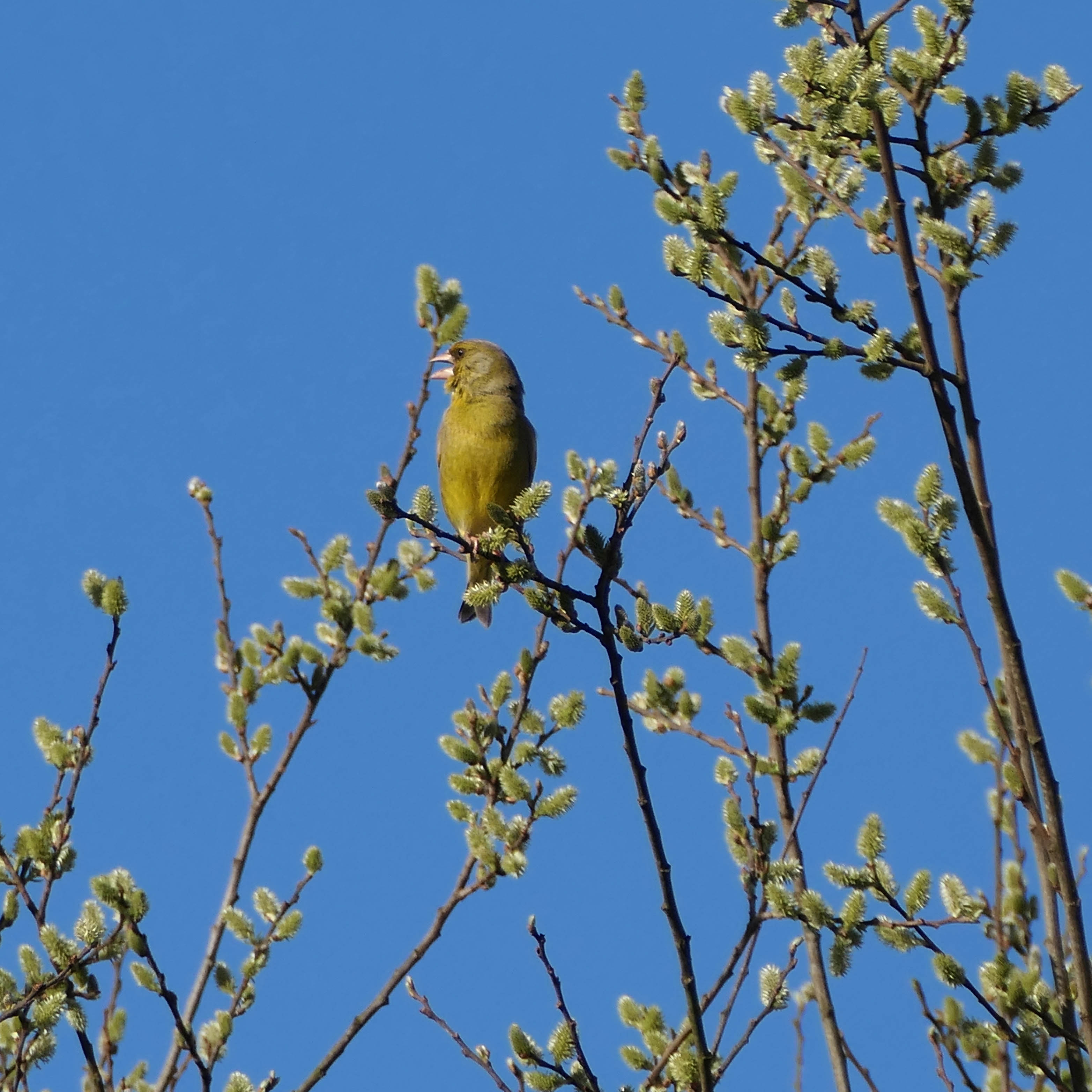
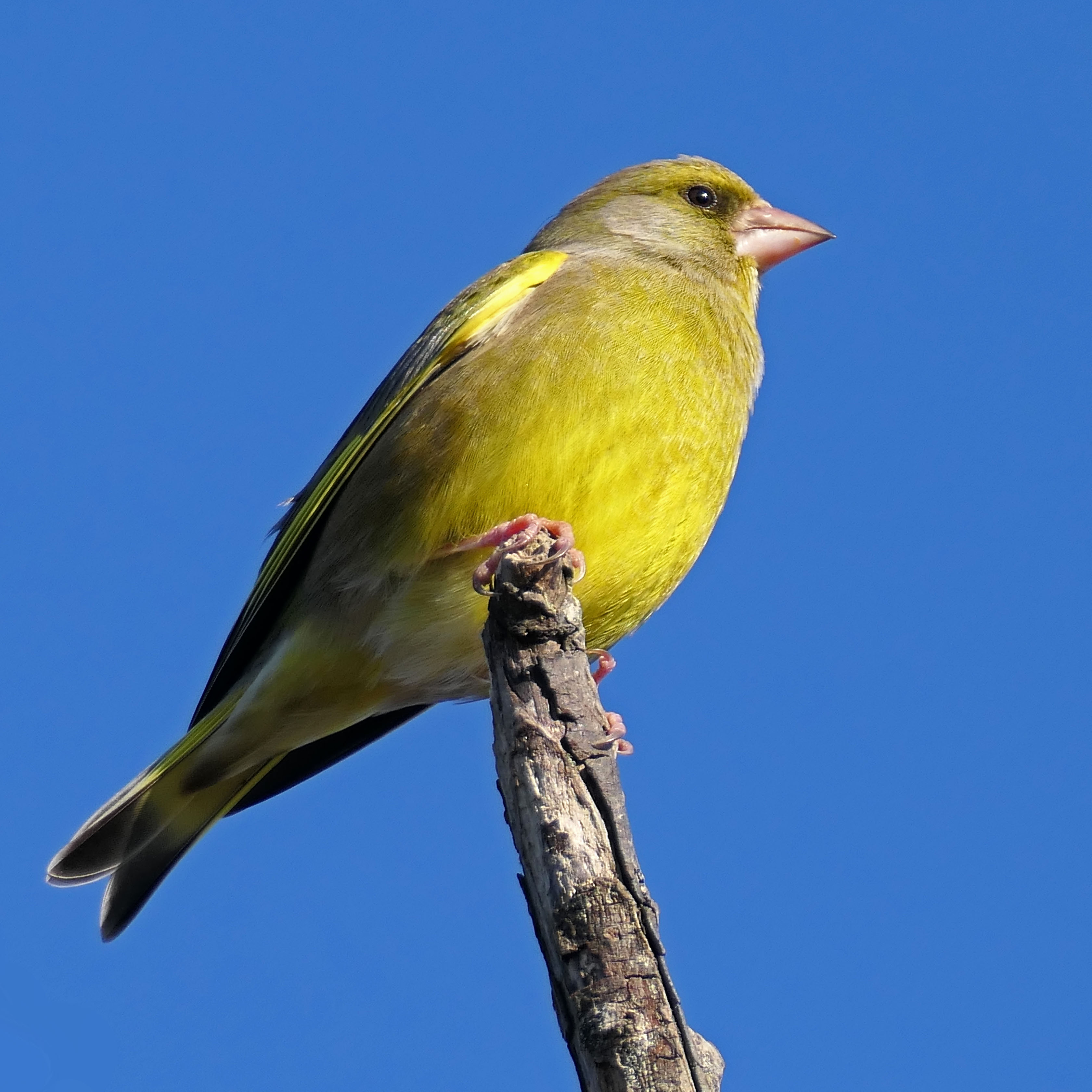
The first thing I noticed, the first birds I heard as I approached RSPB Lodmoor on the first visit (last Monday afternoon, 16 March) of my most recent visit to Weymouth was the male Greenfinches that seemed to be singing from every tree top and tall shrub.

Singing Greenfinches may not sound too exciting to many of you but these birds were in serious trouble until very recently, and they are still red-listed in the UK, their population numbers plummeting due to the disease trichomonosis, which causes lesions in a bird’s throat and gullet, eventually leading to the bird not being able to feed and ultimately to its death. The disease is often more prevalent in garden birds because many people who feed their local birds don’t wash the feeders often enough, leading to the disease being passed on through contact with contaminated surfaces.

Fortunately, the Lodmoor Greenfinches have no need to visit the gardens of the houses that line one side of the reserve as they seem able to source enough food from the local vegetation; I spotted them picking out any remaining Hawthorn berries for the seeds within, and also picking at Blackthorn blossom, presumably for the newly forming fruit within.

I often find Greenfinches to be flighty birds but these males were so busy singing for mates and feeding up that I was able to get what are probably my best photos of them, and you can easily see why they are called Greenfinches.

Like Loading...

Springtime invasives

22 Sunday Mar 2026

Posted by sconzani in flowers, spring

≈ Leave a comment

Tags

invasive plant, non-native invasive plant, Three-cornered leek, Allium triquetrum, Spanish bluebells, Hyacinthoides hispanica

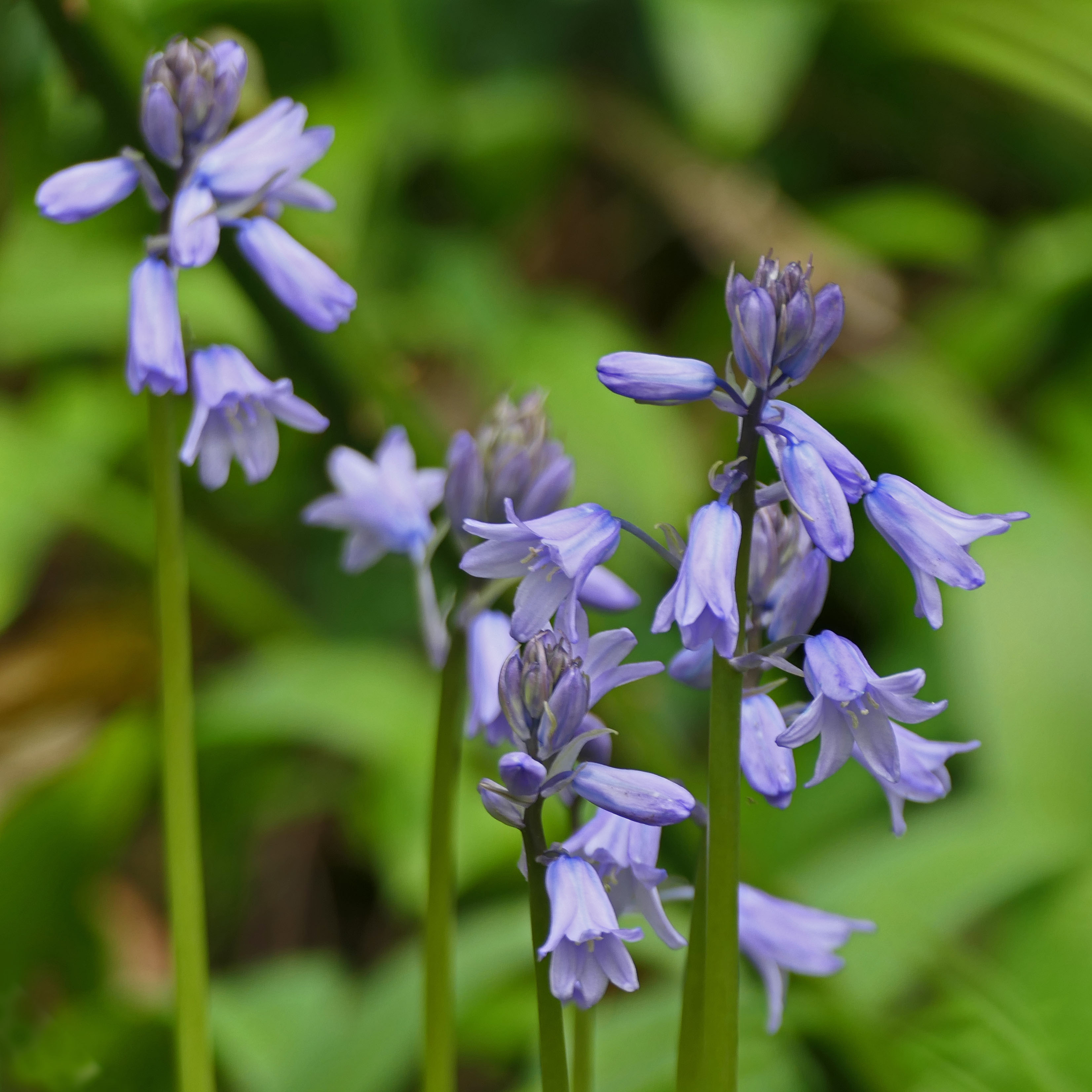
Yes, the sight of a large field of flowering bluebells is the epitome of springtime but not when they are Spanish bluebells (Hyacinthoides hispanica), which are highly invasive non-native plants, and I do wish people in their home gardens and local authorities in public parks would stop their mass plantings of this species, especially if the area is near a woodland. As well as being invasive and out-competing native British bluebells, Spanish bluebells will also hybridise with them thus threatening the genetic integrity of the native species.

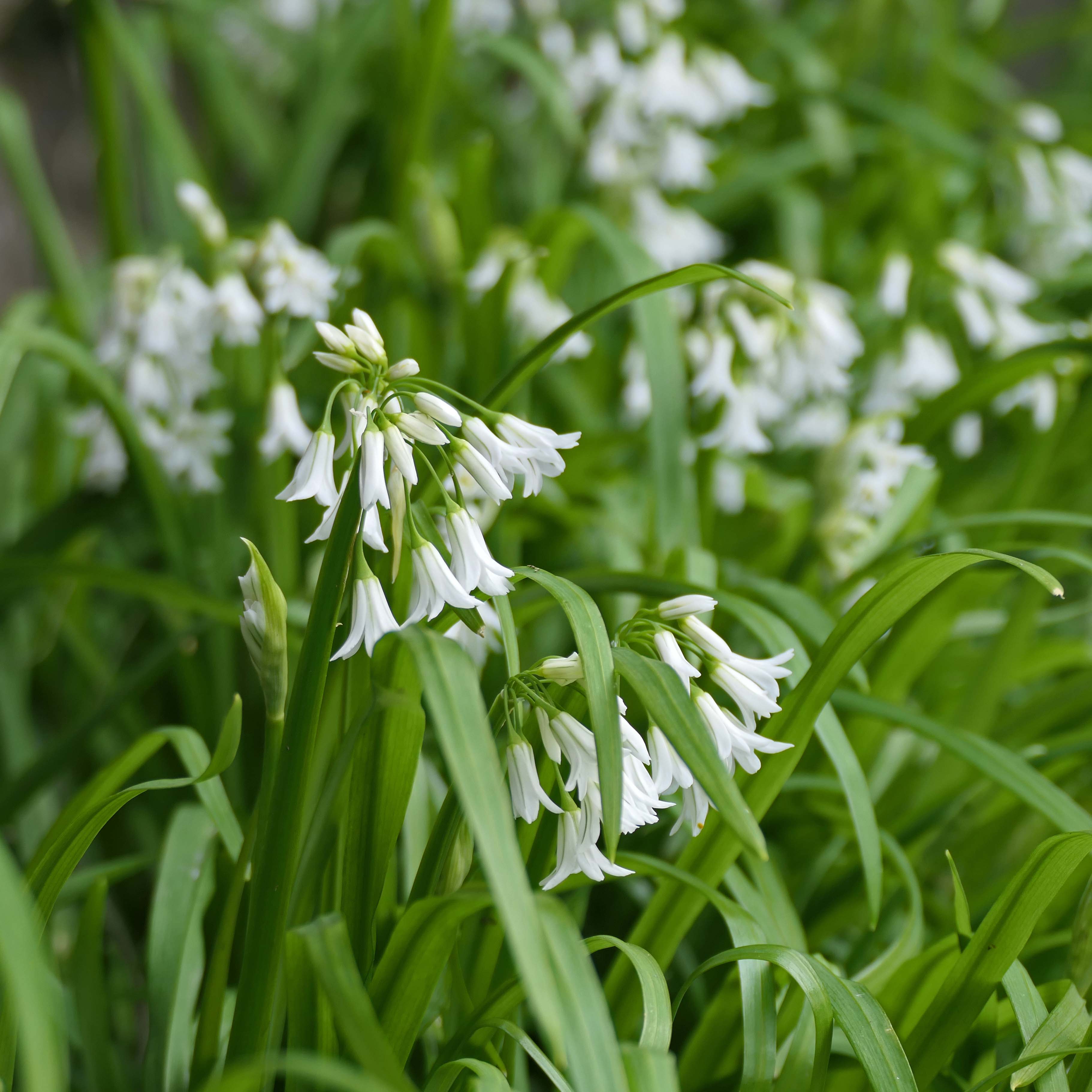
And the same goes for Three-cornered leeks (Allium triquetrum). They do look attractive, and many people who don’t know their plants well get one whiff of these plants and think they are Wild garlic (Allium ursinum), but Three-cornered leeks are another highly invasive non-native plant that will spread like wildfire if left unchecked. In fact, they are now such a problem that they are listed in Schedule 9 of the Wildlife and Countryside Act 1981, making it an offence to plant or cause them to grow in the wild.

Like Loading...

Busy Blue tits

17 Tuesday Mar 2026

Posted by sconzani in birds, spring

≈ Leave a comment

Tags

birding, birdwatching, Blue tit, British birds, Cyanistes caeruleus

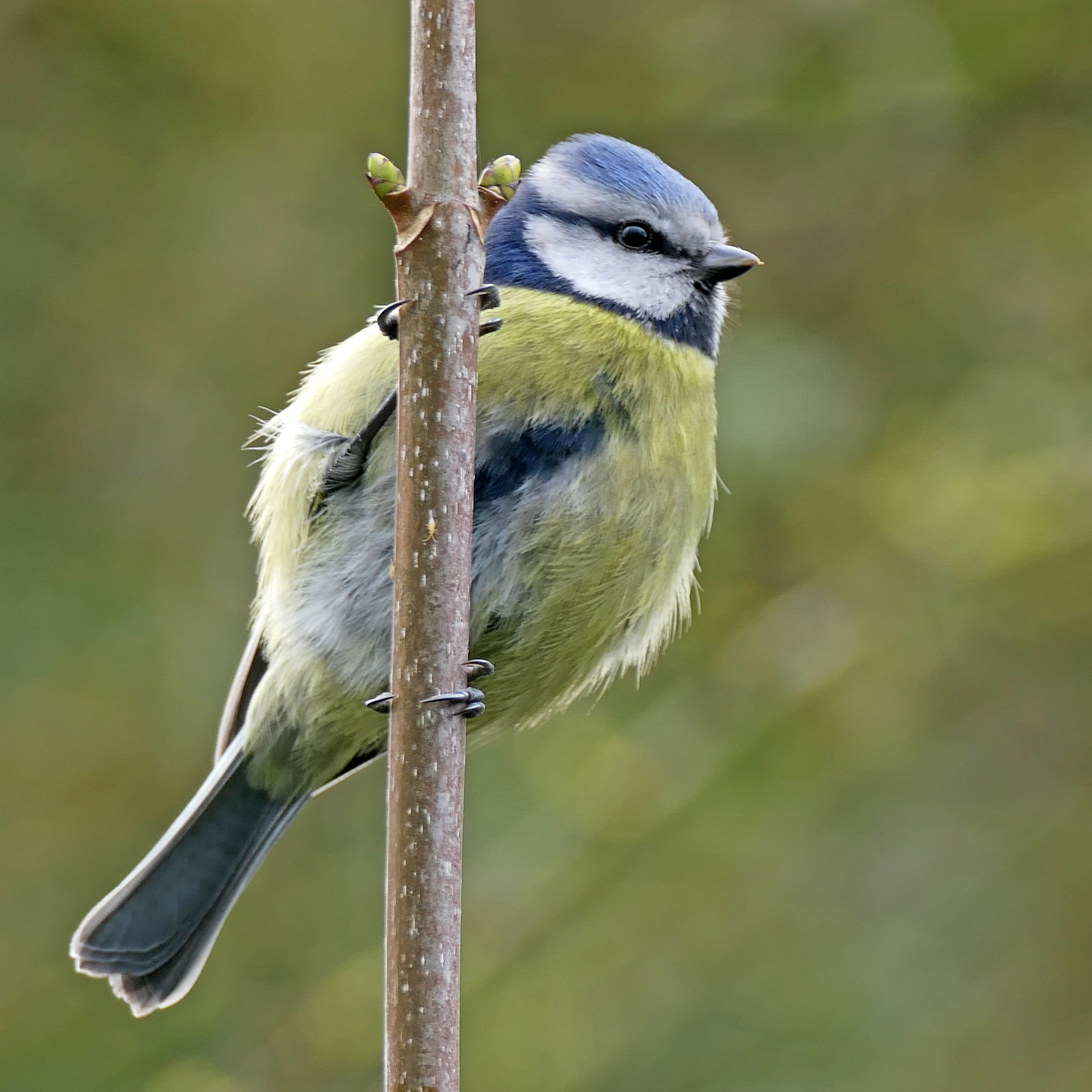
The garden is busy with birds, large and small, flitting about the branches of the trees and large shrubs, peeking in to conveniently sized niches and crevices or picking out the perfect little twigs and small branches to fit into their planned constructions, searching for moss and lichen and dropped feathers to soften the interior of their chosen cavities or nests for the eggs and chicks soon to be laid within. Amongst them are the crevice-nesting Blue tits (Cyanistes caeruleus), lots of them, chasing each other, singing out their partnership claims, advertising their personal charms. I’m convinced, but did you know (thanks to the Woodland Trust website for this interesting snippet):

Like all birds, blue tits can see ultra-violet light – the front of their head glows brightly under UV light, and this is how females are thought to choose their partners.

Like Loading...

No woodland here

15 Sunday Mar 2026

Posted by sconzani in flowers, spring, wildflowers

≈ Leave a comment

Tags

Anemone nemorosa, British wildflowers, Roath Park Lake, spring wildflowers, white wildflowers, Wood anemone

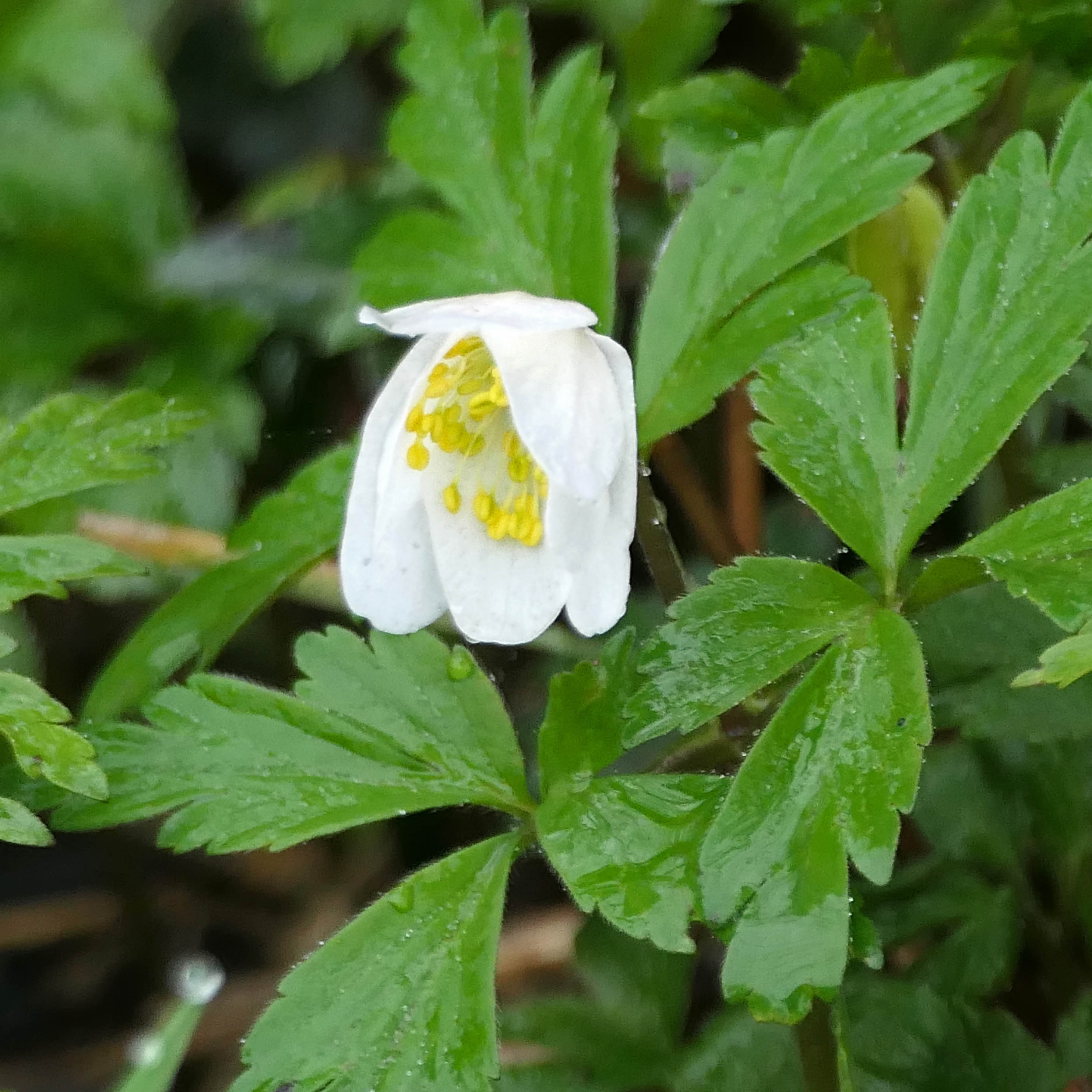
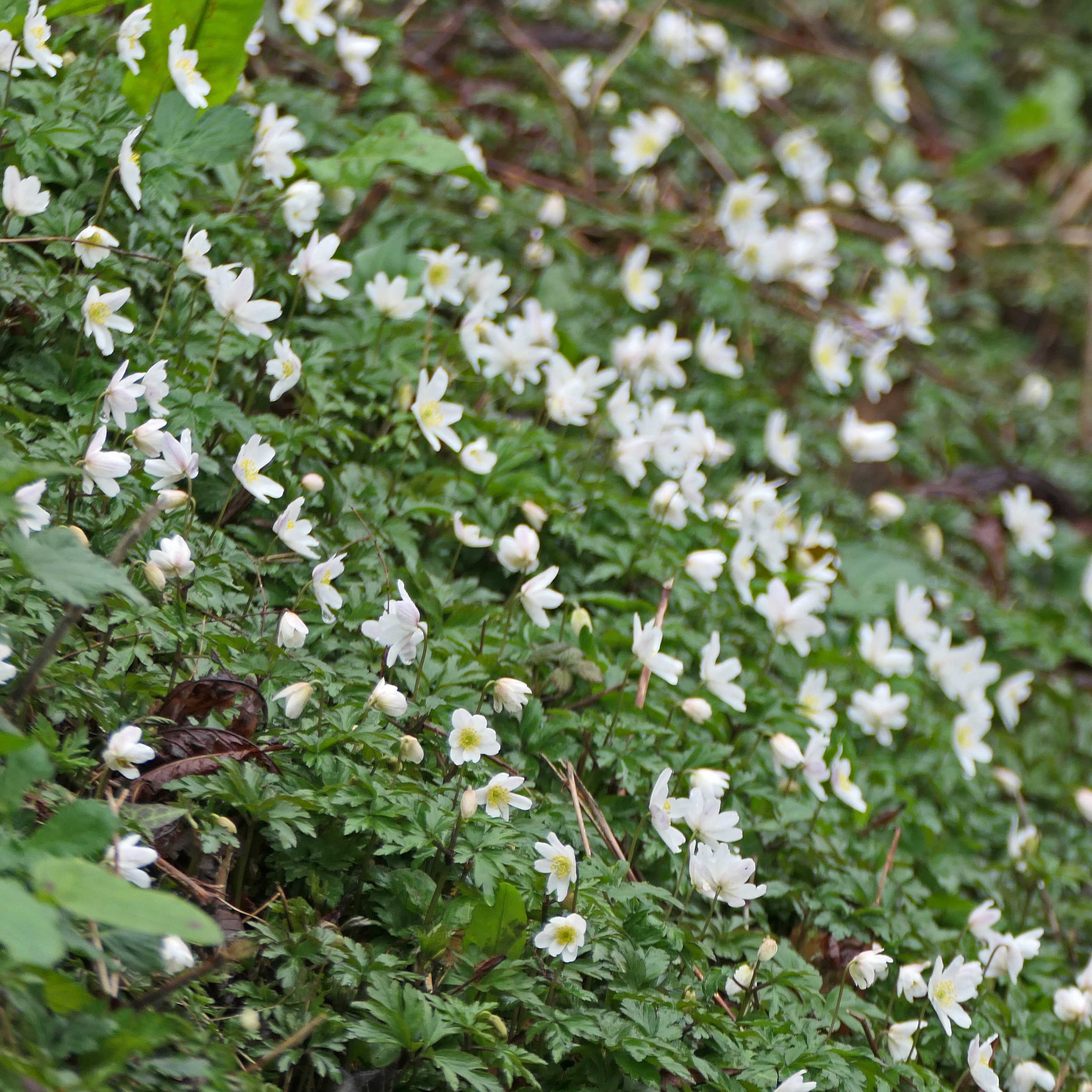
Wood anemone is meant to be ‘one of the most faithful indicators of ancient woodland’ and, from the plants I’ve seen previously that would seem mostly to be true.

However, the Wood anemones pictured here were something of an anomaly, growing on the sloping banks of the lake in Cardiff’s Roath Park. The lake is an artificial creation; the Nant Fawr stream was dammed in the early 1890s to create a lake over what was formerly a boggy marsh.

Like Loading...

Cormorants, young and old

12 Thursday Mar 2026

Posted by sconzani in birds, spring

≈ Leave a comment

Tags

birding, birdwatching, British birds, Cormorant, Cormorant in breeding plumage, juvenile Cormorant, Phalacrocorax carbo

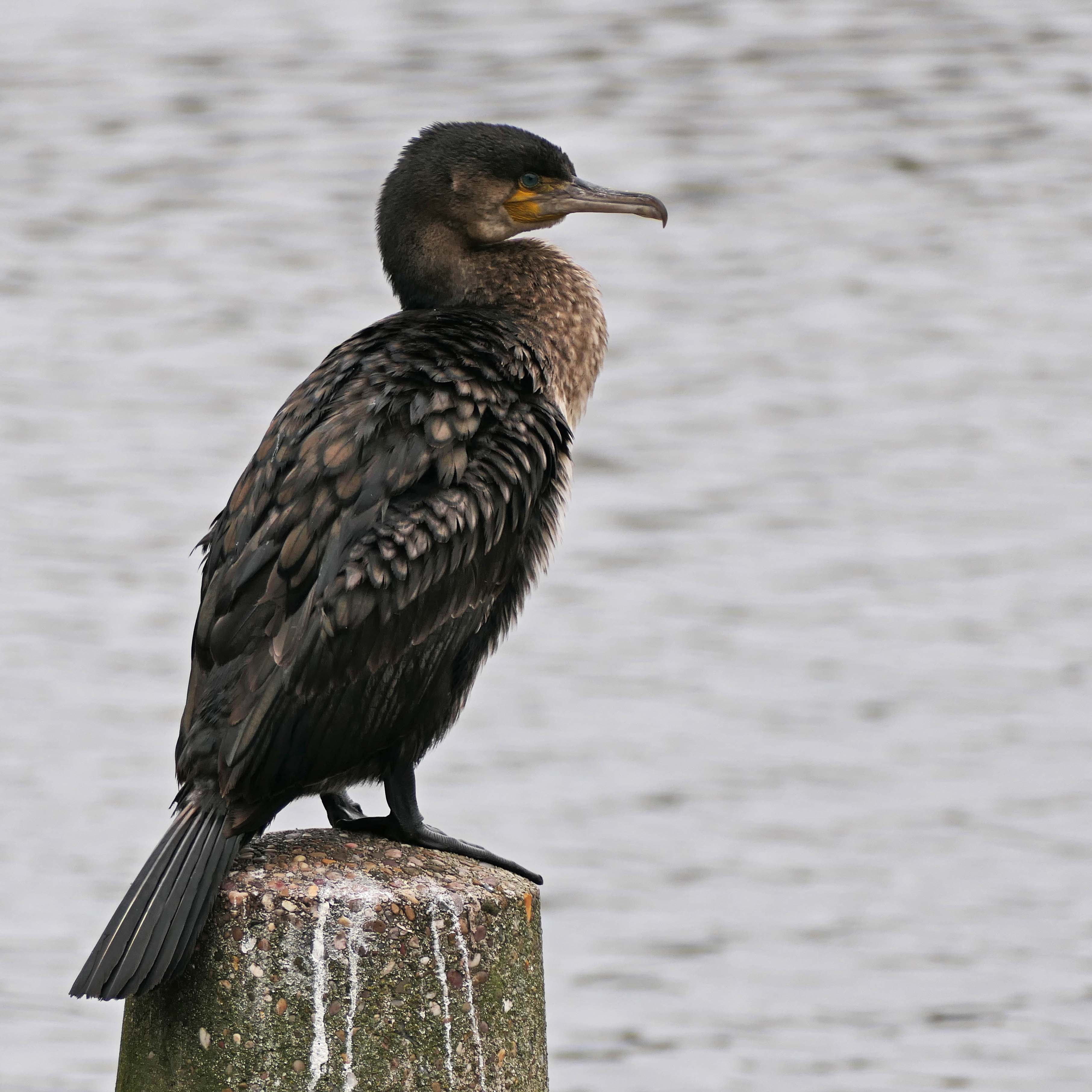
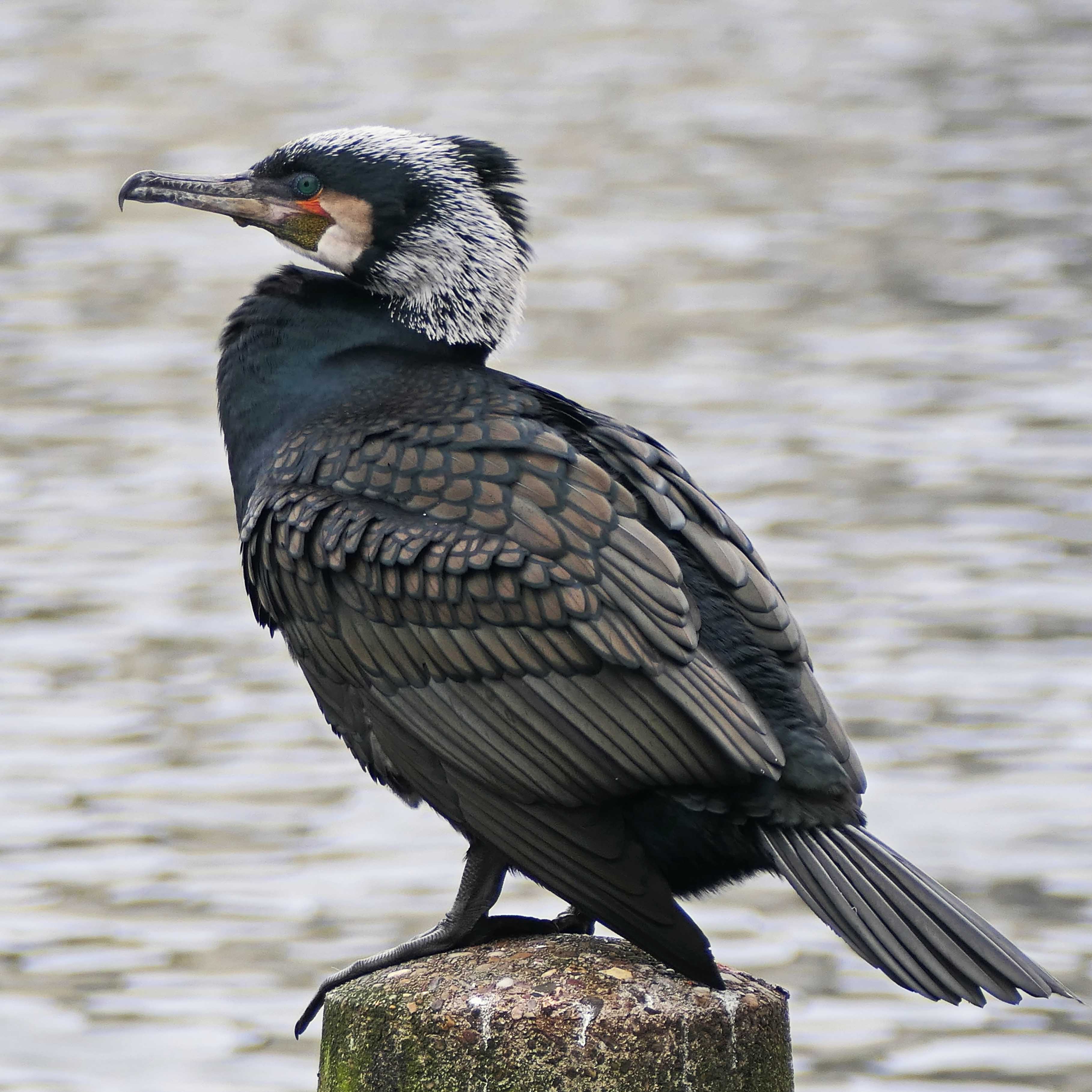
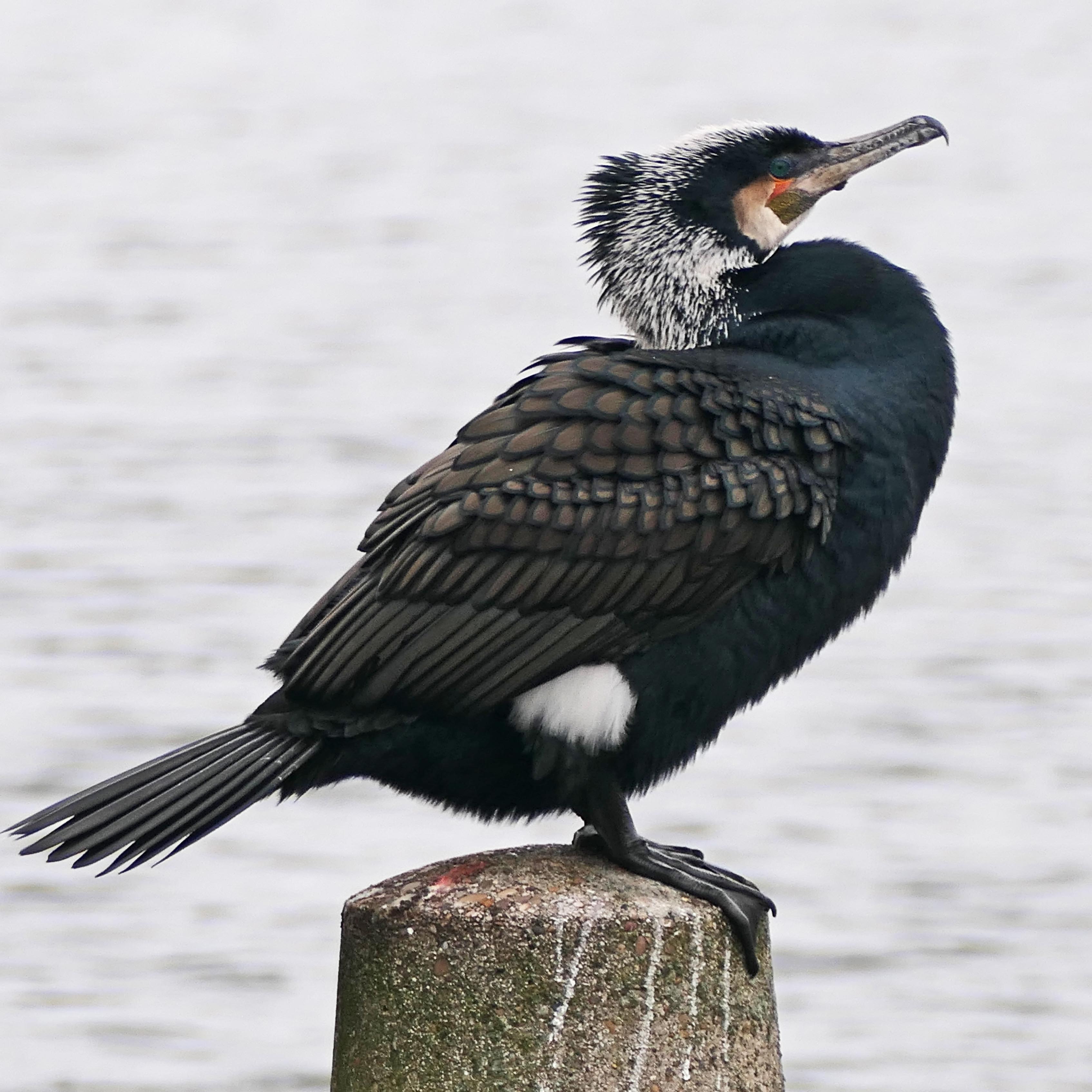
Though a handsome blend of browns, sometimes with a white belly, the juvenile Cormorant (Phalacrocorax carbo) is a bland bird compared to the adult, especially in the breeding season.

The adult shown below is a fine example of how striking these birds look during the breeding season, with their white ‘manes’ and thigh patch. (These two photos are the same bird, viewed from the left and right sides, as the bird held its wings low against its side in the first photo, and I wanted to get a photo showing the thigh patch.)

An interesting fact I didn’t know about the Cormorant but have just read on the RSPB website:

Despite being an agile underwater hunter, its feathers aren’t waterproof. In fact, wet feathers help this species to move quicker when on the prowl, reducing the bird’s buoyancy as it darts through the depths.

And, I guess, that’s why we often see Cormorants standing with their wings open, to dry them once they’ve finished fishing.

Like Loading...

Beating the gloom

10 Tuesday Mar 2026

Posted by sconzani in flowers, spring, wildflowers

≈ Leave a comment

Tags

British wildflowers, marsh marigold, Spring colour, spring wildflowers, yellow wildflowers

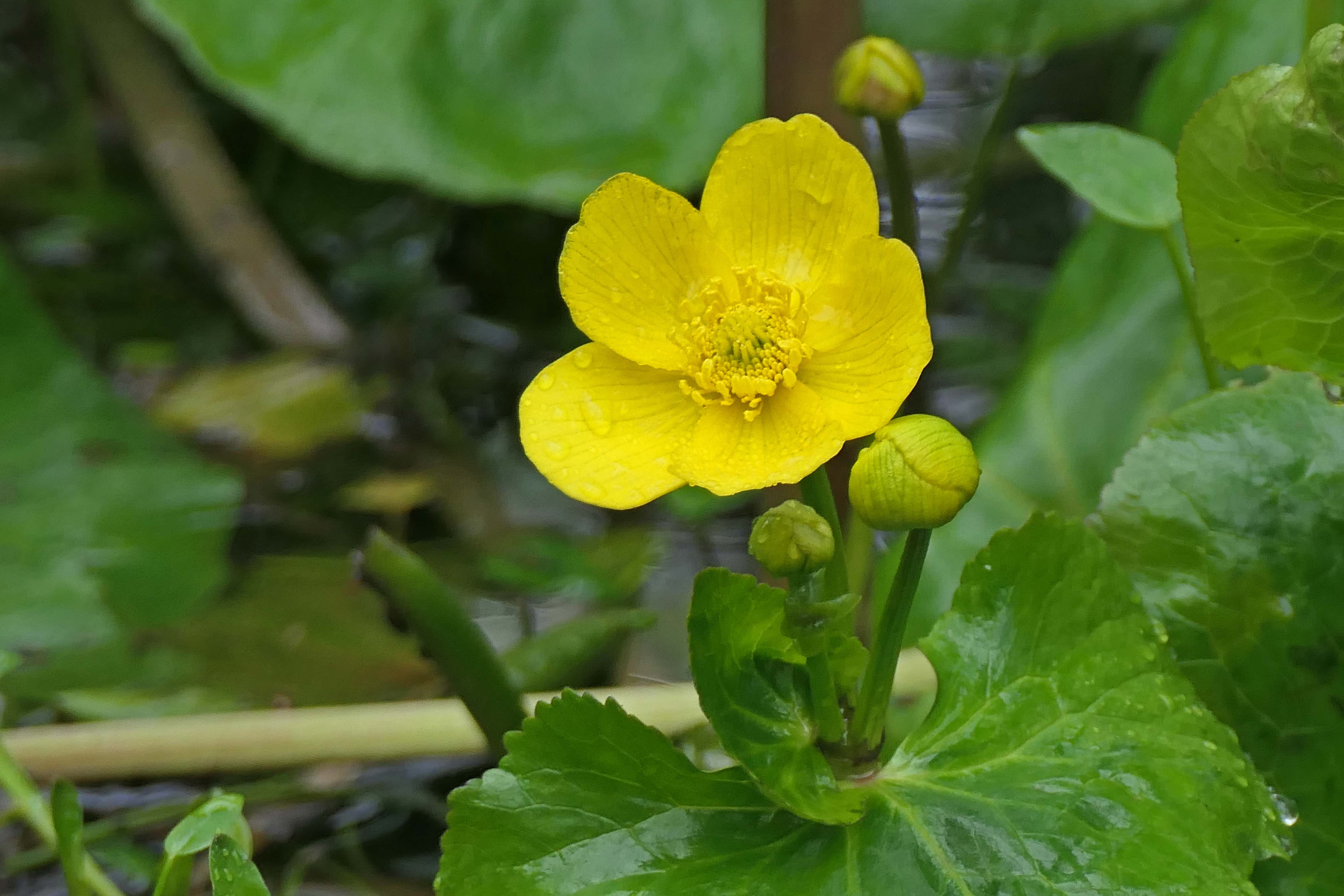
Today I can finally see the sky again but for the past several days we’ve had nothing but grey foggy damp dismal gloom. I’m generally quite a buoyant person and try always to see the positive in situations but, yesterday, even I was starting to find the constant dreary weather a bit depressing, until I saw this. The big bold golden flowers of Marsh marigold are so beautiful and cheering that a smile instantly formed on my face and my mood improved for the rest of the day, in spite of the gloom.

Like Loading...

Hoverflies and bumblebees

04 Wednesday Mar 2026

Posted by sconzani in insects, spring

≈ Leave a comment

Tags

British bumblebees, British hoverflies, Buff-tailed bumblebee, Common carder, Episyrphus balteatus, Eristalis pertinax, Meliscaeva auricollis, Spring insects

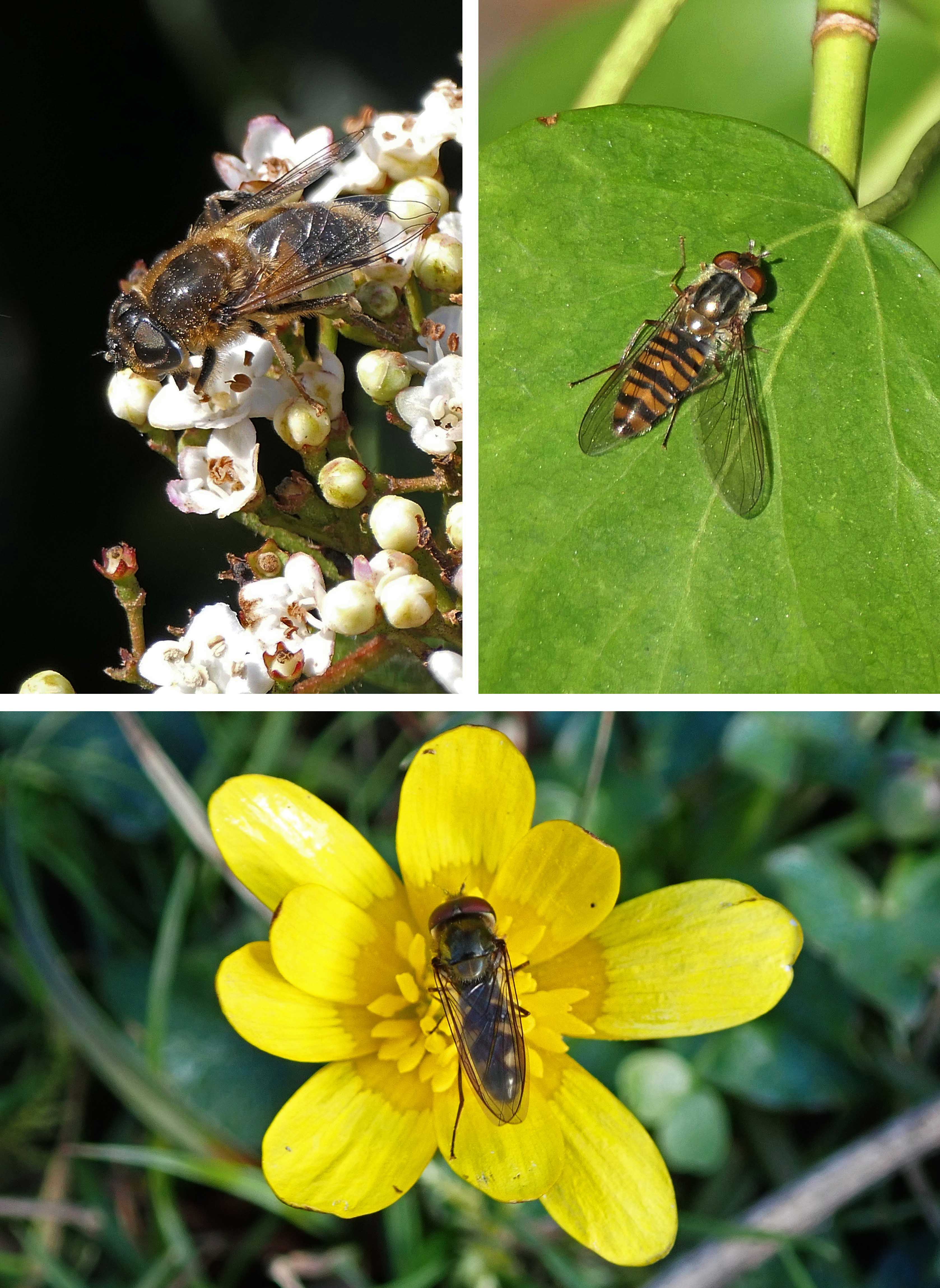
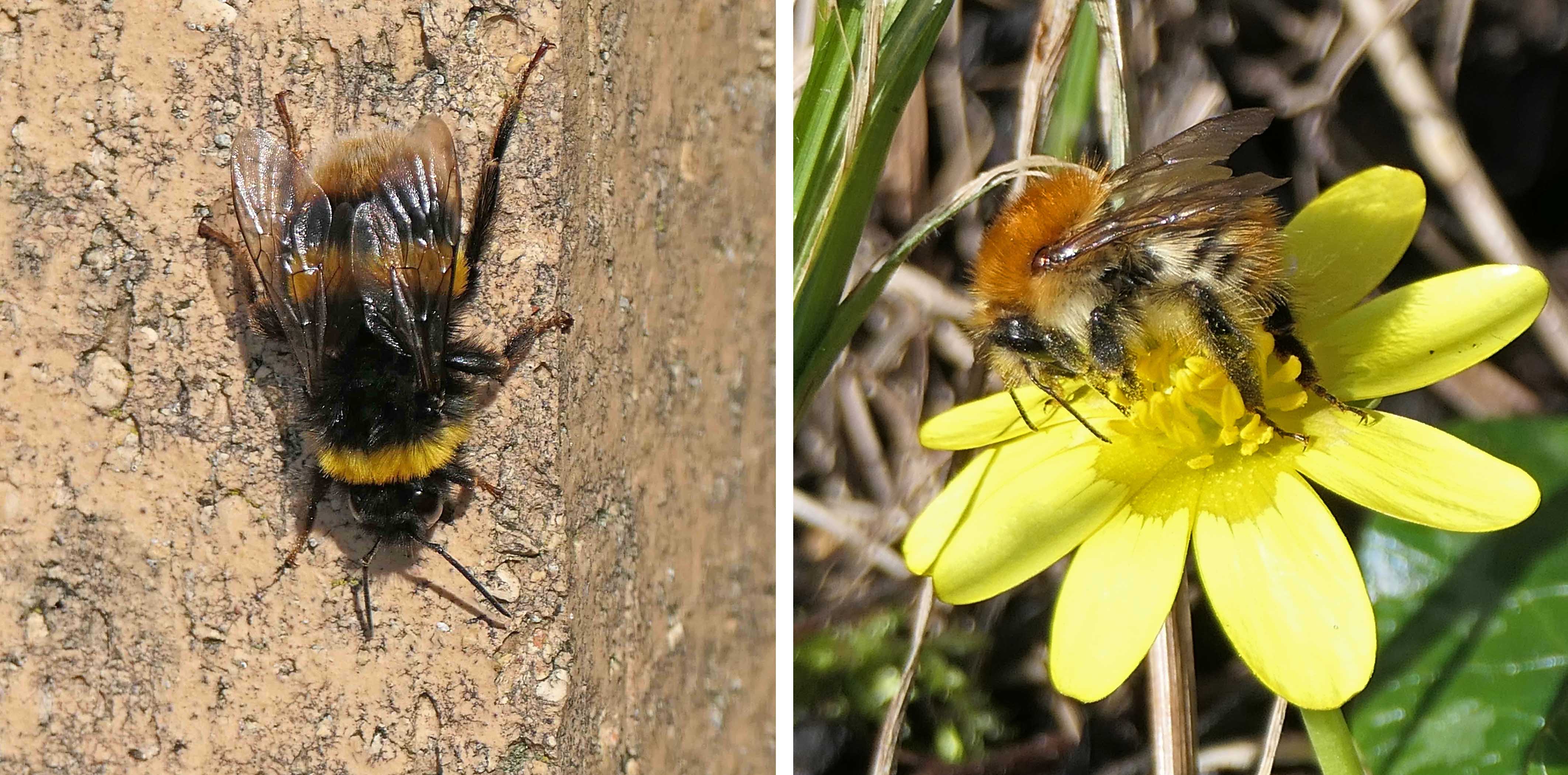
As the day and night temperatures begin to rise and we start to enjoy occasional sunny days, the number of flying insects continues to rise. Spring has only just begun but I’ve already logged two species of bumblebee and three hoverfly species on the wing. They are …

The hoverflies: Eristalis pertinax, Episyrphus balteatus and Meliscaeva auricollis

The bumbles: Buff-tailed bumblebee and Common carder.

Like Loading...
← Older posts

About me

sconzani

sconzani

I'm a writer and photographer; researcher and blogger; birder and nature lover; countryside rambler and city strider; volunteer and biodiversity recorder.

View Full Profile →

Follow earthstar on WordPress.com

Enter your email address to follow this blog and receive notifications of new posts by email.

Recent blog posts

  • Thrift March 29, 2026
  • The day of the Wheatears March 28, 2026
  • Cetti’s warblers March 27, 2026
  • Goose barnacles March 26, 2026
  • Black-tailed godwits fighting March 25, 2026

From the archives

COPYRIGHT

Unless otherwise acknowledged, the text and photographs on this blog are my own and are subject to international copyright. Nothing may be downloaded or copied without my permission.

Fellow Earth Stars!

  • Unknown's avatar
  • Unknown's avatar
  • Unknown's avatar
  • Unknown's avatar
  • Unknown's avatar
  • Unknown's avatar
  • Unknown's avatar
  • Unknown's avatar
  • Unknown's avatar
  • Unknown's avatar
  • Unknown's avatar
  • Unknown's avatar
  • Unknown's avatar
  • Unknown's avatar
  • Unknown's avatar
  • Unknown's avatar
  • Unknown's avatar
  • Unknown's avatar
  • Unknown's avatar
  • Unknown's avatar
  • Unknown's avatar
  • Unknown's avatar
  • Unknown's avatar
  • Unknown's avatar
  • Unknown's avatar
  • Unknown's avatar
  • Unknown's avatar
  • Unknown's avatar
  • Unknown's avatar
  • Unknown's avatar
  • Unknown's avatar
  • Unknown's avatar
  • Unknown's avatar
  • Unknown's avatar
  • Unknown's avatar
  • Unknown's avatar
  • Unknown's avatar
  • Unknown's avatar
  • Unknown's avatar
  • Unknown's avatar
  • Unknown's avatar
  • Unknown's avatar
  • Unknown's avatar
  • Unknown's avatar
  • Unknown's avatar
  • Unknown's avatar
  • Unknown's avatar
  • Unknown's avatar
  • Unknown's avatar
  • Unknown's avatar

Blog at WordPress.com.

Privacy & Cookies: This site uses cookies. By continuing to use this website, you agree to their use.
To find out more, including how to control cookies, see here: Cookie Policy
  • Subscribe Subscribed
    • earthstar
    • Join 642 other subscribers
    • Already have a WordPress.com account? Log in now.
    • earthstar
    • Subscribe Subscribed
    • Sign up
    • Log in
    • Report this content
    • View site in Reader
    • Manage subscriptions
    • Collapse this bar
 

Loading Comments...
 

You must be logged in to post a comment.

    %d