• ABOUT
  • BIRDING 2018
  • Birding 2019
  • BLOG POSTS
  • Butterflies 2018
  • Resources

earthstar

~ a celebration of nature

earthstar

Tag Archives: Grangemoor Park

Why did the shrew cross the road?

18 Friday Jul 2025

Posted by sconzani in animals, mammal

≈ Leave a comment

Tags

British mammals, Common shrew, Grangemoor Park, shrew

Why did the shrew cross the road? Perhaps it was to escape the ‘explosive atmosphere’.
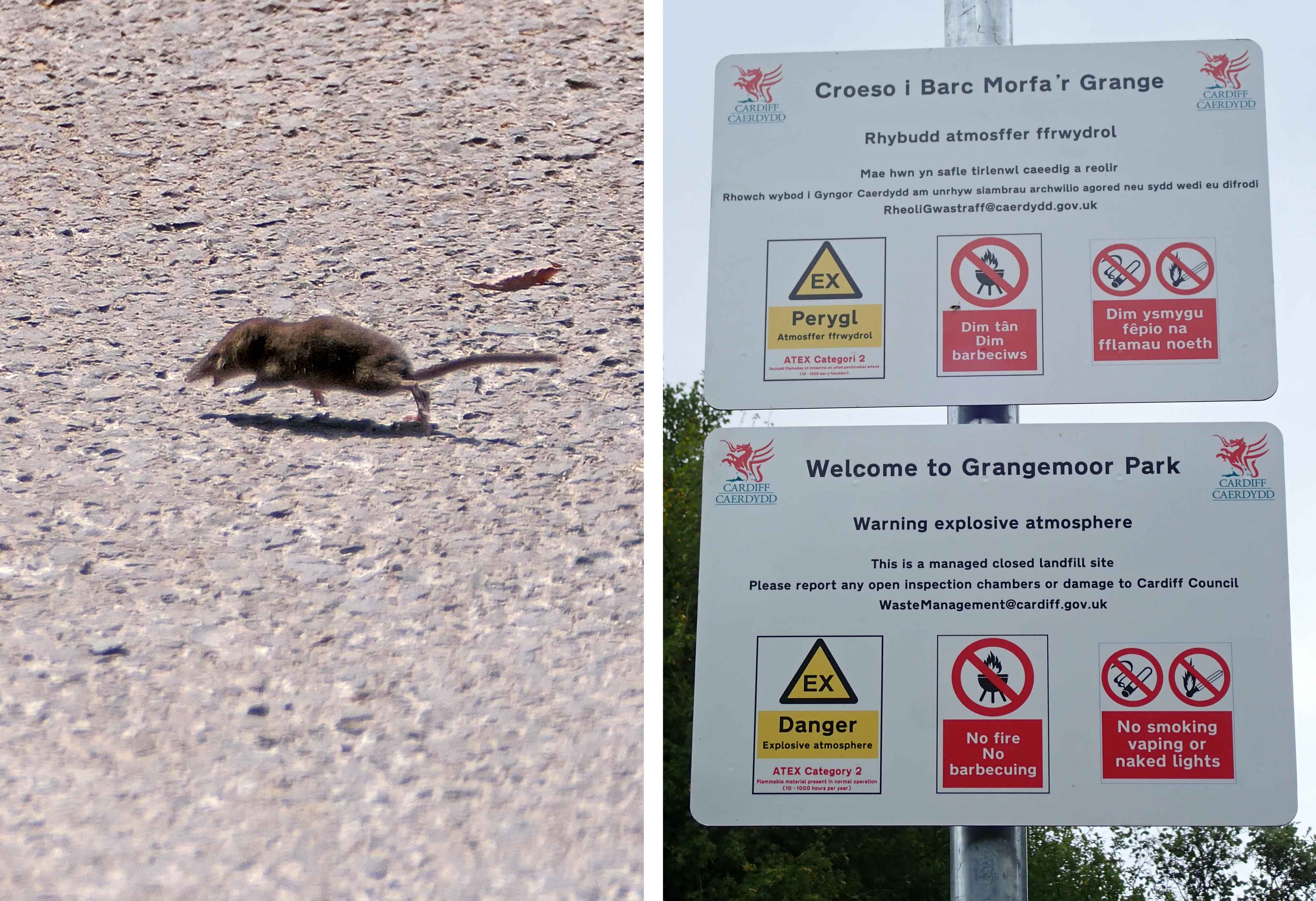
These signs at Grangemoor Park are new so, presumably, recent tests have shown an increase in the gases leaking through the soil from whatever toxic combination of rubbish and dumped materials are lurking, mouldering beneath the ground in this former town rubbish dump. I don’t feel endangered but it did make wonder what effect it might have on the much smaller creatures that inhabit the park.
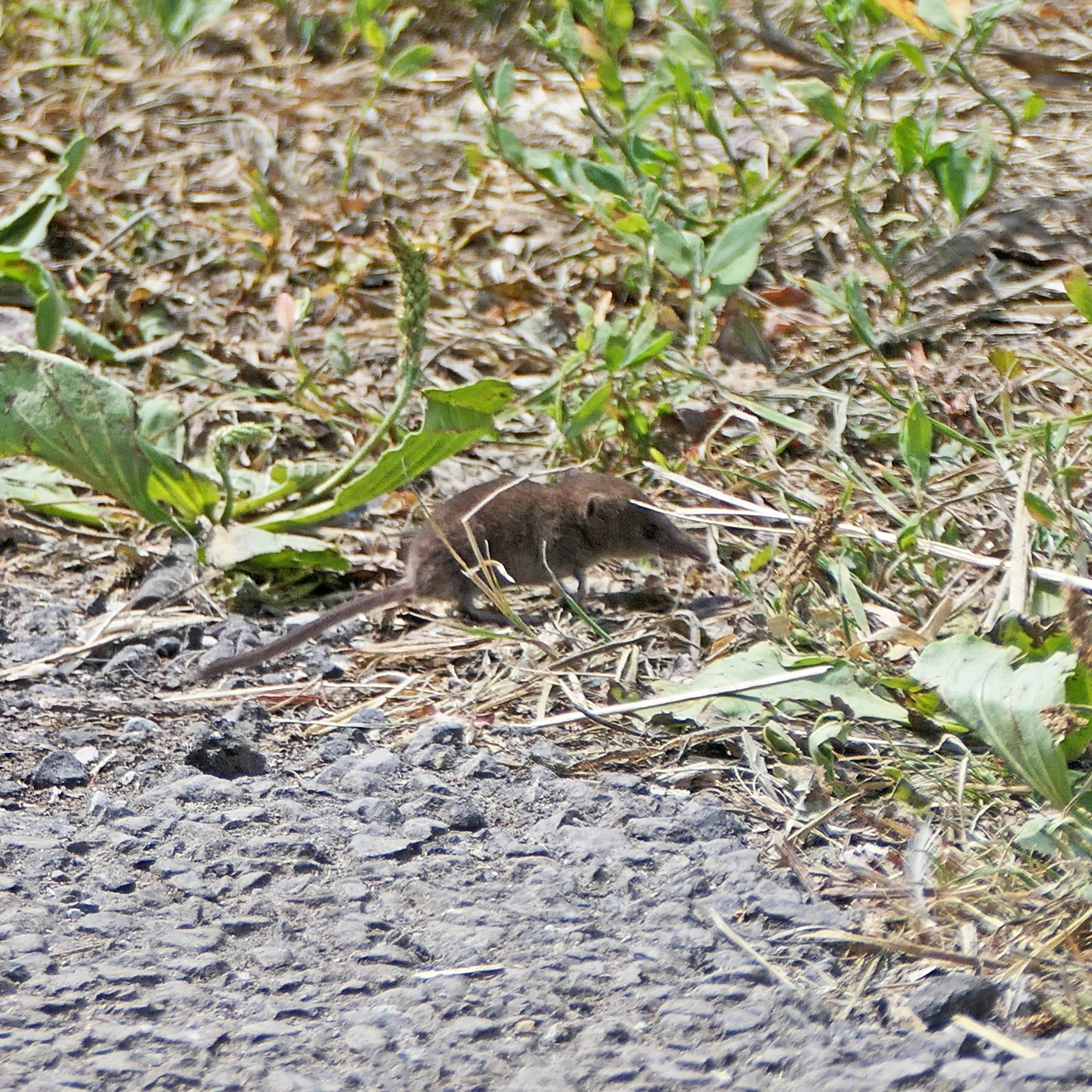
The fact that I saw the (probably Common, but they can be hard to positively identify) shrew was mere coincidence, and a wonderful chance encounter. Usually, I only see dead shrews so it was lovely to be able to watch this little mammal, scurry about at the edge of the tarmac path, race half way across then back again, sniff about in the low vegetation once more, before finally racing right across the road and disappearing into the foliage.

Like Loading...

Grangemoor’s orchids

02 Sunday Jun 2024

Posted by sconzani in wildflowers

≈ Leave a comment

Tags

#WildflowerHour, Bee orchid, British orchids, Common spotted-orchid, Grangemoor Park, native orchids, Pyramidal orchid, Southern marsh orchid

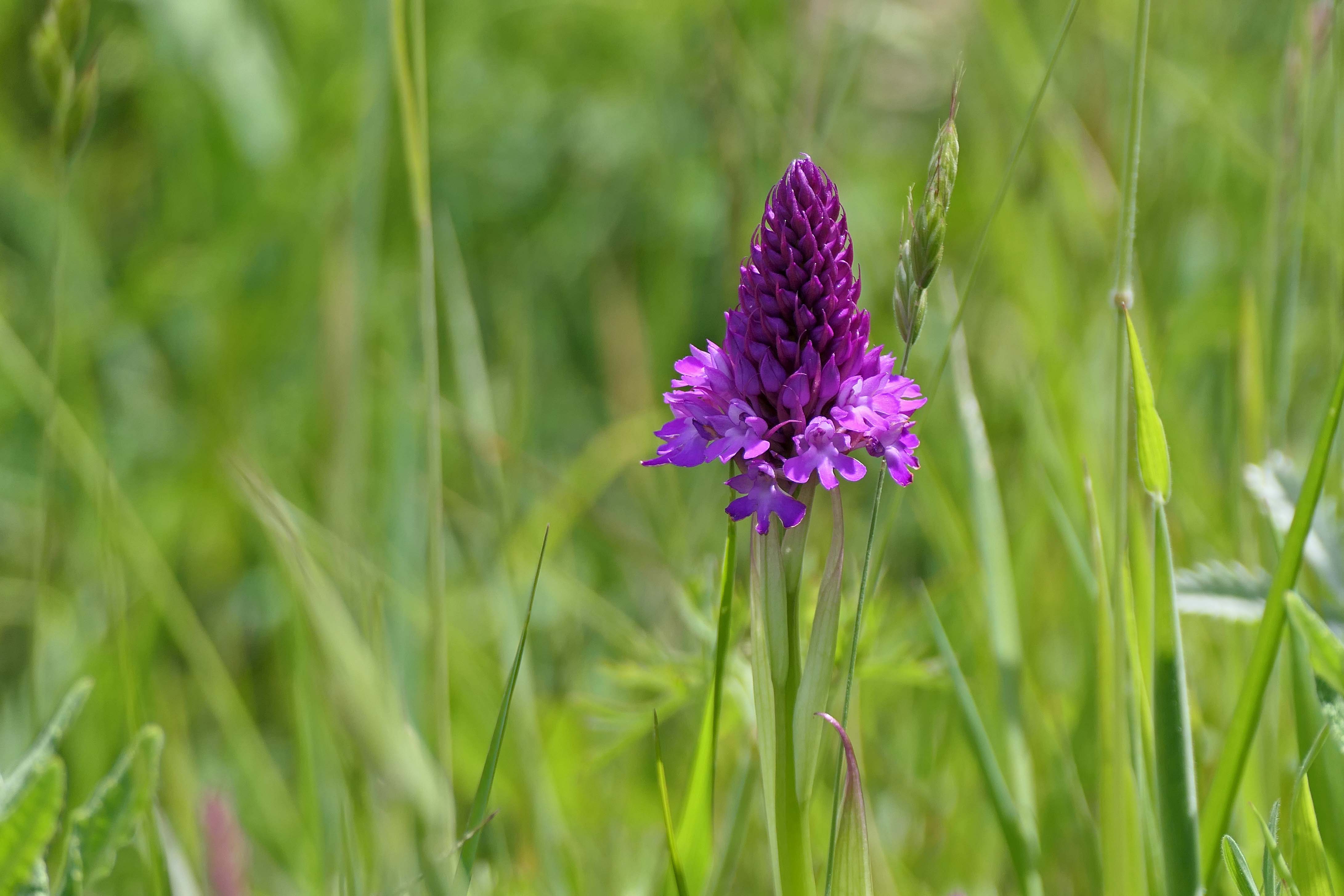
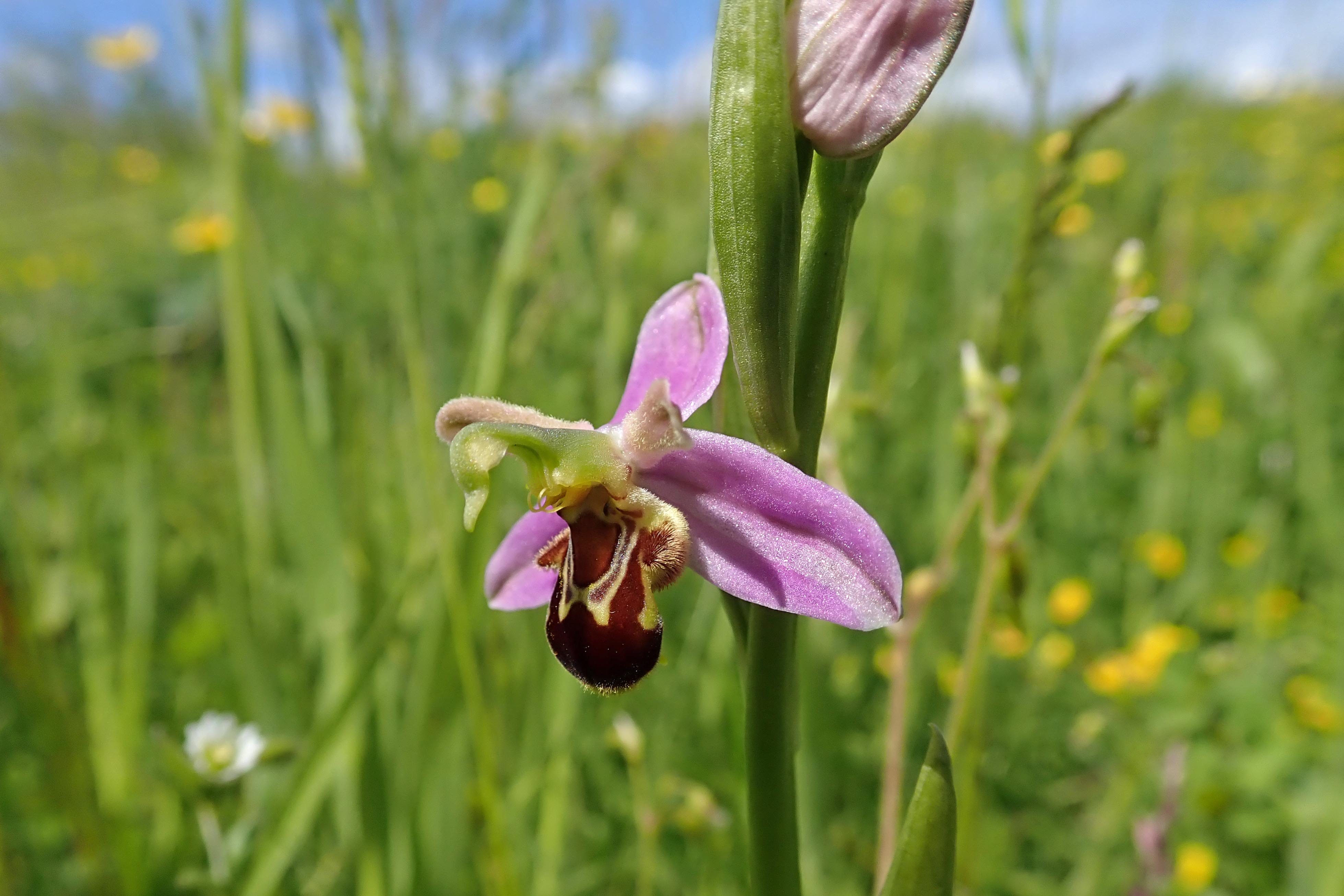
This week’s Wildflower Hour challenge was to find orchids in flower. I love these gorgeous native plants so was very happy to include orchid spotting in a walk to Cardiff’s Grangemoor Park. And I was not disappointed, finding these four species currently in flower.

240602 southern marsh

Southern marsh-orchid (Dactylorhiza praetermissa)

240602 common spotted

Common spotted-orchid (Dactylorhiza fuchsia)

240602 pyramidal

Pyramidal orchid (Anacamptis pyramidalis)

240602 bee

Bee orchid (Ophrys apifera)

Like Loading...

Spider survivors

04 Monday Sep 2023

Posted by sconzani in insects, spiders

≈ Leave a comment

Tags

Argiope bruennichi, British spiders, Grangemoor Park, Wasp spider

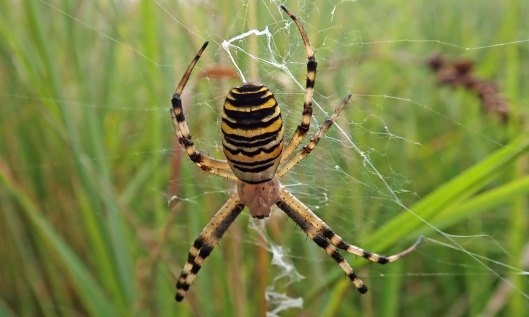
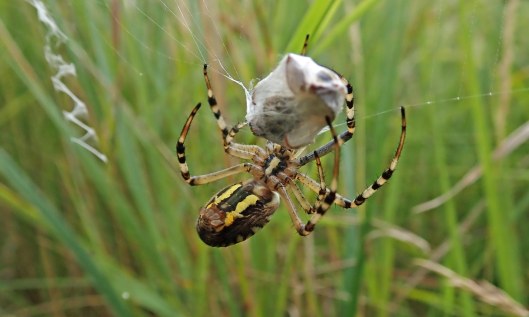
I was entranced, and relieved, to spot these two Wasp spiders during a recent meander around Cardiff’s Grangemoor Park. The park, which was once a landfill site, was closed for a long time while repairs were done to its infrastructure, to stop contaminated water seeping from its interior rubbish. The repair process was conducted without any regard for the local flora and fauna and, during previous recent visits, I’d not managed to find any of these stunning spiders, first discovered at the park in August 2021. It’s good to know they’ve survived the upheaval.

230904 wasp spider

Like Loading...

American winter-cress

02 Sunday Apr 2023

Posted by sconzani in plants, spring, wildflowers

≈ Leave a comment

Tags

American winter-cress, Barbarea verna, British wildflowers, Grangemoor Park, Spring colour, wild salad plant

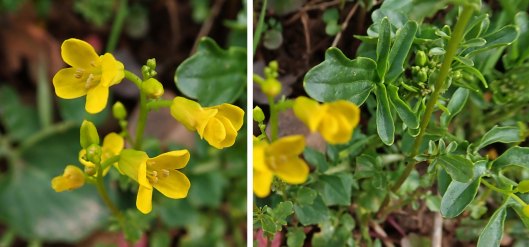
One of my local green spaces, Grangemoor Park, in Cardiff, an old landfill site, has been much churned up over the past year due to the need for repairs to its drainage system. Seeing the amount of damage done to the park, the huge numbers of trees cut down, the wide gravel paths laid down where once were wildflowers and scrub, has been very depressing but I’m hoping Nature will quickly repair the human damage. In the meantime, trying to be positive, I’ve been keeping an eye on the disturbed ground for any botanical surprises. And this is one!

230402 american winter-cress (1)

I’m 99% sure that this lovely little treasure is American winter-cress (Barbarea verna), a new plant for me. I’ve had a botanist confirm my identification but with one proviso. She thought ‘Yes I think it looks like it is B. verna as opposed to B. intermedia. If you should happen to see it again when it is in fruit, it should have long (over 4cm) curved fruits, whereas intermedia has shorter (less than 4cm) straight fruits.’ Needless to say, I will be checking the fruits in due course.

230402 american winter-cress (2)

In Flora Britannica, Richard Mabey writes that Barbarea verna has proven to be ‘popular and successful as a vegetable. Originally from south-west Europe, it has been introduced as a cultivated vegetable not just to the United States and northern Europe, but to South America and Australasia. It has become widely naturalised in all these places.’ I will be tempted, once it has grown, to harvest some of the leaves, which can be used like ‘rocket’ in a salad, though it is growing in the perfect spot for passing canines to anoint so will have to be washed very thoroughly.

230402 american winter-cress (3)

Like Loading...

Wasp spiders

31 Tuesday Aug 2021

Posted by sconzani in spiders

≈ Leave a comment

Tags

Argiope bruennichi, British spiders, Grangemoor Park, Wasp spider

Last week, entomologist Liam Olds made the stunning discovery of local populations of Wasp spiders, not once but twice, the first on 26 August at Porthkerry Country Park in Barry and the second the very next day at Grangemoor Park in Cardiff. Gangemoor is an easy walk for me and I’d never seen these spiders before so, of course, I went searching. Liam and fellow finder Christian Owen had located about 20 of these stunning spiders; I found seven, and was delighted to see so many.

210831 wasp spider (1)

As you can guess from its name, the Wasp spider (Argiope bruennichi) sports wasp-like back-and-yellow stripes on both its upper abdomen (photo above) and under side (below), presumably a clever attempt to fool potential predators into not eating it. In a manner similar to the Common garden spider, the Wasp spider constructs a large web, strung between the tall grasses of its favoured grass- and heath-lands, and sits in the middle awaiting its prey. There is one striking difference with the Wasp spider’s web though; it usually has a white zig-zag stripe running down through the middle. The purpose of this ‘stabilimentum’ is much debated, ranging from a form of camouflage to attracting prey by reflecting ultraviolet light, but it is certainly distinctive.

210831 wasp spider (2)

The Wasp spiders I saw were all females, as the male’s lifespan is short – if he doesn’t get eaten by the female after mating, he dies soon after serving his purpose. He is smaller and lacks the distinctive markings of the female – the UKSafari website has a photo of the male, and much interesting information about these intriguing spiders.

As you can see from the series of photos below, I was lucky to spot one Wasp spider wrapping up her recently caught lunch, an unlucky wasp. It’s a ‘Wasp eat wasp’ world out there, folks!

210831 wasp spider (3)210831 wasp spider (4)210831 wasp spider (5)

Like Loading...

Latticed heaths

21 Saturday Aug 2021

Posted by sconzani in insects

≈ 2 Comments

Tags

British moths, Grangemoor Park, Latticed heath, moth

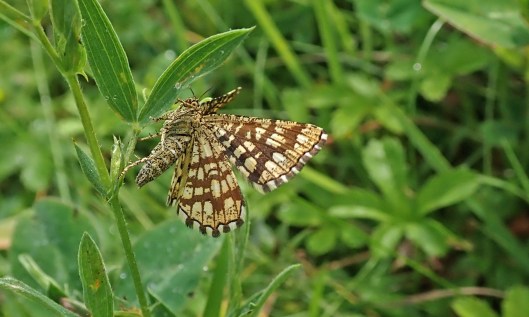
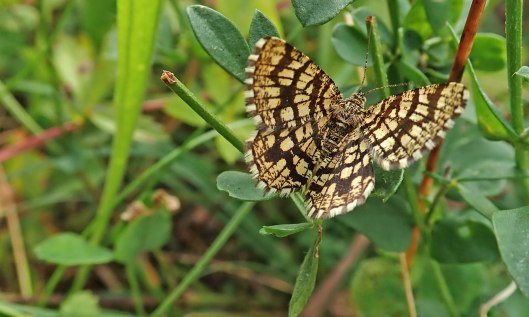
Latticed heath moths have featured many times before on this blog (see here and here) but, after seeing over a dozen during a wander around Cardiff’s Grangemoor Park this week, I can’t resist featuring them again. These are three I managed to get close enough to for macro photos.

210821 latticed heath (1)210821 latticed heath (2)210821 latticed heath (3)

Like Loading...

Southern marsh-orchids

16 Wednesday Jun 2021

Posted by sconzani in flowers, nature, wildflowers

≈ 4 Comments

Tags

British native orchids, British orchids, Dactylorhiza praetermissa, Grangemoor Park, native orchids, Southern Marsh-orchid

Mostly, I only see four species of orchid: Early purple, Common spotted, Bee and Pyramidal, so I find it tricky identifying other species. And the fact that many species of orchid hybridise with each other also complicates the identification picture. So, when a Twitter pal tagged me for help identifying a Southern marsh-orchid (Dactylorhiza praetermissa) I couldn’t assist, but decided to try to find some for myself to learn more about their appearance. I found one specimen during a recent visit to Aberbargoed (though not at the grasslands) and several at Cardiff’s Grangemoor Park.

The first thing I realised is that you can’t rely on colour. I found another orchid that looked the perfect shade of purple but didn’t have the right markings – perhaps a hybrid of Southern marsh and Common spotted. The two key things for Southern marsh-orchids, it seems to me, in non-botanist speak, are that the upper petals all reach skywards, like a person holding their arms in the air, and that the larger, lower petal has two cascades of spots that sometimes merge in to one but always fall in the centre of the petal, not spreading outwards. I’m sure there’s a more succinct way to phrase that but I think it’s best we each have our own ways to remember key points.

210616 southern marsh-orchid (2)
210616 southern marsh-orchid (3)
210616 southern marsh-orchid (4)

Like Loading...

A five-Brimstone day!

17 Wednesday Mar 2021

Posted by sconzani in insects, spring

≈ 8 Comments

Tags

Brimstone, Brimstone butterfly, British butterflies, butterfly, Grangemoor Park

Though yesterday’s weren’t my first butterfly sightings of the year (I’ve seen two different species fly rapidly past in recent weeks but haven’t managed photos), they were simply splendid. A walk around Cardiff’s Grangemoor Park produced five (!) Brimstones and, though most were patrolling their chosen territories at speed, I waited patiently for one to stop for a rest and managed to get close enough to get some good images. I can’t tell you how truly wonderful it feels to be sharing my air space with butterflies again. They are such magical creatures!

210317 brimstone

Like Loading...

350/366 S s s s … Siskin

15 Tuesday Dec 2020

Posted by sconzani in birds, trees, winter

≈ Leave a comment

Tags

Alder, birding, birdwatching, British birds, Carduelis spinus, Grangemoor Park, Siskin, Siskin feeding on Alder cones

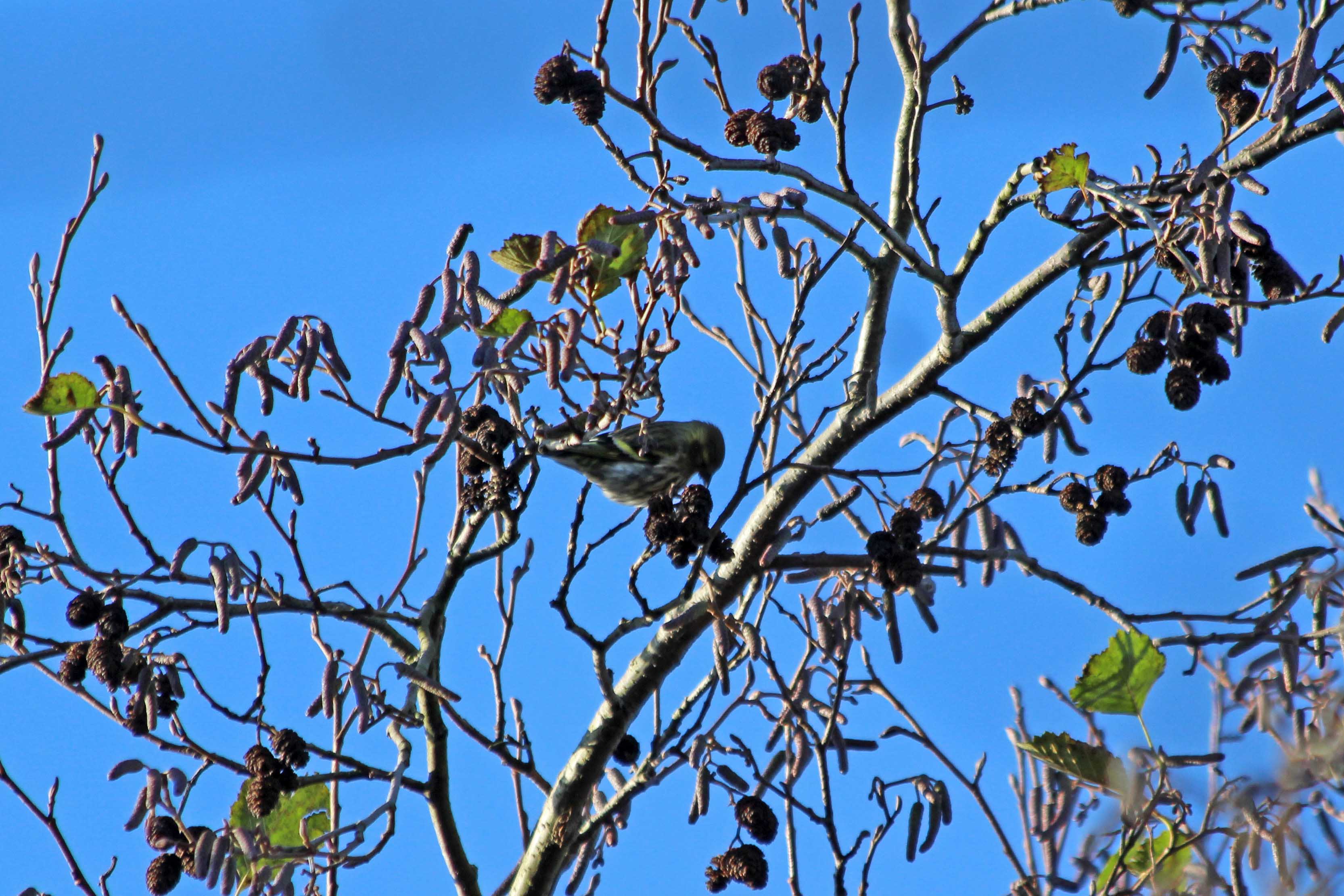
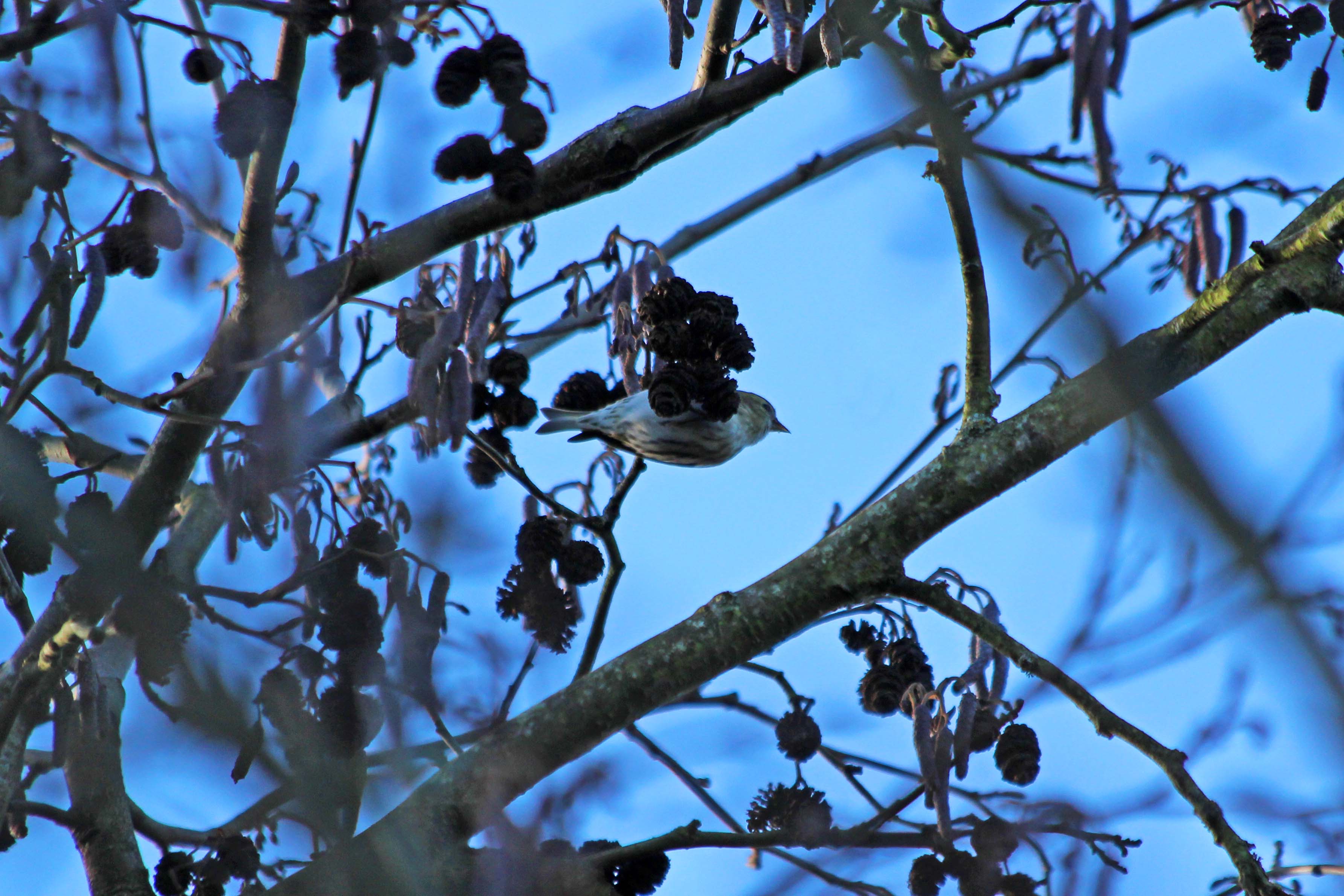
Siskin (Carduelis spinus) are not finches I see very often so, when I heard their high-pitched whistles at Grangemoor Park last Saturday, I immediately looked up to try to spot them.

201215 siskin (1)

And there they were, perhaps six birds, feeding on Alder cones, high above me. There were other trees in my sightline and the light was shocking so it wasn’t easy to watch or photograph them.

201215 siskin (2)

Still, I lingered on the muddy path for 20 minutes or so, enjoying their upside-down feeding techniques, listening to their noisy interaction, enjoying the fleeting glints of yellow when the sun lit their feathers. What a treat!

201215 siskin (3)

Like Loading...

229/366 More peas please

16 Sunday Aug 2020

Posted by sconzani in nature, wildflowers

≈ Leave a comment

Tags

Black medick, British wildflowers, Common restharrow, Cosmeston Lakes Country Park, Ervilla hirsuta, Grangemoor Park, Hairy tare, Medicago lupulina, Ononis repens, Pea plant family

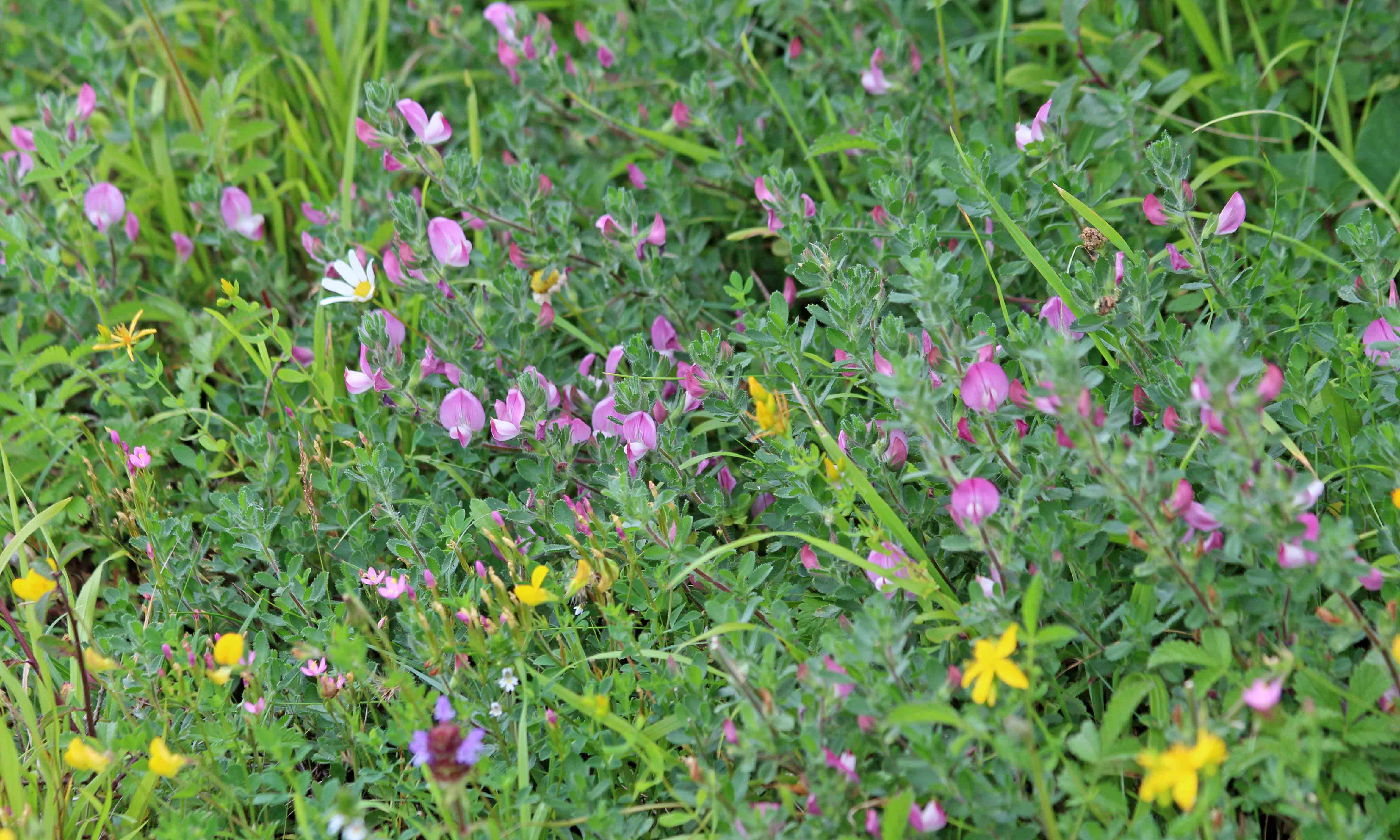
You’ll recall that a couple of weeks ago we had some members of the Pea family (A Pod of Peas, 26 July) – well, here are another three members of that extensive kin group.

Common restharrow (Ononis repens)
The name ‘restharrow’ comes from the fact that this wildflower’s thick long roots were ‘tough enough to stop a horse-drawn harrow in its tracks’ (Flora Britannica) and that esteemed publication also notes that those roots could be chewed, with a taste like liquorice. According to the Plantlife website, the plant’s shoots also had culinary uses: they could be boiled as a vegetable or eaten in salads.

200809 common restharrow (2)
200809 common restharrow (1)

200809 common restharrow (3)

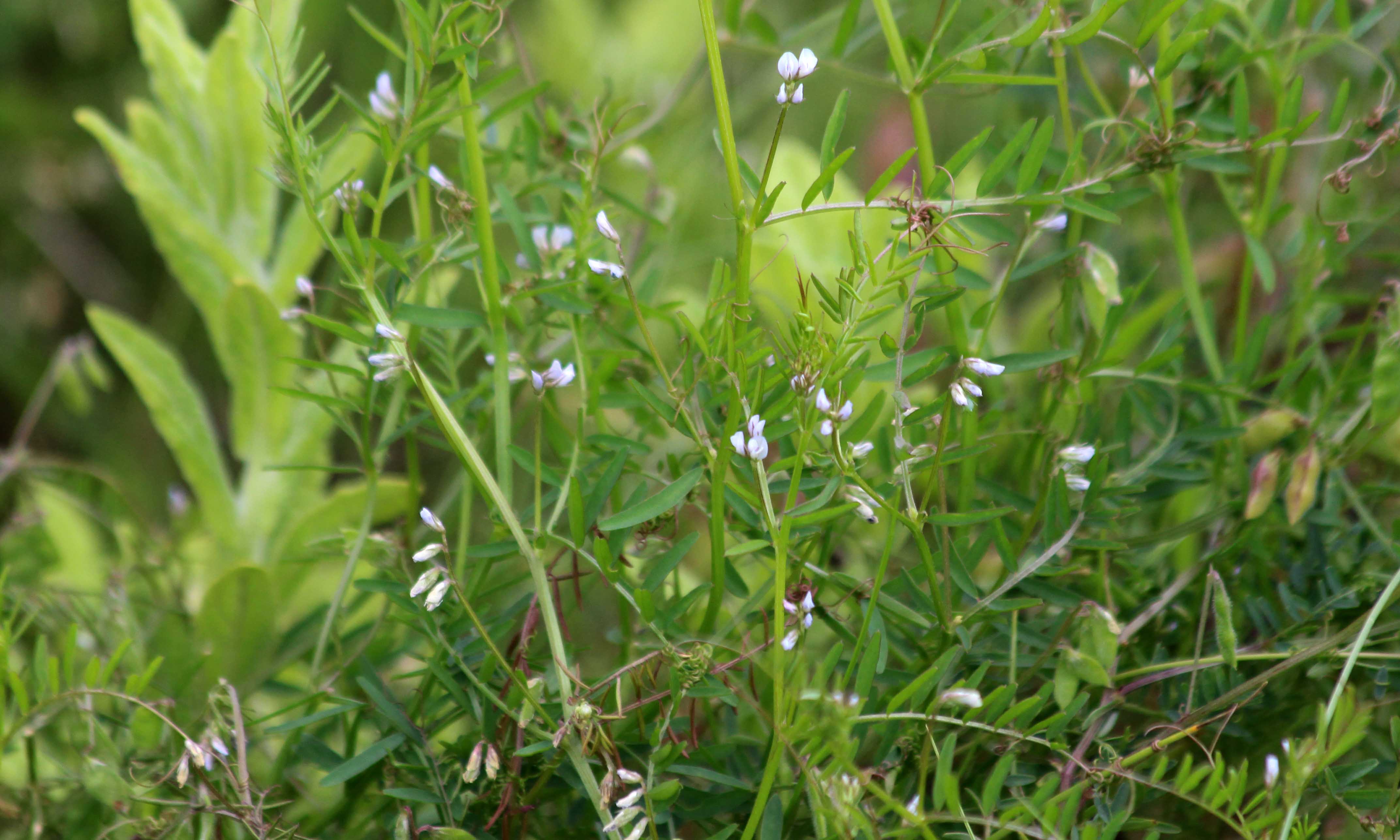
Hairy tare (Ervilla hirsuta)
There’s an abundance of this little plant curling and winding itself through the rough grassland and wildflower fields at Grangemoor Park. As its flowers are rather small, it’s easy to miss how lovely they are but they’re definitely worth a closer look, anytime from May to August.

200816 hairy tare (3)200816 hairy tare (4)

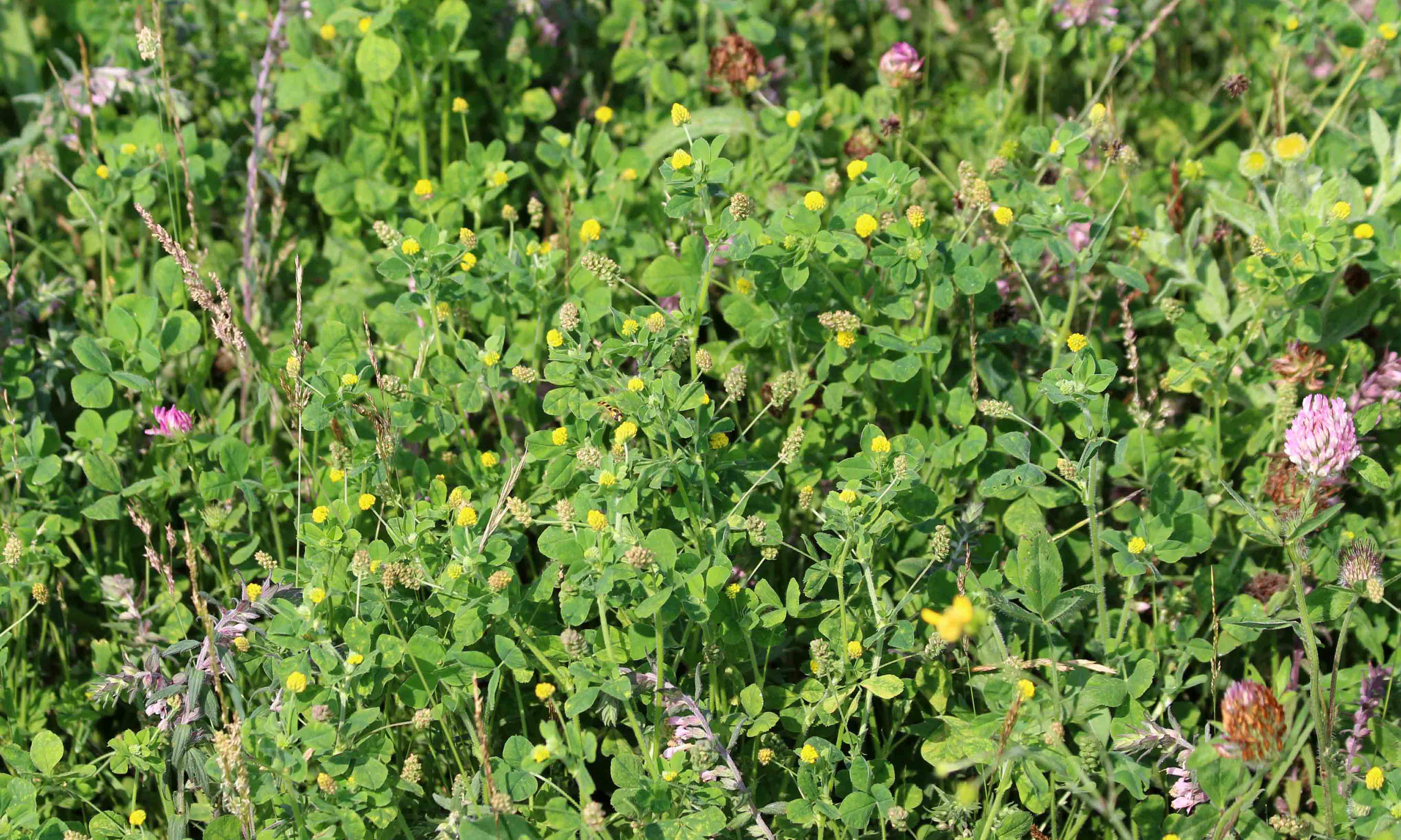
Black medick (Medicago lupulina)
This is a plant I often see along the edges of roads but it’s also particularly numerous in one of the wildflower fields at Cosmeston Lakes Country Park. The First Nature website explains its scientific name thus:
‘The genus name Medicago refers to the region of Iran known as Media, where this plant was thought to have originated. The specific epithet lupulina means “wolf-like” – a reference to the flowers of the hop Humulus lupulus, which its inflorescence resembles.’

200816 black meddick (2)
200816 black meddick (4)

200816 black meddick (1)


Like Loading...
← Older posts

About me

sconzani

sconzani

I'm a writer and photographer; researcher and blogger; birder and nature lover; countryside rambler and city strider; volunteer and biodiversity recorder.

View Full Profile →

Follow earthstar on WordPress.com

Enter your email address to follow this blog and receive notifications of new posts by email.

Recent blog posts

  • Red in beak and claw January 9, 2026
  • Who’s watching who? January 8, 2026
  • Springtail: Orchesella cincta January 7, 2026
  • A good year for Redwings January 6, 2026
  • Bug: Anthocoris nemorum January 5, 2026

From the archives

COPYRIGHT

Unless otherwise acknowledged, the text and photographs on this blog are my own and are subject to international copyright. Nothing may be downloaded or copied without my permission.

Fellow Earth Stars!

  • Unknown's avatar
  • Unknown's avatar
  • Unknown's avatar
  • Unknown's avatar
  • Unknown's avatar
  • Unknown's avatar
  • Unknown's avatar
  • Unknown's avatar
  • Unknown's avatar
  • Unknown's avatar
  • Unknown's avatar
  • Unknown's avatar
  • Unknown's avatar
  • Unknown's avatar
  • Unknown's avatar
  • Unknown's avatar
  • Unknown's avatar
  • Unknown's avatar
  • Unknown's avatar
  • Unknown's avatar
  • Unknown's avatar
  • Unknown's avatar
  • Unknown's avatar
  • Unknown's avatar
  • Unknown's avatar
  • Unknown's avatar
  • Unknown's avatar
  • Unknown's avatar
  • Unknown's avatar
  • Unknown's avatar
  • Unknown's avatar
  • Unknown's avatar
  • Unknown's avatar
  • Unknown's avatar
  • Unknown's avatar
  • Unknown's avatar
  • Unknown's avatar
  • Unknown's avatar
  • Unknown's avatar
  • Unknown's avatar
  • Unknown's avatar
  • Unknown's avatar
  • Unknown's avatar
  • Unknown's avatar
  • Unknown's avatar
  • Unknown's avatar
  • Unknown's avatar
  • Unknown's avatar
  • Unknown's avatar
  • Unknown's avatar

Blog at WordPress.com.

Privacy & Cookies: This site uses cookies. By continuing to use this website, you agree to their use.
To find out more, including how to control cookies, see here: Cookie Policy
  • Subscribe Subscribed
    • earthstar
    • Join 669 other subscribers
    • Already have a WordPress.com account? Log in now.
    • earthstar
    • Subscribe Subscribed
    • Sign up
    • Log in
    • Report this content
    • View site in Reader
    • Manage subscriptions
    • Collapse this bar
 

Loading Comments...
 

You must be logged in to post a comment.

    %d