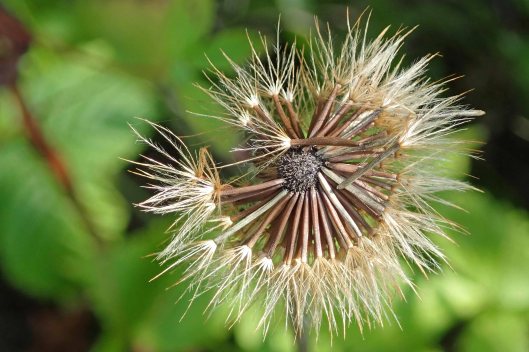
‘What is this life if, full of care,
We have no time to stand and stare?’
From the poem ‘Leisure’ by Welsh poet W. H. Davies, Songs of Joy and Others, A. C. Fifield, 1911.

27 Saturday Aug 2022
Posted in nature
‘What is this life if, full of care,
We have no time to stand and stare?’
From the poem ‘Leisure’ by Welsh poet W. H. Davies, Songs of Joy and Others, A. C. Fifield, 1911.
26 Friday Aug 2022
Posted in insects
This Holly blue was a lovely unexpected surprise during this morning’s meander around Cosmeston. Holly blues do have two broods each year but this is quite late in the season to see adults of the second brood. A blue blessing!

25 Thursday Aug 2022
Posted in insects
Tags
Acanthosoma haemorrhoidale, British shieldbugs, final instar Hawthorn shieldbug, Hawthorn shieldbug
My walk of the fields at Cosmeston Lakes Country Park hadn’t turned up any migrating birds so I was having a poke around some trees before heading home when I found these two huddling together amongst the leaves. They’re Hawthorn shieldbug nymphs (Acanthosoma haemorrhoidale) in their fifth and final form (instar) before they become adults. (You can see the various instars on the superb British Bugs website.)

24 Wednesday Aug 2022
Tags
Anthus trivialis, autumn migration, bird migration, birding, birdwatching, British birds, Tree pipit
In last week’s post about the start of the autumn bird migration, I mentioned that I’d blog about the individual species if I managed to get some better photos. Well, there have been a few obliging Tree pipits passing through, so today they get star billing.

The only time we see Tree pipits (Anthus trivialis) here in coastal south Wales is on passage, in the Spring heading to their breeding grounds in the Welsh Valleys and points further north (I see and hear them singing at Aberbargoed NNR when I go looking for Marsh fritillaries in May and June), and then again in the Autumn as they fly south to their over-wintering sites in Africa.
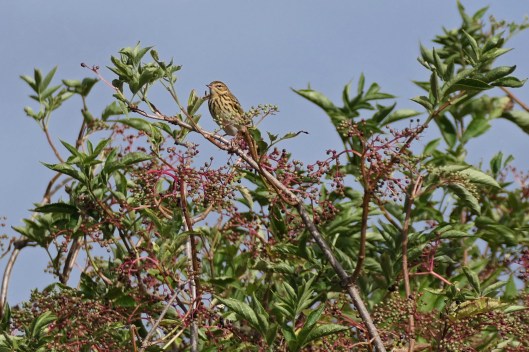
Tree and Meadow pipits are very similar and can be difficult to tell apart. As a rule of thumb, at this time of year, the Tree pipits move through first, with Meadow pipits following a few weeks later (and some Meadow pipits linger through the winter months). If you can get a good look at them (or reasonable photos), you will see that the breast markings on Tree pipits are finer, more thinly streaked than the bolder flecks of the Meadow pipits, whose markings also extend further down the belly and the flanks.
23 Tuesday Aug 2022
Posted in insects
Tags
British hoverflies, hoverfly, Volucella bombylans, Volucella inanis, Volucella pellucens, Volucella species, Volucella zonaria
These are the big beasties of the hoverfly world, the bumblebee, wasp and hornet mimics. Though their size can be a little intimidating, they are all completely harmless to humans, and wonderful to watch going about their daily lives. There are actually five Volucella species in Britain – the woodland species Volucella inflata does occur locally (see A new hoverfly, June 2020) but I’ve not noticed one this year. The big four below are Volucella bombylans, Volucella pellucens (commonly known as the Great pied hoverfly, due to its colouring), Volucella inanis and Volucella zonaria – these are the two mostly easily confused with each other but the most obvious difference is the chestnut colouring of V. zonaria‘s thorax.

22 Monday Aug 2022
Posted in birds
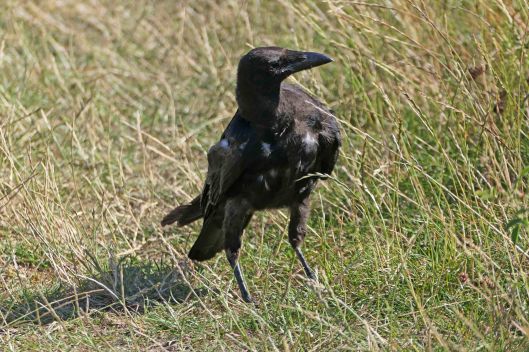
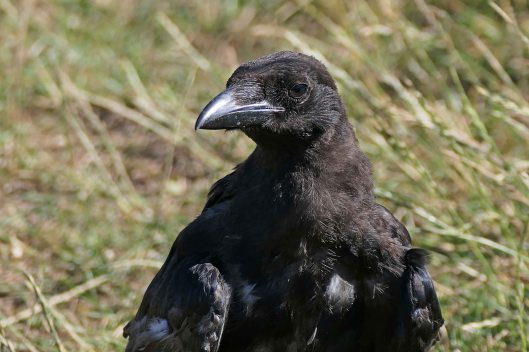
It may be young and still coming in to its adult feathers but it’s already got the moves, the sideways shuffle, the hotshot hustle, the cocky swagger that seems to come naturally to Carrion crows, male and female.
21 Sunday Aug 2022
Posted in insects, wildflowers
Tags
British butterflies, British insects, British wildflowers, Common fleabane, fleabane, insects on fleabane, yellow wildflower
Fleabane is a godsend. It starts to flower in mid summer and carries on flowering through to early autumn, providing a much-needed food source for a diverse range of insects at a time when many other wildflowers are beginning to wilt and wither. I’ve been accumulating the photos in this video for several weeks, and many of the featured insects have themselves now faded away, victims of the passing of time and also of the sizzling hot temperatures we’ve been experiencing. I’m sure those insects that have managed to survive the hot dry weather have been very grateful for the sustenance Fleabane has provided.
20 Saturday Aug 2022
More birds are out and about now that they’ve finished the exhausting process of raising young and refreshed their look through their annual feather moult, and it’s been a joy to see and hear them more often during my daily walks. This Reed bunting was showing off its fresh look to perfection amongst the berries of a large old Hawthorn tree.

19 Friday Aug 2022
Posted in insects
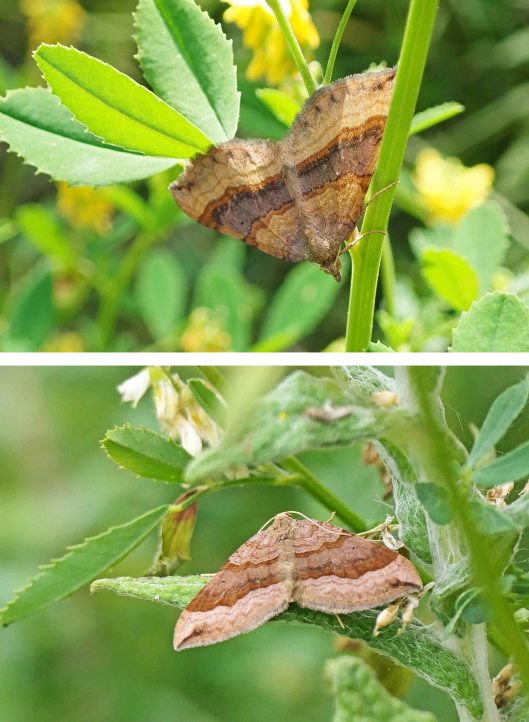
Apart from Five- and Six-spotted burnets and the various grass moths that flit up as I walk along pathways through meadows, I’ve not seen many day-flying moths recently so these Shaded broad-bars (Scotopteryx chenopodiata) were a nice surprise. They fly during July and August, and can be found throughout Britain, particularly in areas where vetches and clovers – their larval food plants – grow. As you can see, the colours of these moths can be quite variable (the Butterfly Conservation website has more examples).
18 Thursday Aug 2022
Tags
autumn migration, bird migration, birding, birdwatching, Redstart, Spotted flycatcher, Tree pipit
Most birders label the movement of birds before and after summer, to and from their breeding locations, as spring and autumn migration, so I had to chuckle recently when someone on Twitter took exception to my post saying I’d seen my first Spotted flycatcher of the autumn. It seems that what I had actually seen was ‘a bird on post-breeding summer passage’ rather than on autumn migration. Whatever you prefer to label this movement, it has begun, and I’ve now seen a Redstart, several Spotted flycatchers, and a few Tree pipits heading south. As you can see from my images, the birds have all been distant so far but I’ll blog about the individual species if I manage to get better photos.

 earthstar
You must be logged in to post a comment.