The aphid munchers

Tags

, , , , , , ,

Today’s focus is on one of the smaller things in life, specifically every gardener’s friend, one of the aphid munchers, the hoverfly larva.
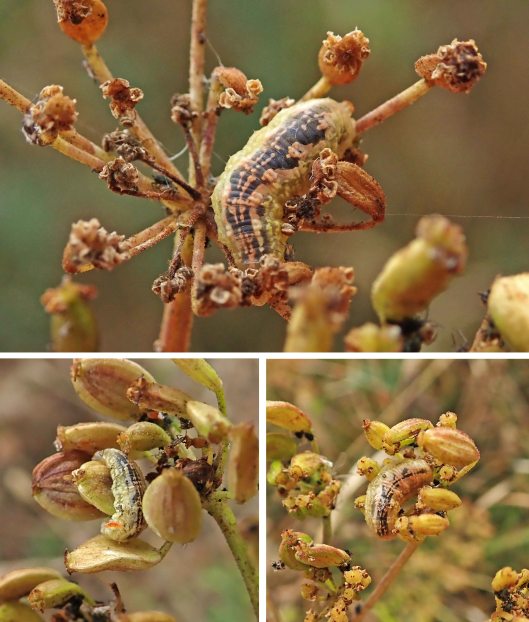
220906 syrphus sp

In fact, not just one larva, but many, and from more than one species, feasting on aphid-infested Wild parsnip plants. The larvae in the photos above have been identified as being one of the Syrphus species of hoverfly, while those below, according to an expert, are probably Melangyna compositarum agg / umbelltarum. All would need rearing to adulthood for more precise identification.

220906 Melangyna sp

It’s worth checking the stems, leaves, seedheads of plants with aphid infestations as hoverfly larvae are almost certain to be lurking there somewhere.
Teal yoyos

Tags

, , , , ,

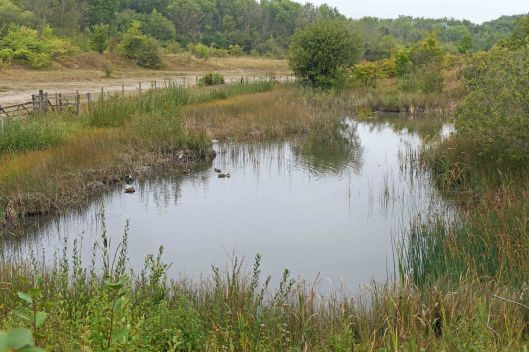
Teal obviously like Cosmeston’s dragonfly pond but they’re easily freaked by passing walkers and their dogs, and fly in panic back to the safety of an inaccessible pond on the other side of the nearby woodland.

220905 teal (1)

But if you’re patient and wait, perhaps slightly obscured behind a shrub, sometimes no more than ten minutes, like avian yoyos, the Teal will return to the dragonfly pond once again. On Saturday morning, five little beauties were doing just this … and all the while the Mallards wondered what the fuss was about.

220905 teal (2)

The Sulphur polypore

Tags

, , ,

This lovely old Oak tree was a victim of a storm back in the spring. As it’s in a corner of a local nature reserve, it’s been left for the fungi and insects to enjoy and, eventually, break down. And, when I walked that way on Tuesday, I noticed the fungi have been busy. This is Chicken-of-the-woods (Laetiporus sulphureus), normally a bright sulphur yellow, hence its alternate name of Sulphur polypore, but well past its best now and looking quite woody. To see a younger version of this fungus, check out my previous post on the topic, Chicken-of-the-woods, September 2021.

220902 chicken of the woods

New plant: Salad burnet

Tags

, , , ,

New month, new season, new plant. This is Salad burnet, which seems recently to have had a change of scientific name from Sanguisorba minor to Poterium sanguisorba. As you might guess from the root of the word, the sanguisorba part of those names, old and new, refers to blood. Richard Mabey explains in Flora Britannica: ‘The round, rust-speckled flower-heads, a little like scabs or blood clots, made it a signaturist’s favourite, for staunching wounds….’ I don’t see the resemblance myself – in fact, I think the flower-heads look a little like terrestrial versions of sea-anemones.

From the common name, it is obvious that this plant can be used as a salad green and, though I haven’t tried it myself, I’ve read that it has a slightly bitter taste and that the leaves smell of cucumber when crushed. I will have to revisit the find site to check that out.

220901 salad burnet

Companions

Tags

, , , , , ,

As our hot dry summer draws to a close, flowers are in short supply so, sometimes, hungry critters just have to share. Here, a male Red-tailed bumblebee (Bombus lapidarius), left, shares with a Common carder bee (Bombus pascuorum). (Yes, I know the Red-tailed doesn’t actually have a red tail and it certainly doesn’t look like the images I had been searching through when trying to put a name to it, but my friendly local Twitter expert tells me ‘males get sun bleached rather quickly’ and assures me this identification is correct. This is precisely why I don’t really ‘do’ bees!)

220831 Bombus lapidarius MALE n Bombus pascuorum

A good year for Spot flies

Tags

, , , , ,

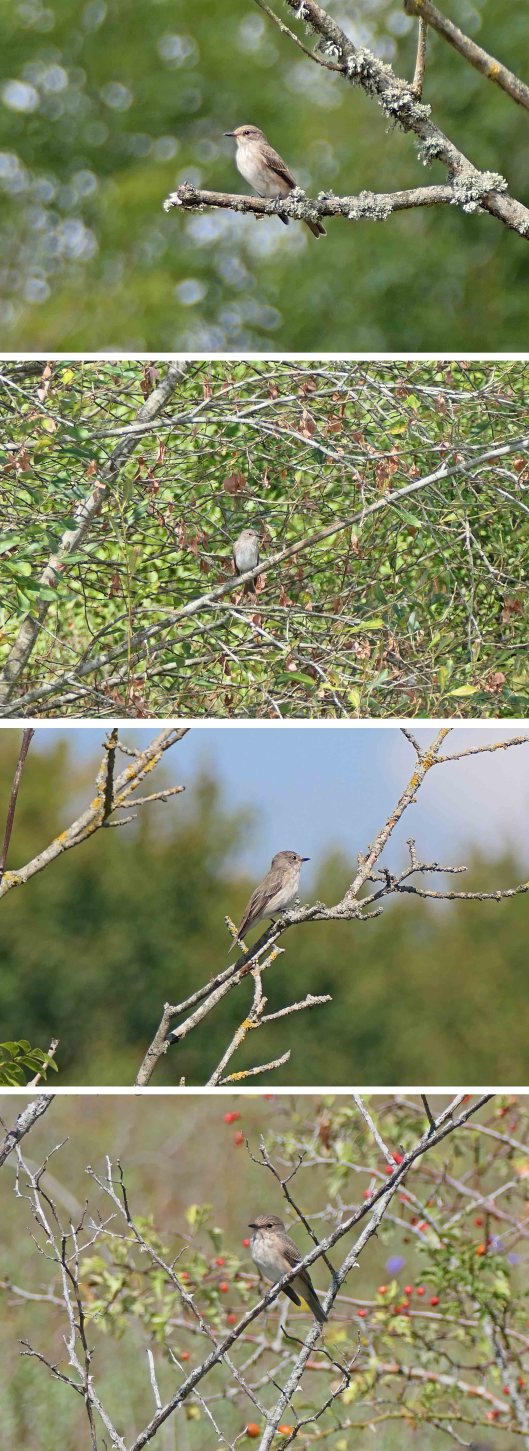
It may just be because my bird-spotting skills are improving, or it could be because I’ve been going to Cosmeston Lakes Country Park more frequently than usual, or it might be because Spotted flycatchers have enjoyed better than usual breeding success this year, or it could be something else entirely. Whatever the reason, I’ve seen more Spotted flycatchers so far this autumn migration than in any previous year (17 individuals on 8 separate days, starting on 9 August) – and it’s not over yet. They are gorgeous little birds and their fly-catching skills are a joy to watch – I’ve been extremely grateful for the pleasure and the distraction from the constant doom-and-gloom of daily life that these feathered friends have brought me this month.

220830 spotted flycatcher

The last orchids

Tags

, , , ,

Perhaps it’s a consequence of this summer’s exceptionally hot dry weather or maybe it’s due to the location’s proximity to the recently rejuvenated children’s playground and trampling by eager feet; whatever the reason, this year’s display of Autumn lady’s-tresses at Cosmeston Lakes Country Park is disappointing to say the least. Last year (Spiralling orchids, Sep 2021), I counted at least 30 flower spikes; this year so far there are just five.

220828 autumn lady's-tresses