More urban gull chicks

Tags

, , , , ,

As I meander around the local area on my daily walks, I’ve been keeping an eye out for more examples of Lesser black-backed gulls nesting in our urban environment. For the birds, I guess any small flat space on a roof top is the same as a ledge on a cliff face, and they are certainly very good at finding and using those spaces for their nests. Both of today’s examples are from the health care sector, the first on top of a building at Llandough Hospital and the second, with two well-grown chicks, on the rooftop of Nuffield Health Cardiff Bay Hospital.

210615 urban gull chicks (3)

Danger in the daytime

Tags

, , ,

It seems, from what I’ve just been reading on the NatureSpot website, that I was very lucky to catch these Scorpion flies in flagrante delicto:

Mating usually occurs at night. It can be a dangerous time for the male, if he is not careful the female might decide to kill him! To avoid this he presents her with a gift of a drop of saliva which, it seems, in the world of scorpion flies, is the equivalent of a bunch of roses or a box of chocolates.

210612 scorpion flies

Lovely Leguminosae

Tags

, ,

There’s something about the Pea family, the Leguminosae. Maybe it’s because my Nana used to grow Sweet peas every year so I always associate their smell with good memories of time spent with her. Maybe it’s because my Dad always grew peas in his vegetable garden (though my brother and I often ate them straight off the vines before Dad could harvest them for a family meal) – also good memories of helping him planting and weeding. Maybe it’s just that their distinctive five-petalled flowers make the Pea family a little easier to identify than many other wildflower families. Maybe it’s just that they’re beautiful. Here are some that are blooming now here in south Wales.

These are Goat’s-rue (Galega officinalis), Hairy tare (Vicia hirsuta), Bitter vetch (Lathyrus linifolius), Bush vetch (Vicia sepium), Common vetch (Vicia sativa), Tufted vetch (Vicia cracca), Grass vetchling (Lathyrus nissolia), and Meadow vetchling (Lathyrus pratensis).

Gone insecting

Tags

,

Some people go fishing; I go insecting, and these are an assortment of recent insect finds:
Red-headed cardinal beetle, Click beetle, Dock beetle, Earwig, the fly Nemorilla floralis, the Mirid bug Harpocera thoracica, the hoverfly Xylota segnis, insect eggs (possibly a ladybird species), Red-and-black froghopper, Scorpion fly, St Mark’s fly, and a weevil (not sure which species).

Small, small, large

Tags

, , , , ,

The adjectives small and large are, of course, relative: of the three butterflies featured in today’s post, the large (skipper) is actually the smallest, but it’s larger than the Small skipper to which the adjective in its name refers. So, having explained that, let’s take a look at these three latest beauties to grace my (reasonably) local airways.

210610 small heath

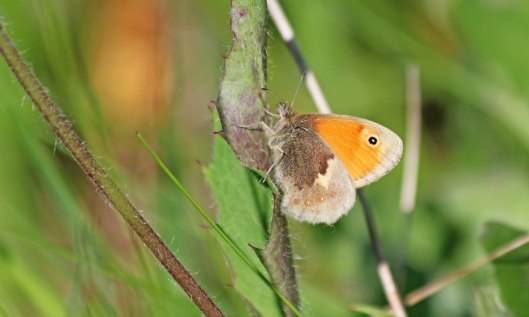
I wrote (reasonably) local because these first two butterflies were seen on my journeys up the Welsh Valleys to Aberbargoed Grasslands NNR. The Small heath (Coenonympha pamphilus) (above) is now only occasionally seen in my coastal area – I found one in Cardiff Bay last summer but that was, sadly, a rarity.

210610 small pearl-bordered fritillary

The Small pearl-bordered fritillary (Boloria selene), of which I saw seven on Tuesday’s trip to Aberbargoed, is a bright orange beauty that thrives in the National Nature Reserve’s wet grassland environment, though, even there, the numbers are usually quite low. Sadly, the British population of this butterfly is suffering a long-term decline, and the changing climate isn’t helping matters.

210610 large skipper

I found my first Large skipper (Ochlodes sylvanus) in the same local field where I spotted my first last year, and I’ve only seen one so far but, hopefully, they’ll soon be adorning the grassy fields in better numbers.

Spatling Poppie

Tags

, , ,

According to Flora Britannica, this plant is ‘one of the favourite food-plants of the little insects known as froghoppers, notable for surrounding themselves with protective froth whilst feeding. John Gerard … called it “Spatling Poppie”, “in respect of that kindle of frothie spittle, or spume, which we call Cuckoo spittle, that more aboundeth in the bosomes of the leaues of these plants, then in any other”.’

210609 bladder campion (3)

Gerard’s ‘Spatling Poppie’ is today better known as Bladder campion (Silene vulgaris), and I think it’s fairly obvious where the name ‘bladder’ came from – the calyx of the flower head looks swollen, as if inflated with air or water. According to the Plantlife website, the plant’s other common names include Cowbell, Maiden’s tears, and Common Bladder Catchfly ‘even though it doesn’t technically catch flies’.

210609 bladder campion (2)

This is not a flower I see often locally, so I was delighted to find several clumps growing amongst wildflowers at the edge of a local road. A roadside verge is a typical location for Bladder campion, and these lovely wildflowers can also be found under hedgerows, in fields and meadows.

210609 bladder campion (1)

Little nibblers

Tags

, , , , , , ,

Seeing these two different species of larvae was a good reminder to me that not all ‘caterpillars’ are butterflies or moths.

210608 oak sawfly

This first is the larva of an Oak sawfly (Periclista lineolata) that was happily munching away at a delicious young Oak leaf.

And these other little nibblers, above and below, covered in dots and dashes and munching on the leaves of Guelder rose, will grow up to be beetles, Viburnum beetles (Pyrrhalta viburni).

I doubt I’ll ever see the adult Oak sawfly, as they seem rather elusive, but I have more chance of spotting these beetles as adults so must remember to keep an eye out for them in July and August.

Consolation prizes

Tags

, , , , , ,

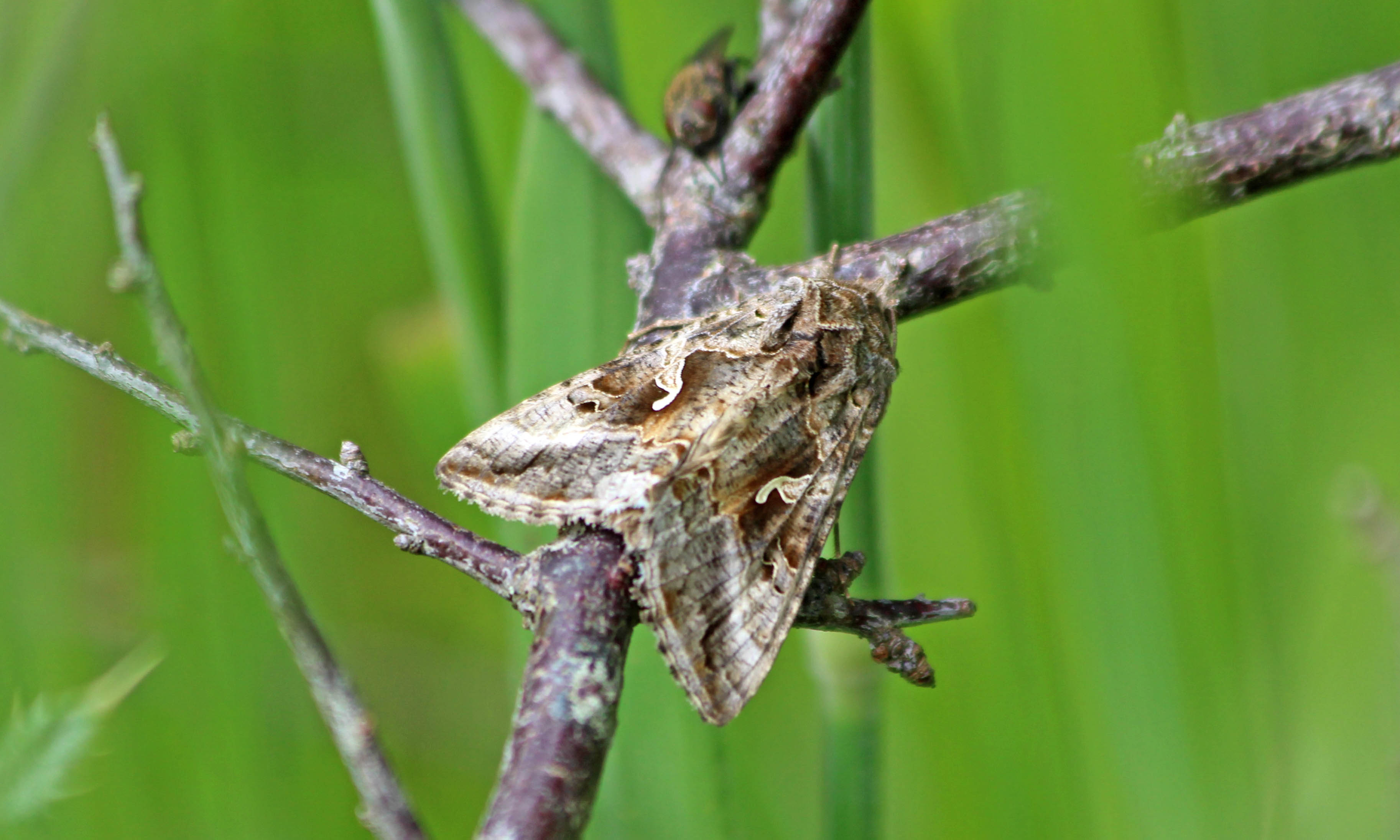
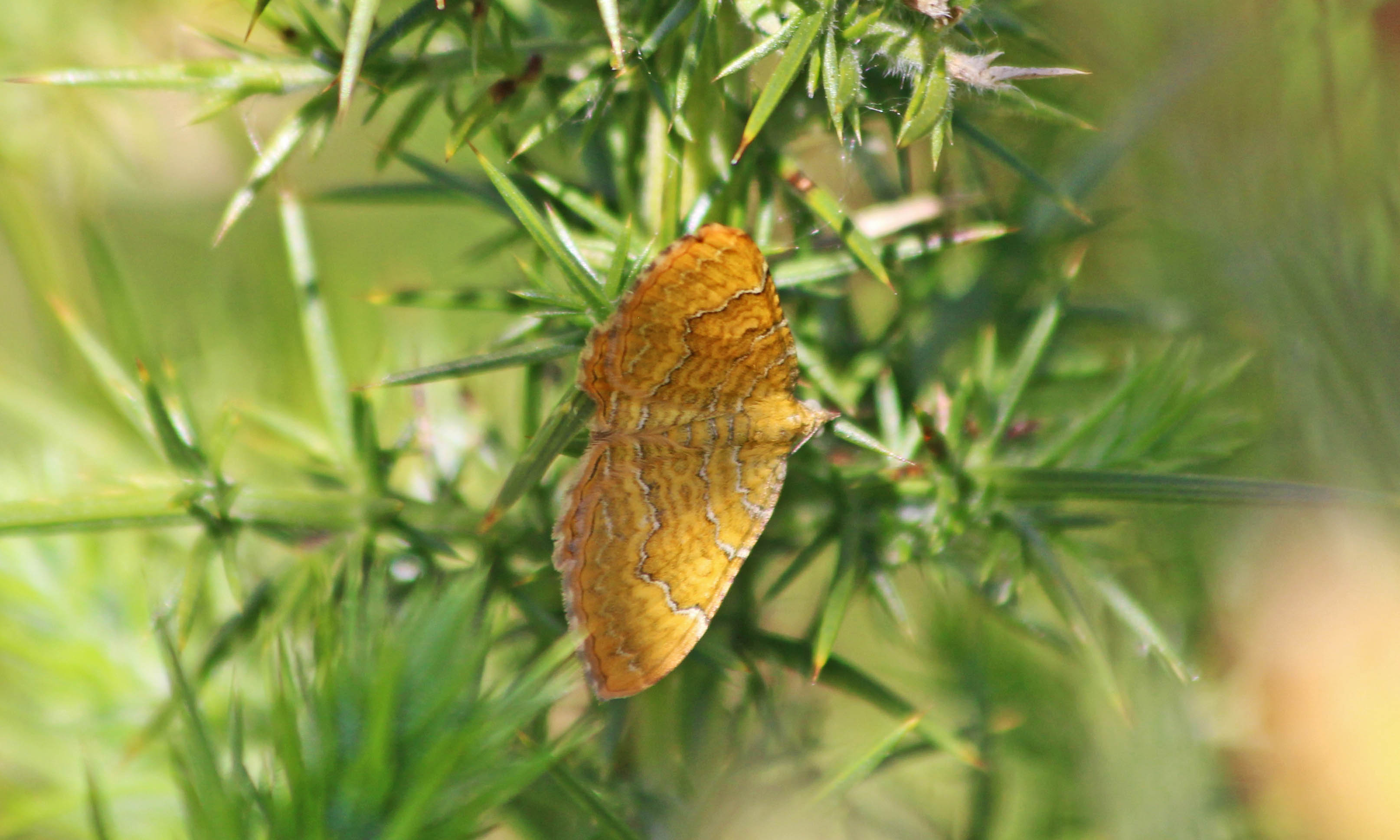
I’ve had two days recently when I went looking for butterflies and was feeling a little disappointed not to see very many when, all of a sudden, a moth flew by and landed at my feet … like Nature saying ‘Here’s a consolation prize!’ or, maybe, ‘Don’t be a Wally! Look at this amazing creature!’ … and so I did. And then another moth appeared, and another, and …

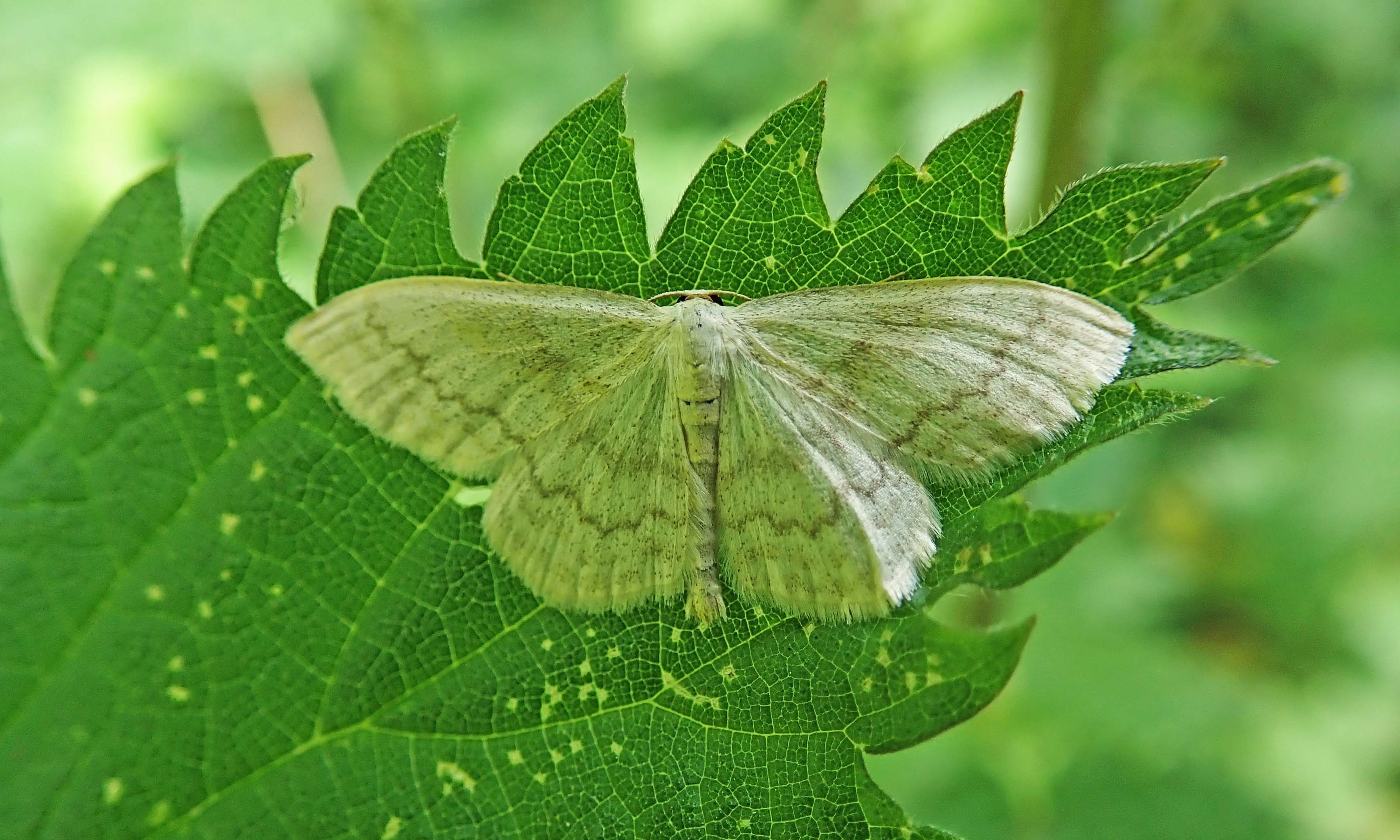
210607 Cream wave

Cream wave (Scopula floslactata)

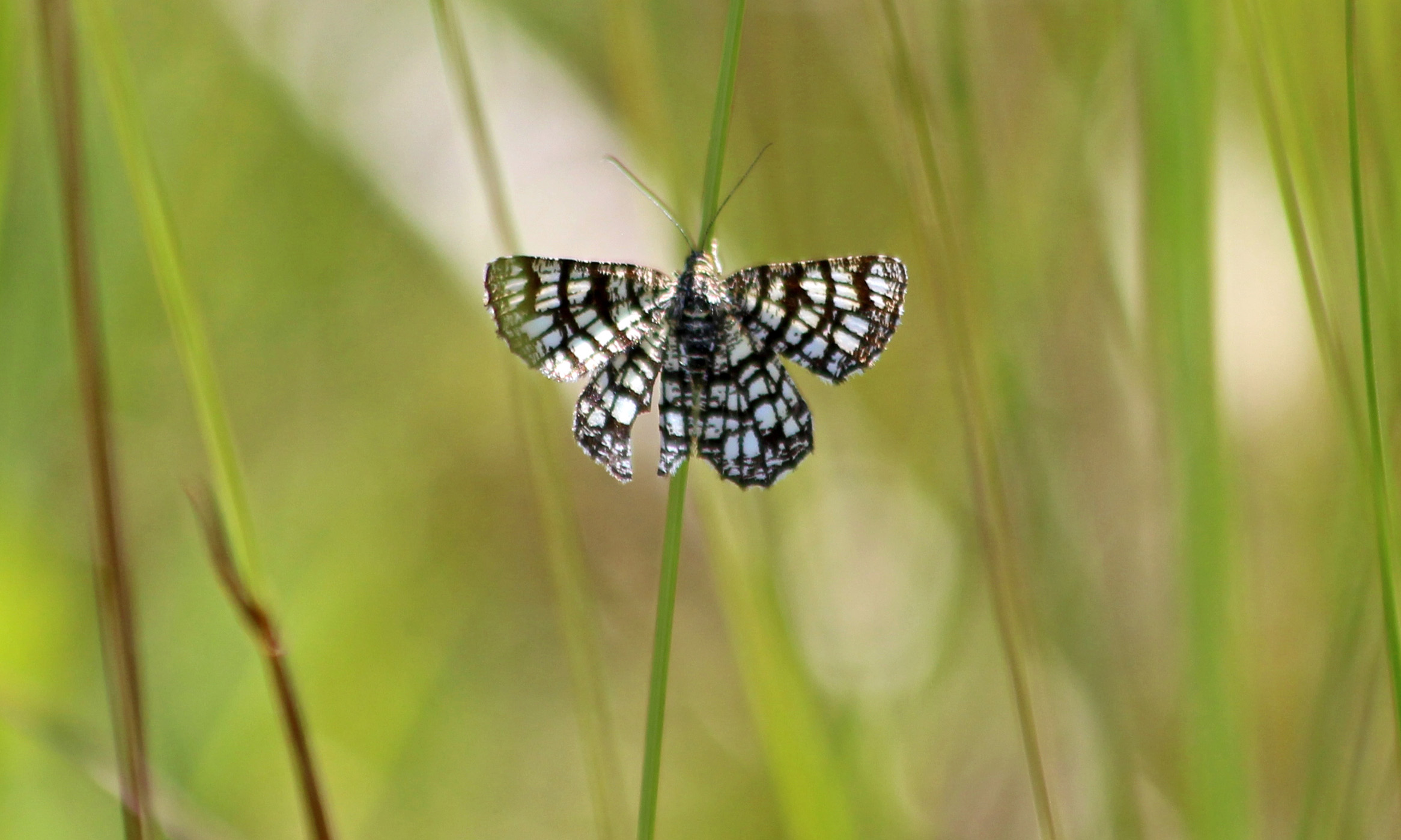
210607 latticed heath

Latticed heath (Chiasmia clathrata)

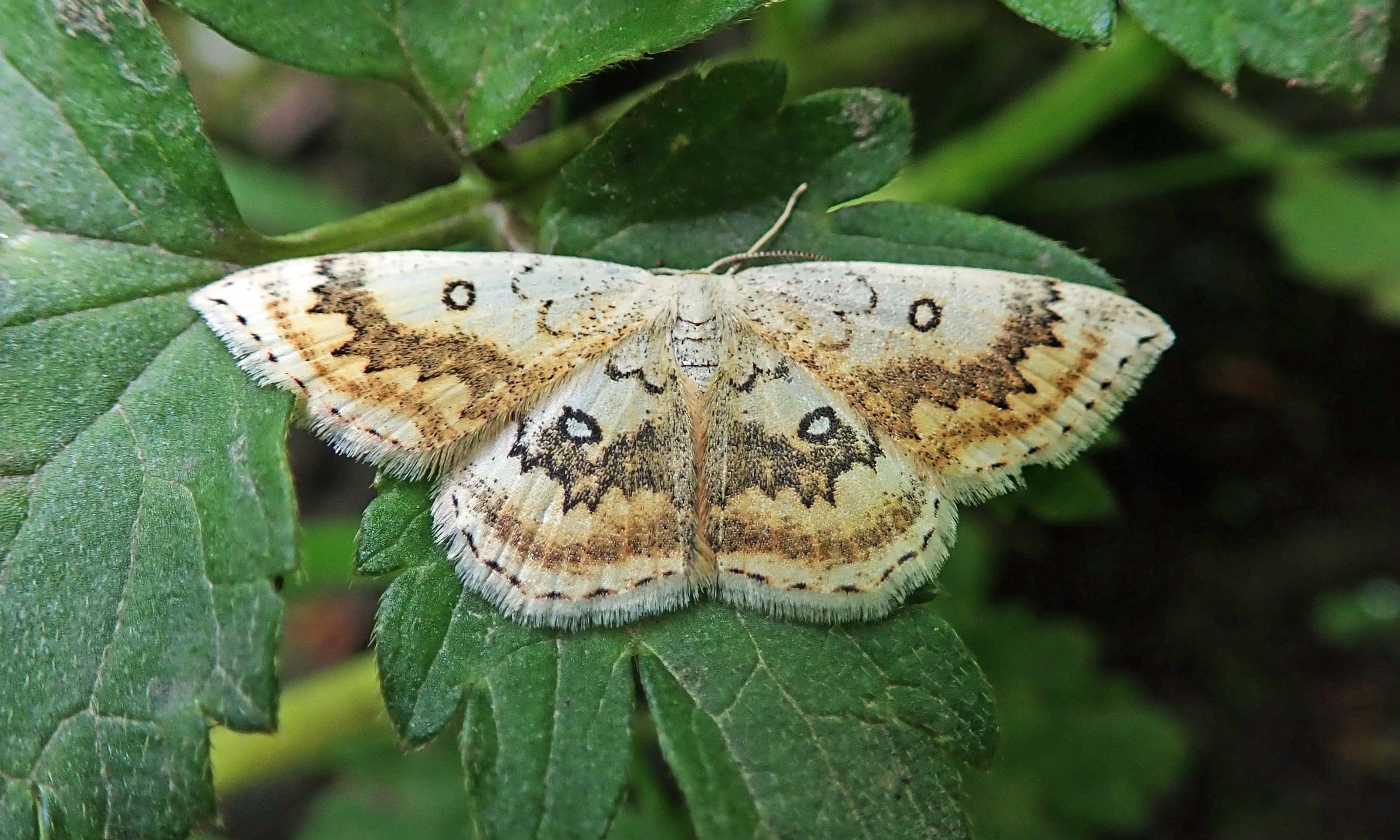
210607 Mocha

Mocha (Cyclophora annularia)

210607 silver y

Silver Y (Autographa gamma)

210607 yellow shell

Yellow shell (Camptogramma bilineata)

A fiesta of Bee orchids

Tags

, , , , , ,

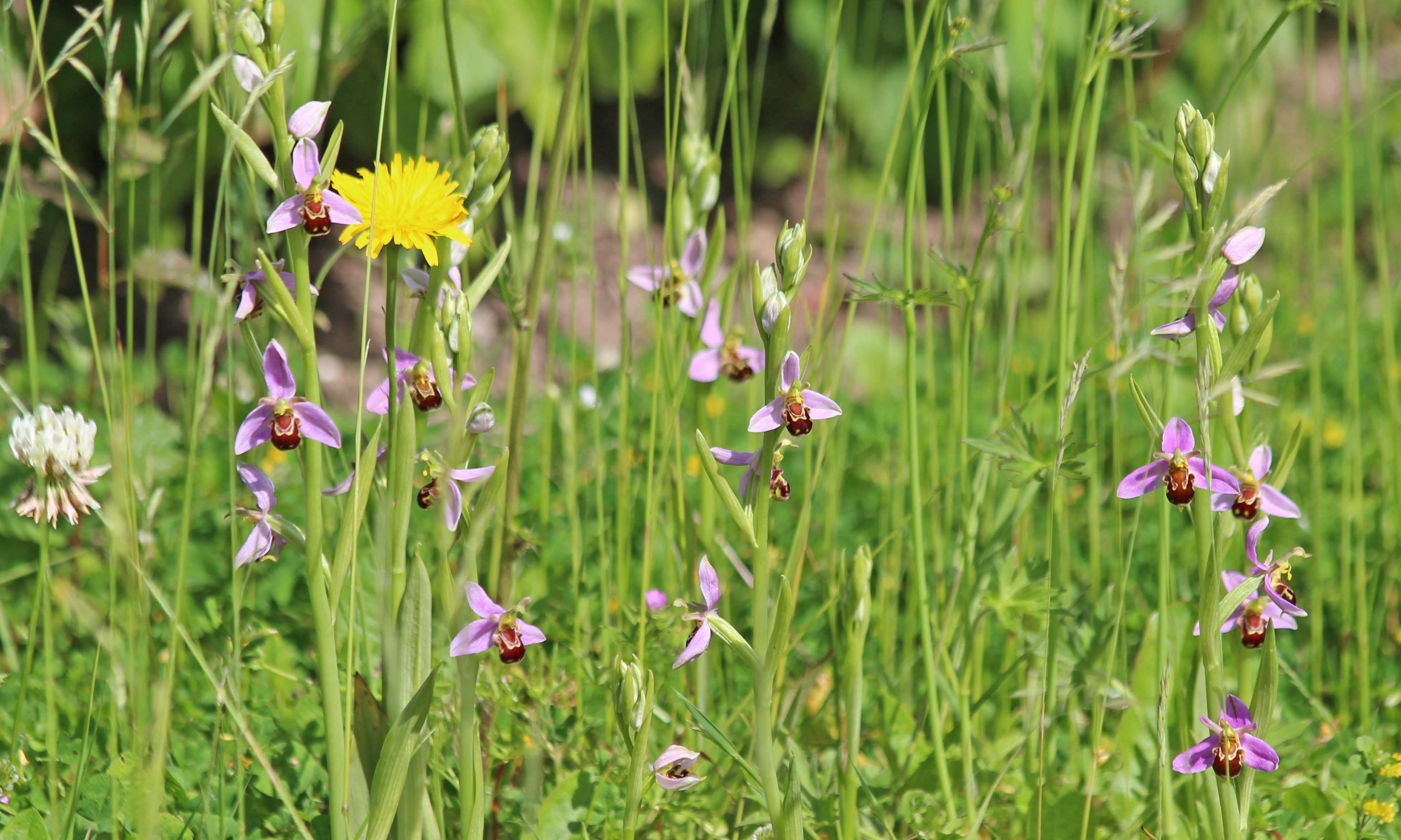
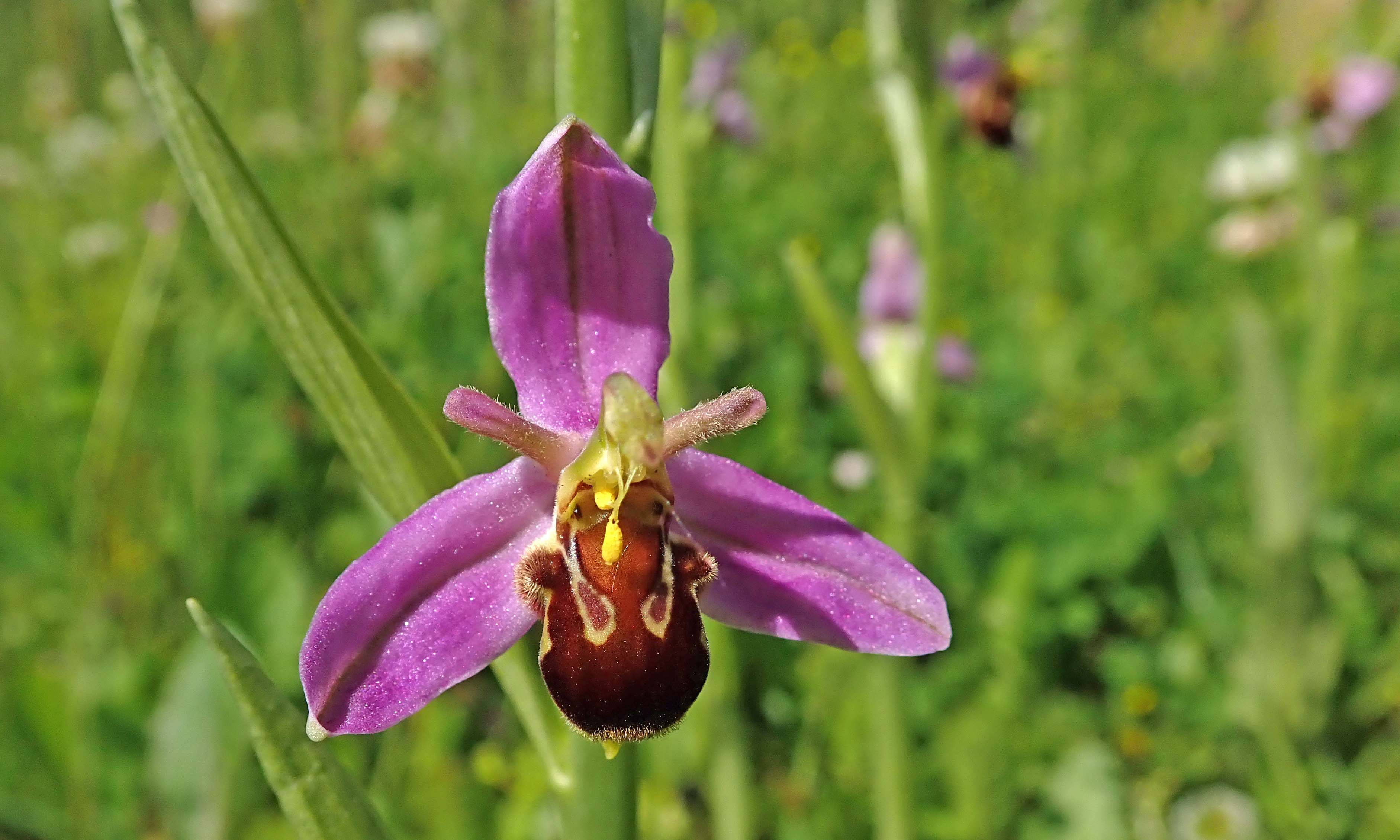
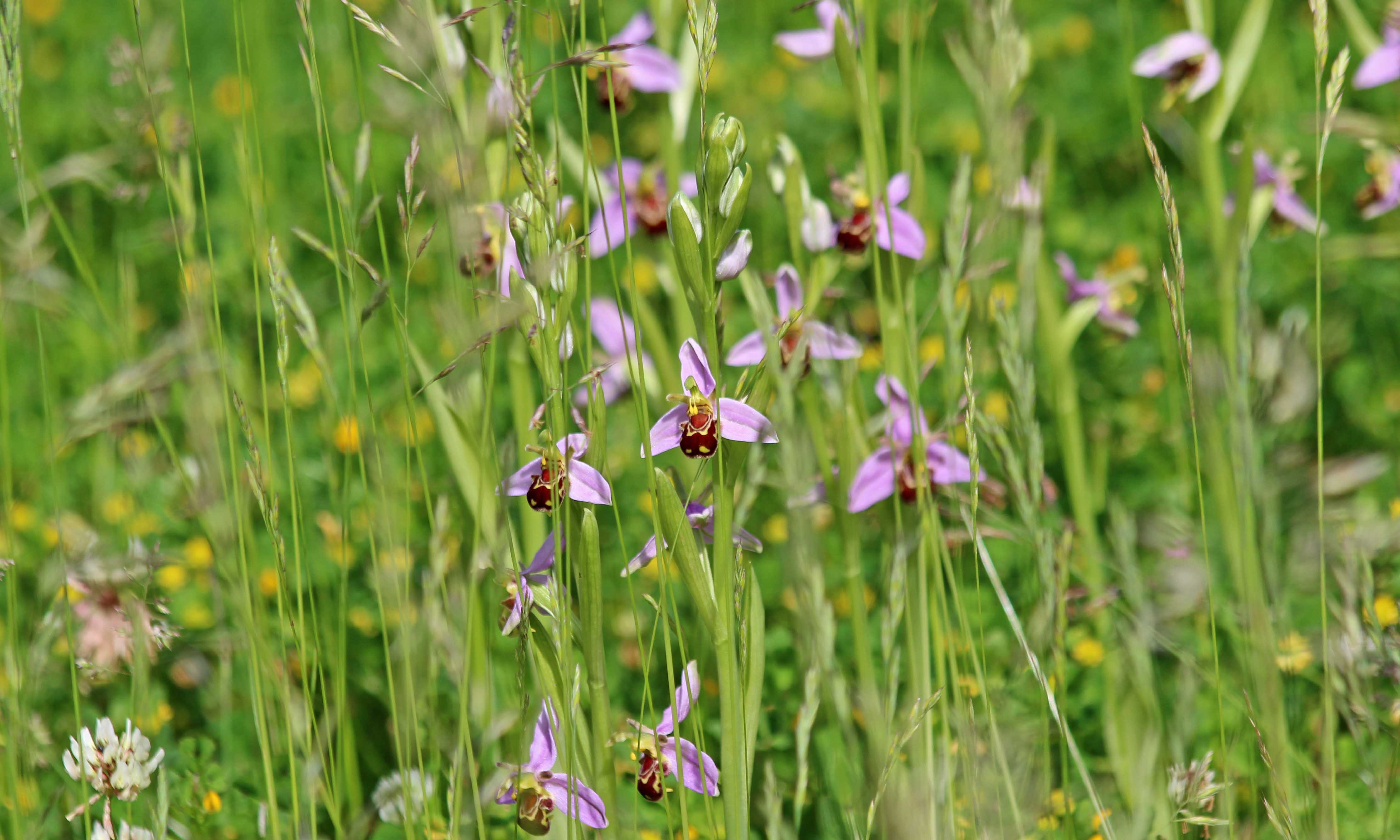
If you live in or around or anywhere near Cardiff and you like orchids, then get yourself down to Ferry Road in Cardiff Bay, because there is a Bee orchid fiesta happening right now, and probably for the next few weeks.

210606 bee orchids (1)

It’s completely free. All you have to do is walk along the pavement on the west side of the road adjacent to the Cardiff Bay Retail Centre and look at the verge, because the good folks who manage the Retail Centre agreed to stop mowing said verge this spring, and the result is an explosion of Bee orchids.

I kid you not! One of the council’s community rangers did a count yesterday and reckons there are over 800 spikes, many of which are not yet in bloom. It is seriously amazing, and just shows what botanic marvels are in our road verges if the councils and corporations would just let them grow.

210606 bee orchids (3)