154/366 Reed bed magic

Tags

, , , , ,

I was listening to a Reed warbler singing its magical song yesterday when, surprisingly, it popped up to the top of a stem to bellow even louder. And then another bird appeared in the reeds nearby, and then two more flew in, followed quickly by yet another. As I stayed motionless, this delightful family of two adults and three fledglings flitted around in the reeds, feeding, being fed, and singing.

200602 reed warbler

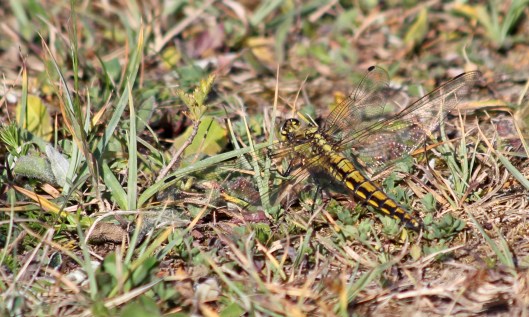
After watching, spellbound, for about 5 minutes, I was just about to walk on when in flew a female Reed bunting, her beak stuffed full of moth, no doubt a snack for her offspring hidden in a nest somewhere amongst the reeds. What a magical slice of life that reed bed contains!

200602 reed bunting

153/366 Skimming and resting

Tags

, , ,

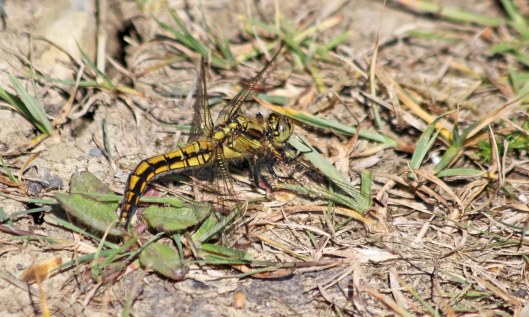
The Black-tailed skimmers are out and about again at Cosmeston Lakes Country Park, and I was delighted to spot both males and females during last Saturday’s exercise walk.

200601 black-tailed skimmer (1)

My guide book*, and most websites I’ve checked, say these dragonflies are ‘typically found resting on bare surfaces near water’, and, as its name implies, Cosmeston has two large lakes, as well as a dragonfly pond. But, perhaps surprisingly, I often find these dragonflies several hundred metres away from water, basking on the bare dirt of the tracks through the wildflower meadows.

200601 black-tailed skimmer (3)

The females and immature males are yellow and black, with what’s described as a ‘ladder’ pattern on their abdomens. One female I found this week had a twisted abdomen – perhaps she was damaged when transitioning from a larva to an adult. Luckily, she was still able to fly freely.

200601 black-tailed skimmer (2)

Mature male Black-tailed skimmers have a blue abdomen, which darkens to black at the end, hence the name of the species.

200601 black-tailed skimmer (4)

* I have the new edition of Europe’s Dragonflies by Dave Smallshire and Andy Swash – highly recommended, and I’m not just saying that because I got a complimentary copy in return for having one of my photos included in the book.

152/366 Pyramids and bees

Tags

, , , , , ,

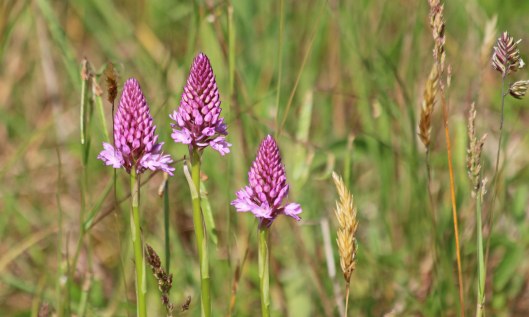
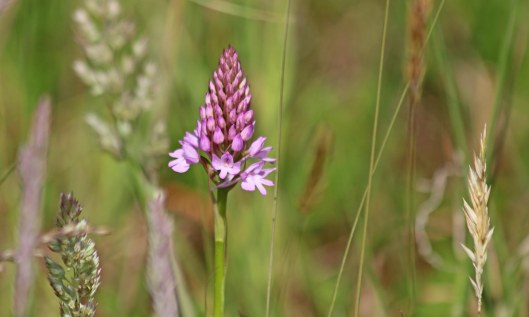
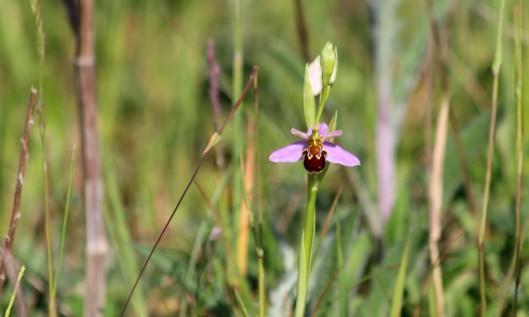
You might be wondering what pyramids and bees have in common. Well, in this case, they’re both orchids: the Pyramidal orchid (Anacamptis pyramidalis) and the Bee orchid (Ophrys apifera), and I was very pleasantly surprised to see rather a lot of them, especially the Bees, during my most recent walk around Grangemoor Park.

200531 pyramidal orchid (1)

With their classic triangular shape, Pyramidal orchids are easy to identify. They usually flower during June and July, and each flower spike can contain up to a hundred individual flowers. Interesting fact: the Pyramidal orchid is the county flower of the Isle of Wight.

200531 pyramidal orchid (2)200531 bee orchid (2)

Bee orchids are my favourite orchids. Their markings and furry texture may be intended to attract bumblebees (and the flowers also produce a female bee smell, apparently) but it’s their laughing ‘faces’ that enchant me and always make me smile. And the people of Bedfordshire made the perfect choice when they selected the Bee orchid as their county flower.

200531 bee orchid (1)

151/366 Cinnamon bug

Tags

, , , ,

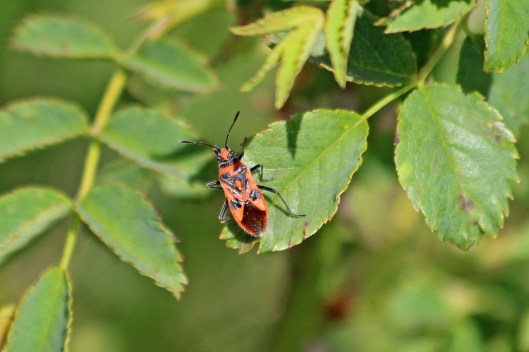
This is a new bug to me. I saw one in April (but only got a blurry photo) and then found another earlier this week. Meet the Cinnamon bug (Corizus hyoscyami), also known as the Black and red squash bug. Though bugs can be difficult to identify, this one has very distinctive markings so is easier than most. In times past, the Cinnamon bug was only found along the southern coasts of England but it is now spreading north, and west into Wales, obviously. You can read more about this colourful mini-beast on the British bugs website.

200529 Cinnamon bug

150/366 Short bobs and Black Jacks

Tags

, , , ,

When I saw this field of Ribwort plantain (Plantago lanceolata) nodding their flower heads in the gentle breeze, I had to make them my post for the day.

200529 ribwort plantain (1)

My Flora Britannica lists several common names for this plant, including Fighting cocks, Short bobs, Soldiers and sailors, and Black Jacks, which all come from the fact that the plant is apparently used for children’s games. This is not something I had heard of but it seems one variation of the game is similar to conkers, where kids try to knock off each other’s flower heads.

Though the gardeners amongst you may regard this as a pesky garden weed, I think it’s an attractive plant. Its flowers provide sustenance for insects like butterflies, moths and hoverflies and, if its seed heads are not chopped off, they provide food for seed-eating birds like Goldfinches. Interestingly, though, the Plantlife website says ‘ribwort plantain is surprisingly unpopular with slugs and snails [as] they find the leaves unpalatable.’

149/366 My favourite butterfly

Tags

, , , ,

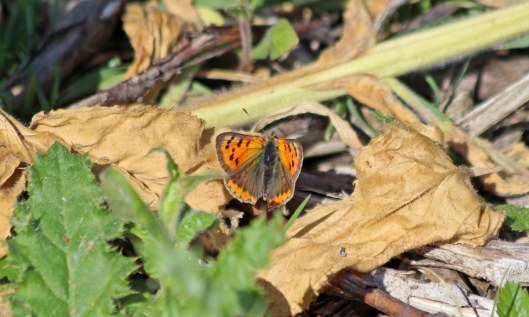
The highlight of yesterday’s walk to Lavernock Nature Reserve was seeing this little beauty, my first Small copper of the year.

200528 small copper (1)

They’re tiny butterflies but they punch well above their weight, fearlessly challenging any other butterflies that stray too close to their territory, as this one did today with a male Common blue.

200528 small copper (2)

This Small copper was in pristine condition so, presumably, had very recently emerged. The vibrancy and intensity of its copper colour was simply stunning.

200528 small copper (3)

148/366 Tiny surprises

Tags

, , , , , ,

When you’re bright red, it’s hard to hide in the grass but it was still a nice surprise to spot this lovely Cardinal beetle, and it didn’t seem to mind me picking it up for a closer look.

200527 cardinal beetle

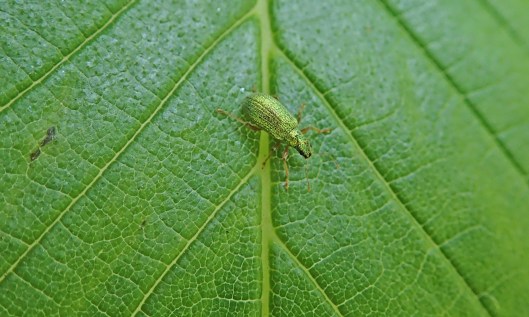
I was looking for the pupa cases of moths on a Wych elm when I spotted this weevil. It looked to me like a Nettle weevil, so it was a bit of a surprise to find it up in a tree.

200527 weevil

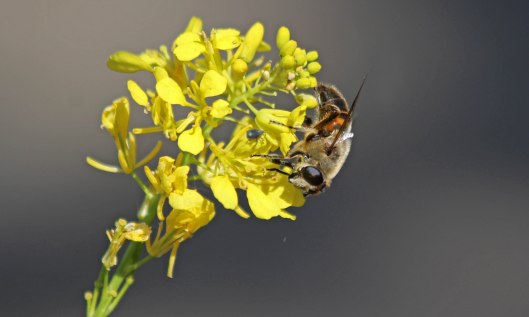
Speaking of weevils … As my eyesight is not very good, I sometimes don’t notice very small creatures, and this is a case in point. I had spotted the hoverfly, Eristalis nemorum, so took a few photos of that and didn’t spot the teeny weeny weevil until I looked at the photos on my laptop when I got home.

200527 eristalis nemorum

And the same is also true of the smaller bug in this wild rose. I saw the Swollen-thighed beetle, on the right, but not the other creature, until later. I love these little surprises from Mother Nature.

200527 wild rose and insects

147/366 Disappearing in plain sight

Tags

, ,

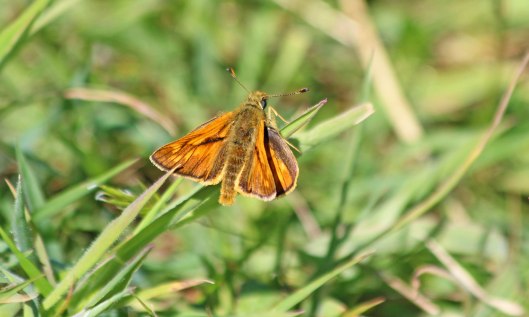
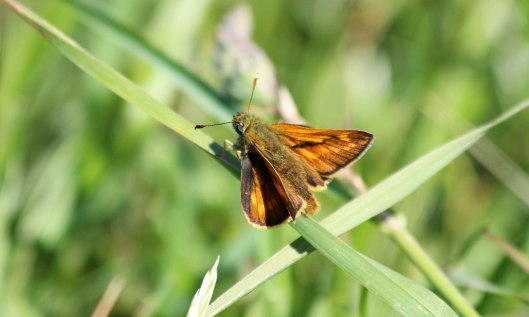
I have a new favourite field, only discovered in recent months while I’ve been exploring new, less crowded, local footpaths for my exercise walks, and it’s exciting discovering, as the season progresses, what is living in this field. As I emerged from woodland into the field yesterday, a little burst of orange flashed across in front of my feet, and I knew immediately this was my first Large skipper of the year.

200526 large skipper (1)

Despite their bright colouring, I find skippers are very good at disappearing in plain sight, so I took a couple of steps back, got my camera ready and waited. Less than 60 seconds had passed before the skipper bounced up from the long grass where it had been resting and flitted down on to the path again.

200526 large skipper (2)

A second male then entered the territory of the first and they spiralled up into the air briefly, before separating and returning to their own patches, spat over.

200526 large skipper (3)

I lingered a while to watch both butterflies, flying, perching, feeding, before I continued my walk. And to my delight, I found yet another male further along the track, so I assume ‘my’ field is home to a small but healthy colony of Large skippers. I’m already looking forward to seeing them again when next I walk that way.

146/366 Deceased

Tags

, ,

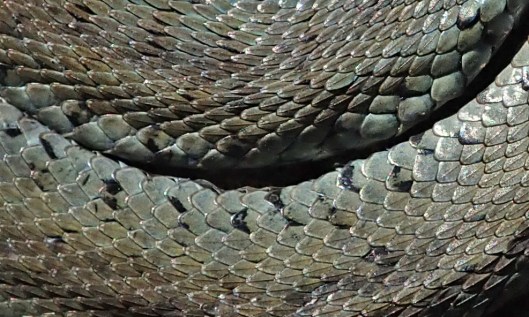
I’ve seen a few Grass snakes before but only when I’ve been on organised reptile rambles so I wasn’t entirely sure whether this quite small, sadly deceased creature was a Grass snake or a Slow worm. My Twitter pals quickly confirmed it was indeed a snake.

200525 grass snake (1)

I found it in a local lane during this morning’s walk. It must have been basking in the sun when it was run over by a passing vehicle. Isn’t its skin amazing?

200525 grass snake (2)

145/366 Common spotteds

Tags

, , ,

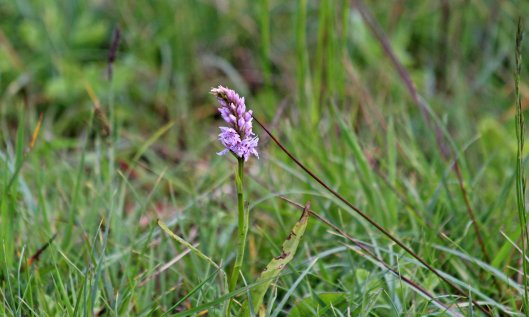
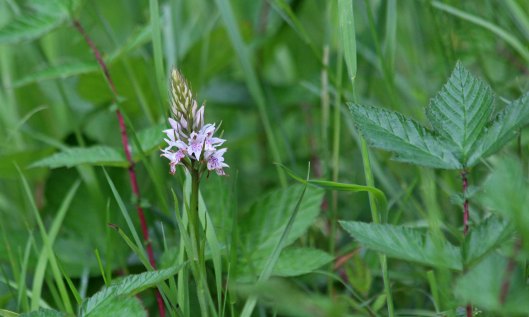
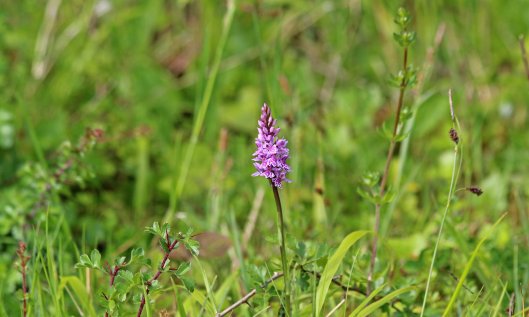
The occasional smatterings of rain we’ve had in the last few days have eased, ever so slightly, the drought conditions hereabouts, and the flush of new growth that was evident during this morning’s early walk through the fields at Cosmeston included my first Common spotted orchids of the year. Superb!

200524 common spotted orchid (1)200524 common spotted orchid (2)200524 common spotted orchid (3)200524 common spotted orchid (4)