Wild word: viviparity

Tags

, , , , ,

Viviparity: noun; (of seeds) germinating before separating from the parent plant (from the Latin words vīvus, meaning alive, and parere, meaning to bring forth) (the adjective is viviparous), (Collins Concise Dictionary).

240103 viviparity

I’d seen a couple of photographic examples of viviparity on Twitter but had never seen this myself until a walk at Cosmeston Lakes Country Park on 28 December. The tiny green shoots on this Teasel are its own seeds which, for some reason, have not been released from the seed head and have now begun to sprout.

The birding begins

Tags

, , , , , ,

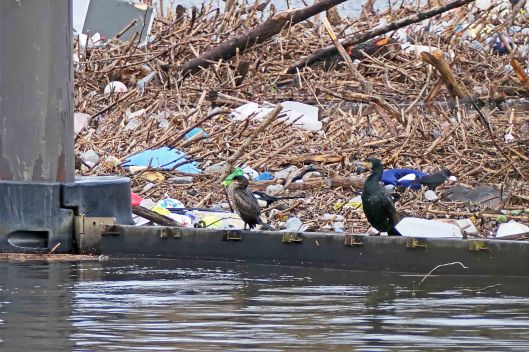
This was originally going to be yesterday’s blog post but that Otter intervened. As I mentioned yesterday, my New Year’s Day walk around Cardiff Bay is becoming a personal tradition, as I challenge myself to see how many birds I can find. There was also one particular bird that’s a local rarity that I wanted to see, so let’s start with that. This juvenile Shag (on the left) has been present on the River Taff for a few days, hanging out with the local Cormorants (one on the right of the Shag). Fortunately, it seems quite settled and, presumably, is feeding well, despite the huge amount of detritus that has been flowing down the river following all the recent rain (as you can see behind the birds).
240102 shag

Another star bird, of the 48 species I counted during my walk, was a male Black redstart. I blogged about these now-regular Bay visitors last year (And then there were two, 18 November) but they are still special enough to get a mention. And, in recent weeks, there have, at various times, been two males and two females in their favourite area around the BBC buildings.

240102 black redstarts

This female Goldeneye was another beauty that we don’t often see in the Bay so I was grateful to one of my fellow local birders who put out the word of its presence on the water behind the ice rink. I was so lucky with my first birding walk of the year, and I’m very much looking forward to how 2024 develops, though the almost constant rain needs to stop first!


240102 goldeneye

Otter!!!

Tags

, , ,

I’ve had the most unexpectedly marvellous start to 2024. Although I knew that two Otters had been spotted at various places around Cardiff Bay over the past year and had seen photographs other people had taken, I had never been lucky enough to spot one … until this morning. I had just begun my circuit of the Bay, now an annual New Year’s Day walk to see how many birds I can find, when I noticed a flock of gulls circling low over one particular area of the River Ely where it flows into the Bay. As I got closer, I was still watching them, wondering what had disturbed them, when I heard a loud plop from the water below the path where I was walking. An Otter – my first ever, and what a magnificent sight it was!

240101 otter

If I’d noticed it was there earlier, I might have been able to hide my presence a little, to have watched it for longer and got better photos, but it clocked me straight away and veered across to the other side of the river, disappearing amongst the yachts moored there. Still, I was buzzing all the way around the Bay and I’m still grinning madly as I write this. I hope your new year has also got off to a great start.

Z is for Zebra mussel

Tags

, , , , , ,

Despite there being ‘ between 10 and 35 million of them covering every hard surface’ in the waters of Cardiff Bay, I’d never heard of the Zebra mussel (Dreissena polymorpha) until I posted a photo on Twitter back in March, asking what this Coot was eating (The Coot and the Zebra mussels, 11 March). Since then, I’ve noticed Coots eating these mussels on a regular basis but, even with the hundreds of Coots in Cardiff Bay, I doubt they’ll make much of a dent on those Zebra mussel numbers.

231231 zebra mussel and coot

Y is for Yellow wagtail

Tags

, , , , ,

The absolute highlight of autumn migration this year was an influx of Yellow wagtails at Cosmeston (Yellow wags, 7 September). By sheer co-incidence, their passage coincided perfectly with the grass in one of the outer fields being cut for hay, which created the perfect habitat for these insect-eating wagtails. The presence of a few attracted more birds as they passed through so that there were more than 30 birds present at one stage, a record for the park according to long-time-birding locals. It was an absolute delight to watching them hopping through the clumps of cut grass, searching for the food that would help fuel their onward journey, and they only moved on when, after a week’s drying, the hay was baled.

231230 yellow wagtail

X is for x-rated

Tags

, , , , , , ,

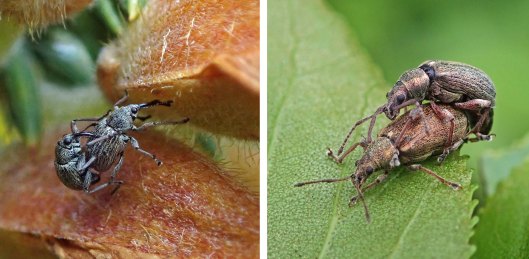
This is how they do it (*wink*) …

Common blue butterflies (Polyommatus icarus)

Two weevil species: left, Gorse weevils (Exapion ulicis) and, right, a very handsome pair that I haven’t yet identified.

Azure damselflies (Coenagrion puella)

Two species of craneflies: top, Nephrotoma appendiculata, and, below, a new species for me, Tipula vernalis.

W is for wildflowers

Tags

, ,

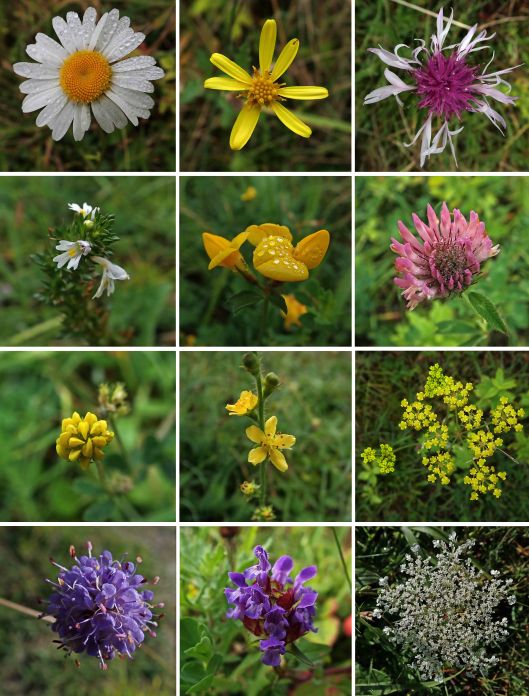
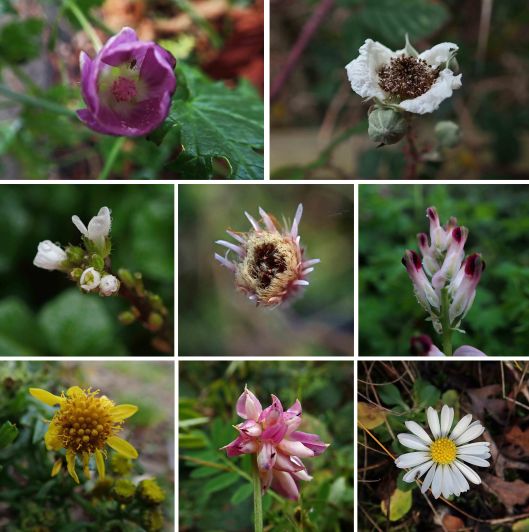
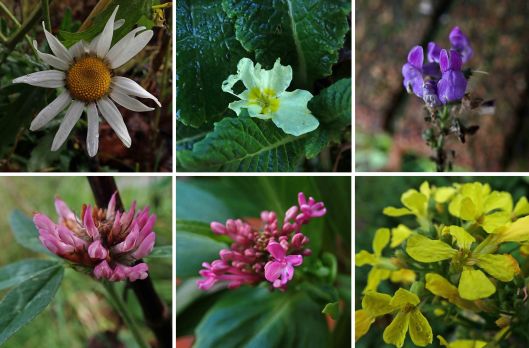
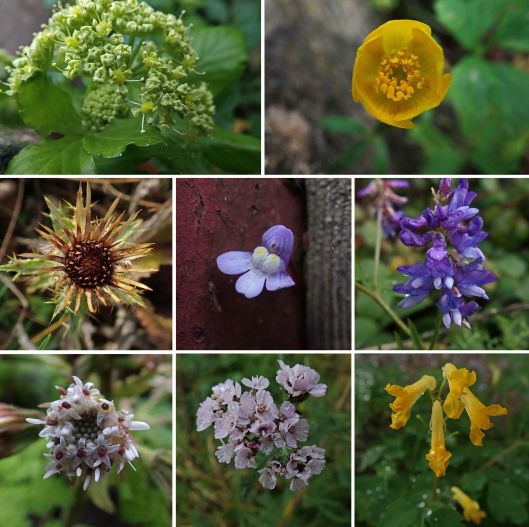
Wildflowers: they brighten dull, grey and rainy days; they encourage me to expand my botanical knowledge, which is much needed; they provide a reason to get out of the house when I’m feeling lazy; they cheer me when the world feels sad, bad and mad. As the year draws to a close, I thought I’d share some wildflower collages from throughout the year, to brighten your winter day (at least, for those of you in the northern hemisphere) and also to encourage you to take part in this year’s New Year Plant Hunt, which is running from 30 December 2023 to 4 January 2024 (details on the Botanical Society of Britain & Ireland website). This first image is from 8 January.

231228 wildflowers 230108

This second assembly, in the form of a video slideshow, contains the flowers I found during the week ending 26 February, an end-of-winter selection.

Next up, in 3 images, are the many flowers found on 24 September, an early autumn abundance of colour.

231228 wildflowers 230924 (1)231228 wildflowers 230924 (2)231228 wildflowers 230924 (3)

And this final series is very recent – these are the flowers I found during my meanderings for the week ending 17 December, an amazing and most unexpected 31 species. They certainly brightened up the short grey days!

231228 wildflowers x31 (1)231228 wildflowers x31 (2)231228 wildflowers x31 (3)231228 wildflowers x31 (4)

V is for vole

Tags

, ,

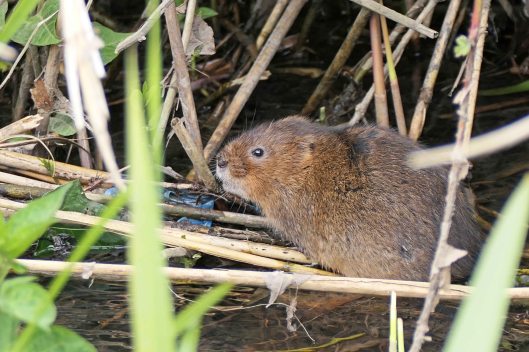
Water vole, that is. The only actual Voles I see these days are dead or about to be eaten by birds of prey.

231227 water vole

I’ve blogged about one Water vole sighting this year (A Water vole does lunch, 25 January) but I have actually seen these cute furry bundles on a couple of other occasions, including the one shown in this image from 5 April, when Ratty was inquisitively exploring the reeds along the side of a local brook looking for something succulent to eat.

T is for terrapin

Tags

, , ,

I’ve only blogged once about the invasive terrapin species that have successfully colonised Britain’s waterways and lakes and that post was about the Red-eared terrapin (Trachemys scripta elegans), in August 2017 (Invasive American Red-eared terrapins).

231225 terrapin yellow-bellied (2)

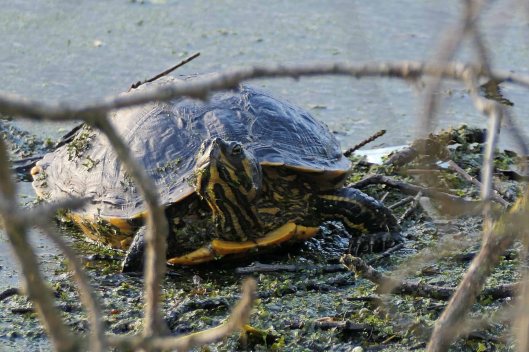
The other invasive species to be found locally is the Yellow-bellied terrapin (Trachemys scripta scripta), which lacks the distinctive red stripe on each side of its head that gives the Red-eared terrapin its name. I had my closest encounter to date with a Yellow-bellied in early November when I spotted this beast very close to the edge of Cardiff’s Roath Lake. Both species can be seen at Roath Lake, in the lakes at Cosmeston Lakes Country Park, on the banks of the River Taff and, no doubt, in other nearby locations.

231225 terrapin yellow-bellied (1)