• ABOUT
  • BIRDING 2018
  • Birding 2019
  • BLOG POSTS
  • Butterflies 2018
  • Resources

earthstar

~ a celebration of nature

earthstar

Tag Archives: Lavernock Nature Reserve

Lesser emperor

30 Tuesday Sep 2025

Posted by sconzani in insects

≈ Leave a comment

Tags

Anax parthenope, British dragonflies, dragonfly, Lavernock Nature Reserve, Lesser emperor, migrant dragonflies, Odonata

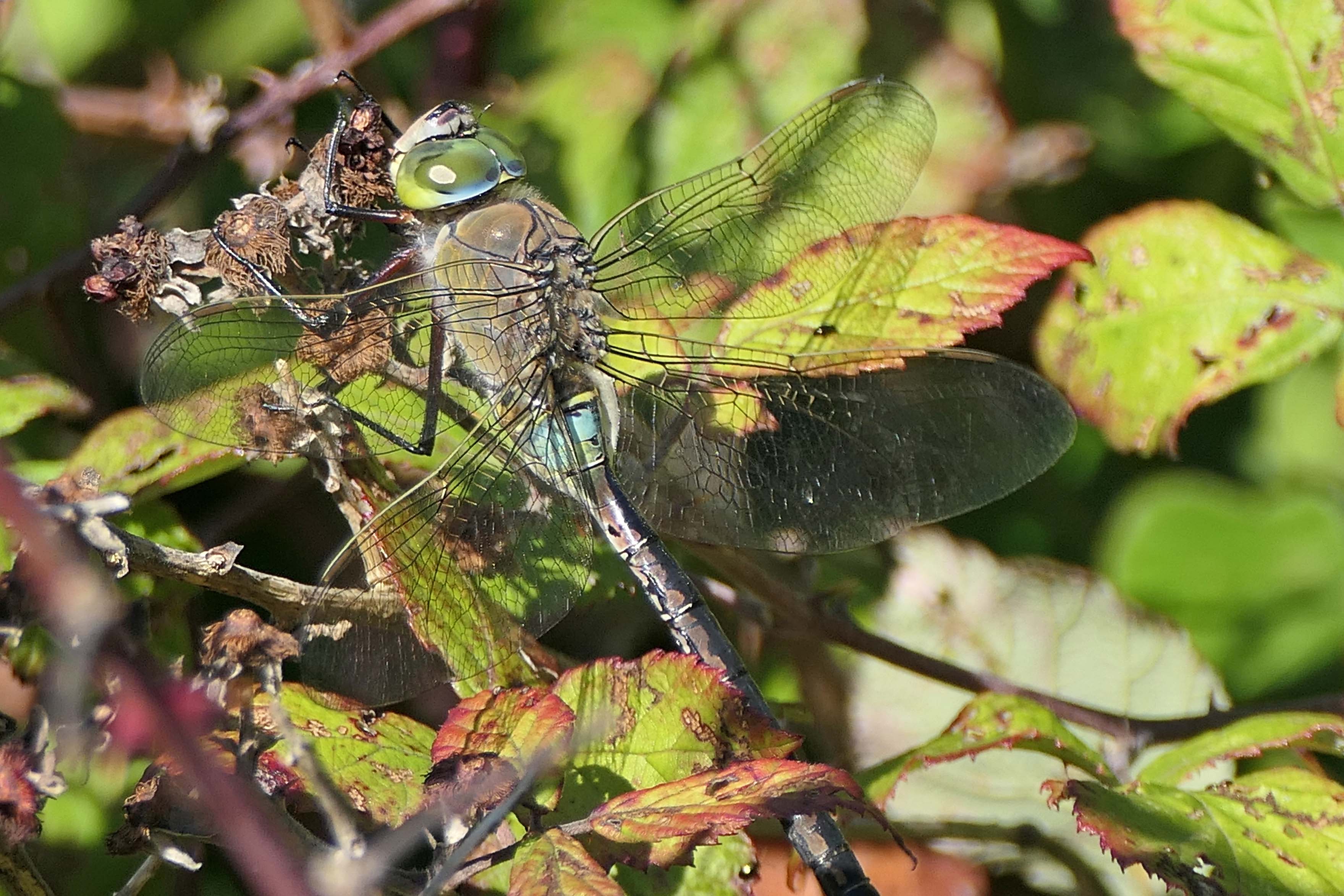
Last Tuesday, though I didn’t realise it until later in the day, I finally saw a stationary Lesser emperor dragonfly (Anax parthenope). My previous encounters with this dragon have been when I’ve seen one, usually fleetingly and at distance, hawking over a body of water. These stunning (ha!) flight shots of the Lesser emperor were taken at Cosmeston’s west lake on 16 August 2023 and looking over the River Ely at Grangemoor Park on 25 July 2025, where I only just managed to catch the dragon before it exited, frame right.
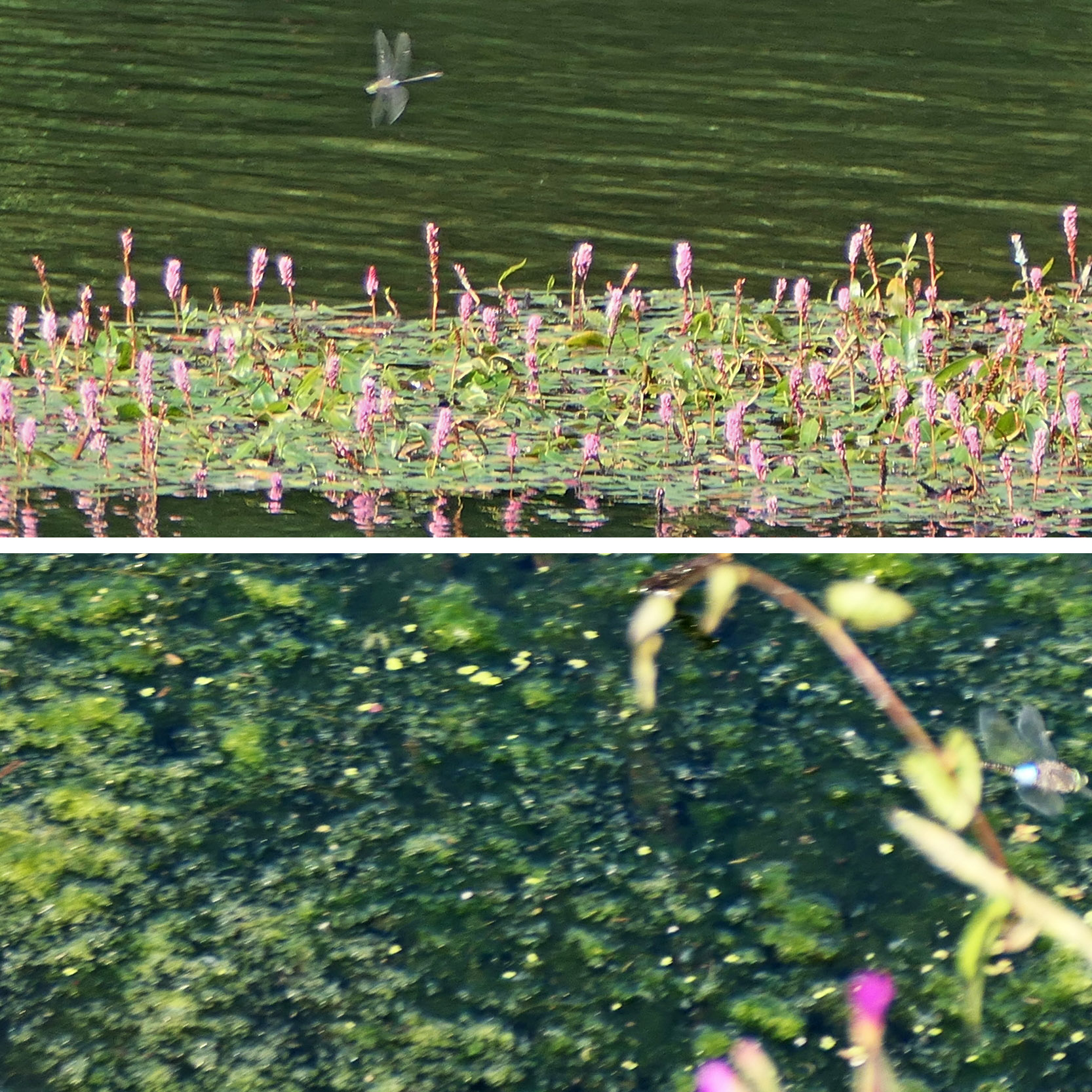
The British Dragonfly Society website reports that this dragonfly was first reported in the UK, in Gloucestershire, in 1996, and first recorded breeding in Cornwall in 1999. I don’t know whether the specimens we see here in south Wales are dragons that have bred here or migrants but I suspect the Lesser emperor I saw last Tuesday was a migrant as I found it at Lavernock Nature Reserve, just a few metres from the sea cliff edge. And, though there is a pond at Lavernock, it routinely dries up during the summer – and certainly did in this year’s drought, so the dragonfly is unlikely to have bred at the reserve.
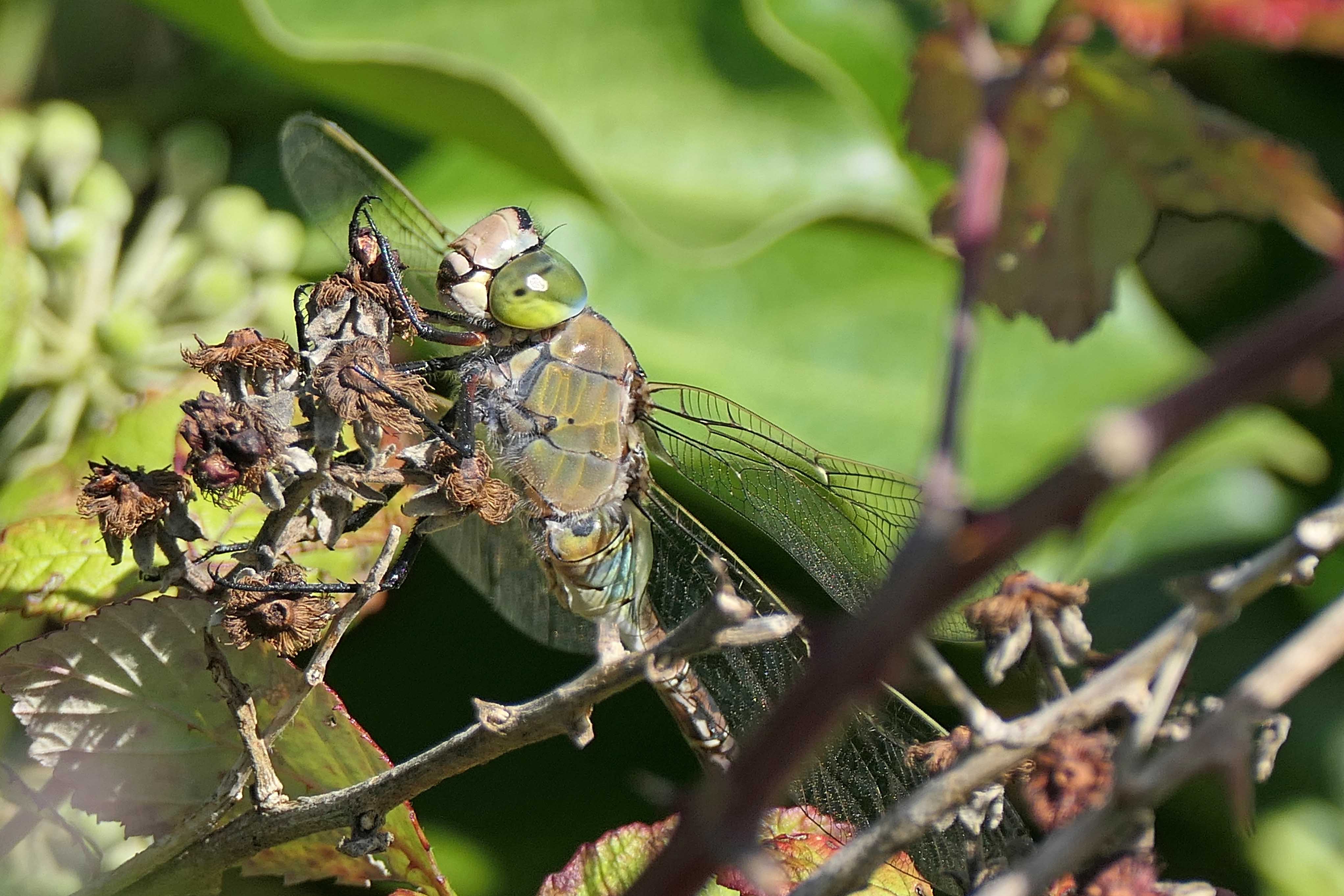
As I admitted in my opening sentence, I didn’t initially recognise this dragon. ‘It’s just another Migrant hawker’, I thought to myself, and, as it was perched in some scrub and partially obscured by the vegetation, it was difficult to see and photograph. Now, I’m just glad I did take photos or I’d never have realised what I’d seen, nor been able to prove it.
Like Loading...

Blooming Spurge-laurel

09 Sunday Mar 2025

Posted by sconzani in flowers, plants, wildflowers

≈ Leave a comment

Tags

British flora, Daphne laureola, Lavernock Nature Reserve, native Daphne, Spurge-laurel

The highlight of my first visit of the year to Lavernock Nature Reserve was seeing, and smelling, the Spurge-laurel (Daphne laureola) in bloom.

This beautiful plant is one of only two Daphnes that are native to Britain; the other is Mezereon (Daphne mezereum), a plant I’ve never seen and which has only been recorded once in the wider Cardiff area, and that was 25 years ago.

Though its flowers are lovely and emit a scent like honey, they are quite understated, and it is the glossy evergreen of this shrub’s fleshy leaves that make Spurge-laurel stand out.

Like Loading...

Frog spawn, at last

06 Thursday Mar 2025

Posted by sconzani in amphibian

≈ Leave a comment

Tags

Common frog, first frog spawn, frog spawn, Lavernock Nature Reserve

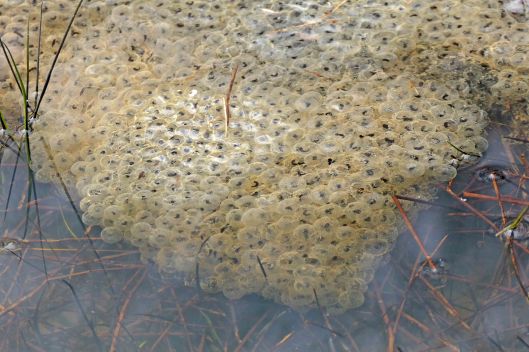
When I bumped in to a fellow birder / amateur naturalist at Cosmeston Lakes Country Park ten days ago, we were both wondering why there was no frog or toad spawn in the dipping pond, where it’s usually a regular occurrence. Yesterday, after another chance meeting with some fellow nature enthusiasts, I learned the reasons for the absence: they had witnessed a woman and her daughter scooping up as much as possible to take home – an act both selfish and illegal in a public park; and they’d also seen a man throw a ball in to the pond for his dog to fetch, another incredibly selfish and stupid act. Sometimes I despair of people, their selfishness and their ignorance of the natural world around them.

So, you can probably imagine my delight today when I spotted this large clump of frog spawn at a local nature reserve, though, sadly, many dog owners also allow their dogs to splash about in this pond so I’m not sure how long these tadpoles-in-the-making will endure. I’ll be checking back again soon.

Like Loading...

Magical Marsh fritillaries

23 Thursday May 2024

Posted by sconzani in insects

≈ Leave a comment

Tags

British butterflies, butterfly, fritillaries, Lavernock Nature Reserve, Marsh fritillary

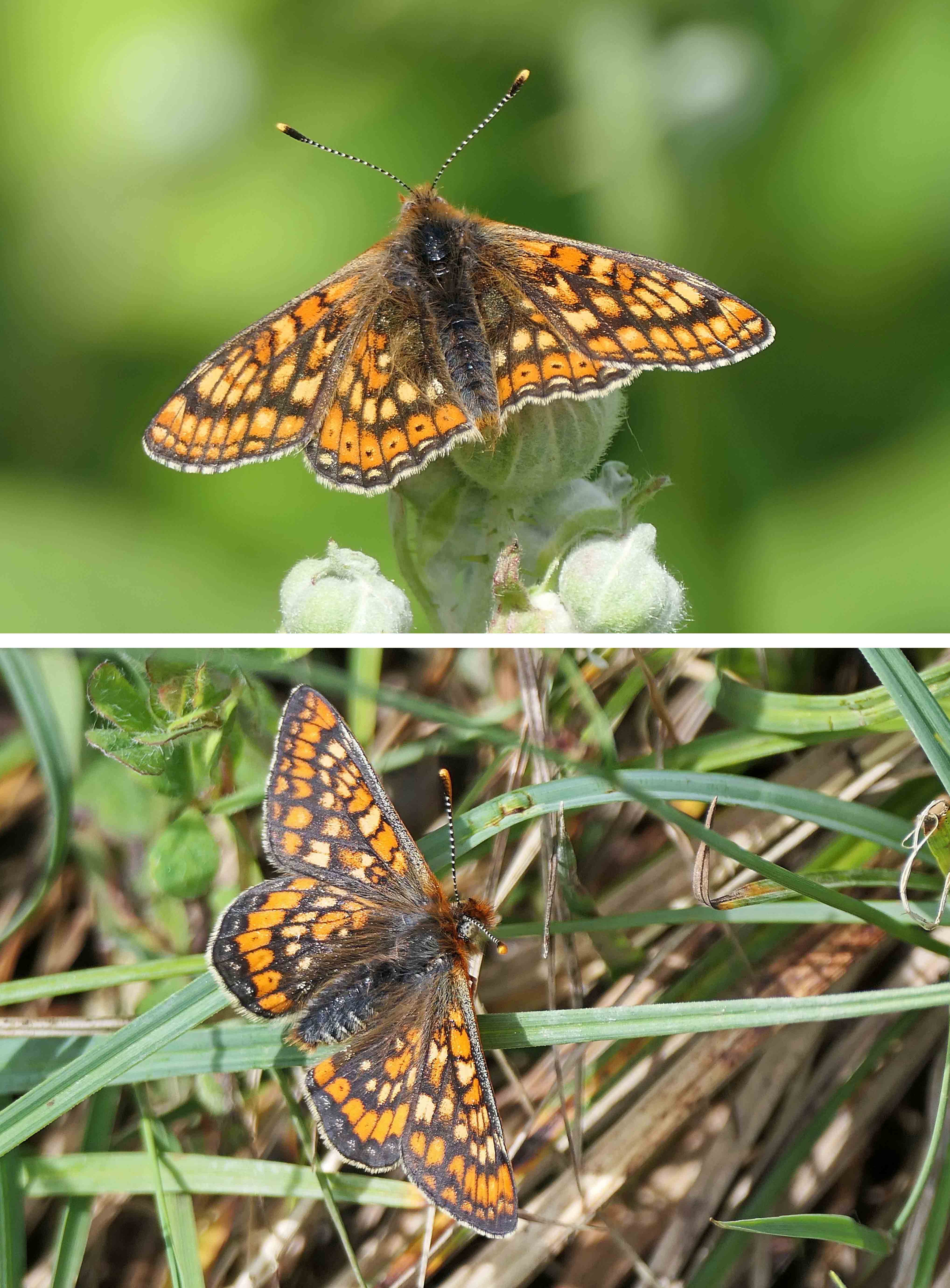
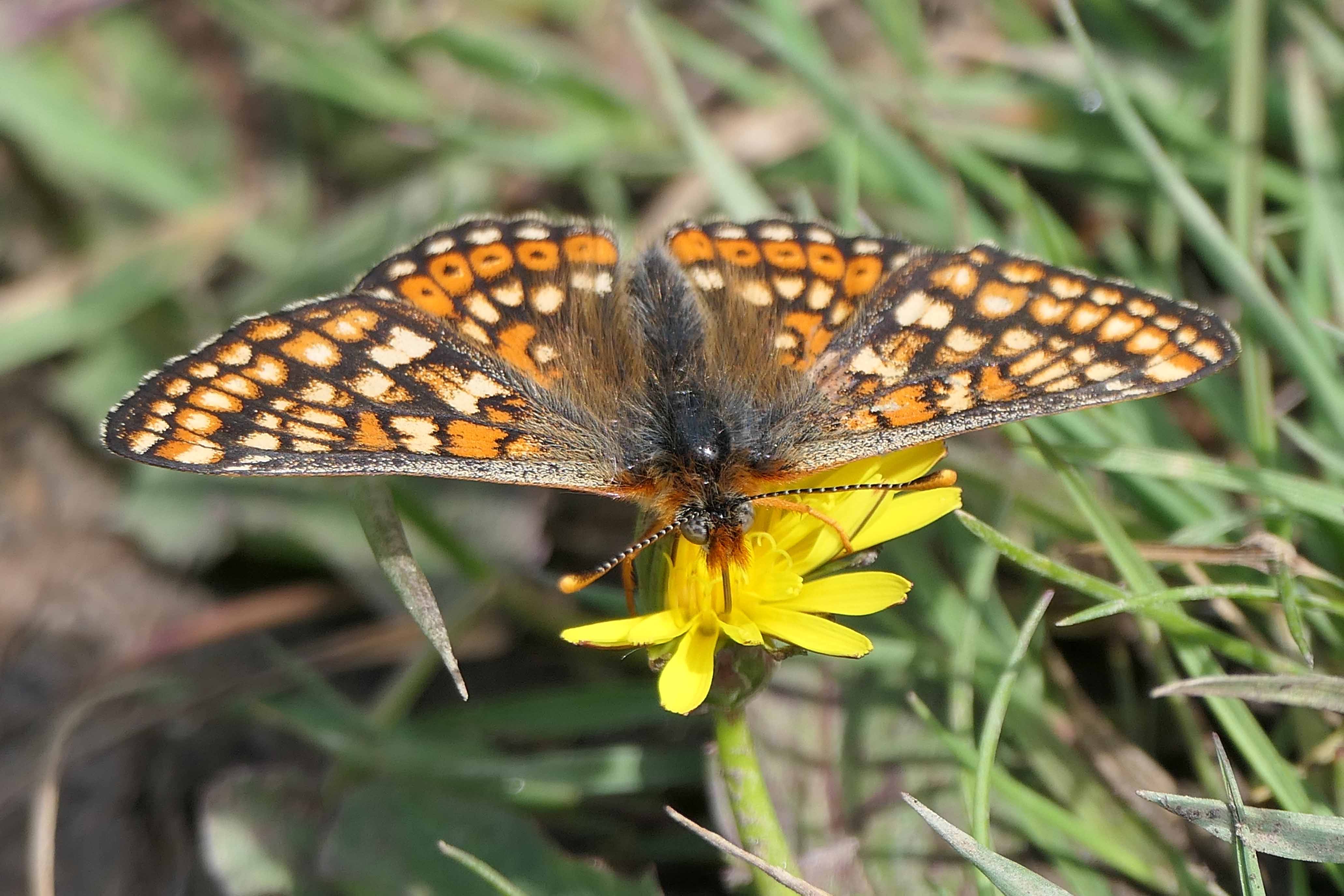
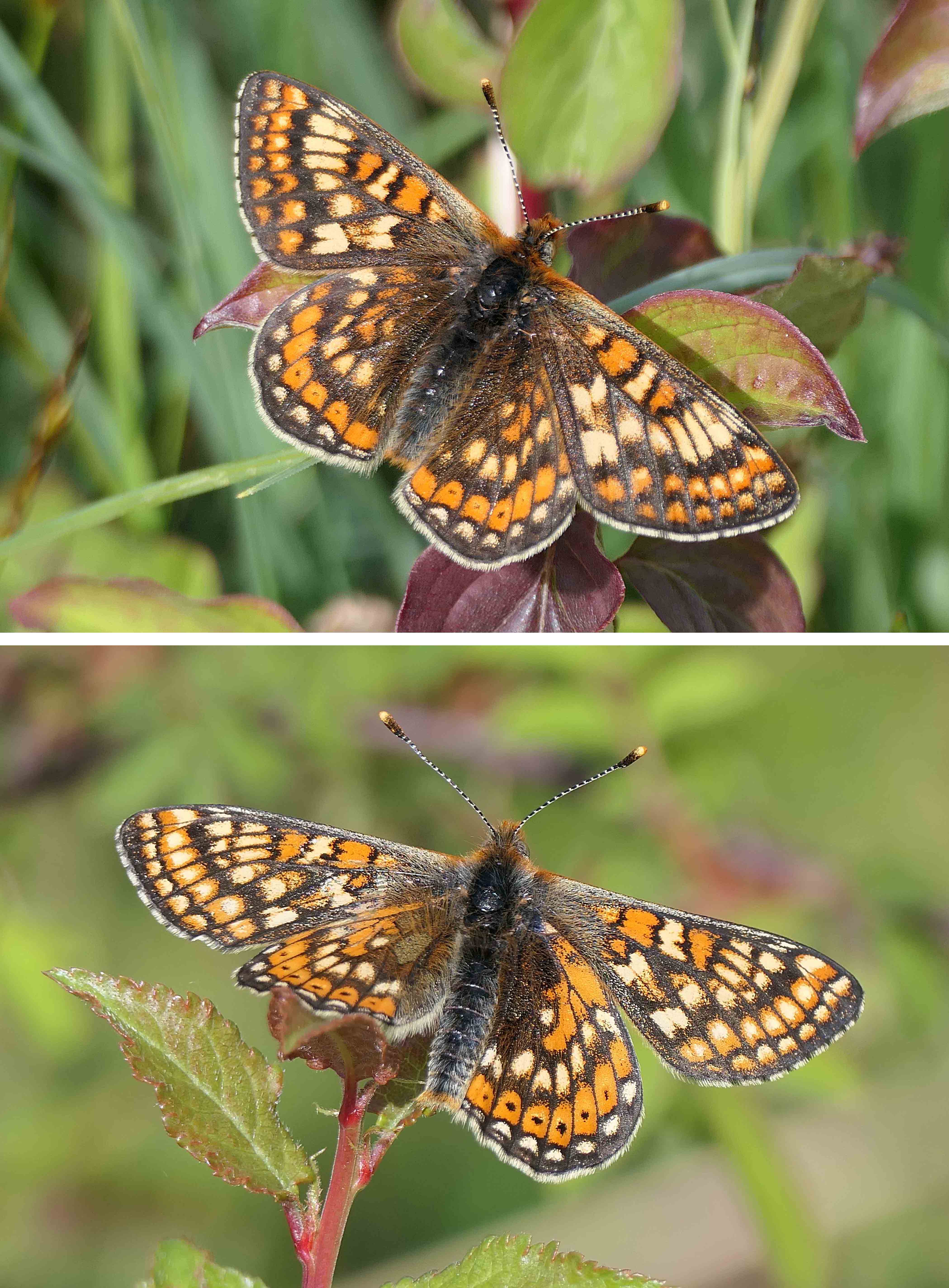
As I reported last year (The illegals, 30 May 2023), some person or persons unknown have illegally introduced Marsh fritillary butterflies to Lavernock Nature Reserve.

240523 marsh fritillary (1)

Judging by the number of butterflies that have emerged there over the past week, the illegal fiddling continues – the amount of Devil’s-bit scabious growing in their field could not have supported the larvae necessary to produce the number of butterflies now being seen so it seems likely that more larvae or pupae have been planted.

240523 marsh fritillary (4)

Regardless of their provenance, the butterflies themselves are as magical and magnificent as ever, and it’s an absolute joy to watch them.

240523 marsh fritillary (3)

Like Loading...

Carrot mining bee

05 Saturday Aug 2023

Posted by sconzani in insects, plants, wildflowers

≈ Leave a comment

Tags

Andrena nitidiuscula, bees on Wild carrot, British mining bees, Carrot mining bee, Cosmeston Lakes Country Park, Daucus carota, Lavernock Nature Reserve, Wild carrot

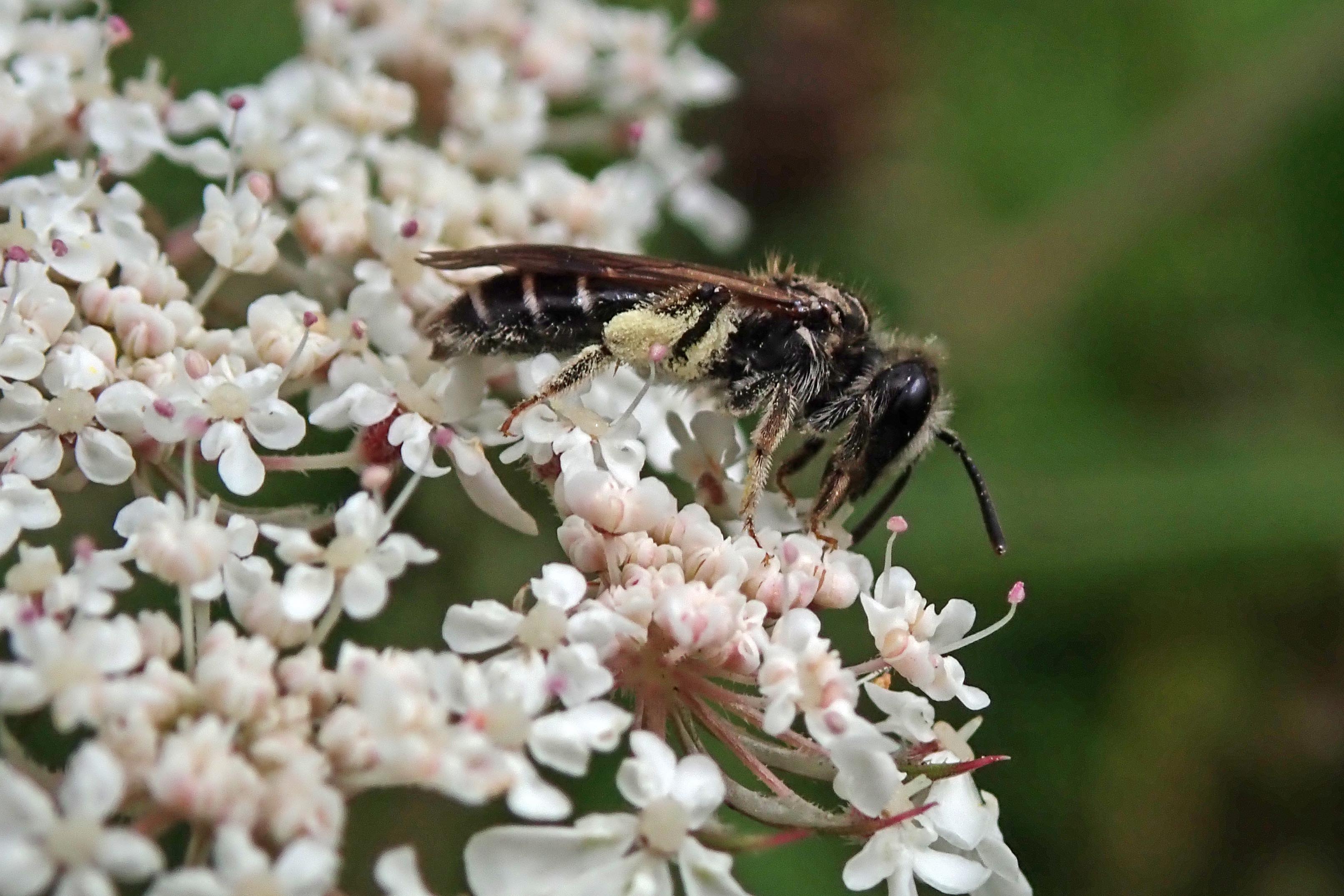
In August 2020, local entomologist Liam Olds made the amazing discovery of the first Carrot mining bees (Andrena nitidiuscula) for Wales at Lavernock Nature Reserve, and Liam later went on to find a population of the bees at nearby Cosmeston Lakes Country Park. Despite these parks both being relatively near where I live, it’s taken me three years to find my own Carrot mining bee, at Cosmeston on Thursday.

230805 Carrot mining bee (1)

As you might have guessed from the bee’s name, it can usually be found collecting pollen from the flowers of Wild carrot (Daucus carota). And therein lies one of the problem’s for this bee’s future, the preservation of the right habitat to ensure the bee’s conservation. Earlier this year, despite protests against what was happening, the Vale of Glamorgan Council, which operates Cosmeston, went ahead with planting trees across large areas of a wildflower meadow where the bee had previously been found by Liam Olds. Yes, the planet needs more trees, but those trees need to be planted in the right place. When they’re not, they risk destroying important local flora and fauna. Let’s hope the Carrot mining bee can survive the local council’s actions!

230805 Carrot mining bee (2)

Like Loading...

Two whites

14 Wednesday Apr 2021

Posted by sconzani in insects, spring

≈ 2 Comments

Tags

British butterflies, Green-veined white, Lavernock Nature Reserve, Orange-tip butterfly, Orange-tip male, spring butterflies

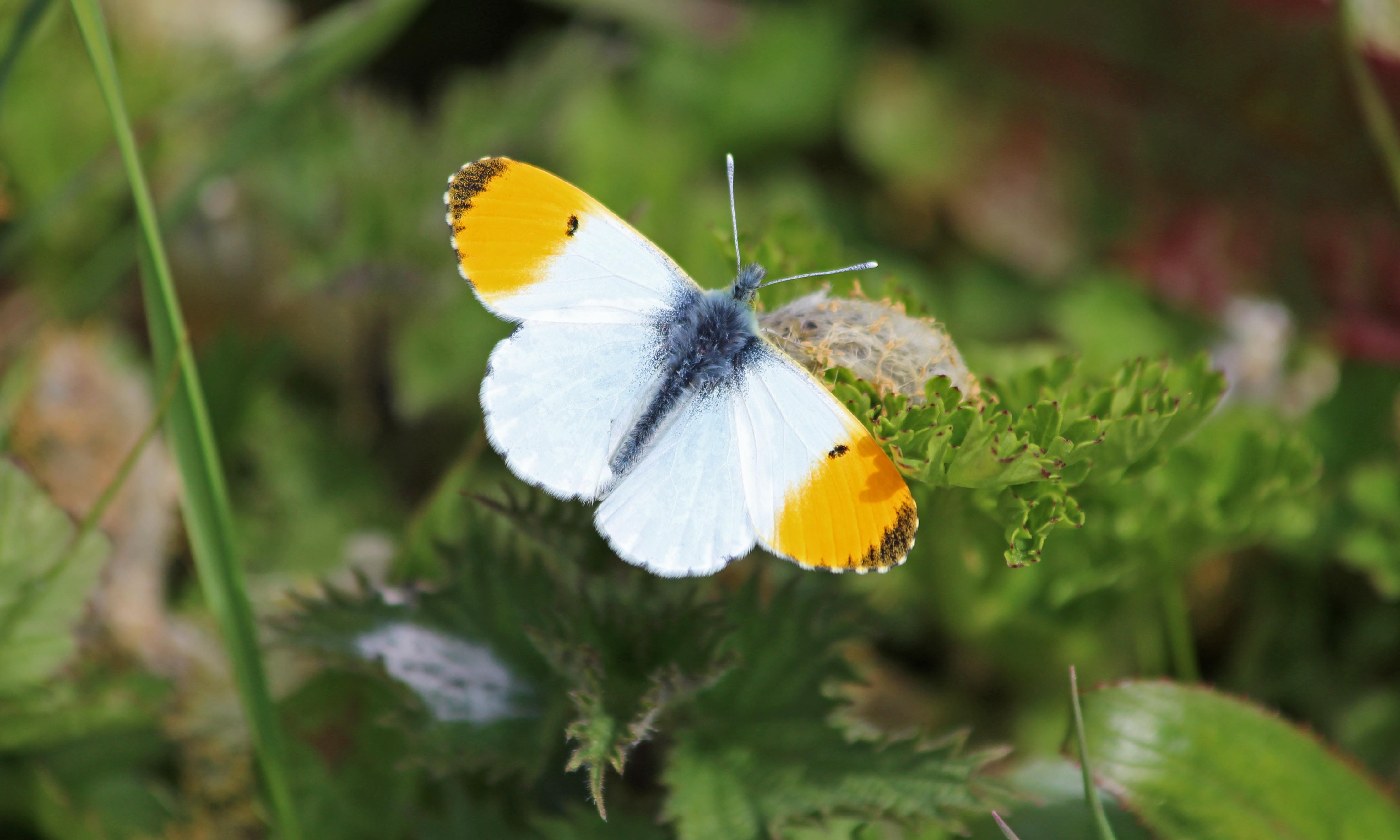
With the help of a little warm sunshine, Lavernock Nature Reserve came up trumps for me yesterday, as I found my first Orange-tip and Green-veined white butterflies for 2021, two of each. So beautiful, so lucky!

210414 orange-tip210414 green-veined white

Like Loading...

274/366 Another extra brood

30 Wednesday Sep 2020

Posted by sconzani in autumn, insects

≈ Leave a comment

Tags

Aricia agestis, British butterflies, Brown argus, butterfly, butterflying, Cosmeston Lakes Country Park, Lavernock Nature Reserve, second brood Brown argus

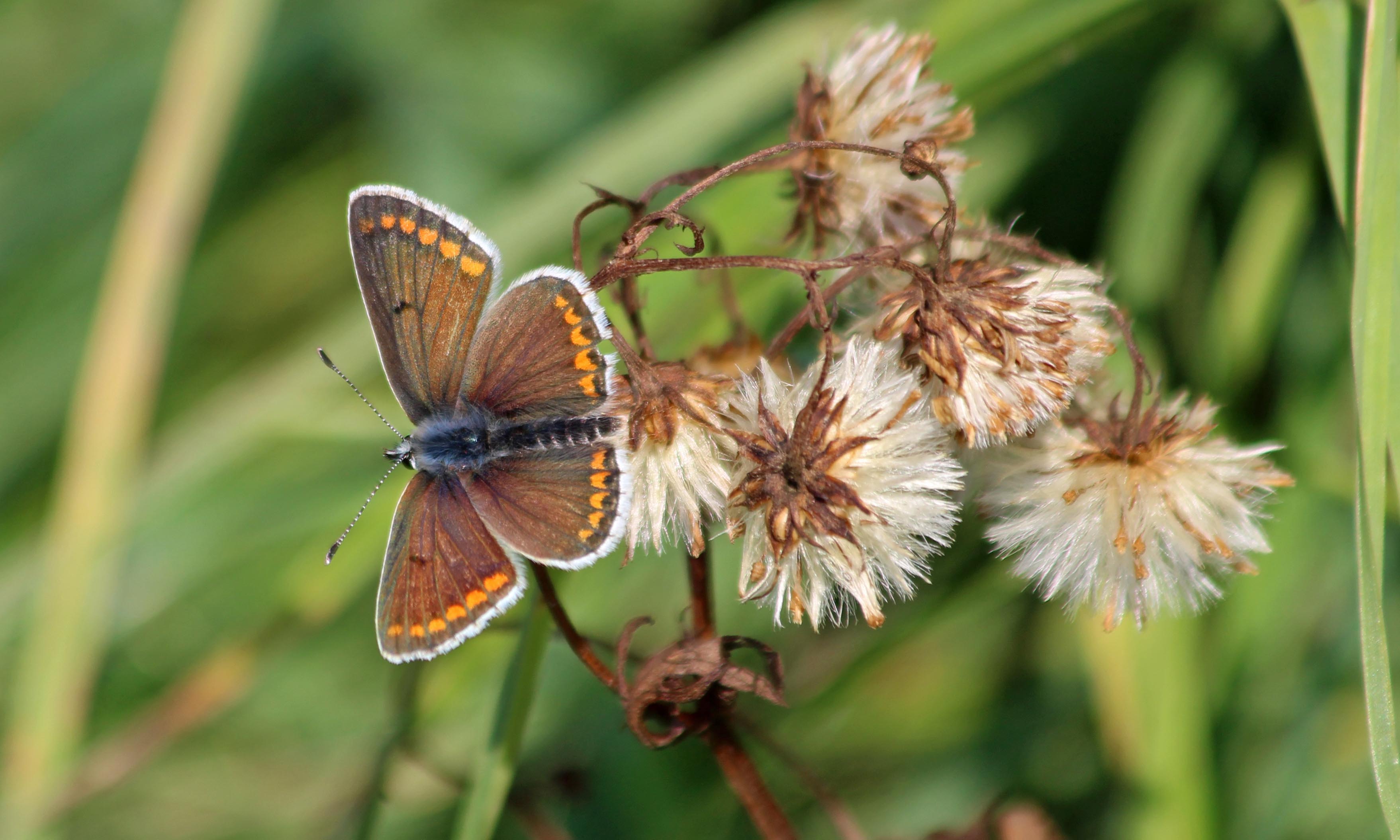
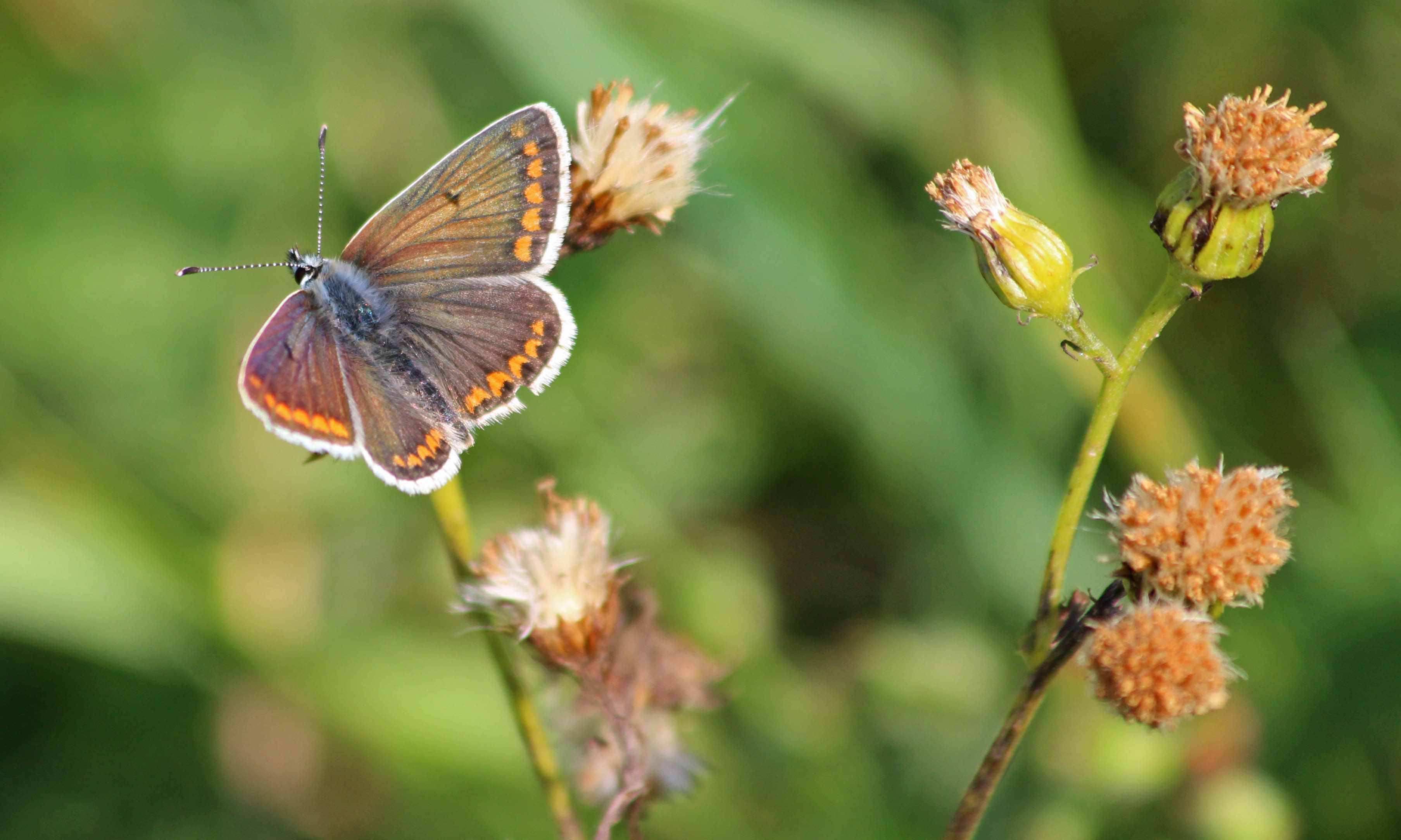
This year I saw my first Brown argus butterfly (Aricia agestis) on 11 July and thought I’d seen my last on 26 August, a short but very sweet season of sightings. Then, to my astonishment and absolute delight, I discovered two more on the same day, 16 September, one at Lavernock Nature Reserve and the other at Cosmeston Lakes Country Park.

200930 brown argus (1)

These had to be the product of the first brood of butterflies breeding and so were a second brood, not something I’d seen before with this butterfly. As the local populations of Dingy skippers have also produced a second brood and the Small coppers a third brood this year and nothing has changed in their environments, I can only assume this has been caused by the warmer climate.

200930 brown argus (2)

I haven’t managed to find the Lavernock Brown argus again but the Cosmeston butterfly was still in the same spot last week. A late summer-early Autumn treat!

Like Loading...

255/366 Knot grass larvae

11 Friday Sep 2020

Posted by sconzani in insects

≈ 2 Comments

Tags

British moths, Knot grass larva, Knot grass moth, Lavernock Nature Reserve, moth caterpillar, moth larvae

When I spotted this caterpillar yesterday, I didn’t think I’d seen one like it before but, when one of my Twitter pals later identified it for me, I realised I had seen one previously, though a younger model.

200911 knot grass larva (1)
200911 knot grass larva (2)

These are the larvae of the Knot grass moth (Acronicta rumicis), a moth I’ve never seen (you can see what the adult moth looks like and read more about it on the UK Moths website). I think the larva above, found munching on Dyer’s greenweed at Cosmeston on 4 June, is an early instar, whereas the larva below, found feeding on Common ragwort at Lavernock Nature Reserve on 10 September and a real stunner, is almost ready to pupate for the winter.

200911 knot grass larva (3)

Like Loading...

234/366 Tiger hunting

21 Friday Aug 2020

Posted by sconzani in insects, nature

≈ 2 Comments

Tags

British moths, Euplagia quadripunctaria, Jersey tiger, Lavernock Nature Reserve, moth, tiger moths

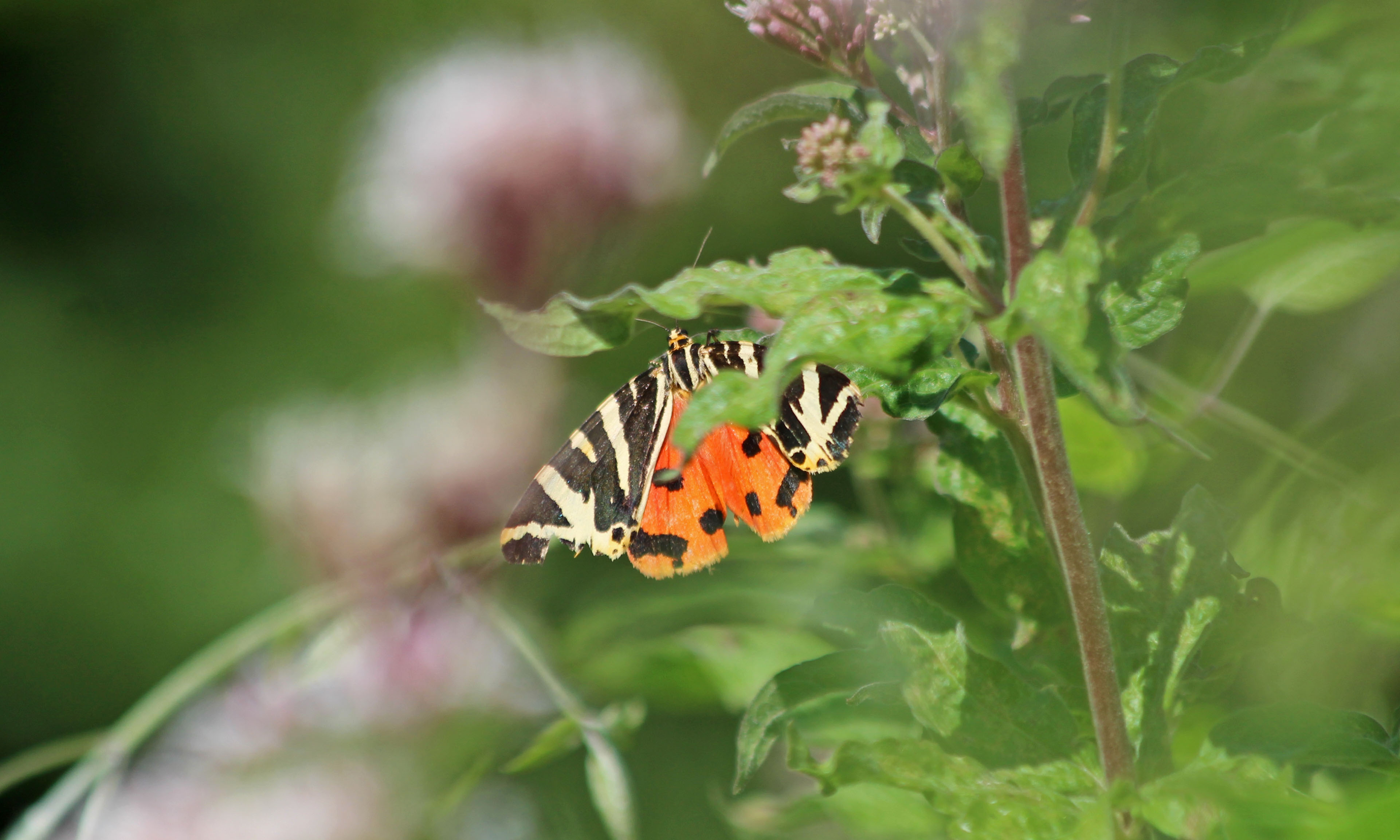
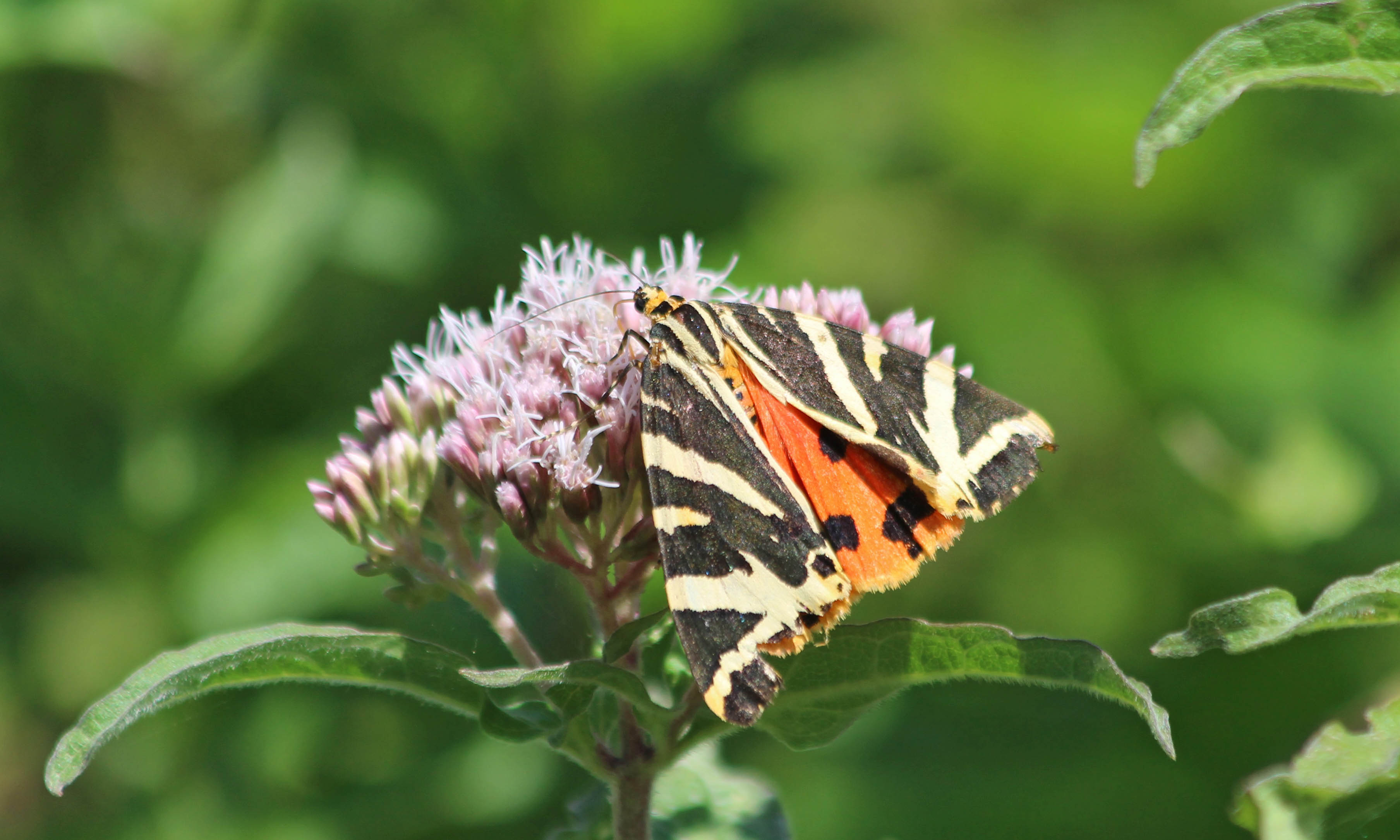
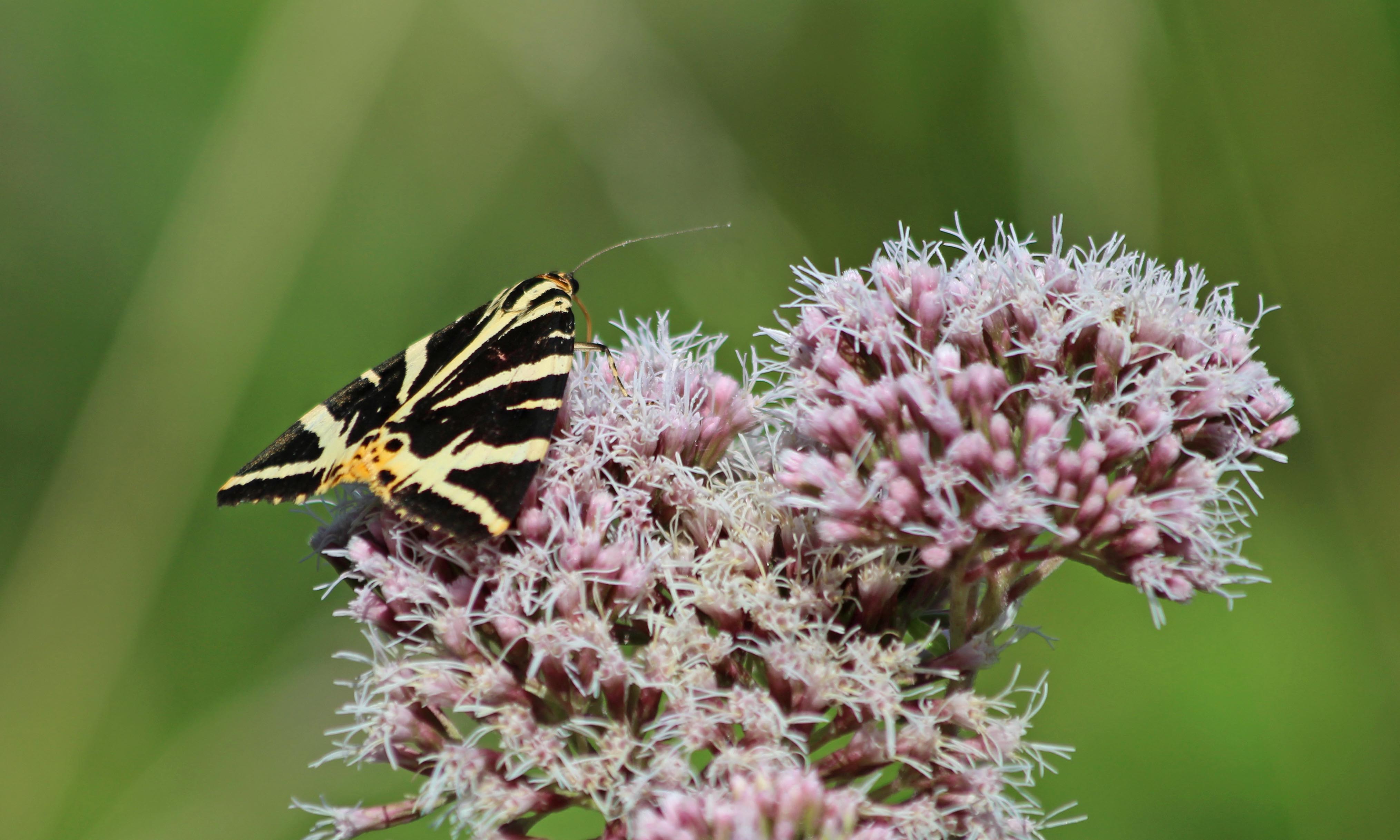
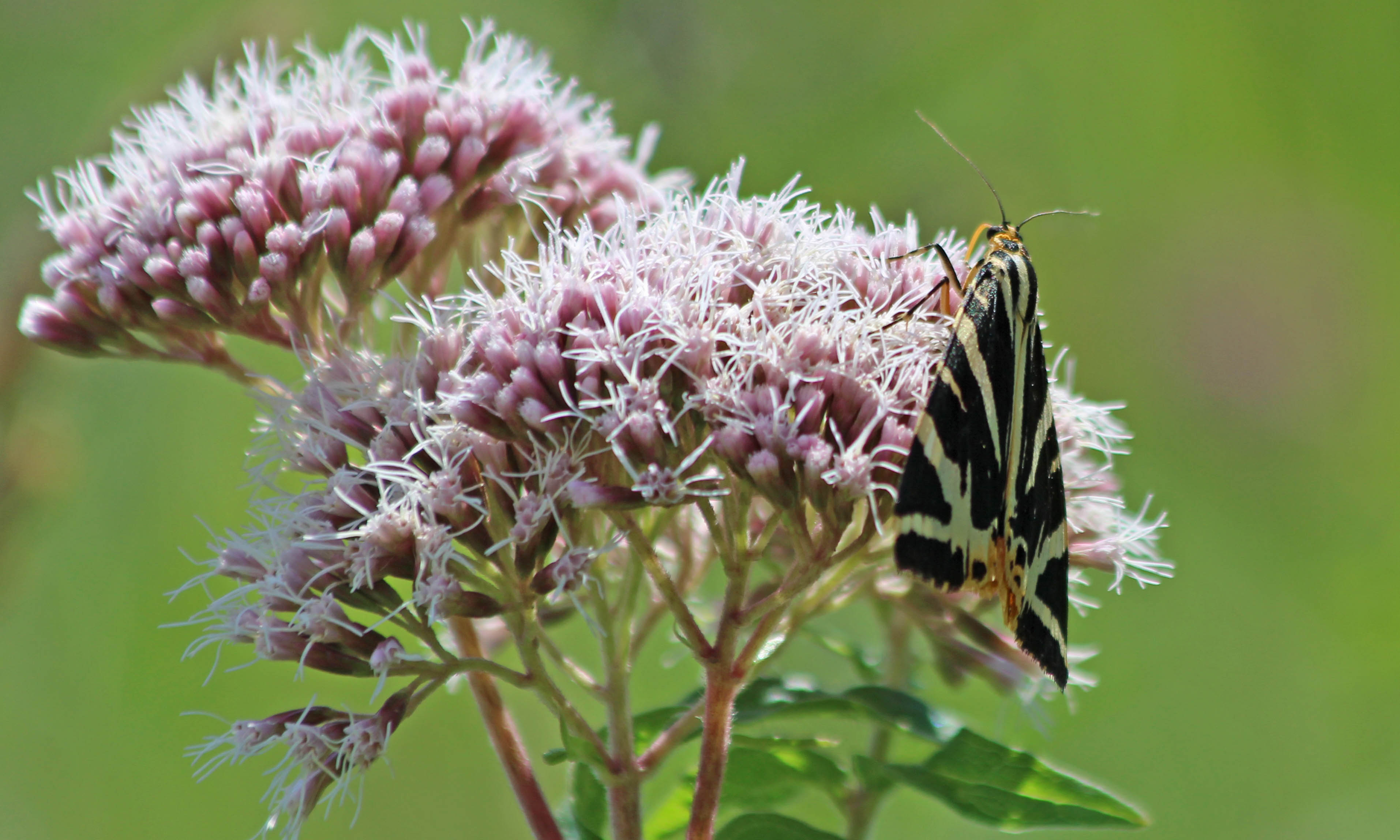
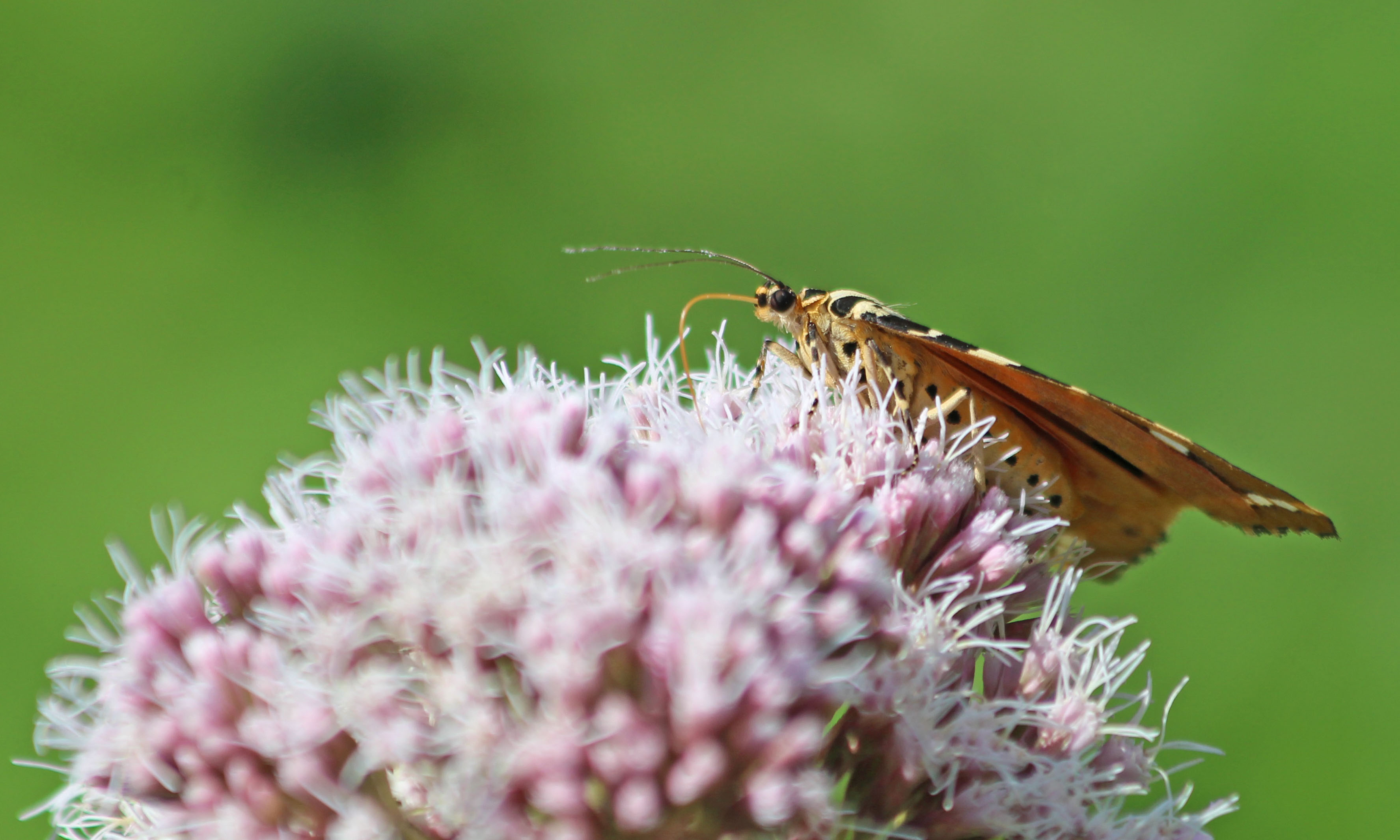
As many local events in Nature’s calendar have been tracking a couple of weeks earlier than usual this year, I first started this year’s tiger hunting ten days ago but it took three visits to Lavernock Nature Reserve and much staring at the flowers of Hemp-agrimony before I finally found a tiger.

200821 jersey tiger (1)

I am not, of course, talking about the big cats – I am vehemently opposed to all hunting! My hunt was for the gorgeous moth that is the Jersey tiger (Euplagia quadripunctaria).

200821 jersey tiger (2)

Having spread northwards in southern England, from Devon in to Somerset, these moths tackled the watery expanse of the Bristol Channel in stages, recorded on the island of Flat Holm in 2008 but not making the final flight across to the south Wales coast until 2012.

200821 jersey tiger (3)

Though they have avoided big city Cardiff – the single Cardiff record thus far was in 2017, the Jersey tiger now appears to be well established along a section of the Vale of Glamorgan coastline, from Penarth to Barry, and presumably it will spread further as climate and environmental conditions allow.

200821 jersey tiger (4)

Last Monday, 17 August, I spotted these two, feeding quite close together, at Lavernock (the first two photos here are one moth; the other three show the second tiger). Though they have been recorded on various flowers, I’ve only ever seen them on Hemp-agrimony, which is one of the food plants used by their larvae. I live in hope of finding one of their funky-looking caterpillars but I was over the moon to see my first tigers of the year.

200821 jersey tiger (5)

Like Loading...

149/366 My favourite butterfly

28 Thursday May 2020

Posted by sconzani in insects, nature

≈ 2 Comments

Tags

British butterflies, butterfly, Lavernock Nature Reserve, Lycaena phlaeas, Small copper

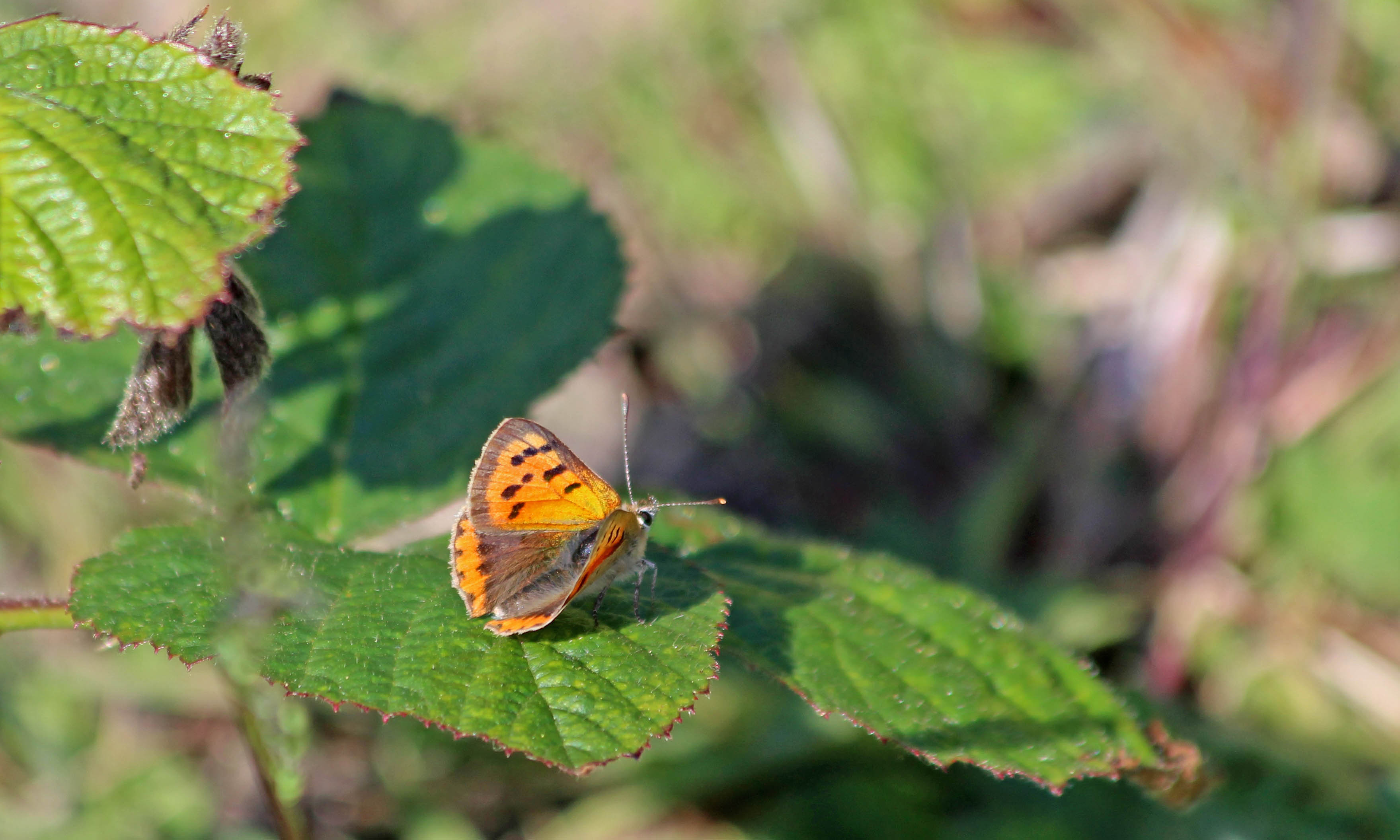
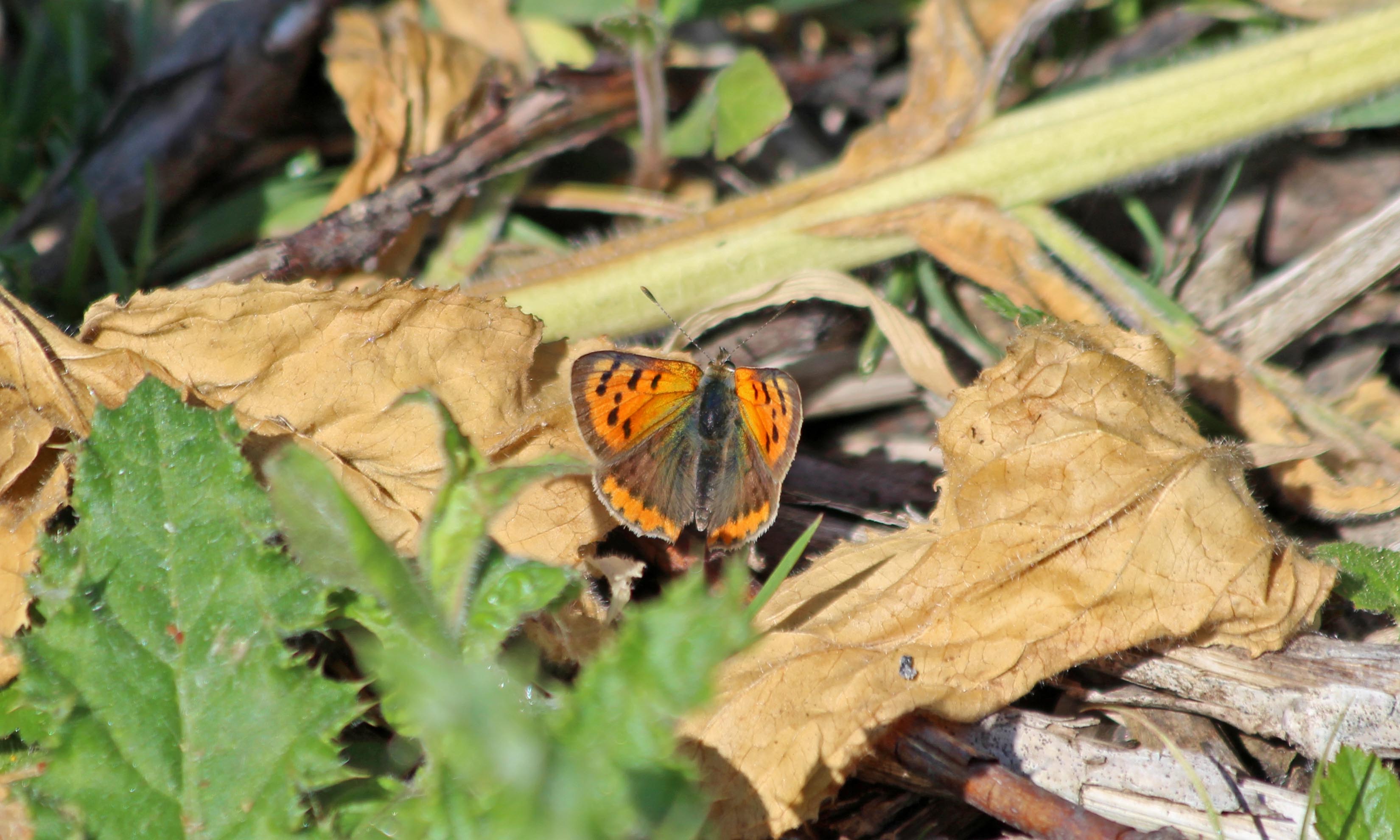
The highlight of yesterday’s walk to Lavernock Nature Reserve was seeing this little beauty, my first Small copper of the year.

200528 small copper (1)

They’re tiny butterflies but they punch well above their weight, fearlessly challenging any other butterflies that stray too close to their territory, as this one did today with a male Common blue.

200528 small copper (2)

This Small copper was in pristine condition so, presumably, had very recently emerged. The vibrancy and intensity of its copper colour was simply stunning.

200528 small copper (3)

Like Loading...
← Older posts

About me

sconzani

sconzani

I'm a writer and photographer; researcher and blogger; birder and nature lover; countryside rambler and city strider; volunteer and biodiversity recorder.

View Full Profile →

Follow earthstar on WordPress.com

Enter your email address to follow this blog and receive notifications of new posts by email.

Recent blog posts

  • M is for mite December 18, 2025
  • L is for lepidopteran lifers December 17, 2025
  • K is for Keeled skimmers December 16, 2025
  • J is for Jersey tiger December 15, 2025
  • I is for Ichneumon December 14, 2025

From the archives

COPYRIGHT

Unless otherwise acknowledged, the text and photographs on this blog are my own and are subject to international copyright. Nothing may be downloaded or copied without my permission.

Fellow Earth Stars!

  • Unknown's avatar
  • Unknown's avatar
  • Unknown's avatar
  • Unknown's avatar
  • Unknown's avatar
  • Unknown's avatar
  • Unknown's avatar
  • Unknown's avatar
  • Unknown's avatar
  • Unknown's avatar
  • Unknown's avatar
  • Unknown's avatar
  • Unknown's avatar
  • Unknown's avatar
  • Unknown's avatar
  • Unknown's avatar
  • Unknown's avatar
  • Unknown's avatar
  • Unknown's avatar
  • Unknown's avatar
  • Unknown's avatar
  • Unknown's avatar
  • Unknown's avatar
  • Unknown's avatar
  • Unknown's avatar
  • Unknown's avatar
  • Unknown's avatar
  • Unknown's avatar
  • Unknown's avatar
  • Unknown's avatar
  • Unknown's avatar
  • Unknown's avatar
  • Unknown's avatar
  • Unknown's avatar
  • Unknown's avatar
  • Unknown's avatar
  • Unknown's avatar
  • Unknown's avatar
  • Unknown's avatar
  • Unknown's avatar
  • Unknown's avatar
  • Unknown's avatar
  • Unknown's avatar
  • Unknown's avatar
  • Unknown's avatar
  • Unknown's avatar
  • Unknown's avatar
  • Unknown's avatar
  • Unknown's avatar
  • Unknown's avatar

Blog at WordPress.com.

Privacy & Cookies: This site uses cookies. By continuing to use this website, you agree to their use.
To find out more, including how to control cookies, see here: Cookie Policy
  • Subscribe Subscribed
    • earthstar
    • Join 667 other subscribers
    • Already have a WordPress.com account? Log in now.
    • earthstar
    • Subscribe Subscribed
    • Sign up
    • Log in
    • Report this content
    • View site in Reader
    • Manage subscriptions
    • Collapse this bar
 

Loading Comments...
 

You must be logged in to post a comment.

    %d