In praise of thistles

Tags

, , , ,

Butterfly larvae and various beetles feed on their leaves; scores of insect species feast on their nectar and pollen; the stems of the plants are home to various over-wintering insect larvae; and, when the flowers are finished, birds like Goldfinches, Linnets and Siskin feed on their seeds. The plants I’m describing are the various species of the much maligned thistle family. Despite the derision of some farmers and the ‘neat-and-tidy’ brigade of gardeners, thistles are superb plants for wildlife, and I also think their flowers are rather beautiful.

During recent walks I’ve been capturing images of some of the creatures I’ve seen enjoying the bounty of these wild beauties: Comma, Large skipper, Marmalade hoverfly, Meadow brown, Red admiral, Red soldier beetle, Red-tailed bumblebee, Ringlet, Scorpion fly, Six-spot burnet, Small copper, Small skipper, and White-tailed bumblebee.

A Marbled white surprise

Tags

, , , ,

Considering the Marbled white butterfly (Melanargia galathea) thrives in tall grasses, growing in calcareous unimproved grasslands, in woodland clearings and rides, in disused quarries and roadside verges, I always expect to find them in my part of south Wales. But they are rare here, my very occasional sightings consisting of rapid fly-bys and distant record-only photos like the one below.

210724 marbled white (1)

So, getting close views of this beauty during my trip to Slade Woods last week was a lovely surprise, not from within the woodland itself, but rather at the edge of a farmland footpath on my way back to the train.

210724 marbled white (2)

Though it may seem difficult to believe when you look at its colouring, the Marbled white butterfly is a member of the ‘brown’ group of butterflies that also includes those that are recognisably brown (Speckled wood, Meadow brown, Ringlet, etc).

The glider

Tags

, , , , ,

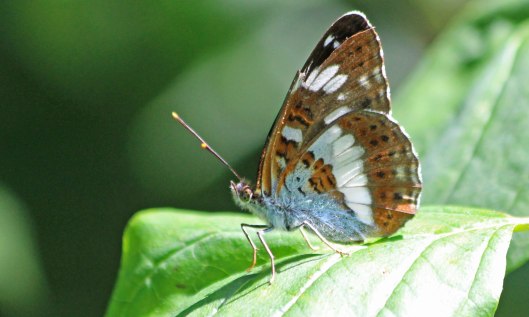
My first visit to Slade Wood last week, though a wonderful wander, did not produce any sightings of the particular butterfly I was hoping for. So, when I read on Twitter that evening that they had been seen in a particular spot, and knowing that these butterflies can be territorial so would probably be faithful to that location, I just had to go back for another look. And I’m so very glad I did.

210723 white admiral (1)

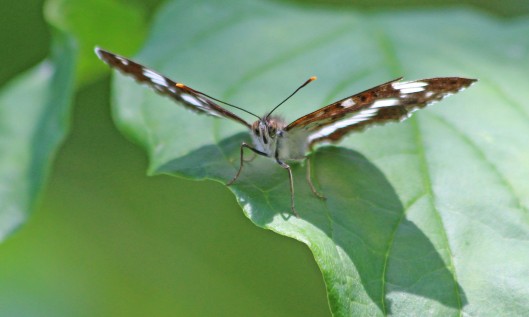
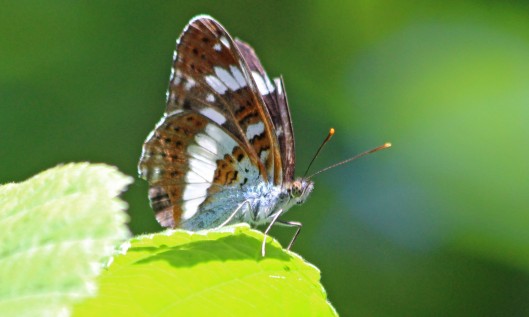
By sheer coincidence, Frank, the person who had provided the site details, was there when I revisited Slade Wood last Friday. We had brief views of one butterfly but it wasn’t until I met Frank again along the main woodland ride that we had these exceptionally close views of another.

210723 white admiral (3)

The butterfly, the one true glider of the 59 British butterfly species, is a White admiral (Limenitis camilla) and, as it was patrolling a small territory and defending that territory from other, passing butterflies, it was probably a male. It was amazingly confiding, and I felt incredibly fortunate to be able to observe this gorgeous creature so closely.

210723 white admiral (2)

The Andrex plant?

Tags

, , ,

I had to laugh when I read in Flora Britannica that, because this plant’s large leaves feel like they are covered in soft grey wool: ‘In a more modern – and practical – vein, mullein has been nicknamed “the Andrex plant”, and its leaves used accordingly.’ I cannot attest to the veracity of this statement!

This is Great mullein (Verbascum thapsus), which also has some wonderful, less recent vernacular names: Aaron’s Rod, Hagtapers, Adam’s flannel, and Our Lady’s candle. These names are no doubt inspired partly by those leaves and also by the enormous yellow-flowered spike, which can grow to four or five feet tall. Mullein is a biennial plant: in its first year there is just a rosette of leaves, and it’s not till its second year that the flower spike grows.

Post-fledging dispersal

Tags

, , , ,

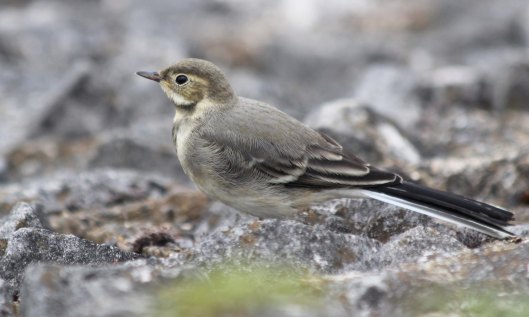
Here’s another young bird that’s going through its post-fledging dispersal phase. Pied wagtails can be found around Cardiff Bay throughout the year and have bred successfully many times, so I think this little fledgling should be able to find a place of its own without venturing too far afield.

210721 pied wagtail fledgling (1)

210721 pied wagtail fledgling (4)

From a photographer’s perspective, young birds can be a delight when they are less wary of humans, and this bird was no exception. Though it had definitely noticed me, it began to walk up the stone embankment towards me, so I managed to get some reasonably good images. And I very much enjoyed getting such close views of it poking and prodding about the rocks for edible titbits.

Purple poser

Tags

, , , , ,

You may remember that at the end of May I made the surprise discovery of a Purple hairstreak butterfly larva in my local woodlands. Despite much searching I never found another but, as these butterflies are now on the wing, I’ve been keeping an eye out for any adults when I walk the woodland rides in that area.

210719 purple hairstreak (1)

And last week I found one … or, I should really say, it found me. I was focused on checking for butterflies flying high in the canopy of the Oak trees when a small grey-looking butterfly flitted close around my head and then disappeared into the branches next to the path. A few seconds later it reappeared and spent a few minutes, feeding on the honeydew on the leaves, before floating back up to the canopy again. A fanciful thought but it was almost like it was saying ‘Here I am. Look at me’, so I did.

210719 purple hairstreak (2)

Though these butterflies give a predominantly grey impression when you see them, they are named for the deep purple markings on their upper wings. You can catch just a glimpse of that vibrant colour in the photo above.

Marjoram and sage

Tags

, , , , ,

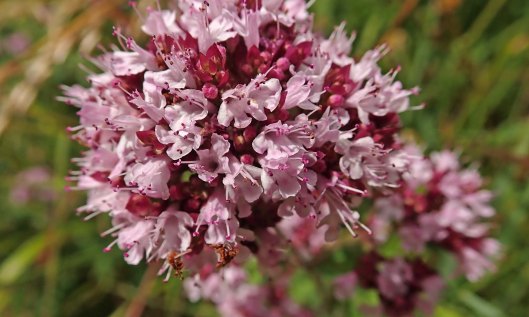
Two of this week’s wildflower finds are herbal so it makes sense to blend them together here. First up, is Wild marjoram (Origanum vulgare), known in the Mediterranean countries as Oregano, though it doesn’t smell quite as pungent when grown in Britain’s cooler climate. This lovely plant can often be found in chalk and limestone grasslands, under hedge rows and in roadside verges, where its flowers are favourites of butterflies and other insects.

210718 wild marjoram (1)210718 wild marjoram (2)

The second plant, a new one for me, is Wood sage (Teucrium scorodonia), another wild herb that doesn’t have the strength of scent you find in the sage you use in cooking. As you might guess from its name, this plant thrives along dry woodland rides, but can also be found in coastal situations, in dunes and heaths and on cliffs.

A dispersing Dipper

Tags

, , , , ,

We don’t see Dippers very often in Cardiff Bay, as they’re generally birds of fast-flowing rivers, so I was surprised but very pleased to spot this one on the embankment during a recent walk.

210717 dipper (1)

After a closer look through my zoom lens, I realised it was a juvenile bird. This probably means that it was in the process of post-fledging dispersal, where birds leave the area in which they were raised to find territories of their own. Good luck, little Dipper!

210717 dipper (2)

Graylings galore

Tags

, , , ,

Yesterday I almost melted with the searing heat but I have only myself to blame for choosing one of the hottest days of the year to go looking for butterflies on top of a colliery spoil tip. And it was worth every drop of perspiration as I saw more Graylings than I’ve ever seen before – at least 20, probably more.

210715 grayling (1)

The wing markings of these butterflies is so cryptic that they almost disappear into the landscape. Even when I watched closely where they landed, I sometimes couldn’t find them again until they moved. They’re magicians!

210715 grayling (2)

Oh, and just a heads up for those of you in Britain – today marks the start of Butterfly Conservation’s Big Butterfly Count 2021, a three-week period when we are all urged to record our sightings to help with the conservation of our butterfly species. You can read all about it on Butterfly Conservation’s website.

210715 grayling (3)