342/366 Leaf mines: Cerodontha iridis

Tags

, , , , , ,

When I first recorded this leaf mine (found on 24 November at Cosmeston Lakes Country Park, where there is rather a lot of it in one particular area), it was named ‘Record of the Week’ by SEWBReC, the local biodiversity records centre, and hailed as only the third Welsh record (though the national recorder for this species later corrected this, as it seems several records from north Wales had not been added to the Welsh database at that stage). Since then, I’ve found these mines in five more locations, proving that once again this is an under-recorded leaf-mining species.

201207 Cerodontha iridis (1)

These leaf mines were made on Stinking iris (Iris foetidissima) by the fly Cerodontha iridis, and they can also be found in Britain on other Iris species, though I haven’t seen any of those. The mines occur in early autumn, though they can still be seen on Iris leaves later than that – I’m seeing them now, in early winter. Often the adult fly lays several eggs on one leaf and, after the larvae hatch and start munching, they create blotch mines, which may be quite large when several mines coalesce.

You can read more detailed information about this species and see some excellent images, including close-ups of the larvae and their puparia, on the Bladmineerders website here.


201207 Cerodontha iridis (4)

341/366 Blooming on the Barrage

Tags

, , , ,

During Tuesday’s walk across the Barrage in Cardiff Bay, I searched for as many wildflowers in bloom as I could find. I spotted just ten species, but it’s quite a small area and the grounds are frequently cut and strimmed by the Council’s grounds staff, so I thought that was a good number for the time of year. And the list included a few species I don’t see elsewhere, like Viper’s-bugloss (very stunted from the too-frequent cutting), Black nightshade, and Common stork’s-bill.

The wildflowers in the video are Daisy (Bellis perennis), Dandelion (Taraxacum officinale agg.), Common stork’s-bill (Erodium cicutarium), Viper’s-bugloss (Echium vulgare), Groundsel (Senecio vulgaris), Nipplewort (Lapsana communis), Black nightshade (Solanum nigrum), Herb Robert (Geranium robertianum), Smooth sow-thistle (Sonchus oleraceus), and Hoary mustard (Hirschfeldia incana).

340/366 Ravens bonding

Tags

, , , , , ,

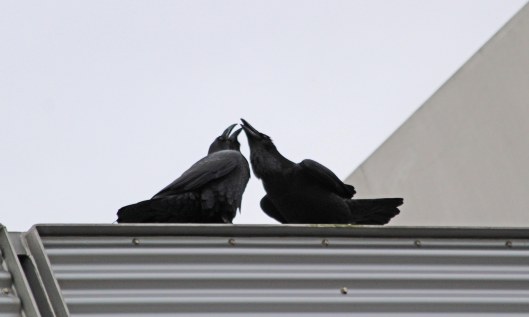
When I walked across Cardiff Bay’s Barrage and back on Tuesday, I was thrilled to spot the resident Ravens hopping about on one of the gantries. Then, as I watched, they paused next to each other and began mutual preening and murmuring in low, sweet tones.

201205 raven courtship (1)

It’s believed Ravens mate for life but even life partners need to reaffirm their pair bonding and these actions, plus dramatic aerial displays, are all important aspects of Raven courtship.

201205 raven courtship (2)

If you’ve not heard the sounds I’m talking about, the Raven love speak, there’s a short audio piece on the Audubon website here.

339/366 The Nostoc is thriving

Tags

,

Rain may not be everyone’s favourite weather. It turns pathways to mud, may cause flooding in extreme weather events, and can make finding enough food difficult for many wild creatures, but one organism that positively thrives on the dampness is the cynobacterium Nostoc.

201204 nostoc (1)

Nostoc both fascinates and revolts me: fascinates because of its ability to survive in extreme conditions and its sinuous shapes, revolts because of its consistency and texture. I found this huge area of it on a walk along the coast a couple of days ago and just can’t resist sharing some photos. For more about Nostoc, see my blog Gloop, February 2018.

338/366 Leaf mines: Acidia cognata

Tags

, , , , , , ,

Though the UK Fly mines website says the leaf mines of the little orange fly Acidia cognata are made in October-November, I’m sure the mines will still be visible this month, and possibly further into the winter, so this is one to look out for now when you’re out walking.

201203 acidia cognata (1)

One of the plants this fly mines – this is the one I’ve found these mines on – is Winter heliotrope (Petasites fragrans), which is particularly noticeable now, due to the pretty pink flowers that appear from November to February. Other favoured larval plants are Butterbur (Petasites hybridus), a plant very similar to Winter heliotrope, and Colt’s-foot (Tussilago farfara), the leaves of which don’t appear till after the flowers, so approximately from April onwards.

After hatching, the Acidia cognata larvae create a corridor on the upper surface of the leaf. As the larvae grow, the mine widens and eventually becomes more of a blotch, especially if there are several larvae on a single leaf and their mines meet. I’ve found these mines in two local patches of Winter heliotrope but not found any sign of them in other locations, so distribution does seem a little random. If you spot any, please do record your sightings as, like many leaf-miners where the adult flies are not often seen, this species is probably under-recorded.

337/366 The anvil

Tags

, , , , , ,

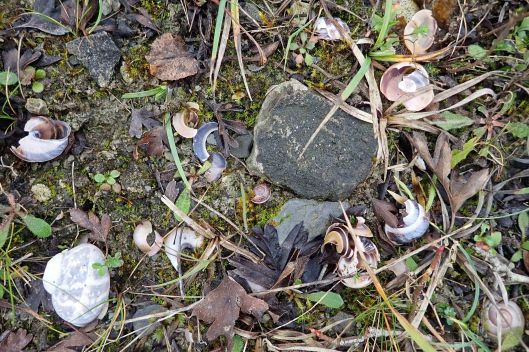
At the moment there are plenty of juicy berries on the trees and bushes, but when those disappear, or the ground’s too hard to probe for earthworms, snails become an important source of winter food for our Song thrushes. But how to get inside those protective shells to the body within? The answer is shown in the photo below – find a suitable stone, or similar hard object, and bash the snails on it.

201202 song thrush anvil

336/366 Wagging all the way

Tags

, , , ,

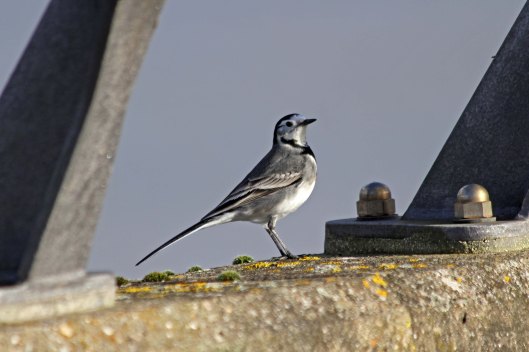
When days are short and skies are grey, a bobbing, tail-wagging, chissicking Pied wagtail is sure to bring a smile. There are always a few Pied wags around in the summer months but, come the chilly days of winter, many more come to town, where it’s slightly warmer and the urban pickings presumably a little richer.

201201 pied wagtail (1)201201 pied wagtail (2)201201 pied wagtail (3)

335/366 In praise of Beech

Tags

, , ,

In his ‘Ode to a Nightingale’, Keats wrote of a ‘light-winged Dryad of the trees’ singing of summer in ‘some melodious plot of beechen green’. The beechen green has now become beechen gold and brown, but I can still imagine Dryads singing of the beauty of mighty Beech trees, in all their autumnal finery, and even performing paeans in praise of their statuesque forms once those golden leaves have fallen.

201130 beech (3)

334/366 From flower to seed

Tags

, , , ,

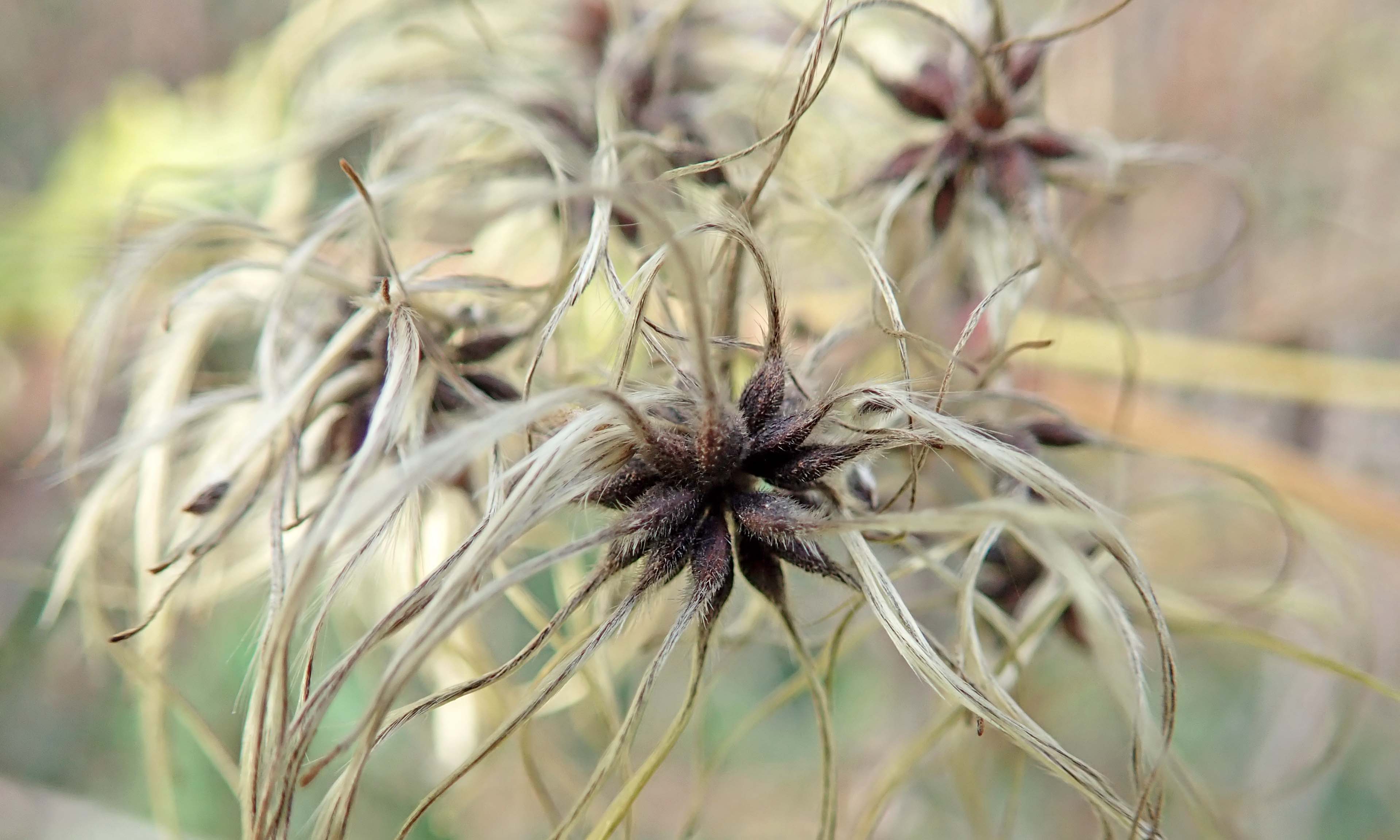
The seedheads of Old-man’s-beard – or perhaps you prefer to call it Traveller’s-joy – the native British Clematis vitalba, are a feathery delight, and I can rarely refrain from taking photos of them.

201129 old mans beard (3)

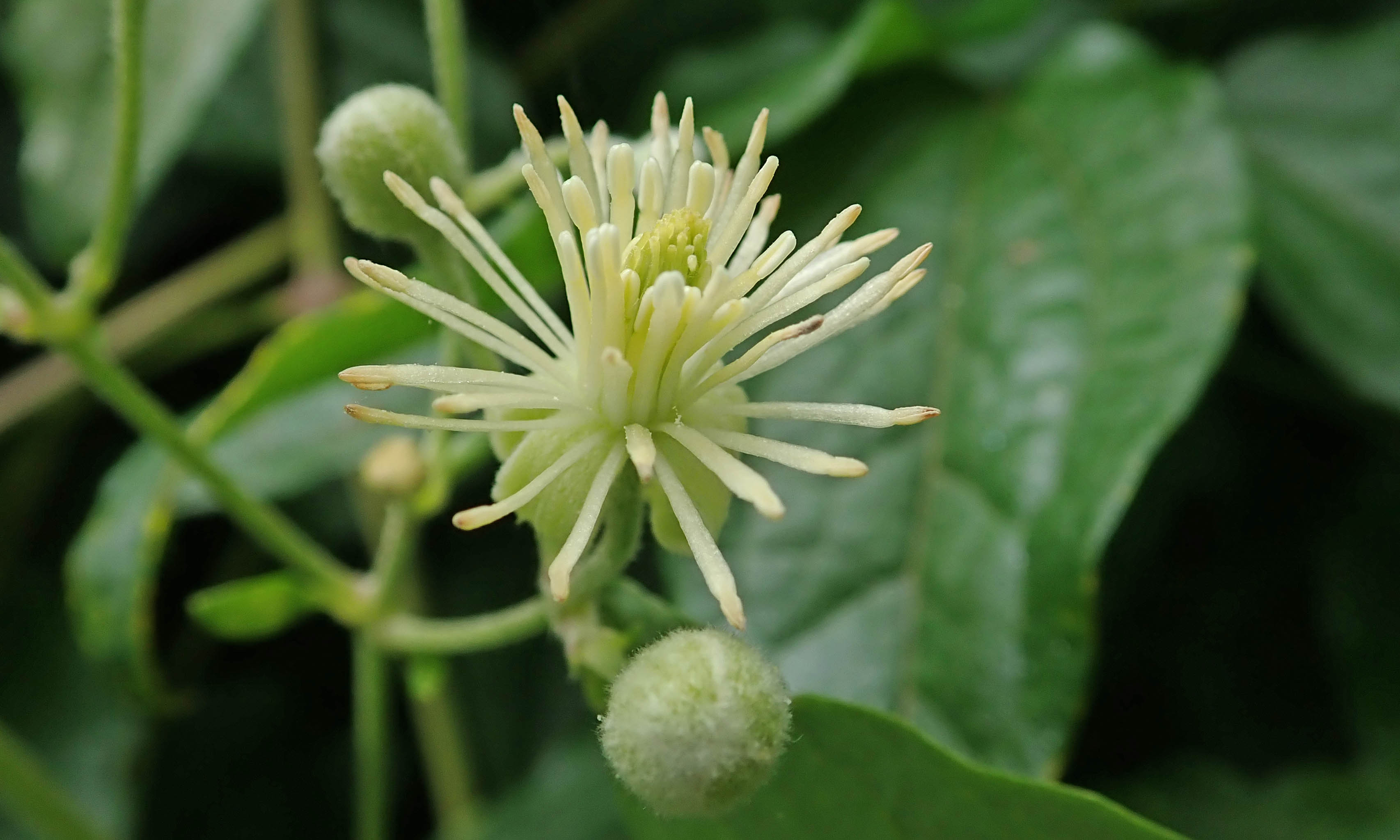
I also relish the delicate vanilla fragrance of the plant’s spiky flowers.

201129 old mans beard (1)

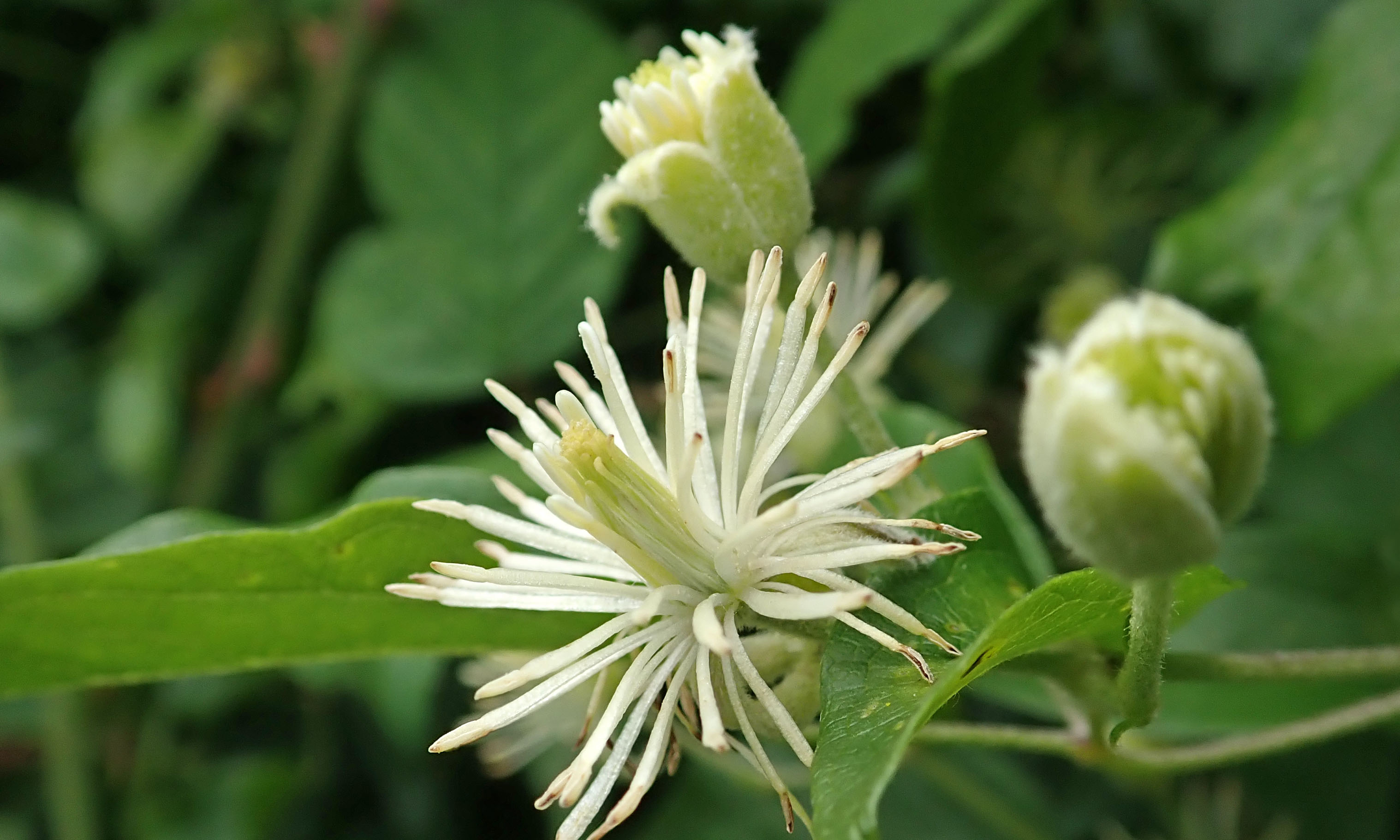
So, imagine my delight during today’s walk when I found both flowers and seedheads on the same plant. Spring and autumn, scent and seeds – a delicious, if slightly strange combination.

201129 old mans beard (2)